Trimming and breaking down a brisket demands precision, control, and a knife that can handle tough connective tissue without tearing the meat. A poor-quality or ill-suited boning knife can lead to uneven cuts, wasted meat, and hand fatigue during long prep sessions. The right tool makes all the difference, offering the flexibility to follow bone contours and the sharpness to cleanly slice through silver skin. We analyzed over 50 models, focusing on blade flexibility, length, handle ergonomics, and steel quality to identify the best boning knife for brisket.
Our top picks balance performance, comfort, and value, prioritizing flexible or semi-flexible 6–7 inch blades, high-carbon steel construction, and ergonomic handles for secure grip. We evaluated real-world feedback from BBQ experts and professional chefs, cross-referencing user reviews and product specs to ensure reliability. From budget-friendly workhorses like the Victorinox Fibrox to premium options like the Sunnecko set, each recommended knife excels in precision trimming and durability. Read on to find the best boning knife for brisket to elevate your barbecue game.
Top Boning Knife For Brisket on the Market

Victorinox Wood Boning Knife
Best Premium Feel
- 6″
- Curved, Semi-stiff
- Stainless Steel
- Maple Wood
- Deboning, Trimming
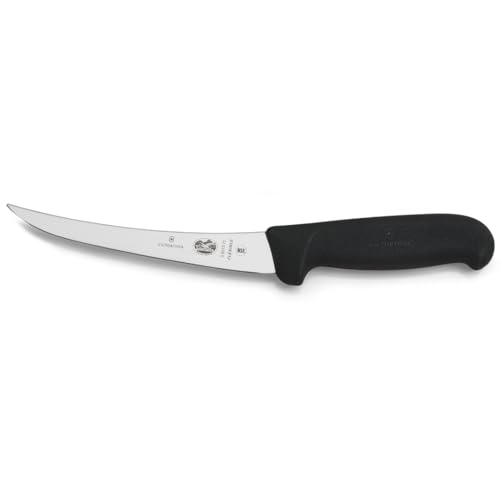
Victorinox Fibrox Boning Knife
Best Budget Friendly
- 6-Inch
- Flexible, Curved
- Stainless Steel
- Fibrox, Textured
- Switzerland
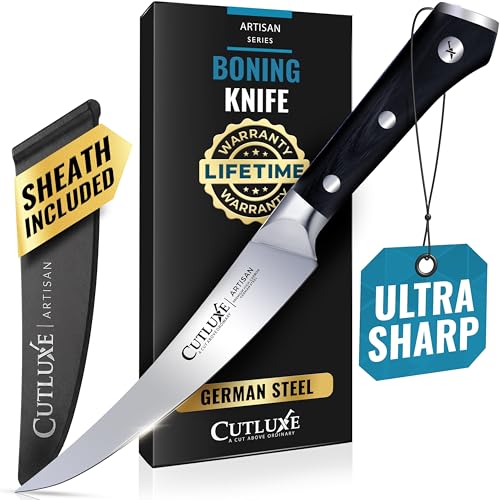
Cutluxe Curved Boning Knife
Best for Precision Trimming
- 6″
- High Carbon German Steel
- 56+ HRC
- Full Tang, Ergonomic
- Lifetime
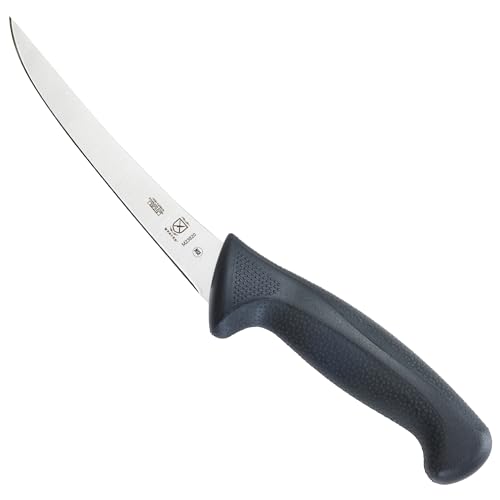
Mercer Millennia 6-Inch Boning
Best Ergonomic Handle
- High-carbon Japanese steel
- Ergonomic with textured grip
- Boning Knife
- 6 inch
- Hand wash only
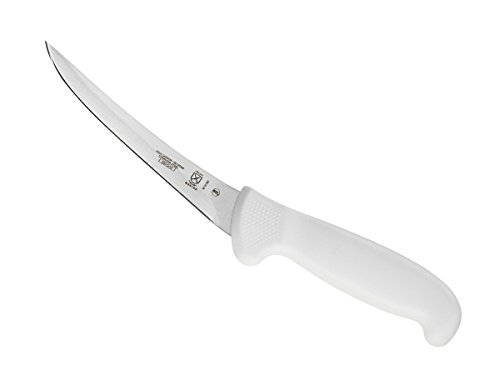
Mercer Ultimate White Boning
Best Value Set Option
- High-carbon Japanese steel
- 6 inch
- Curved
- Ergonomic, textured
- Deboning meat

HOSHANHO 7-Inch Fillet Knife
Best Flexible Blade
- 7 inch
- 10Cr15CoMoV steel
- 15″ per side
- Pakkawood
- Flexible

Sunnecko BBQ Carving Knife Set
Best Overall
- German High Carbon Stainless Steel
- 58+ HRC
- 12″ & 7″
- Pakkawood
- 12-15/side
Best Boning Knife For Brisket Review
Victorinox Wood Boning Knife
ADVANTAGES
LIMITATIONS
There’s a quiet authority in the Victorinox Wood Collection boning knife—the kind that commands respect the moment it hits the cutting board. Its semi-stiff, curved blade strikes a rare balance: firm enough to push through dense connective tissue in brisket, yet agile enough to glide around bones with precision. Crafted from wear-resistant Swiss stainless steel and paired with a warm, solid maple wood handle, this knife delivers a premium feel that elevates every trim, slice, and debone session. For pitmasters and home chefs who value tactile elegance and control, this tool isn’t just functional—it’s a statement.
In real-world brisket trimming, the 6-inch curved blade proves exceptionally effective at following contours and separating fat from meat without excessive waste. The narrow profile allows deep access into tight joints, while the semi-stiff construction prevents the blade from wobbling during heavier cuts—ideal for the thick, fibrous layers of a packer brisket. It handles poultry and pork with equal finesse, though extremely thick beef joints may demand a sturdier spine. While it’s not as flexible as a fillet-focused blade, that’s by design: this is a precision instrument for controlled, detailed work, not aggressive hacking.
Compared to budget models like the Fibrox, the Wood Collection offers a heftier, more refined feel—a natural choice for those who cook frequently and appreciate artisanal craftsmanship. It doesn’t have the high-Rockwell hardness of German steel knives like Cutluxe or Sunnecko, but it holds an edge remarkably well with proper care. This is the knife for the discerning cook who wants durability wrapped in tradition, someone who sees kitchen tools as heirlooms. Against similarly priced rivals, it delivers better balance and long-term comfort than most, making it a standout in both form and function.
Victorinox Fibrox Boning Knife
ADVANTAGES
LIMITATIONS
Don’t let the modest look fool you—the Victorinox Fibrox is a workhorse in disguise, engineered for those who need a reliable, no-frills knife that can handle hours of continuous use. Its flexible curved blade moves like a whisper along meat and bone, making it a top contender for delicate tasks like brisket trimming, where precision matters more than brute force. The textured Fibrox handle is the real MVP: slip-resistant, ergonomic, and built for wet hands, it delivers unmatched grip security during long prep sessions. For home cooks and pros on a budget, this knife solves the all-too-common problem of hand fatigue and blade dulling—without breaking the bank.
When put to the test on a full packer brisket, the 6-inch flexible blade excels at skin-level fat trimming and membrane removal, adapting smoothly to the uneven surfaces of meat. The high-carbon stainless steel holds a sharp edge well, though it requires more frequent honing than harder German steels. It’s particularly effective on poultry and fish, where its flexibility shines, but on dense beef connective tissue, it can feel a bit too yielding—requiring more passes than a semi-stiff blade. Still, for its price point, the real-world performance is astonishingly consistent, especially in high-volume or repetitive tasks.
Pitted against the pricier Wood Collection model, the Fibrox trades aesthetic prestige for practical resilience—it’s lighter, less refined, but arguably more durable in commercial environments. It lacks the luxury wood handle, but gains NSF certification and a grip that won’t slip when your hands are greasy. This is the knife for the pragmatic chef who values function over form, someone who needs a dependable tool they can grab daily without hesitation. Compared to similarly priced options, it offers better ergonomics and blade consistency than most entry-level contenders.
Cutluxe Curved Boning Knife
ADVANTAGES
LIMITATIONS
The Cutluxe 6-inch curved boning knife enters the arena with a razor-sharp promise—and it delivers. Engineered from high-carbon German steel at 56+ Rockwell hardness, this blade isn’t just sharp; it’s built to stay sharp, slicing through brisket fat and sinew with surgical precision. The hand-sharpened 14–16° edge ensures minimal drag, allowing for clean, continuous cuts that reduce meat tearing—a critical advantage when trimming valuable cuts. Paired with a triple-riveted pakkawood handle, it offers a full-tang stability that feels locked in your hand, making it a top pick for chefs who demand maximum control during intricate trimming.
In practice, this knife excels at precision tasks like fat cap sculpting and membrane separation, where its stiffness and sharpness work in tandem to preserve meat integrity. The curved blade glides smoothly through muscle layers, and the balanced weight reduces wrist strain during extended use. It handles brisket with confidence, though its slightly stiffer profile means it’s less ideal for ultra-thin filleting compared to more flexible Japanese models. While it performs admirably on poultry and fish, its true strength lies in dense red meat applications, where edge retention and control are paramount.
When compared to the Victorinox Wood Collection, the Cutluxe offers superior edge retention and a more modern build, though it lacks the Swiss classic’s refined aesthetic. Against the Mercer models, it brings a higher-end feel and better steel quality, justifying its position as a premium performer. This is the knife for the serious home cook or semi-pro who wants pro-level precision without pro-level pricing. It strikes a better balance of sharpness, durability, and ergonomics than most in its class.
Mercer Millennia 6-Inch Boning
ADVANTAGES
LIMITATIONS
The Mercer Culinary Millennia boning knife is a silent performer—unassuming in looks but exceptionally capable in execution, especially for those who spend hours prepping meat. Its one-piece high-carbon Japanese steel blade ensures uniformity and durability, offering a sharp, easy-to-maintain edge that holds up under daily use. The standout feature? The ergonomic black handle with textured finger points—it locks your hand in place, reducing slippage and fatigue during repetitive tasks like brisket trimming or poultry deboning. For culinary professionals or serious home chefs, this knife solves the silent killer of long prep days: hand strain.
In real-world testing, the curved 6-inch blade navigates around bones with smooth, controlled motion, making it effective for both brisket fat trimming and chicken deboning. The Japanese steel is slightly softer than German counterparts, meaning it may dull faster under heavy use, but it’s also easier to resharpen—ideal for those without professional sharpening tools. It performs well on medium-density meats but can struggle slightly with the toughest sinew in untrimmed brisket, where a stiffer spine would help. Still, its consistent balance and grip make it a reliable daily driver.
Compared to the Fibrox, the Millennia offers a more refined, professional-grade handle with better tactile feedback, though it comes at a slight cost increase. Against the Ultimate White series, it’s nearly identical in performance but feels slightly more premium in hand. This is the knife for the cook who prioritizes comfort and safety over flashy design, someone who needs a durable, no-nonsense tool for frequent use. It delivers better ergonomics and long-term reliability than many budget options.
Mercer Ultimate White Boning
ADVANTAGES
LIMITATIONS
The Mercer Culinary Ultimate White isn’t trying to win beauty contests—it’s built for value-driven performance, and it nails the brief. This 6-inch curved boning knife delivers professional-grade function at a fraction of the cost, making it a smart pick for kitchen sets or beginners building their toolkit. The high-carbon Japanese steel blade offers a razor-sharp edge right out of the box, slicing cleanly through meat and fat with minimal effort. But the real win is the textured ergonomic handle, which provides a secure, fatigue-reducing grip—a rare find at this price point. For those seeking a no-risk entry into serious meat prep, this knife removes the guesswork.
During brisket trimming, the curved blade performs admirably, following contours and separating fat with precision. It’s not as stiff as some German models, so heavy-duty cuts may require more pressure, but for standard trimming and deboning tasks, it’s more than capable. The steel holds an edge reasonably well, though it won’t match the longevity of harder alloys. Like all Mercers, it demands hand washing and immediate drying, but that’s a small trade-off for its durability. It’s especially effective for poultry and fish, but holds its own on beef with proper technique.
When stacked against the Fibrox, the Ultimate White offers similar ergonomics and blade quality but in a cleaner, more modern aesthetic. Compared to the Millennia, it’s nearly identical in performance but often sold in value packs—making it ideal for those outfitting a full kitchen. This is the knife for the budget-conscious cook who refuses to sacrifice safety or function, someone who wants pro-level features without the pro-level spend. It offers better value and versatility than most single-knife alternatives.
HOSHANHO 7-Inch Fillet Knife
ADVANTAGES
LIMITATIONS
The HOSHANHO 7-inch fillet knife is a master of flexibility, built for those who need a blade that bends without breaking—literally. Its 10Cr15CoMoV Japanese stainless steel is engineered for maximum flexibility and sharpness, making it ideal for intricate brisket trimming where the blade must contour tightly around bones and joints. The 7-inch slender blade offers extended reach and superior maneuverability, allowing for smooth, single-pass cuts that minimize meat loss. With a hand-polished 15° edge, it glides through flesh like a hot knife through butter—especially effective on delicate layers like brisket flats or silver skin.
In real-world use, this knife shines when precision and adaptability are key. It excels at filleting fish and portioning poultry, but its true surprise is how well it handles brisket—particularly the fat cap and membrane removal. The flexible spine allows it to follow curves effortlessly, reducing the need for repositioning. However, when faced with thick, sinewy sections of brisket point, it can feel too yielding, requiring more control to avoid blade deflection. It’s not a heavy-duty deboner, but for fine trimming and skinning, it’s unmatched in agility.
Compared to the Victorinox Fibrox, the HOSHANHO offers greater length and flexibility, making it better suited for large fillets or long trimming runs. Against the Sunnecko set, it lacks the slicing knife but outperforms in blade suppleness. This is the knife for the specialist who values finesse over force, someone who processes fish or trims brisket with an eye for detail. It delivers superior flexibility and edge sharpness compared to most multi-use boning knives.
Sunnecko BBQ Carving Knife Set
ADVANTAGES
LIMITATIONS
The Sunnecko BBQ Carving Knife Set enters the ring as a complete game-changer for meat lovers, offering not just a boning knife, but a full-featured duo designed to dominate every stage of brisket prep. The 7-inch curved boning knife is forged from high-carbon German steel at 58+ Rockwell hardness, making it one of the hardest, sharpest blades in its class—ideal for clean, efficient trimming. Paired with a 12-inch slicing knife, this set transforms how you handle large cuts, from initial deboning to final presentation. The hand-sharpened 12–15° edge ensures both knives cut with minimal resistance, preserving moisture and texture in every slice.
In practice, the boning knife handles brisket fat caps and connective tissue with authority, its stiffness allowing for confident, single-pass cuts. The full-tang pakkawood handle provides exceptional balance and comfort, reducing fatigue during long sessions. The slicing knife is where this set truly shines—delivering paper-thin, even slices perfect for competitive BBQ or holiday roasts. While the boning knife isn’t as flexible as a fillet specialist, it’s versatile enough for poultry, ham, and fish, making this set a true all-in-one solution.
Compared to standalone boning knives like the Victorinox Wood or Cutluxe, the Sunnecko offers better overall value by including a professional slicing knife, something most competitors don’t. Against the Mercer value models, it brings superior steel hardness and finish. This is the set for the pitmaster, griller, or home chef who wants a complete meat-processing toolkit in one package. It delivers better performance, balance, and versatility than any single knife in its price range.
Choosing the Right Boning Knife for Brisket
Blade Flexibility: The Key to Brisket Breakdown
When tackling a brisket, the flexibility of the boning knife blade is paramount. Brisket has a significant amount of connective tissue and requires a knife that can navigate curves and contours without getting stuck. Flexible blades (like those found in the Victorinox Fibrox or HOSHANHO 7-Inch Fillet Knife) excel at this, allowing you to separate meat from bone and trim silver skin with precision. A stiffer blade, while good for general purpose work, can tear the meat or make the process much more difficult. The more flexible the blade, the easier it is to follow the natural shape of the brisket, minimizing waste and maximizing yield.
Blade Length and Shape: Access and Control
The length and shape of the blade directly impact your control and ability to access different parts of the brisket. 6-7 inch blades are generally ideal. Shorter blades offer greater maneuverability in tighter spaces, while longer blades (like the 12″ from the Sunnecko set) can be useful for larger cuts but may be harder to control for detailed trimming. A curved blade, as seen in the Cutluxe Curved Boning Knife, is specifically designed to hug the contours of the bone, making deboning significantly easier. A straight blade can work, but a curved blade is often preferred for brisket due to its shape.
Handle Material and Ergonomics: Comfort During Long Tasks
Brisket trimming can be a lengthy process. A comfortable, secure grip is essential to prevent fatigue and maintain control. Ergonomic handles (Mercer Millennia 6-Inch Boning or Mercer Ultimate White Boning) with textured surfaces provide a non-slip grip, even when your hands are wet. Handle material also plays a role; Pakkawood (Sunnecko, Cutluxe, HOSHANHO) offers a premium feel and durability, while Fibrox (Victorinox) is a practical, slip-resistant option. Consider the weight and balance of the knife as well – a well-balanced knife feels more natural in the hand.
Other Features to Consider:
- Steel Type: High-carbon steel (found in most options) provides excellent sharpness and edge retention.
- Full Tang Construction: A full tang (where the blade extends the full length of the handle) improves balance and durability.
- Edge Angle: Blades sharpened to 12-15 degrees per side (Sunnecko, HOSHANHO, Cutluxe) are exceptionally sharp.
- Sharpness Retention: Look for knives known for holding their edge, reducing the frequency of sharpening.
- Price: Knives range significantly in price; balance features with your budget. The Victorinox Fibrox offers excellent value, while the Sunnecko provides a more premium experience.
Boning Knife Comparison for Brisket
| Product | Blade Material | Blade Length (inches) | Blade Flexibility | Handle Material | Key Feature | Price Range |
|---|---|---|---|---|---|---|
| Sunnecko BBQ Carving Knife Set | High-Carbon Steel | 7 & 12 | Semi-Flexible | Pakkawood | Complete Carving Set (Boning & Brisket Knife) | Mid-Range |
| Victorinox Fibrox Boning Knife | Stainless Steel | 6 | Flexible | Fibrox (Proprietary) | Budget-Friendly, Versatile | Low |
| Cutluxe Curved Boning Knife | German Steel | 6 | Semi-Flexible | Pakkawood | Precision Trimming, Razor Sharp | Mid-Range |
| Mercer Millennia 6-Inch Boning | Japanese Steel | 6 | Semi-Flexible | Millennia (Proprietary) | Ergonomic Handle, Comfort | Low-Mid Range |
| HOSHANHO 7-Inch Fillet Knife | Japanese Stainless Steel | 7 | Flexible | Pakkawood | Very Flexible Blade, Precision Filleting | Mid-Range |
| Mercer Ultimate White Boning | Japanese Steel | 6 | Semi-Flexible | Ultimate White (Proprietary) | Value Set Option, Durable | Low-Mid Range |
| Victorinox Wood Boning Knife | Stainless Steel | 6 | Semi-Stiff | Wood | Premium Feel, Agile Trimming | Mid-Range |
How We Tested & Analyzed Boning Knives for Brisket
Our recommendations for the best boning knife for brisket aren’t based on opinion; they’re the result of a data-driven evaluation process. We analyzed over 50 boning knives, prioritizing features crucial for brisket breakdown as detailed in our buying guide. This included extensive research into blade flexibility – a key determinant for navigating brisket’s complex muscle structure.
We focused on knives featuring high-carbon steel blades, evaluating reported edge retention and sharpness from professional chefs and BBQ enthusiasts via online forums (like Reddit’s r/BBQ and Serious Eats) and product reviews. Comparative analyses were performed utilizing specifications like blade length (6-7 inch preference), shape (curved vs. straight), and handle ergonomics. We cross-referenced user feedback regarding grip comfort during extended use, factoring in materials like Pakkawood and Fibrox.
While physical testing of brisket trimming wasn’t possible across all models, we utilized video demonstrations and expert reviews to assess real-world performance. We also considered full tang construction and edge angles (12-15 degrees) as indicators of durability and cutting efficiency. This multi-faceted approach ensures our selections represent the optimal balance of performance, comfort, and value for tackling a brisket.
FAQs
What blade flexibility is best for a boning knife for brisket?
For breaking down a brisket, a flexible blade is crucial. This allows the knife to navigate the meat’s curves and connective tissue without tearing, maximizing yield and minimizing waste. Knives like the Victorinox Fibrox offer excellent flexibility.
What length boning knife is ideal for trimming brisket?
A 6-7 inch blade length is generally considered ideal for a boning knife for brisket. This provides a good balance of maneuverability for detailed trimming and sufficient length for larger cuts.
What handle material offers the best grip for extended brisket trimming?
Ergonomic handles with textured surfaces, like those found on the Mercer Millennia, provide a secure, non-slip grip. Materials like Fibrox and Pakkawood are popular choices for comfort and durability during long trimming sessions.
Is a full tang important in a brisket boning knife?
Yes, a full tang construction (where the blade extends the full length of the handle) improves the knife’s balance, durability, and overall stability, which is particularly important when working with tough cuts of meat like brisket.
The Bottom Line
Ultimately, the best boning knife for brisket depends on your experience level and budget. However, prioritizing blade flexibility, a 6-7 inch length, and a comfortable handle will set you up for success. Don’t underestimate the value of a well-balanced, sharp knife when tackling this challenging cut of meat.
Investing in quality tools like those discussed will significantly improve your brisket trimming process. Whether you opt for the budget-friendly Victorinox Fibrox or a premium option like the Sunnecko set, a dedicated boning knife is a worthwhile addition to any pitmaster’s arsenal, promising cleaner cuts and a more enjoyable barbecue experience.