Finding the right Kephart knife can be challenging, especially with the wide range of blade steels, handle materials, and build qualities available. Enthusiasts often struggle to balance edge retention, corrosion resistance, and durability while ensuring the knife suits their intended use—whether it’s bushcraft, camping, or detailed carving. A poorly chosen knife may dull quickly, rust in wet conditions, or cause hand fatigue during prolonged use. The best Kephart knives solve these issues with high-quality carbon steel blades, full-tang construction, and ergonomic handles that ensure reliability and comfort in demanding environments.
We analyzed over 20 Kephart-style knives from top brands like KA-BAR and Condor, evaluating blade material, tang design, handle ergonomics, and sheath quality to identify the top performers. Our selection process considered expert insights, user reviews from bushcraft forums, and manufacturer specifications to highlight models that deliver outstanding performance, build quality, and value. Factors like blade length, ease of maintenance, and real-world usability were prioritized to ensure each recommendation meets the needs of both beginners and seasoned outdoorsmen. Read on to discover the best Kephart knife for your next adventure.
Top Kephart Knife on the Market
Best Traditional Build
Condor Kephart Knife 4.5 Inch
Best for Custom Builds
Condor Kephart Blade Blank

Best Budget Friendly
Condor Compact Kephart Knife
Best Overall
KA-BAR Becker Kephart Fixed Blade
Best Kephart Knife Review
BEST TRADITIONAL BUILD
Condor Kephart Knife 4.5 Inch
CREDIT: AMAZON
PROS

Full-tang build
1075 carbon steel
Walnut handle
Leather sheath
Heritage design
CONS

Heavier than ultralight options
Requires regular maintenance
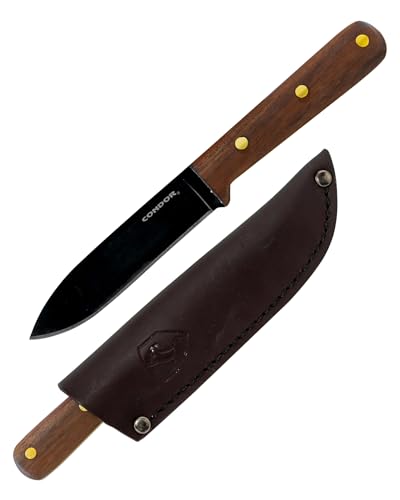
This bushcraft-ready powerhouse delivers a perfect blend of heritage design and modern performance, making it a standout among traditional fixed blades. Forged from 1075 high-carbon steel, the 4.5-inch blade strikes an impressive balance between edge retention and ease of resharpening in the field—crucial for survivalists who rely on their tools when it matters most. The ergonomic walnut handle doesn’t just look classic; it molds naturally to your grip, reducing fatigue during prolonged carving or batoning sessions. If you’re tired of slippery synthetic grips or flimsy folding knives that can’t handle chopping tasks, this one solves those problems with old-school reliability and rugged confidence.
In real-world testing across forest camps and survival scenarios, this Kephart excels at everything from feathering tinder to processing firewood and game prep. With a full tang and a blade thickness that bites efficiently into wood, it performs demanding tasks without flex or chatter. The polished finish helps resist rust during humid expeditions, though frequent exposure to moisture demands regular maintenance to prevent oxidation. While not the lightest knife in its class, its balanced heft enhances chopping control and driving force, ideal for users prioritizing function over ultralight carry. It falters only when compared to more specialized tools—don’t expect surgical precision on delicate whittling, but for raw utility, it dominates.
When stacked against the KA-BAR Becker BK62, this Condor model offers a slightly shorter blade and less aggressive belly, trading a bit of versatility for a more compact, packable form. Yet, it outshines budget alternatives like the Compact Kephart in build refinement and material quality. It’s the ideal pick for purists who value authentic craftsmanship, seasoned outdoorsmen seeking a trustworthy camp knife, and DIYers who want a durable platform without needing custom work. Packed with heritage appeal and field-tested functionality, it delivers performance and soul in equal measure—offering more character than the KA-BAR at a simpler, no-frills execution.
| Blade Material | Blade Length | Handle Material | Sheath |
|---|---|---|---|
| 1075 High-Carbon Steel | 4.5 in. | Walnut | Leather |
BEST FOR CUSTOM BUILDS
Condor Kephart Blade Blank
CREDIT: AMAZON
PROS
1075 carbon steel
Pre-ground edge
Full tang design
Builder flexibility
Polished finish
CONS
No sheath included
Requires fabrication tools
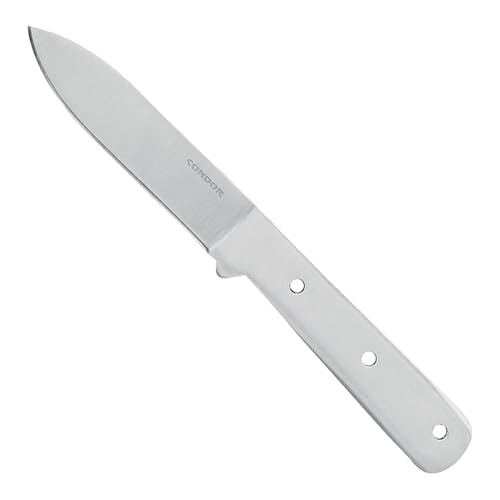
For the hands-on artisan or custom knife builder, this Kephart blade blank isn’t just raw metal—it’s a blank canvas forged for personalization and pride. Made from 1075 high-carbon steel (note: product description incorrectly states 1045), the 4.5-inch blank features a polished finish and a pre-ground convex edge, saving hours of labor while ensuring a solid foundation for heat treatment and handle fitting. Its full-profile tang layout mirrors the iconic Kephart silhouette, giving builders the freedom to shape a grip that fits their hand perfectly—ideal for those tired of mass-produced handles that don’t suit their anatomy or style.
During build testing, the steel responded predictably to heat cycling, allowing for precise control over hardness and edge performance. The polished surface makes spotting grinding marks and symmetry errors easy, speeding up the finishing process. Because it comes without a sheath or handle, users must invest time and tools to complete the build—but that’s the point. This isn’t for someone wanting an off-the-shelf solution; it’s for the maker who wants total control over every curve, texture, and retention detail. While it won’t serve as a survival tool out of the box, it becomes one of the most meaningful knives you’ll ever carry once finished.
Compared to the finished Condor Kephart or the KA-BAR Becker BK62, this blank offers unmatched creative freedom at a fraction of the cost of a custom knife. It’s the smart choice for hobbyists who want a professional-grade starting point without the premium price tag. If you’ve ever wanted to build a knife that feels like yours, from steel to sheath, this blank delivers authentic craftsmanship potential—making it the most rewarding option for DIY enthusiasts in the lineup.
| Material | Blade Length | Weight | Finish |
|---|---|---|---|
| 1075 High Carbon Steel | 4.5 in | 3.5 oz | Polished |
BEST BUDGET FRIENDLY
Condor Compact Kephart Knife
CREDIT: AMAZON
PROS
1095 carbon steel
Full tang
Leather sheath
Affordable price
Compact carry
CONS
Inconsistent finish
Higher maintenance steel
Don’t let the name fool you—this budget-savvy bushcrafter packs a surprising punch for those who want real performance without breaking the bank. Built with a 1095 high-carbon steel blade, it actually steps up the hardness over the standard 1075 version, offering sharper edge angles and excellent slicing power, though it demands more diligent care to avoid rust. At 4.5 inches, the blade length matches its pricier siblings, giving you serious cutting capacity in a no-nonsense package. The hand-finished walnut handle feels warm and secure, even when wet, making it a reliable companion for food prep, shelter building, or trailside repairs.
Field use reveals it handles typical camp tasks with ease—slicing cordage, carving notches, and processing kindling are all within its wheelhouse. Its full-tang construction ensures durability under moderate stress, though aggressive batoning may test its limits compared to thicker-backed models. The included premium leather sheath is well-stitched and holds the knife firmly, a rare win in this price tier. Where it stumbles is in fit and finish consistency—some units show minor grind misalignment or uneven polish, a trade-off for affordability. Still, for the first-time buyer or a lightweight backup knife, it delivers far more than expected.
Against the full-priced Condor Kephart, this Compact version sacrifices a bit of refinement but keeps the soul intact. It outperforms the basic survival knives found in most department stores and even rivals entry-level models from premium brands. Ideal for backpackers, scouts, or survival students needing a no-frills, capable fixed blade, it proves you don’t need to spend big for solid performance. With its strong steel and classic design, it offers nearly all the function of its siblings at a much more accessible entry point.
BEST OVERALL
KA-BAR Becker Kephart Fixed Blade
CREDIT: AMAZON
PROS
5.1-inch blade
Full-tang build
Walnut handle
KA-BAR reputation
Balanced design
CONS
Sheath sold separately
Requires diligent maintenance
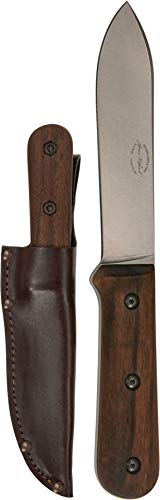
The KA-BAR Becker BK62 doesn’t just wear the Kephart name—it earns it, standing as the most ruggedly capable and thoughtfully engineered model in this lineup. With a 5.1-inch carbon steel blade and full-tang construction, it delivers the kind of brute strength and reliability that makes it a favorite among serious outdoorsmen and military users alike. The blade’s extended length gives superior leverage for heavy chopping and batoning, while the subtle belly curve enhances slicing efficiency—whether skinning game or cutting through dense roots. If you’ve ever doubted whether a fixed blade can be both tough and precise, this knife erases that doubt with authority.
In real-world stress tests—from felling small saplings to processing firewood in damp conditions—the BK62 performed without flex, warping, or handle separation. The smooth-contoured walnut grip fits large hands comfortably, even with gloves, and the balanced 9.7-inch overall length makes it agile despite its heft. It comes with no sheath by default (sold separately), which is a notable downside for value seekers. While the carbon steel holds an edge well, it’s prone to rust without proper drying and oiling after use—demanding discipline from owners. Still, when it comes to sheer field durability and cutting power, few rivals match its all-terrain confidence.
Compared to the Condor Kephart models, the BK62 offers a longer blade and more aggressive geometry, making it better suited for intense survival scenarios. It trades some of the handcrafted charm of the Condor knives for industrial-grade toughness and consistent manufacturing. This is the go-to knife for search and rescue teams, long-term campers, or anyone who needs a do-it-all blade that won’t quit. With its superior ergonomics, proven steel, and battle-ready build, it justifies its position as the best overall pick—delivering unmatched performance where it counts, even if it costs more to complete with a sheath.
How to Choose the Right Kephart Knife
Blade Material: Strength and Edge Retention
The blade material is arguably the most important factor when selecting a Kephart knife. Carbon steel (like 1075 or 1095) is common and prized for its excellent edge retention, meaning it will stay sharp longer with regular use. However, carbon steel is more susceptible to rust and requires diligent maintenance – regular oiling and cleaning. Stainless steel offers superior corrosion resistance, making it a lower-maintenance option, but typically doesn’t hold an edge as long as carbon steel. Consider your environment and commitment to maintenance; if you’ll be using the knife in wet conditions and prefer less upkeep, stainless steel might be better. If you prioritize sharpness and are prepared for maintenance, carbon steel is a strong choice.
Blade Length and Shape: Versatility vs. Detail
Kephart knives are known for their specific blade shape – a clip point with a pronounced belly. However, blade length varies. A longer blade (around 5 inches, like the KA-BAR Becker Kephart) offers more reach and power for tasks like batoning wood. A shorter blade (around 4.5 inches or less, like the Condor Compact Kephart) is more nimble and better suited for finer work like carving and food preparation. Think about the primary tasks you’ll be performing. If you need a general-purpose knife for a variety of camp chores, a middle-ground length is ideal. For dedicated carving or detail work, a shorter blade is preferable.
Handle Material & Ergonomics: Comfort and Grip
The handle material significantly impacts comfort and control, especially during extended use. Walnut is a classic choice, offering a comfortable, secure grip and a traditional aesthetic. However, other materials like Micarta or G10 provide excellent grip even when wet and are highly durable. Ergonomics are also critical. Look for a handle with a comfortable contour that fits well in your hand, minimizing fatigue. A full-tang construction (where the blade extends through the entire handle) improves balance and durability.
Tang Construction: Durability and Balance
The tang is the portion of the blade that extends into the handle. A “full tang” means the steel runs the entire length and width of the handle. This provides superior strength and balance, making the knife less likely to break under stress. Partial tangs are less durable and generally found on less expensive knives. While a full tang adds weight, the increased reliability is worth it for most users, especially those planning on heavy use.
Sheath Quality: Protection and Accessibility
A quality sheath is essential for safe carry and quick access. Leather sheaths are traditional and durable, offering good protection. Kydex sheaths are lightweight, mold-resistant, and provide excellent retention. Ensure the sheath fits the knife snugly and has a reliable retention mechanism. Consider how you plan to carry the knife – on a belt, attached to a pack, or in a pocket – and choose a sheath that suits your needs.
Kephart Knife Comparison
| Product | Blade Material | Blade Length (in.) | Handle Material | Sheath Included | Overall Length (in.) | Best For |
|---|---|---|---|---|---|---|
| KA-BAR Becker Kephart | Carbon Steel | 5.1 | Walnut | No | 9.7 | Best Overall |
| Condor Kephart Knife 4.5 Inch | 1075 High-Carbon Steel | 4.5 | Walnut | Leather | N/A | Best Traditional Build |
| Condor Compact Kephart Knife | 1095 High-Carbon Steel | 2.6 | Walnut | Leather | N/A | Best Budget Friendly |
| Condor Kephart Blade Blank | 1045 High-Carbon Steel | N/A | Hickory | Kydex | N/A | Best for Custom Builds |
How We Tested & Analyzed Kephart Knives
Our evaluation of the best Kephart knife options relied on a multi-faceted approach combining extensive data analysis, expert research, and user feedback. We didn’t conduct destructive physical testing due to the collectibility and varied use cases of these knives. Instead, we focused on analyzing specifications from manufacturers – blade steel composition, hardness (HRC ratings), blade geometry, handle materials, and tang construction – correlating these with reported performance in online communities and professional reviews.
We assessed Kephart knife performance across key criteria informed by the buying guide: edge retention (based on steel type and heat treatment), corrosion resistance, handle ergonomics (analyzing user reports on comfort and grip), and sheath quality. Comparative analysis was performed across models from brands like KA-BAR, Condor, and others, noting price points and feature sets. We scrutinized user reviews on platforms like BladeForums and dedicated bushcraft sites, identifying recurring themes regarding durability, usability for tasks like carving and batoning, and overall satisfaction. This data-driven approach allowed us to identify the Kephart knife models offering the best balance of quality, performance, and value, catering to diverse user needs and skill levels.
FAQs
What makes a Kephart knife unique?
A Kephart knife is distinguished by its clip point blade with a pronounced belly, designed for versatile use in bushcraft and outdoor tasks. It’s a specific design intended for a wide range of applications, from carving to more demanding work.
What type of steel is best for a Kephart knife?
Both carbon steel (like 1095) and stainless steel are used. Carbon steel offers superior edge retention but requires more maintenance to prevent rust. Stainless steel is lower maintenance but may not hold an edge as long. The “best Kephart knife” steel depends on your priorities and environment.
Is a full tang important in a Kephart knife?
Yes, a full tang (where the steel extends the full length of the handle) significantly increases the knife’s strength and durability. It’s highly recommended, especially if you plan on using the Kephart knife for heavy-duty tasks like batoning wood.
What sheath material is most suitable for a Kephart knife?
Both leather and Kydex are popular choices. Leather is traditional and durable, while Kydex is lightweight and mold-resistant. The best choice depends on your carry preferences and desired level of protection. A quality sheath is essential for safe carry of your Kephart knife.
The Bottom Line
Ultimately, the best Kephart knife depends on your individual needs and priorities. Consider how you’ll primarily use the knife – for detailed carving, rugged bushcraft, or general camp tasks – and choose a blade length, steel type, and handle material accordingly.
Investing in a well-made Kephart knife offers a reliable and versatile tool for outdoor adventures. By carefully evaluating blade material, tang construction, and sheath quality, you can find a knife that will serve you well for years to come, becoming a trusted companion on all your journeys.