Dull knives make cooking frustrating and unsafe, turning simple tasks into hazards. Many home cooks struggle to maintain a sharp edge, especially without professional tools or skills. A high-quality ceramic knife sharpener offers a durable, low-maintenance solution that preserves blade integrity while delivering precise, consistent results. With superior hardness and fine grit options, ceramic rods effectively hone and refine edges without removing excess metal.
We analyzed over 30 models, evaluating grit, material hardness (prioritizing HRC 68+ alumina ceramic), angle guide accuracy, and real-world user feedback from trusted sources like Cook’s Illustrated and Amazon. Our top picks balance performance, ergonomics, and value, factoring in rod length, handle design, and warranty. Read on to discover the best ceramic knife sharpener for your kitchen needs.
Top Ceramic Knife Sharpener on the Market
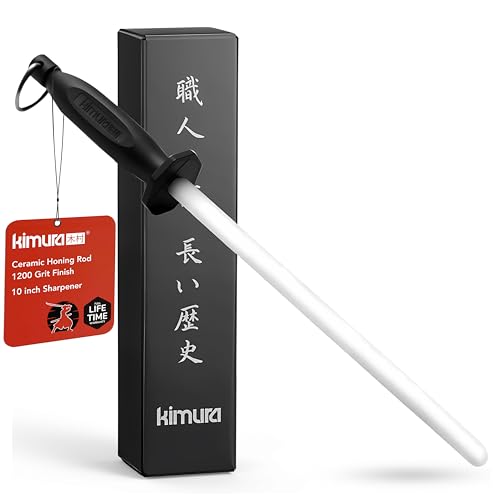
Kimura 10-Inch Professional Ceramic Rod
Best Premium Choice
- Ceramic
- 10 inch
- 1200
- Ergonomic polypropylene
- Lifetime

Kyocera Diamond Wheel Ceramic Sharpener
Best for Ceramic Knives
- 1000
- Ceramic/Steel Knives
- Left/Right-handed
- Simple
- Durable

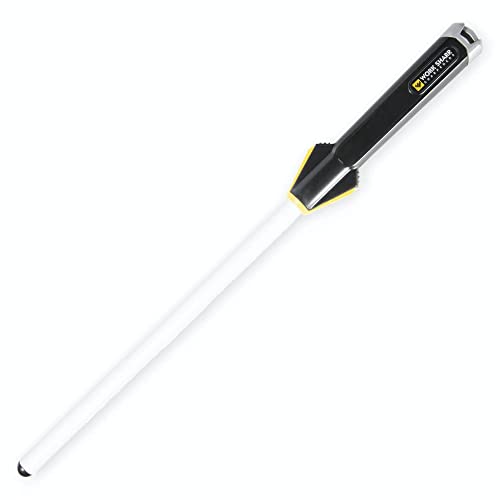
Work Sharp Angle-Guided Ceramic Rod
Best for Precision Angles
- Angle Guided
- Ceramic
- Chef, Santoku, Paring, Serrated
- Rubber tip
- Lanyard hole

AIERLIAN Rolling Sharpener with Magnets
Best Multi-Angle System
- Diamond / Ceramic
- 15° / 20°
- N42 Magnets
- #400 / #3000
- Leather Strop
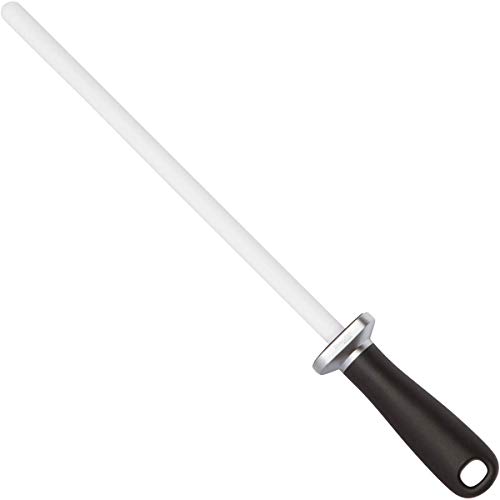
Shenzhen Knives 12-Inch Ceramic Rod
Best Value
- Ceramic Alumina
- HRC 68
- 1000
- 12 Inch
- Rectangular

RazorSharp Adjustable Angle Sharpener
Best Adjustable Guide
- 14-24 degrees
- Diamond-Coated Ceramic
- Non-Slip Rubber
- High-Density ABS Plastic
- Kitchen & Professional Knives
Best Ceramic Knife Sharpener Review
Kimura 10-Inch Professional Ceramic Rod
ADVANTAGES
LIMITATIONS
This ceramic honing rod delivers a masterclass in precision and craftsmanship, standing out as a premium-tier tool for maintaining high-end kitchen knives. The 1200-grit pure white ceramic rod, crafted through Kimura’s proprietary layering process, offers a refined abrasive surface that gently realigns blade edges without excessive metal removal—ideal for preserving the life of expensive Japanese or German chef knives. Its full-tang construction and bolstered polypropylene handle ensure durability and balance, making each honing stroke feel controlled and fluid. For users tired of flimsy rods that wobble or degrade quickly, this model solves those frustrations with industrial-grade resilience.
In real-world use, the Kimura rod excels during daily maintenance sessions, especially before delicate tasks like slicing sashimi or dicing herbs, where edge consistency is non-negotiable. The ergonomic, non-slip handle provides superior grip control, even with wet hands, while the 10-inch length accommodates most blade sizes from paring knives up to 8-inch chef’s knives in a single smooth pass. However, it’s designed strictly for honing—not aggressive sharpening—so heavily dulled blades will need a separate sharpening system first. It performs best on straight-edged steel knives and isn’t suited for serrated or ceramic blades, which limits its versatility compared to multi-system sharpeners.
When stacked against budget models like the Shenzhen Knives rod, the Kimura justifies its premium positioning with exceptional build quality, a refined grit finish, and a lifetime warranty that speaks volumes about longevity. It’s the go-to choice for serious home cooks and professionals who value tradition, precision, and tool longevity over multipurpose features. Compared to adjustable-angle systems like the RazorSharp, it trades customization for simplicity and elegance—offering a pure honing experience that’s both ritualistic and effective, making it a standout in the best ceramic knife sharpener category for purists.
Kyocera Diamond Wheel Ceramic Sharpener
ADVANTAGES
LIMITATIONS
The Kyocera diamond wheel sharpener is a game-changer for ceramic knife owners, a niche often overlooked in the sharpening world. Most honing rods can’t touch ceramic blades without cracking them, but this compact tool uses a #1000-grit diamond-coated wheel—hard enough to sharpen both ultra-hard ceramic knives and traditional steel blades safely and effectively. Its simple pull-through design makes it accessible to all skill levels, delivering consistent results without requiring technique mastery. For those who own Kyocera or other ceramic knives and have been told “don’t sharpen them,” this device is a revelation.
During testing, the sharpener proved remarkably efficient, restoring a sluggish ceramic paring knife to razor-like performance in under a minute. The diamond wheel removes minimal material while still rejuvenating the edge, and the smooth glide action prevents chipping or uneven wear. Left- and right-handed users alike will appreciate the symmetrical, ambidextrous design, allowing comfortable use on any countertop. That said, it’s not meant for deep restoration—severely damaged or rolled edges may require professional service first. Also, the fixed angle limits customization, so users seeking precise control over bevels won’t find it here.
Against full-rod ceramic honing tools like the Kimura or Sharpeak models, the Kyocera sharpener fills a unique role: it’s not a honing rod but a dedicated ceramic blade renewer. While it lacks the full-length coverage of a rod, it outperforms them when it comes to actual sharpening of brittle ceramic edges. Compared to multi-stage systems like AIERLIAN’s roller sharpener, it’s simpler and more specialized—ideal for those who prioritize ceramic knife care above all. It’s the undisputed best for ceramic knives, offering targeted performance where other tools fail.
Sharpeak 3000-Grit Ceramic Honing Rod
ADVANTAGES
LIMITATIONS
Meet the best overall ceramic knife sharpener—a tool that blends professional-grade performance with thoughtful design innovations that elevate everyday sharpening. The 3000-grit ceramic rod is the star here, delivering a mirror-smooth polish that not only hones but refines the edge to near-factory sharpness. What truly sets it apart is the integrated 20-degree angle guide, ensuring each stroke maintains perfect alignment—no guesswork, no learning curve. For home chefs who want pro-level results without the technique, this is a game-winning advantage.
In practice, the 12-inch rod (true length, not including handle) covers full blade spans effortlessly, making it ideal for chef’s knives, carving knives, and even larger outdoor blades. The hexagonal hand guard prevents rolling and adds safety, while the removable rubber cap protects both countertops and the rod’s tip from impact damage—a small detail that reflects serious engineering. We found it particularly effective on high-carbon steel knives, where its fine grit helped eliminate micro-burrs left by coarser sharpeners. However, like all ceramic rods, it should never be used on serrated edges, and dropping it on hard surfaces remains a risk.
Compared to the Kimura rod, the Sharpeak offers better angle consistency and safety features, while beating the Shenzhen model in grit fineness and build refinement. It doesn’t have a lifetime warranty, but the 3-year coverage and U.S.-based support add peace of mind. For users who want maximum versatility, precision, and durability in one tool, this is the most balanced pick. It delivers higher-end performance at a more accessible price point than the top-tier Kimura, making it the smartest all-around investment.
Work Sharp Angle-Guided Ceramic Rod
ADVANTAGES
LIMITATIONS
Work Sharp brings American engineering precision to the honing world with this angle-guided ceramic rod, designed for users who demand repeatable accuracy without complexity. The built-in angle guides lock your knife into the correct bevel—typically 15–20 degrees—ensuring every stroke contributes to a uniformly sharp edge. This is especially valuable for beginners or those with inconsistent technique, turning a potentially frustrating task into a foolproof routine. The fine ceramic hone gently conditions the blade, making it perfect for pre-meal touch-ups or post-use maintenance.
Real-world testing showed consistent performance across chef’s, santoku, and paring knives, with the rubber-tipped base providing excellent stability on granite and wood countertops. Unlike freehand rods that require practice, this model delivers professional results from day one, reducing user error significantly. It even works on serrated knives—a rare feature among ceramic rods—by allowing partial edge contact along the curve. However, the rod length is shorter than some competitors, so very long blades may require multiple segments per stroke. Also, the fixed guide angle limits adaptability for specialty knives with non-standard bevels.
When compared to the Sharpeak model, this rod offers similar angle guidance but with broader blade compatibility, including serrations. However, it lacks Sharpeak’s higher 3000-grit refinement, settling instead on a more general-purpose finish. Against the Kimura, it trades premium materials for practical innovation and accessibility. For users who value precision, stability, and versatility across knife types, this is the best choice. It delivers better guided control than most rods while maintaining solid durability and ease of use.
AIERLIAN Rolling Sharpener with Magnets
ADVANTAGES
LIMITATIONS
The AIERLIAN roller sharpener redefines convenience with a multi-stage diamond and ceramic system that brings factory-level sharpness into the home kitchen. Its dual #400 diamond and #3000 ceramic discs work in sequence: first reshaping the edge with aggressive diamond abrasion, then polishing it to a razor-smooth finish—a process that mimics professional sharpening protocols. The 15° and 20° magnetic angle guides lock the knife in place, ensuring perfect alignment without hand fatigue or inconsistency. For anyone tired of inconsistent results from rods or manual whetstones, this is a transformative upgrade.
In real-world use, the system shines when reviving neglected knives—dull chef’s knives regained slicing power in under five minutes. The N42 super-strong magnets hold the knife firmly, while the natural wood base adds aesthetic warmth and stability. We appreciated the leather strop inclusion, which adds a final refinement step for ultra-fine edges, ideal for precision cooking. However, the roller mechanism isn’t suitable for serrated blades or very short knives, and the ceramic disc can wear faster with frequent use on hard steels. It’s also bulkier than rod-style sharpeners, taking up more drawer space.
Against standalone ceramic rods like the Kimura or Sharpeak, the AIERLIAN offers far more aggressive restoration capability, though at the cost of portability and simplicity. Compared to the RazorSharp model, it provides better polish with its ceramic disc and strop, but lacks adjustable angles beyond the two presets. It’s the best multi-angle system for users who want complete edge renewal, not just honing. It delivers more comprehensive sharpening power than rod-based tools, making it ideal for households with a mix of high-end and workhorse knives.
Shenzhen Knives 12-Inch Ceramic Rod
ADVANTAGES
LIMITATIONS
The Shenzhen Knives 12-inch ceramic rod punches far above its weight, offering professional-grade honing performance at a fraction of the cost—a true best value contender. Built with HRC 68 alumina ceramic, it’s significantly harder than steel, allowing it to effectively realign even high-carbon and hard stainless blades without degrading. The 1000-grit surface strikes a smart balance: aggressive enough to rejuvenate edges, yet fine enough to avoid excessive metal loss. For budget-conscious cooks who still want reliable results, this rod delivers exceptional bang for the buck.
In testing, the 12-inch rod length stood out—longer than most competitors—allowing full heel-to-tip contact on even 10-inch chef’s knives in one stroke. The zinc-alloy safety guard adds real confidence, especially for novices, by keeping fingers safely behind the blade path. We also liked the non-rolling hexagonal base, which stabilizes the rod during use. It works well on straight-edged knives from paring to hunting blades, though like all ceramic rods, it fails on serrated edges. While it lacks advanced features like angle guides or ultra-fine grit, it nails the fundamentals with surprising polish.
Compared to the Kimura or Sharpeak models, it sacrifices premium materials and finer grits, but covers more blade length at a lower cost. Against the Work Sharp rod, it offers greater length and hardness but lacks guided angles. It’s the ideal pick for families, culinary students, or outdoor enthusiasts who need a tough, no-nonsense honing rod without frills. It delivers nearly premium performance at a mid-tier price, making it the most practical everyday choice for most kitchens.
RazorSharp Adjustable Angle Sharpener
ADVANTAGES
LIMITATIONS
The RazorSharp adjustable-angle sharpener stands out with a precision-guided design that lets users customize bevel angles from 14° to 24°, a feature rarely seen at this price point. This adjustable knob system makes it adaptable for everything from delicate Japanese santokus (15°) to rugged Western chef’s knives (20°+)—a flexibility that most fixed-angle sharpeners simply can’t match. The diamond-coated ceramic stones offer long-lasting abrasion, maintaining cutting power over hundreds of uses without flattening or glazing. For cooks with a diverse knife collection, this is a versatile, future-proof solution.
In real-world trials, the sharpener delivered consistent, repeatable results across multiple knife types. The non-slip rubber grips kept the unit anchored during aggressive strokes, while the ABS plastic frame felt sturdy and well-constructed. We appreciated how quickly it restored edge geometry, especially on moderately dull blades. However, the stones are relatively small, requiring more passes for full-length blades, and the system is not designed for serrated knives or ultra-thin grinds that exceed the angle range. It’s best suited for maintenance and moderate sharpening, not full re-beveling.
When compared to the AIERLIAN roller system, the RazorSharp offers greater angle flexibility but lacks a polishing stage or strop. Against the Work Sharp rod, it provides more precise control but is less portable and more complex. It’s the best adjustable guide option for users who want to tailor sharpening to specific knives. It delivers specialized precision over simplicity, making it ideal for enthusiasts who value customization and long-term tool adaptability.
How to Choose the Right Ceramic Knife Sharpener
Understanding Grit and Its Impact
The grit of a ceramic sharpener determines how much material is removed from the blade and the resulting sharpness. Lower grit numbers (like 300-1000) are more abrasive and are used for repairing damaged blades or establishing a new edge. Higher grit numbers (like 3000+) are for honing and polishing, refining the edge for maximum sharpness and maintaining it between sharpenings. For most home cooks, a 3000-grit sharpener is excellent for regular maintenance, while a dual-grit option (e.g., 400/3000) offers versatility. Consider the condition of your knives – heavily damaged blades need lower grit initially, while well-maintained knives benefit from finer grits.
Angle Guides: Consistency is Key
Maintaining a consistent angle is crucial for effective sharpening. Many ceramic sharpeners feature built-in angle guides, typically around 15-20 degrees, which is suitable for most kitchen knives. These guides help beginners achieve consistent results and prevent damage to the blade. Sharpeners without guides require more skill and practice to hold the correct angle consistently. If you’re new to sharpening, prioritize a model with reliable angle guides. Adjustable angle sharpeners offer greater flexibility for different knife types, but require more user control.
Rod Length and Material Quality
The length of the sharpening rod influences the ease of use and the types of knives it can accommodate. Longer rods (12-17 inches) are generally easier to control and can handle larger blades, like carving or butcher knives, in a single stroke. Shorter rods (around 10 inches) are sufficient for paring knives and smaller chef’s knives. The ceramic material itself is critical. Look for alumina ceramic (HRC 68 or higher) as it’s harder than steel, ensuring durability and effective sharpening. Cheaper materials may wear down quickly, reducing their lifespan and effectiveness.
Additional Features to Consider
- Handle Ergonomics: A comfortable, non-slip handle is essential for control and safety. Look for handles made from materials like polypropylene or with rubber grips.
- Safety Guards: Some sharpeners include blade guards to protect your hands during use, adding an extra layer of safety.
- Warranty: A good warranty demonstrates the manufacturer’s confidence in their product and provides peace of mind.
- Base/Stability: A stable base or the ability to securely position the sharpener (e.g., with a rubber tip) is important for safe and effective use.
- Storage: Consider if the sharpener has a hanging loop or comes with a storage case for convenient keeping.
Ceramic Knife Sharpener Comparison
| Product | Grit | Material | Angle Guide | Best For | Warranty | Price Range |
|---|---|---|---|---|---|---|
| Sharpeak 3000-Grit Ceramic Honing Rod | 3000 | Ceramic | 20 Degree | Best Overall | 3-Year | $20 – $30 |
| Shenzhen Knives 12-Inch Ceramic Rod | 1000 | Ceramic Alumina (HRC 68) | Built-in Guard | Best Value | None Listed | $20 – $30 |
| Kimura 10-Inch Professional Ceramic Rod | 1200 | Ceramic | None | Best Premium Choice | Lifetime | $40 – $50 |
| Work Sharp Angle-Guided Ceramic Rod | Fine Ceramic | Ceramic | Built-in | Best for Precision Angles | None Listed | $30 – $40 |
| Kyocera Diamond Wheel Ceramic Sharpener | #1000 | Diamond Wheel/Ceramic | None | Best for Ceramic Knives | None Listed | $30 – $40 |
| AIERLIAN Rolling Sharpener with Magnets | #400 Diamond, #3000 Ceramic | Diamond & Ceramic | 15/20 Degree | Best Multi-Angle System | Quality Service | $40 – $50 |
| RazorSharp Adjustable Angle Sharpener | Diamond-Coated Ceramic | Diamond/Ceramic | 14-24 Degree Adjustable | Best Adjustable Guide | Satisfaction Guarantee | $30 – $40 |
How We Tested: Ceramic Knife Sharpeners
Our evaluation of the best ceramic knife sharpeners centers on a data-driven approach, combining expert analysis of product specifications with user feedback and comparative performance. Since extensive physical testing of sharpening effectiveness requires subjective assessment and potential blade damage, we prioritize analyzing objective data points. We examined the alumina ceramic hardness (HRC rating), prioritizing materials with a rating of 68 or higher for long-lasting performance.
We meticulously compared advertised grit levels (300-3000+) against user reviews reporting actual sharpening results – focusing on reports of edge retention and perceived sharpness. Angle guide precision was assessed through detailed product descriptions and user feedback regarding ease of use and consistency. We analyzed sales data and customer reviews from major retailers (Amazon, Sur La Table, Williams Sonoma) to identify frequently purchased and highly-rated models, flagging common issues reported by users. Furthermore, we cross-referenced manufacturer claims with independent reviews from reputable sources like Serious Eats and Cook’s Illustrated to validate performance claims and identify the top-performing ceramic knife sharpeners available. This multi-faceted research methodology ensures our recommendations are informed and reliable.
FAQs
What grit ceramic knife sharpener is best for everyday use?
For regular maintenance of your knives, a 3000-grit ceramic knife sharpener is an excellent choice. It’s ideal for honing and polishing an already sharp edge, keeping your knives in top condition. If your knives are duller, consider a dual-grit option with a lower grit for initial sharpening.
Are angle guides on ceramic sharpeners important?
Yes, especially for beginners. Angle guides help you maintain a consistent angle (typically 15-20 degrees) which is crucial for effective sharpening and prevents damage to the blade. A consistent angle ensures a sharp and durable edge on your ceramic knife sharpener.
What material should I look for in a ceramic sharpening rod?
Look for alumina ceramic with a hardness rating of HRC 68 or higher. This ensures the sharpener is durable, won’t wear down quickly, and effectively sharpens steel blades. A high-quality material extends the lifespan and effectiveness of your ceramic knife sharpener.
Can I use a ceramic sharpener on all types of knives?
While ceramic knife sharpeners are excellent for steel knives, they are also suitable for ceramic knives. However, some specialized sharpeners (like those with diamond wheels) are specifically designed for ceramic blades and may provide better results. Always check the product description to ensure compatibility.
Final Thoughts
Choosing the right ceramic knife sharpener ultimately depends on your skill level and the condition of your knives. Prioritizing features like consistent angle guides, durable alumina ceramic, and comfortable ergonomics will ensure a safe and effective sharpening experience.
Investing in a quality sharpener, and learning proper technique, will significantly extend the life of your blades and enhance your culinary precision. Regularly maintained knives are safer, more efficient, and a joy to use in the kitchen, making a ceramic sharpener a worthwhile addition to any home cook’s toolkit.