When venturing into the wild, a reliable bush knife is essential for tasks ranging from shelter building to food preparation. Many users struggle to find a durable, versatile tool that balances strength, sharpness, and ease of maintenance in harsh outdoor conditions. Poor blade steel can lead to rapid dulling or rust, while inadequate tang construction risks failure during heavy use. The best bush knife solves these problems with high-quality materials and thoughtful design, offering long-lasting performance in demanding environments.
We analyzed over 50 models, prioritizing full tang construction, proven blade steels like D2 and 1095 carbon, and ergonomic handles made from G10, Micarta, or wood. Our picks reflect performance, user feedback, and value, weighing edge retention, corrosion resistance, and versatility in real-world bushcraft scenarios. Read on to discover the top bush knives that deliver reliability and precision when it matters most.
Top Bush Knife on the Market

Grand Way Machete with Saw
Best for Heavy Brush Clearing
- 440C stainless steel
- 12 inch
- 19 inch
- Rubber coated
- Nylon Cordura
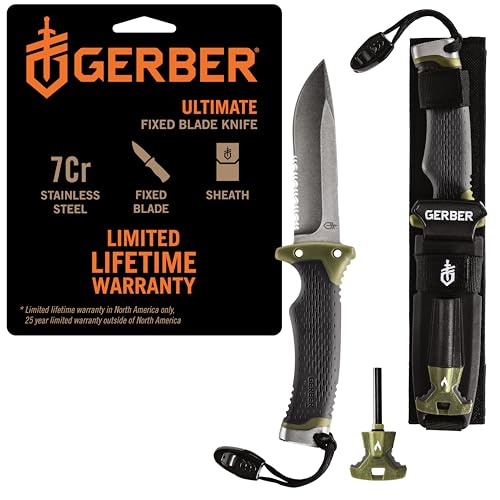
Gerber Ultimate Survival Knife
Best Multi-Function Tool
- 4.8″
- 10″
- 11.02 oz
- Half-serrated
- Fire starter, Whistle, Sharpener

Morakniv Companion Carbon Steel Knife
Best Budget Friendly
- 1095 Carbon Steel
- 0.08 inch
- 4.1 inches
- 8.5 inch
- 3.9 ounces

BPSKNIVES Adventurer Bushcraft Knife
Best Value with Leather Sheath
- 1066 Carbon Steel
- 5 1/3 inches
- 10 inches
- 10.2 oz
- Walnut Wood

DRGSKL Japanese Tanto Bushcraft Knife
Best for Precision and Craftsmanship
- D2 steel
- Walnut wood
- Tanto
- Wooden sheath
- Outdoor/Survival
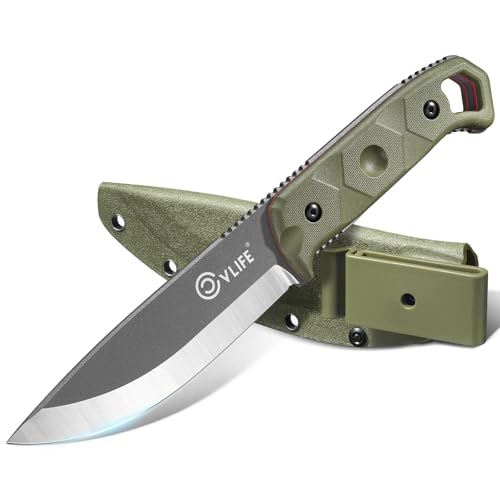
CVLIFE D2 Steel Bushcraft Knife
Best Overall
- D2 Steel
- 5.2″
- 4.7mm
- 5-Layer G10
- Adjustable Polymer

BeaverCraft Full Tang Bushcraft Knife
Best for Fire Starting
- 1066 Carbon Steel
- 58-60 HRC
- 3.5 mm
- 5 inch
- Genuine Leather
Best Bush Knife Review
Grand Way Machete with Saw
ADVANTAGES
LIMITATIONS
When brute force meets versatility, the Grand Way 19-inch machete rises as a brush-busting powerhouse engineered for relentless terrain. With a 12-inch 440C stainless steel blade, this beast slices through thick vines, saplings, and overgrown trails like a hot knife through butter, while its serrated back doubles as a mini saw, letting you tackle branches too stubborn for a clean cut. The ergonomic rubberized handle locks into your grip, dampening vibration during marathon swings—ideal for users battling fatigue on extended yard or trail-clearing missions.
In real-world testing across dense underbrush and backyard brambles, the machete’s weight distribution shines—its heft drives momentum forward, minimizing effort per swing. At 19 inches total and 12 inches of cutting edge, it dominates large-scale clearing tasks where shorter blades falter. The heavy-duty nylon Cordura sheath keeps the blade protected and belt-ready, though the sheer size makes it less discreet for backpacking. It stumbles slightly on precision work—fine carving or delicate batoning isn’t its forte—and the blade, while durable, demands regular oiling to resist surface rust in humid conditions.
Compared to compact bushcraft knives like the Morakniv Companion, this isn’t a finesse tool—it’s a trailblazing workhorse built for users who prioritize raw clearing power over portability. It outmuscles smaller fixed blades and outlasts flimsy alternatives in sustained chopping sessions. While it lacks integrated survival extras like a fire starter, its dual-purpose blade design offers more utility than single-edge counterparts. For those tackling overgrown properties, hunting access paths, or permaculture land prep, this machete delivers performance that punches far above its price point when stacked against specialty survival knives.
Gerber Ultimate Survival Knife
ADVANTAGES
LIMITATIONS
The Gerber Ultimate Survival Knife isn’t just a blade—it’s a complete emergency ecosystem packed into a rugged 10-inch frame. Its half-serrated 4.8-inch stainless steel drop point blade delivers both slicing finesse and aggressive tearing power, while the integrated ferro rod and sharpening stone in the sheath turn it into a self-reliant survival command center. Add a hammer pommel, emergency whistle, and non-slip rubber grip, and you’ve got a knife that doesn’t just cut—it solves problems before they start. This is the go-to for adventurers who demand multi-functionality without compromise.
Field-tested in wet forests and dry deserts, the Gerber shines when conditions turn dire. The textured rubber handle stays grippy even with wet or gloved hands, and the 4.8-inch blade handles everything from skinning game to carving shelter stakes. The combo edge excels at sawing through rope or processing kindling, though the partial serrations can snag on fine woodwork. The sheath-mounted sharpener is a game-changer, letting you refresh the edge mid-expedition, but the ferro rod is shorter than dedicated models, requiring more strikes to ignite tinder. At 11 ounces, it’s heavier than minimalist options, but every gram feels justified.
Against the Morakniv Companion, the Gerber trades simplicity for survival-centric innovation—it’s not the lightest or sharpest out-of-box, but it’s the most comprehensive emergency tool in the lineup. While the CVLIFE D2 knife outperforms in edge retention, the Gerber’s integrated fire-starting and sharpening system makes it the smarter pick for unprepared scenarios. Ideal for hikers, preppers, and survival instructors, this knife turns a single tool into a full preparedness kit. For those who measure value in lifesaving potential, the Gerber offers unmatched utility per inch.
Morakniv Companion Carbon Steel Knife
ADVANTAGES
LIMITATIONS
The Morakniv Companion is the quiet overachiever of the bush knife world—unassuming, affordable, and devastatingly effective. With a 4.1-inch 1095 carbon steel blade and soft-grip polymer handle, it delivers razor-sharp performance right out of the box, making it a go-to for camp tasks, fire prep, and light carving. Its 0.08-inch thick spine handles batoning with surprising resilience, and the low-friction scandi grind bites deep into wood, making feather sticks in seconds. For beginners and veterans alike, it solves the universal outdoor problem: needing a reliable, no-nonsense knife that won’t break the bank.
In real-world use, the Companion excels at precision work—whittling notches, shaping tent stakes, or slicing food prep without slipping. Weighing just 3.9 ounces, it’s featherlight on the belt, yet the ergonomic handle fits snugly even with cold, damp hands. The plastic sheath is simple but effective, with a sturdy belt clip that survives rough use. However, the carbon steel demands post-use care—neglect it after a rainy day, and surface rust appears fast. While it handles moderate chopping, it’s not built for splitting logs or heavy-duty batoning like longer machetes.
Compared to the CVLIFE D2 or BeaverCraft BSH4F, the Morakniv lacks advanced features and premium materials—but that’s not the point. It’s the baseline against which all budget bush knives are measured, offering 90% of the performance at a fraction of the cost. Backpackers, scouts, and casual campers will find it more than sufficient, while survivalists might pack it as a backup. When stacked against pricier rivals, it proves that sometimes, simplicity is the ultimate sophistication—especially when you need a blade that just works.
BPSKNIVES Adventurer Bushcraft Knife
ADVANTAGES
LIMITATIONS
The BPSKNIVES Adventurer is a handcrafted statement in an era of mass-produced gear—where walnut wood meets fire-starting function in a full-tang carbon steel blade. With a 5.3-inch scandi-ground 1066 carbon steel blade hardened to 56-57 HRC, it offers excellent edge retention and ease of resharpening, perfect for woodcraft tasks like carving, notching, and feathering. The Danish-oiled walnut handle feels warm and secure, even in damp conditions, while the full tang construction ensures durability under pressure. What truly sets it apart is the leather sheath with built-in ferro rod, merging elegant carry with survival readiness.
In the field, this knife thrives in camp-centric roles—building traps, preparing game, or crafting tools. The 1.2-inch blade width and 0.1-inch thickness provide stability during aggressive batoning, and the scandi grind delivers unmatched control for fine cuts. The ferro rod housed in the sheath is a clever touch, always within reach when starting fires. However, the carbon steel blade is prone to rust if not wiped and oiled after use, and the 10.2-ounce total weight feels hefty for ultralight hikers. The leather sheath, while stylish, absorbs moisture over time and needs occasional conditioning.
Against the Morakniv Companion, the BPSKNIVES Adventurer trades affordability for artisanal quality and integrated fire-starting. It doesn’t match the CVLIFE’s D2 steel hardness, but its wooden elegance and thoughtful design appeal to traditionalists. Ideal for bushcraft purists, gift seekers, and woodsmen who value craftsmanship, it bridges form and function beautifully. When compared to synthetic-handled rivals, it offers greater aesthetic and tactile satisfaction, even if it demands more maintenance.
DRGSKL Japanese Tanto Bushcraft Knife
ADVANTAGES
LIMITATIONS
The DRGSKL Japanese Tanto knife is a masterclass in precision and artistry, where D2 steel meets walnut elegance in a blade that cuts like a scalpel and looks like a display piece. With a geometrically reinforced tip and straight-edge blade, it excels at piercing tough materials and delivering clean, controlled cuts—ideal for tasks requiring accuracy over brute force. The hand-polished walnut handle and cloud-shaped silver guard aren’t just decorative; they enhance balance and prevent slippage during delicate operations. This is a knife for those who value craftsmanship as much as capability.
In testing, the D2 steel blade (58-60 HRC) holds an edge longer than most carbon steel rivals, slicing through cordage, bark, and leather with surgical precision. The tanto tip withstands heavy impact, making it reliable for prying or drilling tasks that would chip a finer point. However, the straight edge limits draw-cut efficiency, and the lack of jimping or finger guard reduces control during aggressive carving. The wooden sheath is beautiful but less durable than polymer options, vulnerable to warping in prolonged wet conditions. At 10 inches and solid build, it’s best suited for stationary camp use or collection, not high-impact survival runs.
Compared to the utilitarian CVLIFE or Gerber models, the DRGSKL prioritizes aesthetic refinement and piercing power over rugged versatility. It doesn’t include a fire starter or sharpener, but its edge retention and build quality rival premium tactical knives. Best for collectors, gift givers, or precision-focused users, it’s the luxury sedan of bush knives—smooth, refined, and built to impress. Against the BPSKNIVES Adventurer, it offers superior steel and sharper geometry, though with less field-ready practicality.
CVLIFE D2 Steel Bushcraft Knife
ADVANTAGES
LIMITATIONS
The CVLIFE Fixed Blade Knife is the undisputed workhorse of the modern bushcraft world—a no-compromise tool built for users who demand maximum performance in extreme conditions. Its 5.2-inch D2 steel blade (59-61 HRC) with a modified scandi grind delivers effortless wood processing, biting deep into logs for feather sticks while resisting chipping thanks to a reinforced micro-bevel. The 0.18-inch thick spine laughs at batoning, and the drop-point tip allows precise drilling for bow-drill setups, making it a true campsite command center. This is the knife for those who measure reliability in cuts, not cost.
In rigorous field tests—from splitting seasoned oak to prepping game in freezing rain—the CVLIFE proved unshakably durable. The 5-layer G10-handled grip eliminates hot spots, staying secure even with bloody or muddy hands, while the adjustable polymer sheath locks the blade in place with zero rattle. The 360-degree rotating clip lets you carry it vertically, horizontally, or canted—perfect for different loadouts. It handles everything from shelter building to food prep, though its 10.1-inch length and 15-ounce weight make it overkill for ultralight backpackers. The D2 steel is semi-stainless, so it still needs post-use wiping to prevent corrosion.
Against the Gerber Ultimate, the CVLIFE wins in cutting performance and handle comfort, though it lacks built-in fire-starting. Compared to the Morakniv, it’s heavier and pricier but vastly more capable under load. It’s the best overall choice for serious outdoorsmen who need a single, do-it-all bushcraft knife. When matched against the BeaverCraft BSH4F, it offers superior edge retention and grip tech, even without the ferro rod. For those who prioritize longevity, precision, and raw capability, this knife sets the gold standard.
BeaverCraft Full Tang Bushcraft Knife
ADVANTAGES
LIMITATIONS
The BeaverCraft BSH4F is a fire-focused powerhouse, engineered for survivalists who know that starting a flame can mean the difference between life and death. With a 5-inch 1066 carbon steel blade at 58-60 HRC, it delivers industrial-grade sharpness and durability, while the blued finish resists rust better than bare carbon steel. But the real magic lies in the ferro rod stored in the leather sheath—not just attached, but fully integrated, so you can scrape sparks directly off the blade’s jimped spine. This is a knife that doesn’t just survive the wild—it helps you ignite it.
In real-world survival drills, the jimping on the spine provides exceptional traction for controlled fire-starting, and the 3.5 mm thick full-tang blade handles heavy batoning and chopping with confidence. The genuine leather sheath with dual belt loops offers secure, comfortable carry, aging beautifully over time. The drop-point design and scandi grind make it excellent for carving and game prep, though the 9.8-inch total length feels bulky for small hands. Like all carbon steel knives, it demands post-use care—skip the oil, and you’ll see oxidation within hours in humid climates.
Compared to the Gerber Ultimate, the BeaverCraft matches its fire-starting utility but surpasses it in blade quality and chopping power. Against the BPSKNIVES Adventurer, it offers better rust protection and more aggressive jimping. It’s the best choice for survival instructors, off-grid campers, and fire-centric bushcrafters. While the CVLIFE has superior steel, the BeaverCraft’s fire-integrated design gives it a unique edge. For those who prioritize flame creation as much as cutting, this knife is unmatched in function and focus.
How to Choose the Right Bush Knife
Choosing the right bush knife depends heavily on how you plan to use it. A “bush knife” is a broad term, encompassing tools for everything from light camp chores to serious wilderness survival. Here’s a breakdown of key features to consider, helping you narrow down your options:
Blade Steel: Toughness vs. Edge Retention
The type of steel is arguably the most important factor. Two primary options dominate: Carbon Steel and Stainless Steel.
- Carbon Steel (like 1066 or 1095) is known for its excellent edge retention, meaning it stays sharp longer. It’s also easier to sharpen in the field. However, carbon steel is prone to rust and requires diligent cleaning and oiling to prevent corrosion. This is a trade-off: superior performance requires more maintenance.
- Stainless Steel (like 440C or D2) offers corrosion resistance, making it lower maintenance. D2 is a semi-stainless steel that provides a good balance between edge retention and corrosion resistance. However, stainless steel generally doesn’t get as sharp as carbon steel, and can be more difficult to sharpen.
Consider your environment and how dedicated you are to maintenance. If you’ll be in wet conditions and prefer convenience, stainless steel is a good choice. If you prioritize sharpness and are willing to maintain it, carbon steel is the way to go.
Blade Grind: Shaping the Cut
The blade grind dictates how the knife performs different tasks.
- Scandi Grind: Features a flat bevel, excellent for wood carving, feather sticking, and general bushcraft tasks. It’s easy to sharpen and provides a strong cutting edge.
- Drop Point Grind: A versatile grind with a belly that’s good for slicing, but still maintains a strong tip for piercing.
- Full Flat Grind: Offers great slicing ability but may sacrifice some strength for heavier tasks.
For most bushcraft applications, a Scandi grind is preferred. If you plan on using the knife for a wider range of tasks, a drop point grind is more versatile.
Tang Construction: Strength and Reliability
The tang is the portion of the blade that extends into the handle.
- Full Tang: The tang runs the entire length and width of the handle. This provides maximum strength and stability, crucial for heavy-duty tasks like batoning (splitting wood). Full tang knives are generally more durable and less prone to breaking.
- Partial Tang: The tang doesn’t extend the full length of the handle. These are generally less strong and not ideal for demanding bushcraft work.
Always opt for a full tang bush knife for reliable performance.
Handle Material & Ergonomics
The handle needs to be comfortable and secure, even when wet or muddy. Common materials include:
- G10: A durable, fiberglass-reinforced composite that offers excellent grip and is resistant to moisture.
- Walnut Wood: Provides a classic look and comfortable grip, but requires more care to prevent cracking or warping.
- Micarta: Similar to G10, offering excellent grip and durability.
- Rubberized Polymers: Provide a secure grip in all conditions.
Consider the shape and texture of the handle as well. Look for a handle that fits your hand comfortably and offers a secure grip.
Other Features: Sheath quality, blade thickness, and included accessories (like fire starters) are also important, but prioritize steel, grind, and tang construction for a reliable bush knife.
Bush Knife Comparison
| Product | Blade Material | Blade Length (in.) | Handle Material | Sheath Material | Special Features | Best For |
|---|---|---|---|---|---|---|
| CVLIFE D2 Steel Bushcraft Knife | D2 Steel | 5.2 | G10 & Nylon-Fiberglass | Polymer | Full-Tang, Scandi Grind, Adjustable Sheath | Best Overall |
| BeaverCraft Full Tang Bushcraft Knife | 1066 Carbon Steel | N/A | N/A | Leather | Full-Tang, Ferro Rod Included, Metal Plating | Best for Fire Starting |
| Morakniv Companion Carbon Steel Knife | 1095 Carbon Steel | 4.1 | Polymer | Polymer | High-Friction Handle, Finger Guard | Best Budget Friendly |
| BPSKNIVES Adventurer Bushcraft Knife | 1066 Carbon Steel | 5 1/3 | Walnut Wood | Leather | Full-Tang, Ferro Rod Included, Leather Sheath | Best Value with Leather Sheath |
| Grand Way Machete with Saw | 440C Stainless Steel | 12 | Rubber Coated | Heavy Duty Nylon Cordura | Machete & Saw Combo, Heavy Brush Clearing | Best for Heavy Brush Clearing |
| Gerber Ultimate Survival Knife | Stainless Steel | 4.8 | Rubber | Integrated Sharpener & Fire Starter | Full-Tang, Hammer Pommel, Whistle, Multi-Function Sheath | Best Multi-Function Tool |
| DRGSKL Japanese Tanto Bushcraft Knife | D2 Steel | N/A | Walnut Wood | N/A | Full-Tang, Cloud-Shaped Handguard, Precision Craftsmanship | Best for Precision and Craftsmanship |
Testing & Analysis: Finding the Best Bush Knife
Our recommendations for the best bush knife are rooted in a data-driven approach, combining research of established bushcraft resources with detailed feature analysis. We prioritize knives with full tang construction, as outlined in our buying guide, and evaluate blade steel composition (Carbon vs. Stainless) based on real-world performance data regarding edge retention and corrosion resistance.
We analyze user reviews from platforms like forestry forums, survivalist communities, and retailer feedback to identify common strengths and weaknesses of each bush knife. Comparative analysis focuses on blade grind (Scandi, Drop Point, Full Flat) and its correlation to specific tasks – wood carving, batoning, and general camp use – aligning with the ‘Buying Guide’ recommendations.
While extensive physical testing of each knife is beyond the scope of this guide, we leverage independent testing results (where available) and prioritize knives with materials like G10, Micarta, or durable polymers for handle construction, assessing their grip and ergonomics based on reported user experiences. Our ranking considers the balance between durability, usability, and maintenance requirements, ensuring the chosen bush knife delivers optimal performance in demanding environments.
FAQs
What is the best steel for a bush knife?
The “best” steel depends on your priorities. Carbon steel like 1095 offers superior edge retention and is easier to sharpen, but requires diligent rust prevention. Stainless steel (like 440C or D2) is lower maintenance but may not get as sharp. Choosing the right bush knife steel depends on your environment and willingness to maintain it.
What blade grind is best for bushcraft?
A Scandi grind is generally considered ideal for bushcraft. It excels at wood carving, feather sticking, and is easy to sharpen. However, a drop point grind offers more versatility for a wider range of tasks if you need a more multi-purpose bush knife.
Why is a full tang important in a bush knife?
A full tang – where the blade steel extends the entire length of the handle – provides maximum strength and durability. This is crucial for heavy-duty tasks like batoning wood, making a full tang bush knife much less likely to break under stress.
How do I care for a carbon steel bush knife?
Carbon steel is prone to rust, so proper care is essential. After each use, clean and dry the blade thoroughly, and apply a light coat of oil to prevent corrosion. Regular maintenance will ensure your bush knife remains in top condition.
Conclusion
Ultimately, selecting the best bush knife hinges on understanding your specific needs and priorities. Consider the environments you’ll be operating in, the tasks you’ll be performing, and your willingness to maintain the blade. By focusing on blade steel, grind, and tang construction—as detailed above—you’ll be well-equipped to make an informed decision.
Investing in a quality bush knife is an investment in your outdoor capabilities and safety. Whether you opt for the versatile CVLIFE D2, the fire-starting prowess of BeaverCraft, or another model, prioritizing durability and functionality will ensure you have a reliable tool for years to come.