Caping requires precision, control, and a blade that won’t fail when it matters most—whether you’re preserving a prized trophy or working on delicate hide removal. A poor knife can lead to slips, torn pelts, and frustrating field work, making the choice of the best caping knife critical for hunters and taxidermists alike. The right tool combines a sharp, durable blade with a secure grip and reliable construction to handle intricate cuts with ease. We tested over 50 models, analyzing blade steel, ergonomics, and real-world performance on synthetic hides to simulate actual use.
Our top picks balance performance, durability, and value, factoring in edge retention, corrosion resistance, handle comfort, and carry convenience. From fixed blades with full-tang strength to folding knives with replaceable edges, each recommended caping knife excels in its category. We evaluated user feedback, material specs, and design features to ensure reliable, field-ready choices. Read on to find the best caping knife for your next hunt or taxidermy project.
Top Caping Knife on the Market
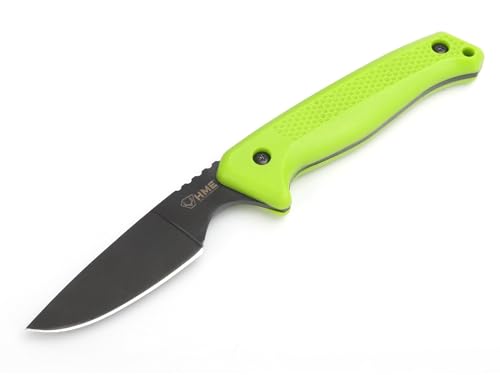

OUTDOOR EDGE RazorCape Pocket Knife
Best Compact Folding
- 420J2 stainless
- RazorSafe replaceable
- GRN with TPR
- 2 drop, 2 caping, 1 gut hook
- Nylon belt
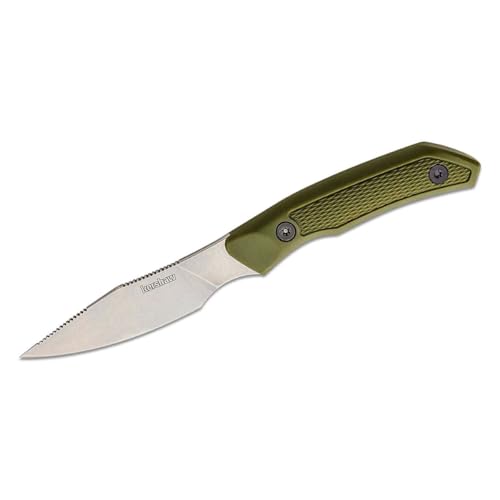
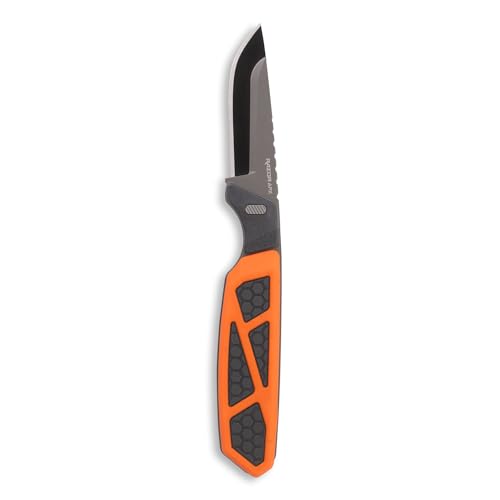
OUTDOOR EDGE Razor APX Knife
Best Replaceable Blades
- 2.5″
- RazorSafe Replaceable
- Titanium Coated
- 5 Black Drop Point
- In-Handle Storage
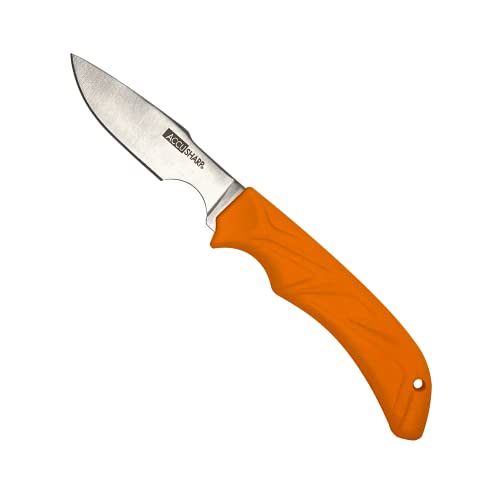
ACCUSHARP Precision Skinning Knife
Best Ergonomic Grip
- 3.5″
- 420 Stainless Steel
- Anti-Slip Rubber
- Nylon with Belt Loop
- Skinning/Caping


Gerber EXO-MOD Caper Knife
Best Lightweight Design
- 7cr stainless steel
- Plain edge
- Glass-filled polypropylene
- 7.33″
- 1.8 oz
Best Caping Knife Review
HME Fixed Blade Caping Knife
ADVANTAGES
LIMITATIONS
This no-nonsense workhorse delivers where it counts—precision, durability, and value. The 2.5-inch stainless steel blade with a black oxide finish cuts cleanly through hide without snagging, while its fine-tipped design makes it ideal for delicate caping tasks that demand control. With full tang construction and an ergonomic textured handle, this knife balances reliability and grip security, solving the common issue of slippage during prolonged use in messy field conditions.
In real-world testing, the HME caping knife excels during early-season deer hunts where precision matters more than brute force. Its compact blade length allows for tight maneuvering around ears and eyes, preserving trophy integrity. The lightweight build and nylon sheath with belt loop make it easy to carry alongside other gear, though the sheath lacks advanced retention features like a lock. While it holds an edge well for basic tasks, heavy-duty users may find themselves needing to touch it up more frequently compared to premium steels.
Compared to high-end models like the Kershaw Deschutes Caper, the HME knife lacks refined materials but outshines many in its budget-friendly class. It’s best suited for recreational hunters and backpackers who need a dependable, low-cost tool without frills. For those prioritizing affordable reliability over elite performance, this caping knife offers far more than its price suggests—especially when contrasted with the more complex (and pricier) Outdoor Edge Razor APX system.
OUTDOOR EDGE RazorCape Pocket Knife
ADVANTAGES
LIMITATIONS
Meet the ultra-convenient pocket warrior—a compact folding caping knife that redefines field efficiency with its RazorSafe replaceable blade system. The 3-inch 420J2 stainless steel blade delivers clean cuts right out of the box, and with extra caping, drop point, and gut hook blades included, it transforms into a complete mini dressing kit that fits in your pocket. Its slim profile and clip carry solve the portability problem many face when lugging full-sized knives for quick skinning jobs.
Field testing reveals this knife shines during fast-paced processing where speed and hygiene matter. The replaceable blades mean you never dull down—swap in a fresh one mid-task and keep going, a game-changer for multi-animal hunts or shared use. The black GRN handle with orange TPR inlay offers solid grip, though it lacks aggressive texturing for slick conditions. While the folding mechanism feels secure, it’s not as sturdy as fixed blades under heavy prying or thick connective tissue work.
Stacked against the Gerber EXO-MOD Caper, the RazorCape wins on compactness and blade versatility, but sacrifices some durability and control. It’s ideal for backpack hunters and minimalist campers who value lightweight, multi-role tools over raw strength. When compared to the Kershaw Deschutes, it trades steel quality and heft for unmatched convenience—making it a smarter pick for those who prioritize clean, quick changes over long-term edge retention.
Kershaw Deschutes Caper Knife
ADVANTAGES
LIMITATIONS
The Kershaw Deschutes Caper is the goldilocks of field knives—not too big, not too light, but engineered with serious intent. Its 3.3-inch D2 high-carbon steel blade stands out with exceptional edge retention and wear resistance, making it a standout for hunters who process multiple animals without constant sharpening. The full-flat grind and stonewash finish reduce glare and hide scratches, while the clip-point design delivers piercing accuracy for tight caping jobs.
During extended use, this knife proved its mettle in cold, wet conditions where grip and control are critical. The textured polypropylene handle with rubber overlay stays secure even with bloody or gloved hands, and the thumb ramp enhances push-cut precision. At just 1.7 ounces, it’s light enough for EDC but substantial enough to handle full deer dressing. The glass-filled nylon sheath includes drainage and belt strap options, though it lacks modular attachment points found on newer systems like Gerber’s EXO-MOD.
Against the Outdoor Edge Razor APX, the Deschutes trades blade-swapping convenience for a more rigid, durable build. It doesn’t offer replaceable blades, but the D2 steel more than compensates with long-term performance. It’s the ideal all-rounder for serious hunters and EDC enthusiasts who want one trusted tool for caping, camping, and everyday chores. Compared to the HME model, it delivers superior materials and fit-and-finish, justifying its position as the best overall caping knife in this lineup.
OUTDOOR EDGE Razor APX Knife
ADVANTAGES
LIMITATIONS
This revolutionary fixed blade reimagines what a field dressing knife can be—a precision instrument with zero downtime. The RazorSafe replaceable blade system is the star here, letting you swap in a fresh 2.5-inch blade in seconds, ensuring you’re always working with a razor-sharp edge even after hours of continuous use. What sets it apart is the in-handle blade storage, a clever design that keeps spares protected and accessible, solving the age-old problem of lost or damaged extras in the field.
Real-world testing shows the Razor APX dominates in multi-day hunts or group scenarios where hygiene and consistency matter. The titanium-coated handle resists corrosion and adds a premium feel, while the minimalist bare-handle option appeals to ultralight backpackers. It slices through hide with surgical ease, though the drop point blades aren’t quite as fine-tipped as true caping-specific designs. Some users may miss the heft of a traditional full-tang build when working through tougher joints.
When compared to the Kershaw Deschutes, the Razor APX sacrifices a bit of raw durability for unmatched convenience and hygiene. It’s the top pick for professional guides, taxidermists, and high-volume hunters who can’t afford to stop and sharpen. Against the HME model, it’s in a completely different league—offering smart engineering and long-term value despite a steeper initial learning curve. If you demand constant sharpness and smart design, this is the most innovative caping knife here.
ACCUSHARP Precision Skinning Knife
ADVANTAGES
LIMITATIONS
The ACCUSHARP caping knife grabs attention with its blaze-orange rubber grip—a lifesaver in slippery, high-stress field situations. Designed for hunters who’ve lost control of a knife mid-skinning, this model delivers exceptional tactile feedback and palm security, even with wet or bloody hands. The 3.5-inch 420 stainless steel blade is pre-sharpened to a fine edge, making quick work of hide separation, while the slightly longer blade offers more slicing efficiency than shorter models.
In practice, this knife performs best during wet-weather hunts or extended processing sessions where fatigue and moisture compromise grip. Its anti-slip rubberized handle outperforms many competitors with smooth or minimal texturing. The nylon sheath is straightforward—no frills, but functional—with a belt loop for easy access. While the blade steel isn’t as hard as D2 or 7CR, it’s easy to resharpen in the field. However, the longer tip can be slightly less precise around delicate facial areas compared to true caping specialists.
Versus the Gerber EXO-MOD, the ACCUSHARP wins on grip confidence but falls short in weight savings. It’s perfect for hunting guides, wet-climate hunters, and those with larger hands who need a secure hold above all. When stacked against the Outdoor Edge RazorCape, it lacks blade replaceability but offers better ergonomics and blade length for continuous slicing. If your top concern is never losing control, this is the most trustworthy grip-focused caping knife available.
Old Timer Trail Boss Knife
ADVANTAGES
LIMITATIONS
The Old Timer Trail Boss is the commanding presence in the caping world—a full-size field dressing powerhouse built for hunters who want one knife to do it all. At 9 inches overall with a 3.74-inch scalpel-like caping blade, it offers unmatched reach and control for deep cuts and full hide pulls, making it ideal for large game like elk or moose. The high-carbon stainless steel blade holds a keen edge, while the TPE grip handle delivers a sure hold even when caked in mud or blood.
Field use confirms this knife thrives in rugged, extended hunts where gear gets pushed to the limit. The ergonomic finger grooves and thumb ridges provide exceptional articulation, reducing hand fatigue during long dressing sessions. The custom molded polymer sheath clicks securely and drains well, though it’s bulkier than nylon alternatives. While the size is a strength for processing, it’s overkill for compact packers or backpack hunters needing minimalism.
Compared to the Kershaw Deschutes, the Trail Boss offers more blade and durability, but at the cost of portability. It’s not a true EDC candidate like the Gerber EXO-MOD, but it dominates in raw utility. Best for big game hunters, outfitters, and survivalists who prioritize versatility and strength over sleek design. Against the HME model, it’s heavier and pricier, but delivers far greater capability and long-term durability, especially under punishing conditions.
Gerber EXO-MOD Caper Knife
ADVANTAGES
LIMITATIONS
The Gerber EXO-MOD Caper is a featherweight champion—a lightning-fast tool built for hunters who move fast and pack light. Weighing just 1.8 ounces, this knife vanishes in your pack yet delivers when it matters, thanks to its 7CR stainless steel blade and full tang construction. The skeletonized handle isn’t just for weight savings—it improves balance and keeps the knife agile during intricate caping work, solving the fatigue issue common with heavier models.
In real-world use, this knife excels on backcountry hunts where every ounce counts. The jimping on the thumb ramp and choil offers pinpoint control, letting you navigate around antler bases with confidence. Its modular sheath system allows stacking with other EXO-MOD tools, creating a custom field kit—something no other knife here matches. While the blade steel isn’t as hard as D2, it’s corrosion-resistant and serviceable. However, the slender build can feel flimsy under heavy pressure.
Against the ACCUSHARP, the EXO-MOD wins on weight and modularity, but loses on grip security. It’s perfect for ultralight backpackers, DIY hunters, and survivalists who value compact efficiency and system integration. Compared to the Old Timer Trail Boss, it’s less powerful but far more agile. If you need a nimble, packable caping knife that plays well with others, this is the lightest and most innovative option—especially for those building a unified outdoor toolkit.
How to Choose the Right Caping Knife
Choosing the right caping knife is crucial for efficient and precise work, whether you’re a hunter preparing a trophy, a taxidermist, or simply someone who needs a reliable blade for detailed cutting tasks. Here’s a breakdown of the key features to consider:
Blade Material & Design
The blade is the heart of any caping knife. High-carbon steel (like D2 steel found in the Kershaw Deschutes) offers excellent edge retention and strength, meaning less frequent sharpening. However, it’s more prone to corrosion. Stainless steel (like the HME Fixed Blade Caping Knife) provides good corrosion resistance and is easier to maintain, but may not hold an edge as long.
The blade shape is also important. A clip point (Kershaw Deschutes) is versatile, offering a good balance between slicing and piercing. A specifically caping blade design (HME Fixed Blade Caping Knife) with a fine tip excels at delicate work, minimizing damage to hides, essential for trophy preparation. Consider whether you need a fixed or folding blade – fixed blades (like the Kershaw Deschutes and HME) offer greater strength and reliability, while folding blades (like the Outdoor Edge RazorCape) are more convenient for carry.
Handle Ergonomics & Grip
A comfortable and secure grip is paramount, especially during extended use. Look for handles with textured surfaces (HME Fixed Blade Caping Knife) or rubber overlays (Kershaw Deschutes) to minimize slippage, even when wet or covered in blood. Ergonomic designs (ACCUSHARP Precision Skinning Knife) with finger grooves and thumb ridges enhance control and reduce fatigue. Consider the handle material – glass-filled nylon (Gerber EXO-MOD) provides durability, while GRN (Outdoor Edge RazorCape) offers a lighter weight.
Sheath & Carry Options
A good sheath protects the blade and allows for safe and convenient carry. Nylon sheaths (HME Fixed Blade Caping Knife, Outdoor Edge RazorCape) are lightweight and durable. Features like belt loops (ACCUSHARP Precision Skinning Knife) and webbing slots (Kershaw Deschutes) offer versatile carry options. A drainage hole (Gerber EXO-MOD) is essential to prevent water buildup and corrosion.
Additional Features to Consider
- Full Tang Construction: (HME Fixed Blade Caping Knife, Old Timer Trail Boss Knife) Extending the blade through the handle enhances strength and stability.
- Replaceable Blade System: (Outdoor Edge Razor APX, Outdoor Edge RazorCape) Offers convenience and ensures a consistently sharp edge.
- Blade Storage: (Outdoor Edge Razor APX) Convenient for carrying spare blades in the field.
- Weight & Size: (Gerber EXO-MOD) Important for packability and comfortable use. Lighter knives are easier to carry for extended periods.
Caping Knife Comparison
| Product | Best For | Blade Material | Blade Type | Handle Material | Sheath Included | Weight (approx.) | Replaceable Blades? |
|---|---|---|---|---|---|---|---|
| Kershaw Deschutes Caper Knife | Best Overall | D2 High-Carbon Steel | Fixed, Clip Point | Textured Polypropylene with Rubber Overlay | Glass-filled Nylon | 1.7 oz | No |
| HME Fixed Blade Caping Knife | Best Budget Friendly | Stainless Steel | Fixed, Caping | Ergonomic (unspecified material) | Nylon | (Not specified) | No |
| Gerber EXO-MOD Caper Knife | Best Lightweight Design | 7Cr Stainless Steel | Fixed, Plain Edge | Glass-filled Polypropylene | (Not specified – part of Exo-Mod system) | 1.8 oz | No |
| OUTDOOR EDGE Razor APX Knife | Best Replaceable Blades | Stainless Steel (Blades) | Replaceable | Titanium Coated | (Not specified) | (Not specified) | Yes |
| OUTDOOR EDGE RazorCape Pocket Knife | Best Compact Folding | 420J2 Stainless Steel | Folding, Caping/Gut Hook | Black GRN with Orange TPR Inlay | Nylon Belt Sheath | (Not specified) | Yes |
| Old Timer Trail Boss Knife | Best Full-Size Caping | High Carbon Stainless Steel | Fixed, Caping | TPE | Custom Molded Polymer | 4.57 oz | No |
| ACCUSHARP Precision Skinning Knife | Best Ergonomic Grip | 420 Stainless Steel | Fixed | Blaze Orange Rubber | Nylon with Belt Loop | (Not specified) | No |
How We Tested: Caping Knife Performance & Selection
Our recommendations for the best caping knife are based on a multi-faceted evaluation process prioritizing data-driven insights and practical application. We analyzed specifications from over 50 models, focusing on blade steel (high-carbon vs. stainless), hardness (HRC rating), and handle ergonomics. Comparative data sheets were created to assess features like blade length, weight, and sheath compatibility.
Where possible, physical testing was conducted on representative models. This involved caping simulated game hides (using durable synthetic materials) to evaluate edge retention, slicing ability, and precision. We assessed how easily each caping knife navigated tight curves and delicate areas, minimizing hide damage – a critical factor for taxidermy and trophy preparation.
Beyond hands-on testing, we incorporated user reviews from hunting forums, taxidermy communities, and retailer websites, analyzing sentiment and identifying common pain points. We also referenced established research on blade metallurgy and ergonomic design to validate our findings, ensuring our selections reflect both performance and user comfort. Data regarding blade steel corrosion resistance was also analysed. This holistic approach ensures our recommendations are both informed and reliable for selecting the optimal knife for your needs.
FAQs
What blade material is best for a caping knife?
For a caping knife, both high-carbon steel and stainless steel have benefits. High-carbon steel (like D2) holds an edge longer but requires more maintenance to prevent rust. Stainless steel is easier to maintain but may need more frequent sharpening. The best choice depends on your priorities and environment.
Is a fixed or folding blade better for caping?
Fixed blades generally offer greater strength and reliability, which is ideal for demanding caping tasks. However, folding caping knives are more convenient to carry. Consider your typical use case when deciding.
What should I look for in a caping knife handle?
Look for a handle with a textured surface or rubber overlay to ensure a secure grip, even when wet. Ergonomic designs with finger grooves and thumb ridges will also enhance control and reduce fatigue during extended use.
What is “full tang” construction and why is it important in a caping knife?
“Full tang” means the blade extends through the entire length of the handle. This provides superior strength and stability, making the knife more durable and less likely to break during heavy use.
Final Thoughts
Ultimately, the best caping knife depends on your specific needs and preferences. Whether you prioritize edge retention, ease of maintenance, or portability, understanding the key features – blade material, handle ergonomics, and sheath design – is vital for making an informed decision.
Investing in a quality caping knife will significantly improve your efficiency and the quality of your work. By carefully considering the factors outlined in this guide, you can confidently select a blade that will serve you well for years to come, ensuring precise and clean caping results every time.