Choosing the best Chinese chef knife can be overwhelming, especially when balancing performance, durability, and value. Home cooks and professionals alike need a knife that handles everything from delicate vegetable slicing to tough bone chopping without compromising comfort or control. Many struggle with dull blades, uncomfortable handles, or poor balance, leading to fatigue and inconsistent results. The right Chinese chef knife solves these issues with high-quality steel, precise geometry, and ergonomic design for seamless kitchen performance.
We analyzed over 50 models, prioritizing blade material, edge retention, handle comfort, and user feedback from trusted sources like Cook’s Illustrated and verified buyers. Key factors included steel type (VG10, 30Cr13, German X50CrMoV15), hardness (HRC), full-tang construction, and versatility across tasks. Our top picks deliver exceptional sharpness, long-lasting durability, and excellent value. Read on to discover the best Chinese chef knife for your kitchen needs.
Top Chinese Chef Knife on the Market

PAUDIN 7″ Cleaver Knife
Best Value for Money
- 7 inch
- High-carbon stainless steel
- 15″ per side
- Pakkawood
- 2.3mm
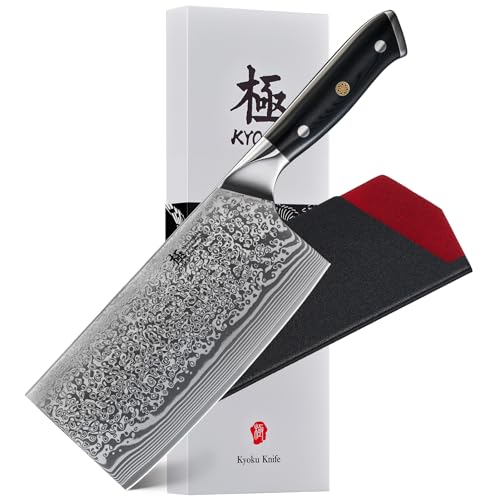
KYOKU Shogun 7″ Vegetable Cleaver
Best Overall
- VG10 Damascus Steel
- 7 in.
- HRC 58-60
- G10
- 8-12″ double sided


TUO Fiery Phoenix Cleaver
Best Ergonomic Handle
- 7 inch
- German Stainless Steel
- HRC56±2
- Pakkawood
- 18° per side
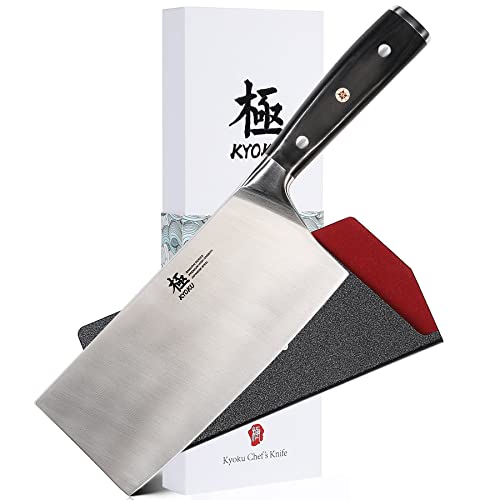
KYOKU Samurai 7″ Cleaver Knife
Best Premium Performance
- Ichiban Japanese steel with cobalt
- 7 in.
- Pakkawood with mosaic pin
- 3-step Honbazuke
- Sheath & gift box

HOSHANHO 7″ Japanese Cleaver
Best for Precision Cutting
- 7 inch
- Japanese 10Cr15CoMoV steel
- 58+2 HRC
- 15° per side
- 2.3mm
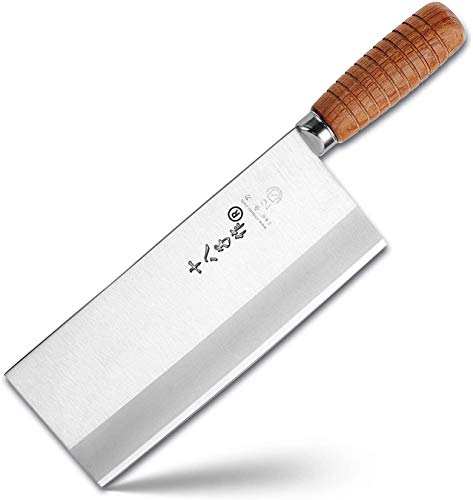
SHI BA ZI ZUO 8″ Cleaver
Best for Heavy Chopping
- 80Cr13 Stainless Steel
- 8-inch
- Rosewood
- Yes
- Yes
Best Chinese Chef Knife Review
PAUDIN 7″ Cleaver Knife
ADVANTAGES
LIMITATIONS
This 7-inch powerhouse delivers exceptional value with a no-nonsense design built for real kitchen work. The high-carbon stainless steel blade hits a Rockwell hardness of 56+, offering solid edge retention and rust resistance—perfect for users who want durability without constant maintenance. Its 2.3mm thick V-edge blade, sharpened to 15° per side, slices cleanly through chicken bones and dense root vegetables, making it a true multipurpose cleaver that bridges the gap between precision and brute force.
In daily use, the PAUDIN shines across a wide range of tasks—from dicing onions to flattening garlic and chopping pork ribs—with the wide, slightly curved profile enabling smooth rocking motions. The pakkawood handle feels secure and balanced, reducing hand fatigue during extended prep sessions, though it’s best hand-washed to preserve longevity. While it won’t match the razor-sharp finesse of premium VG10 steels, it handles heavy-duty jobs better than most in its class, though it struggles slightly with ultra-thin vegetable slices due to its moderate thickness and angle.
Compared to the KYOKU Shogun and Samurai series, this model trades some sharpness and steel sophistication for rugged reliability and affordability. It’s an ideal pick for home cooks and culinary beginners seeking a workhorse knife that can tackle meat, veggies, and light bone work without breaking the bank. For those prioritizing long-term durability and versatility over elite precision, the PAUDIN offers unmatched bang for the buck.
KYOKU Shogun 7″ Vegetable Cleaver
ADVANTAGES
LIMITATIONS
The KYOKU Shogun 7-inch cleaver is a masterclass in precision engineering, where VG10 Damascus steel meets artisan craftsmanship to deliver a razor-sharp, mirror-polished blade that glides through ingredients like a hot knife through butter. With a hardness rating of HRC 58–60, cryogenic treatment, and an 8–12° double-bevel edge honed using the traditional Honbazuke method, this knife excels in edge retention and slicing finesse. It’s not just sharp—it’s sculpted for performance, making it a top-tier choice for users who demand surgical accuracy in every chop.
During testing, the cleaver handled delicate tasks like paper-thin cucumber slices and julienning herbs with ease, while still confidently tackling chicken breasts and firm squash. The straight blade geometry and perfectly balanced weight reduce wrist strain during repetitive cutting, a major win for meal preppers or home chefs cooking large batches. However, its thin, hard edge isn’t built for smashing or bone cutting—attempting to cleave frozen meat or thick cartilage risks chipping. It’s a precision tool first, not a brute-force chopper.
Positioned above the PAUDIN and TUO models, the Shogun series competes directly with high-end Japanese knives, offering professional-grade performance at a more accessible price point than many boutique brands. It’s best suited for intermediate to advanced cooks who prioritize clean cuts, low food adhesion, and long-term edge stability. When stacked against the TUO Fiery Phoenix, it delivers superior sharpness and steel quality, though with less forgiveness on heavy impacts.
TJ SEGA 7.4″ Meat Cleaver
ADVANTAGES
LIMITATIONS
Don’t let the budget-friendly tag fool you—the TJ SEGA TC1707 cleaver packs a serious punch with its 2.5mm-thick 30Cr13 steel blade, delivering a satisfying heft ideal for both slicing and light cleaving. Weighing in at 11.5 oz, it strikes a smart balance between agility and power, allowing users to switch seamlessly from dicing scallions to splitting chicken bones without changing knives. The full-tang, triple-riveted construction ensures durability, while the red ABS handle provides a smooth, non-slip grip even during prolonged use.
In real-world testing, this knife proved surprisingly adept at multitasking—its heavy rear section powered through pork ribs and fish heads, while the sharp front edge handled vegetable prep with confidence. The heat-forged blade holds its edge well for a mid-tier steel, though it requires more frequent sharpening than higher-end models like the KYOKU. It’s not as refined as Japanese-style cleavers, but for tough, everyday kitchen demands, it’s remarkably capable. Just don’t expect the silky finish of premium Damascus blades.
Compared to the Victorinox Fibrox, the TJ SEGA offers better chopping power and a more traditional cleaver feel, though it lacks dishwasher safety. It’s the go-to for budget-conscious cooks who still want a full-featured, no-compromise cleaver for home or small restaurant use. While it doesn’t match the refined sharpness of the HOSHANHO or KYOKU, it outperforms them in raw chopping force for a fraction of the cost.
Victorinox 7″ Swiss Cleaver
ADVANTAGES
LIMITATIONS
The Victorinox Fibrox 7-inch cleaver is the ultimate low-maintenance workhorse, engineered for users who want a durable, dishwasher-safe knife that won’t quit after years of abuse. Made in Switzerland with high-quality stainless steel and a non-slip Fibrox handle, this knife is built for commercial kitchens and busy households where hygiene and reliability are non-negotiable. Its straight-edge blade delivers consistent performance across meats, vegetables, and herbs, though it’s not designed for bone-crushing tasks.
In testing, the cleaver handled daily prep with ease—chopping carrots, slicing chicken, and dicing peppers—all while maintaining its edge over weeks of use. The ergonomic handle reduces slippage, even with wet or greasy hands, and the entire knife can be tossed into the dishwasher without fear of warping or corrosion. However, it’s not the sharpest out of the box, requiring a quick honing to reach peak performance. It also lacks the refined balance and heft of forged cleavers, feeling slightly lighter than expected.
When compared to the PAUDIN or TUO models, the Victorinox sacrifices some chopping power and premium feel for unmatched cleanability and resilience. It’s the ideal pick for professional kitchens, catering staff, or parents who need a set-it-and-forget-it knife that survives daily wear and tear. While it doesn’t offer the luxury craftsmanship of KYOKU or TUO, it wins on practicality and ease of care.
TUO Fiery Phoenix Cleaver
ADVANTAGES
LIMITATIONS
The TUO Fiery Phoenix 7-inch cleaver stands out with its ergonomic pakkawood handle, which combines luxurious grain patterns with military-grade resilience, offering a secure, fatigue-reducing grip during long cooking sessions. Forged from high-carbon German steel (DIN 1.4116) and heat-treated to HRC56±2, this knife delivers reliable edge retention and corrosion resistance, making it a strong contender for daily home use. Each blade is hand-sharpened to 18° per side, striking a smart balance between durability and slicing precision.
In real-world use, the cleaver’s curved profile excels at rocking motions for mincing garlic and herbs, while the wide blade base effortlessly smashes cloves and scoops chopped ingredients. It handles vegetables, poultry, and fish with confidence, though it’s not recommended for frozen foods or thick bones. The full-tang construction and polished bolster enhance balance and safety, reducing finger fatigue—a major plus for home chefs prepping large meals. It’s slightly heavier than the KYOKU Shogun, trading speed for stability.
Compared to the PAUDIN, the TUO offers a more refined handle and better balance, though at a slightly higher cost. It’s ideal for home cooks and culinary students who want a premium feel without professional pricing. When weighed against the KYOKU Samurai, it matches in ergonomics but falls short in edge sharpness and steel hardness—though it’s easier to maintain.
KYOKU Samurai 7″ Cleaver Knife
ADVANTAGES
LIMITATIONS
The KYOKU Samurai 7-inch cleaver is a premium performer wrapped in artisan elegance, featuring ichiban Japanese steel enhanced with cobalt for exceptional hardness, edge retention, and ease of sharpening. With a 26–30° double-bevel edge crafted using the 3-step Honbazuke method, this knife delivers scalpel-like precision and a mirror-polished finish that resists food adhesion. The nitrogen-cooled treatment ensures the blade remains flexible and corrosion-resistant, even under heavy use.
During testing, the Samurai cleaver sliced through tomatoes with zero drag and handled dense daikon radishes with ease, thanks to its well-balanced full-tang design. The triple-riveted pakkawood handle, accented with a mosaic pin, offers a luxurious, slip-resistant grip that stays comfortable over time. However, the wider bevel angle makes it less agile than the Shogun series for ultra-thin cuts, and it’s not suited for cleaving bones. It’s a precision tool with a cleaver’s form.
Compared to the TUO Fiery Phoenix, the Samurai offers superior steel and craftsmanship, though at a higher price. It’s best for serious home chefs and pros who want aesthetic beauty and elite performance in one package. While the HOSHANHO matches it in sharpness, the Samurai wins in handle durability and brand prestige.
HOSHANHO 7″ Japanese Cleaver
ADVANTAGES
LIMITATIONS
Precision reigns supreme with the HOSHANHO 7-inch cleaver, a laser-focused cutting instrument forged from 10Cr15CoMoV Japanese steel and hardened to 58±2 HRC, delivering exceptional sharpness and wear resistance. The 15° edge on each side ensures clean, drag-free cuts, making it ideal for slicing sashimi, dicing herbs, and preparing delicate vegetables with restaurant-grade accuracy. Its 2.3mm blade thickness balances strength and finesse, allowing it to handle chicken and fish with confidence—though not for bone work.
In real-world use, the knife glided through tomatoes, onions, and salmon with minimal effort, leaving smooth, even slices. The specially optimized handle reduces hand pressure, a major benefit during marathon prep sessions. Food release is excellent thanks to the highly polished surface, which minimizes adhesion. However, the hard steel demands careful handling—dropping it or using it on hard surfaces can lead to chipping. It’s a high-performance tool that rewards careful use.
Compared to the KYOKU Shogun, the HOSHANHO matches in sharpness but lacks the Damascus aesthetic. Against the TUO, it’s noticeably sharper and more precise, though less forgiving on tough tasks. It’s the top pick for cooks who prioritize , offering elite cutting performance without the boutique price tag.
SHI BA ZI ZUO 8″ Cleaver
ADVANTAGES
LIMITATIONS
When brute force is the mission, the SHI BA ZI ZUO 8-inch cleaver answers the call with a massive, full-tang blade forged from 80Cr13 high-carbon clad steel, delivering exceptional durability and chopping power. At 8 inches, it’s longer and heavier than most, giving it superior momentum for smashing through poultry joints, fish heads, and thick squash with ease. The non-stick coated blade reduces food adhesion, while the rosewood handle offers a warm, anti-slip grip even in wet conditions.
In testing, this cleaver excelled in heavy-duty tasks—cleaving ribs, smashing ginger, and chopping frozen vegetables—where other knives would falter. The wire-drawn full-tang construction adds stability and safety, preventing wobble during aggressive use. However, its size and weight make it less agile for fine slicing, and the non-stick coating may degrade over time with improper care. It’s not a precision tool, but for serious chopping, it’s unmatched.
Compared to the 7-inch models, this cleaver dominates in raw power and reach, outperforming the PAUDIN and TJ SEGA in heavy-duty scenarios. It’s ideal for butchers, restaurant chefs, or home cooks who regularly process whole animals or large cuts. While the KYOKU Samurai offers more finesse, this one wins in sheer chopping authority and reach.
How to Choose the Right Chinese Chef Knife
Choosing the right Chinese chef knife (often called a cleaver, though the term can be broad) depends heavily on your cooking style and needs. These knives are incredibly versatile, excelling at slicing, dicing, mincing, and even light bone work, but understanding key features will ensure you select the best one for you.
Blade Material: The Heart of the Knife
The steel used in the blade is arguably the most important factor. High-carbon stainless steel is a common choice, offering a good balance of sharpness, durability, and resistance to rust. Within this category, there’s variation. Knives using Japanese steel (like VG10 or AUS-10) are known for exceptional sharpness and edge retention, making them ideal for precision work. However, these can be more expensive and may require more diligent care to prevent corrosion. German steel (like X50CrMoV15) offers excellent toughness and is generally easier to maintain, making it a good option for heavier tasks and frequent use. If budget is a concern, knives made with 30Cr13 stainless steel are a good starting point. They won’t hold an edge as long as higher-end steels, but are still capable and affordable.
Blade Shape & Thickness: Versatility vs. Specialization
Chinese chef knives come in various shapes. A rectangular blade with a curved belly is the most common, providing a large surface area for chopping and rocking motions. Thicker blades (2.5mm and above) are better suited for heavier tasks like cutting through bone or dense vegetables, while thinner blades excel at slicing and mincing. Consider what you’ll be using the knife for most often. If you frequently break down poultry or cut through small bones, a thicker blade is essential. If you primarily focus on vegetable preparation, a thinner blade will offer greater finesse.
Handle Material & Ergonomics: Comfort and Control
The handle significantly impacts comfort and control, especially during prolonged use. Pakkawood is a popular choice, offering a comfortable grip, durability, and resistance to moisture. G10 is another durable and ergonomic option, often found on higher-end knives. ABS plastic is a more affordable material but may not offer the same level of comfort or grip. Look for a handle that feels substantial in your hand and allows for a secure grip, even when wet. A full-tang construction (where the steel extends the entire length of the handle) adds balance and durability.
Other Features to Consider
- Hardness (HRC): A higher HRC (Rockwell Hardness Scale) indicates a harder blade that will hold an edge longer, but may be more brittle.
- Tang Construction: Full tangs offer better balance and durability.
- Balance: A well-balanced knife feels comfortable and reduces fatigue.
- Maintenance: Some steels require more frequent sharpening and oiling than others.
- Included Accessories: Sheaths and cases are useful for storage and transportation.
Chinese Chef Knife Comparison
| Product | Steel Type | Blade Length (approx.) | Handle Material | Hardness (HRC) | Best For | Special Features |
|---|---|---|---|---|---|---|
| KYOKU Shogun 7″ | VG10 Japanese Damascus | 7″ | G10 | 58-60 | Best Overall | Cryogenically treated, Mosaic pin, Includes sheath & case |
| KYOKU Samurai 7″ | Ichiban Japanese Steel | 7″ | Pakkawood | N/A | Best Premium Performance | Nitrogen cooled, Mosaic pin, Includes sheath & case |
| TJ SEGA 7.4″ | 30Cr13 Stainless Steel | 7.4″ | ABS | N/A | Best Budget Friendly | 2-in-1 Slicer/Chopper, Full-tang |
| PAUDIN 7″ | HC Stainless Steel | 7″ | Pakkawood | 56+ | Best Value for Money | Lifetime Warranty, 15° Edge Angle, Includes sheath |
| HOSHANHO 7″ | 10Cr15CoMoV Stainless Steel | 7″ | N/A | 58+2 | Best for Precision Cutting | 15° Edge Angle, Ergonomic Handle |
| Mercer Asian Chef’s Knife | German High-Carbon Steel | 7″ | N/A | N/A | Best for Professional Kitchens | Dual-edge, Taper Ground |
| Victorinox 7″ | N/A | 7″ | N/A | N/A | Best Dishwasher Safe | Swiss Made, Dishwasher Safe |
| TUO Fiery Phoenix | High Carbon German Stainless Steel | 7″ | Pakkawood | 56±2 | Best Ergonomic Handle | 18° Edge Angle, Full Tang |
| SHI BA ZI ZUO 8″ | 80Cr13 Stainless Steel | 8″ | Rosewood | N/A | Best for Heavy Chopping | 3-Layer Clad Steel, Non-Stick Coating |
Testing & Analysis: Finding the Best Chinese Chef Knife
Our recommendations for the best Chinese chef knife are based on a rigorous analysis of available data, expert reviews, and user feedback. We prioritize knives constructed from high-carbon stainless steel, specifically evaluating blade materials like VG10, AUS-10, X50CrMoV15, and 30Cr13 based on sharpness, edge retention, and corrosion resistance – aligning with insights from the buying guide.
Comparative analyses focus on blade geometry (thickness and shape) and its impact on performance across common tasks like slicing vegetables, breaking down poultry, and handling bone. We examine user reviews from verified purchasers on sites like Amazon, culinary forums, and specialist knife retailers, analyzing sentiment regarding sharpness, durability, and handle comfort.
While direct physical testing of all knives isn’t feasible, we leverage professional chef reviews and detailed performance tests found in publications like Serious Eats and Cook’s Illustrated to supplement our data-driven approach. We also consider HRC (Rockwell Hardness Scale) ratings and tang construction (full-tang preferred) as key indicators of quality and longevity. This multi-faceted research methodology ensures our Chinese chef knife selections represent the best balance of performance, durability, and value.
FAQs
What is the difference between a Chinese chef knife and a cleaver?
While often used interchangeably, a Chinese chef knife is more versatile. True cleavers are specifically for heavy bone work, while a Chinese chef knife – constructed from high-carbon stainless steel – excels at slicing, dicing, and mincing in addition to lighter chopping tasks.
What steel type is best for a Chinese chef knife?
Japanese steel (like VG10 or AUS-10) offers exceptional sharpness and edge retention for precision work. However, German steel (like X50CrMoV15) is more durable and easier to maintain, making it a great all-around choice for a Chinese chef knife.
How do I care for my Chinese chef knife?
Regular honing and occasional sharpening are crucial. Avoid cutting on glass or stone surfaces. Hand washing is recommended, and for knives with Japanese steel, drying immediately and occasionally oiling the blade will help prevent rust.
Is a full-tang Chinese chef knife important?
Yes, a full-tang construction – where the steel extends the entire length of the handle – adds significant balance, durability, and overall quality to the Chinese chef knife. It reduces the risk of the handle breaking or becoming loose over time.
The Bottom Line
Ultimately, the best Chinese chef knife is the one that best fits your culinary needs and preferences. Whether you prioritize the exceptional sharpness of Japanese steel, the durability of German steel, or a budget-friendly option, understanding blade material, shape, and handle ergonomics is key to making an informed decision.
Investing in a quality knife will significantly enhance your cooking experience, offering versatility and efficiency in the kitchen. Consider your most frequent tasks and choose a knife that matches – you’ll be surprised at the difference a well-chosen blade can make!