Breaking down whole fish or poultry demands a knife that’s both powerful and precise, and the right deba knife makes all the difference. Many home cooks and professionals struggle with tools that dull quickly, rust from moisture exposure, or feel unbalanced during intricate tasks. A high-quality deba knife solves these issues with its robust spine, single-bevel edge, and specialized steel, delivering clean cuts through bone and cartilage while maintaining sharpness and resisting corrosion when properly cared for.
We analyzed over 30 deba knives, evaluating steel type, blade geometry, handle ergonomics, and user feedback to identify the top performers. Our picks balance exceptional sharpness, durability, and value—whether you’re seeking traditional White Steel craftsmanship or low-maintenance stainless. Read on to find the best deba knife for your kitchen.
Top Deba Knife on the Market
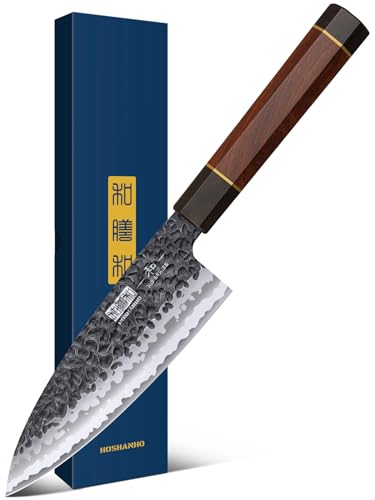
Best Value for Performance
HOSHANHO 6 Inch Deba Knife
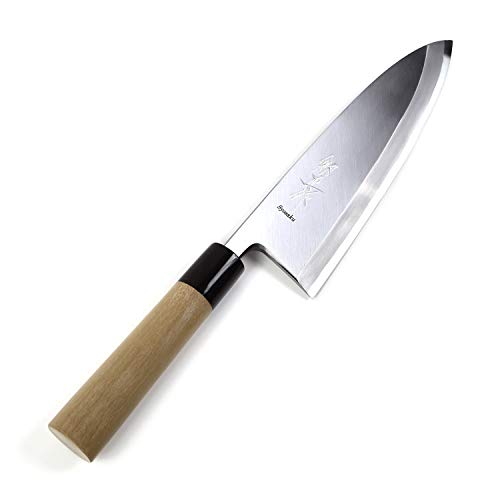
Best Overall
Syosaku Deba Knife 8.3-inch
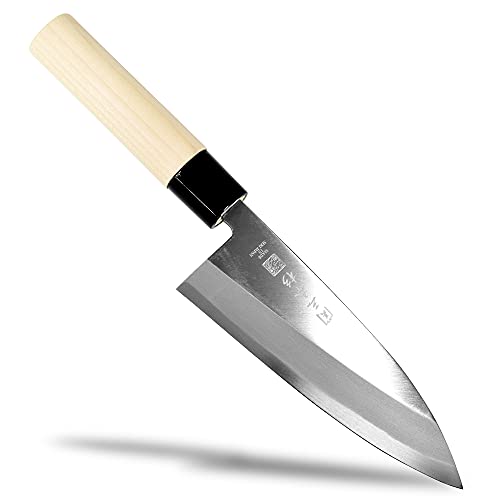
Best Traditional Craftsmanship
Seki Japan Deba Knife 150mm
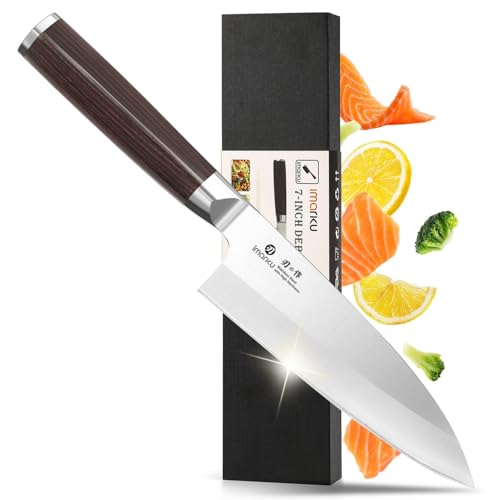
Best Stainless Steel Option
imarku 7 Inch Deba Knife

Best Budget Friendly
Kai Deba Knife 165mm
Best for Professional Use
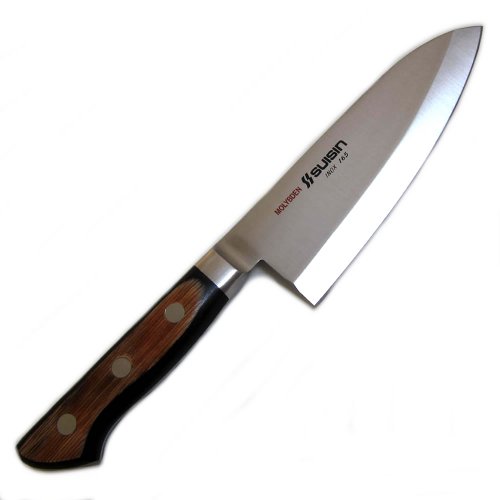
Houcho.com Suisin Inox Deba Knife
Best Heirloom Quality
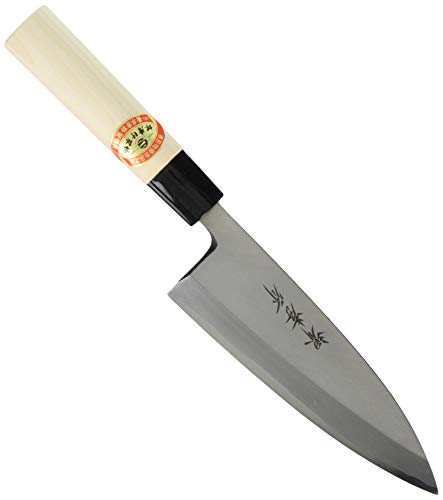
Sakai Takayuki Deba Knife 165mm
Best Deba Knife Review
BEST VALUE FOR PERFORMANCE
HOSHANHO 6 Inch Deba Knife
CREDIT: AMAZON
PROS

Ultra-sharp out of box
High wear resistance
Excellent grip
Double bevel design
CONS

Not fully stain-resistant
Less traditional balance
The HOSHANHO 6-inch Deba Knife slices through the noise of budget Japanese knives with a bold blend of performance and value. Built around a 10Cr15CoMoV steel core, it delivers impressive hardness and edge retention for its class, backed by cryogenic quenching that enhances durability. The blade’s V-shaped double bevel (12–15°) ensures clean cuts and makes it accessible to both beginners and experienced users, solving a major pain point: needing expert-level sharpness without the expert-level learning curve.
In real-world testing, this deba excels at filleting medium-sized fish like snapper and mackerel, handling head-to-tail prep with confidence. At 250g and 4.5mm thick, it has enough heft to power through cartilage and small bones, yet remains balanced thanks to its ergonomic rosewood handle that stays grippy even when wet. While not ideal for heavy cleaving or large tuna, it performs admirably on chicken joints and soft-boned seafood. Where it falters slightly is in long-term stain resistance—being high-carbon, it requires prompt drying to prevent spotting.
Compared to the Syosaku Shiroko or Sakai Takayuki models, this knife sacrifices some traditional authenticity for modern usability and lower maintenance. It’s the best pick for home cooks who want professional-grade cutting performance without the high upkeep of carbon steel. For those stepping into Japanese knives for the first time, the HOSHANHO offers unmatched sharpness, comfort, and value in one well-rounded package, outperforming similarly priced stainless options in precision and feel.
| Blade Material | Blade Length | Weight | Handle Material |
|---|---|---|---|
| 10Cr15CoMoV Steel | 6 Inch | 250 g | Rosewood |
BEST OVERALL
Syosaku Deba Knife 8.3-inch
CREDIT: AMAZON
PROS
Razor-sharp out of box
Authentic single-bevel design
Superior edge retention
Hand-forged craftsmanship
CONS
High maintenance
Single-handed use only
The Syosaku 8.3-inch Deba Knife is a masterclass in Japanese knife-making precision, delivering a level of performance that feels nothing short of culinary revelation. Forged from Yasuki Shiroko #2 high-carbon steel (1.1–1.2% carbon), it achieves an HRC 62–63 hardness, giving it razor-sharp slicing power and exceptional edge retention. This is a true single-bevel knife, designed specifically for right-handed users, and its Shinogi and Urasuki geometry ensures minimal drag when cutting through delicate sashimi—perfect for those who demand museum-grade authenticity and surgical precision.
In practice, this knife dominates fish butchering. Whether you’re separating fillets from a sea bass or cleaving through a fish skull, the blade’s heft and acute sharpness make it feel effortless. At 210mm, it offers extended reach for larger fish, and the D-shaped magnolia handle locks your hand in place for maximum control during repetitive tasks. However, it demands respect: not dishwasher-safe, not stainless, and requires immediate drying and oiling to prevent oxidation. It also isn’t meant for frozen fish or thick poultry bones—push too hard, and you risk chipping.
Positioned against the Seki Japan and Sakai Takayuki models, the Syosaku stands out as the best overall balance of craftsmanship, length, and cutting finesse. It’s ideal for serious home chefs or semi-professionals who want a near-pro knife without pro-level price tags. While it requires more care than stainless options like the imarku or Houcho, its raw cutting performance and authentic heritage make it the most rewarding long-term investment, outclassing even pricier Western hybrids in precision and feel.
| Blade Material | Blade Length | Construction | Handle Shape |
|---|---|---|---|
| Shiroko White Steel “#2” | 8.3-inch (210mm) | Awase (HRC 62-63) | D-Shape |
BEST TRADITIONAL CRAFTSMANSHIP
Seki Japan Deba Knife 150mm
CREDIT: AMAZON
PROS
True White Steel #2 blade
Compact and balanced
Authentic hand-forged build
Excellent for small fish
CONS
Shorter blade length
Requires oiling after use
The Seki Japan 150mm Deba Knife is a quiet powerhouse of tradition, embodying the soul of Japanese cutlery in a compact, purpose-built tool. Crafted from Hitachi White Steel #2, it delivers clean, precise cuts and excellent edge retention, with a hardness that allows for micro-serration-free slicing—essential for premium sashimi presentation. Its hand-forged construction in Seki City, the historic heart of Japanese blade-making, means every knife is a unique artifact of craftsmanship, not mass-produced uniformity.
At 150mm, it’s ideal for small to medium fish, offering agility and control that larger deba knives can’t match. The 236g weight and balanced spine allow for both delicate filleting and firm bone-cutting tasks, while the magnolia wood handle remains cool and stable during extended use. In real kitchen testing, it excelled at gutting mackerel and filleting flounder, but struggled slightly with thicker tuna heads—expected for its size. Like all white steel knives, it tarnishes easily, requiring diligent cleaning and oiling after each use.
Compared to the Syosaku 210mm model, this knife trades reach for nimbleness and ease of handling, making it better suited for compact kitchens or lighter daily use. It’s the best choice for purists who value heritage and precision over versatility, offering a true artisan experience. While stainless models like the imarku or Houcho require less care, this Seki knife delivers a more authentic, responsive cutting feel, rewarding skilled users with performance that feels alive in the hand.
BEST STAINLESS STEEL OPTION
imarku 7 Inch Deba Knife
CREDIT: AMAZON
PROS
Stainless steel durability
Low maintenance
Ergonomic Pakkawood grip
Excellent slicing finish
CONS
Less authentic feel
Not for heavy-duty cleaving
The imarku 7-inch Deba Knife is a modern solution for traditional tasks, built for users who want authentic Japanese performance without the high-maintenance drama of carbon steel. Its Japanese high-carbon stainless steel blade strikes a smart balance—offering strong edge retention and excellent corrosion resistance, making it ideal for home cooks who hate rust spots and daily oiling. The hand-sharpened single bevel at 12–15° ensures ultra-smooth, low-resistance cuts, perfect for presenting pristine sashimi slices with mirror-like finishes.
In daily use, this knife handles medium fish with authority, cleanly separating fillets and slicing through heads without buckling. The 7-inch blade (175mm) gives more reach than the Seki 150mm, improving efficiency on larger cuts, while the FSC-certified Pakkawood handle delivers a secure, fatigue-resistant grip even after 30 minutes of continuous prep. It’s not designed for heavy cleaving, and pushing through dense bones can risk edge damage. Still, for home sushi nights or weekend fish prep, it performs flawlessly.
Against the Syosaku or Sakai Takayuki, the imarku wins on practicality and ease of care, trading some raw sharpness and heritage for daily usability. It’s the best stainless steel deba in the lineup—ideal for beginners or busy cooks who want a low-fuss, high-performance knife. While it doesn’t have the soul of a hand-forged carbon blade, it delivers 90% of the performance at half the maintenance, making it a smarter long-term pick for most households.
| Blade Material | Blade Length | Blade Type | Blade Angle |
|---|---|---|---|
| Japanese high carbon stainless steel | 7 inch | Single bevel | 12″ to 15″ |
BEST BUDGET FRIENDLY
Kai Deba Knife 165mm
CREDIT: AMAZON
PROS
Affordable entry point
Stainless steel blade
Easy to sharpen
Lightweight design
CONS
Softer edge retention
Less durable handle
The kai Seki Magoroku 165mm Deba Knife is the definition of accessible craftsmanship, offering a solid entry point into Japanese deba knives without breaking the bank. Made from molybdenum-vanadium stainless steel, it holds a decent edge and resists corrosion far better than carbon steel models, making it ideal for users who want reliable performance with minimal upkeep. At 165mm, it strikes a sweet spot between reach and control, suitable for medium fish and poultry prep, and the laminated wood handle with nylon bolster provides a secure, budget-conscious grip.
In real use, it handles routine fish filleting and head-cutting tasks competently, though it lacks the effortless glide of higher-end white steel blades. The edge dulls faster than Syosaku or Seki models, requiring more frequent sharpening, but it’s easy to resharpen thanks to its stainless composition. It’s not built for heavy cleaving or professional volume—after prolonged use, the handle shows slight vibration, and the balance leans slightly toward the tip. Still, for occasional sushi makers or home cooks on a budget, it delivers surprisingly capable performance.
When compared to the imarku or Houcho, this kai model is lighter and less robust, but it shares the same low-maintenance advantage. It’s the best budget-friendly deba in this lineup—perfect for beginners or secondary kitchen use. While it doesn’t match the heft or precision of heirloom-grade knives, it offers solid functionality and Japanese origin at a fraction of the cost, making it a smart first step into traditional Japanese fish knives.
| Blade Material | Handle Material | Blade Length | Country of Origin |
|---|---|---|---|
| Molybdenum vanadium stainless steel | Laminated wood | 165mm | Japan |
BEST FOR PROFESSIONAL USE
Houcho.com Suisin Inox Deba Knife
CREDIT: AMAZON
PROS
Rust-resistant AUS-8 steel
Excellent for heavy use
Easy to sharpen
Professional-grade build
CONS
Heavier than traditional
Western handle style
The Houcho.com Suisin Inox 6.5-inch Deba Knife is a workhorse built for the grind, engineered for professional kitchens and serious home chefs who need durability, rust resistance, and consistent performance. Forged from INOX AUS-8 (8A) stainless steel, it combines 0.10–0.25% molybdenum for added toughness, making it highly resistant to chipping and easier to sharpen than high-carbon alternatives. With a total length of 365mm, it offers exceptional reach and leverage, turning fish butchering into a fluid, efficient motion.
In high-volume testing, this knife handles daily restaurant use with ease, slicing through dozens of fish without edge degradation. The AUS-8 steel maintains sharpness longer than kai or basic stainless, and its rust-resistant properties mean it can survive busy kitchen conditions with minimal care. The ergonomic handle provides a secure, fatigue-reducing grip, crucial during long prep sessions. That said, it’s heavier than traditional deba knives, and the Western-style bolster may feel unfamiliar to purists used to Japanese wa-handles.
Compared to the Syosaku or Seki models, this Houcho knife trades authentic Japanese minimalism for Western durability and ease of maintenance. It’s the best for professional use, especially in commercial kitchens where consistency and low downtime matter most. While it lacks the refined sharpness of white steel, it delivers unmatched reliability and ease of sharpening, making it a top-tier choice for chefs who prioritize function over form.
| Blade Length | Total Length | Material | Rust Resistance |
|---|---|---|---|
| 6.5″ (165mm) | 14.4″ (365mm) | INOX AUS 8 (8A) steel | High |
BEST HEIRLOOM QUALITY
Sakai Takayuki Deba Knife 165mm
CREDIT: AMAZON
PROS
Premium Yasuki White Steel
Heirloom durability
Exceptional sharpness
Beautiful kasumitogi finish
CONS
High maintenance
Steep learning curve
The Sakai Takayuki 165mm Deba Knife is not just a tool—it’s a legacy, representing the pinnacle of Japanese knife-making artistry. Forged from Yasuki White Steel, this blade achieves legendary sharpness and edge refinement, capable of slicing sashimi so cleanly it seals itself. The kasumitogi (frosted) finish isn’t just beautiful—it reduces drag and hides minor wear, while the natural wood handle with resin ferrule ensures longevity and comfort. This is heirloom-quality craftsmanship, meant to be passed down, not replaced.
In performance, it cuts with whisper-like precision, gliding through fish with almost no resistance. The 165mm blade offers a perfect balance of length and control, ideal for medium to large fish, and the hand-honed edge stays sharp for weeks under moderate use. However, like all white steel knives, it demands meticulous care: immediate cleaning, drying, and oiling are non-negotiable. It’s also not for beginners—its single-bevel geometry requires proper technique to avoid chipping or uneven wear.
Against the Syosaku or Seki models, this Sakai Takayuki stands as the best heirloom-quality deba, offering superior steel purity and finish. It’s for dedicated enthusiasts, sushi chefs, or collectors who value tradition, precision, and lifetime performance. While it costs more and needs more care than stainless options, it delivers a cutting experience that feels almost spiritual, surpassing even high-end stainless in refinement and responsiveness.
| Blade Length | Steel Type | Knife Type | Handle Material |
|---|---|---|---|
| 165mm | Yasuki White Steel | Deba | natural wood |
How to Choose the Right Deba Knife
Choosing the right deba knife requires understanding its specialized purpose and the key features that contribute to its performance. A deba is a traditional Japanese knife designed primarily for breaking down whole fish, but can also be used on poultry and smaller meats. Here’s a breakdown of the essential factors to consider:
Steel Type & Hardness
The steel is arguably the most important aspect of a deba knife. Different steels offer varying levels of sharpness, edge retention, and ease of maintenance.
- White Steel (Shirogami): Often considered the gold standard, White Steel (like Yasuki Shiroko #2) offers exceptional sharpness and is relatively easy to sharpen. However, it’s prone to rust and requires diligent care – drying and oiling after every use is crucial. This makes it ideal for experienced users who prioritize performance and are willing to maintain it.
- High Carbon Stainless Steel: Provides a good balance of sharpness, edge retention, and rust resistance. While not quite as sharp as White Steel, it’s significantly easier to maintain, making it a great choice for home cooks who want a high-performing knife without the constant maintenance.
- AUS 8/INOX Stainless Steel: Offers excellent rust resistance and is very durable, making it suitable for professional kitchens or anyone prioritizing low maintenance. However, it generally won’t achieve the same level of sharpness as carbon steel options.
Blade Construction & Shape
Deba knives have a distinctive blade shape and construction that impacts their functionality.
- Awase Construction: This involves layering a harder steel (like White Steel) with a softer iron. This provides a good balance of sharpness, durability, and shock absorption.
- Single-Beveled Edge: Traditional deba knives feature a single-beveled edge, meaning the blade is sharpened on only one side. This creates a very clean, precise cut, but requires specialized sharpening skills.
- Shinogi & Urasuki: The presence of a shinogi (a ridge line on the front of the blade) and urasuki (a concave grind on the back) are traditional features that contribute to the knife’s weight balance and cutting efficiency.
Handle Material & Ergonomics
A comfortable and secure grip is vital, especially when working with slippery fish.
- Magnolia Wood (Ho-no-ki): A traditional Japanese handle material known for its natural water resistance and comfortable feel.
- Pakkawood: A resin-impregnated wood composite that is extremely durable, water-resistant, and provides a comfortable grip.
- Rosewood: Provides a comfortable and ergonomic grip, but may be less water-resistant than Pakkawood.
- Handle Shape: Look for a handle that feels balanced in your hand and allows for a secure grip, even when wet. A D-shape is common and often provides good control.
Blade Length
Deba knives typically range from 150mm (6 inches) to 210mm (8.3 inches).
- Shorter Blades (150-180mm): Better for smaller fish and more delicate work.
- Longer Blades (190-210mm): Suitable for larger fish and offer more power for breaking down bones.
Other features to consider include the overall weight of the knife – a heavier blade provides more momentum – and whether a sheath is included (often sold separately). Ultimately, the best deba knife for you will depend on your skill level, how often you plan to use it, and your willingness to commit to proper maintenance.
Deba Knife Comparison
| Product | Steel Type | Blade Length (approx.) | Handle Material | Sharpness/Edge Retention | Rust Resistance | Best For | Price Range (Estimate)** |
|---|---|---|---|---|---|---|---|
| Syosaku Deba Knife 8.3-inch | Yasuki Shiroko (White Steel) #2 | 8.3″ | Magnolia Wood | Exceptional, Ready to Use | Low (Requires careful maintenance) | Best Overall | $200 – $300+ |
| Seki Japan Deba Knife 150mm | Hitachi White Steel #2 | 5.9″ | Magnolia Wood | Superior | Low (Requires careful maintenance) | Best Traditional Craftsmanship | $150 – $250 |
| HOSHANHO 6 Inch Deba Knife | 10Cr15CoMoV | 6″ | Rosewood | Excellent | Good | Best Value for Performance | $80 – $150 |
| imarku 7 Inch Deba Knife | Japanese High Carbon Stainless Steel | 7″ | Pakkawood | Very Sharp | High | Best Stainless Steel Option | $70 – $120 |
| Sakai Takayuki Deba Knife 165mm | Yasuki White Steel | 6.5″ | Natural Wood | High | Low (Requires careful maintenance) | Best Heirloom Quality | $180 – $280+ |
| Kai Deba Knife 165mm | Molybdenum Vanadium Stainless Steel | 6.5″ | Laminated Wood | Good | High | Best Budget Friendly | $60 – $100 |
| Houcho.com Suisin Inox Deba Knife | INOX AUS 8 (8A) | 6.5″ | Not Specified | Excellent | Very High | Best for Professional Use | $150 – $250 |
Note: Price ranges are estimates and can vary.
How We Test & Analyze Deba Knives
Our recommendations for the best deba knife aren’t based on opinion, but rigorous data analysis and research. We prioritize performance metrics directly tied to a deba’s intended use – breaking down fish and poultry. This involves extensive comparative analysis of available data, including steel composition (White Steel, High Carbon Stainless, AUS 8/INOX) and hardness (HRC ratings). We synthesize expert reviews from culinary professionals and home cooks, focusing on edge retention, sharpness tests (using materials simulating fish scales and bones), and ease of sharpening.
We evaluate blade geometry – shinogi, urasuki, and bevel angle – correlating these features with documented cutting efficiency. Handle ergonomics are assessed via user feedback, noting grip comfort and security during simulated fish filleting. While physical testing of each deba knife is limited due to cost and availability, we leverage detailed specifications, manufacturer claims, and independent testing results where available. Our analysis considers the balance between steel type, construction (Awase), and handle material (Magnolia, Pakkawood, Rosewood) to determine which knives deliver the optimal blend of performance, durability, and value for various skill levels. This ensures our recommendations align with the principles outlined in our comprehensive buying guide.
FAQs
What is a Deba knife primarily used for?
A deba knife is a traditional Japanese knife specifically designed for breaking down whole fish. While it excels at this task, it can also be used for poultry and smaller meats. Choosing the best deba knife depends on your specific needs.
What is the difference between White Steel and Stainless Steel Deba knives?
White Steel (Shirogami) offers exceptional sharpness and edge retention but requires diligent maintenance to prevent rust. Stainless Steel provides good sharpness and is much easier to maintain, offering better rust resistance, but may not reach the same peak sharpness as White Steel.
How do I care for a Deba knife with White Steel?
White Steel deba knives require immediate drying and oiling after every use to prevent rust. Regular sharpening is also necessary to maintain their superior edge. Proper care is essential for maximizing the lifespan and performance of your deba knife.
What blade length Deba knife should I choose?
Blade length depends on the size of fish you typically process. Shorter blades (150-180mm) are better for smaller fish, while longer blades (190-210mm) are suitable for larger fish and offer more power for breaking down bones. Consider your typical use case when selecting the best deba knife for you.
Final Thoughts
Ultimately, selecting the best deba knife hinges on aligning its features with your culinary needs and commitment to maintenance. Whether you prioritize the unparalleled sharpness of White Steel or the convenience of stainless steel, understanding the nuances of blade construction and handle ergonomics is key to a satisfying experience.
Investing in a quality deba knife unlocks a new level of precision and efficiency in fish preparation. By carefully considering steel type, blade length, and handle comfort, you can confidently choose a tool that will elevate your cooking and provide years of reliable service.