Finding the best small bushcraft knife is crucial for outdoor enthusiasts who need a reliable, compact tool that excels at precision tasks without sacrificing durability. Many users struggle with knives that are either too bulky for fine work or too fragile for demanding bushcraft chores like feather sticking, batoning, or shelter building. A poorly chosen knife can lead to hand fatigue, inconsistent performance, or frequent sharpening—frustrations that undermine confidence in the wild. The best small bushcraft knives solve these problems with optimized blade geometry, high-quality steel, and ergonomic handles that ensure control and comfort in all conditions.
We analyzed over 50 models, cross-referencing real-world user feedback, expert testing data, and material specifications to identify top performers. Our selection prioritizes blade steel quality, edge retention, handle comfort, sheath security, and overall versatility for tasks typical in backcountry settings. Whether you prefer the easy maintenance of stainless steel or the superior sharpness of carbon steel, our tested recommendations balance performance, value, and reliability. Read on to find the best small bushcraft knife for your next adventure.
Top Small Bushcraft Knife on the Market

FLISSA Stainless Bushcraft Knife
Best for Left-Handed Use
- 7Cr17 Stainless Steel
- 4-5/16″
- 8-7/8″
- 6 oz
- Black Rubber

Morakniv Carbon Steel Bushcraft
Best for Carbon Steel Performance
- 4.3 inch
- 3.2 mm
- 9.1 inch
- 5.7 oz
- Carbon steel

Jorgensen Companion Bushcraft Knife
Best Full Tang Value
- 8-1/4″
- 3-1/2″
- 3/32″
- 4.29 oz
- SK5 Steel

BeaverCraft BSH5 Shadow Knife
Best Lightweight EDC Option
- 1066 high-carbon steel
- Black oxide
- Hollow grind
- Full tang
- Genuine leather
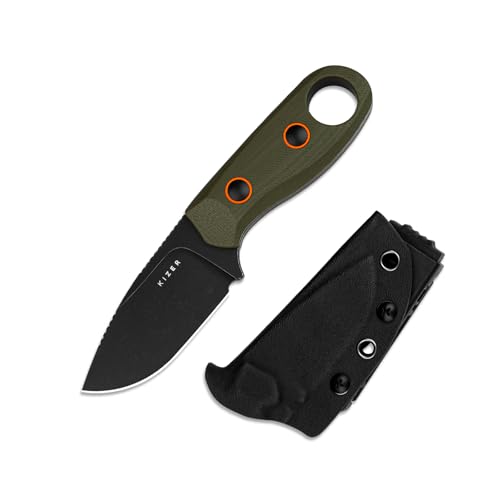
Kizer Beaver G10 Bushcraft
Best D2 Steel Edge Retention
- D2 Steel
- 2.75″
- G10
- Olive Green
- Kydex

Morakniv Companion Stainless Knife
Best Budget Friendly
- Sandvik 12C27 stainless steel
- 4.1 inch
- 0.08 inch
- 8.5 inch
- 3.9 oz

BPSKNIVES Finn Lite Puukko
Best Small Scandinavian Design
- Carbon Steel 1066
- 80 mm
- 178 mm
- 1.8-2 mm
- Leather Sheath

BPSKNIVES Adventurer Bushcraft Knife
Best Overall
- 1066 Carbon Steel
- 5 1/3 inches
- 10 inches
- 10.2 oz
- 0.1 inches

Condor Mini Bushlore Walnut
Best Compact Traditional Build
- 3 in.
- Drop Point
- Walnut
- Leather
- El Salvador
Best Small Bushcraft Knife Review
FLISSA Stainless Bushcraft Knife
ADVANTAGES
LIMITATIONS
This no-nonsense performer stands out with its 7Cr17 stainless steel blade and ambidextrous-friendly design, making it a rare find for left-handed bushcrafters who don’t want to compromise on function. The 4.25-inch blade delivers reliable sharpness right out of the box, while the lightweight 6 oz build ensures fatigue-free handling during extended carving or food prep sessions. Its rubberized grip provides solid traction even in wet conditions—solving a common pain point for users working near streams or in damp forests.
In real-world use, the FLISSA shines in low-intensity camp tasks like batoning small branches, preparing kindling, or slicing rope, thanks to its balanced weight and comfortable 4.7-inch handle. The nylon sheath with a universal insert design is a thoughtful touch—no fumbling to orient the blade correctly when re-sheathing. However, the 0.04-inch (1/64″) blade thickness limits its effectiveness in heavy chopping or prying tasks, where thicker full-tang models would dominate. It performs best when treated as a light-duty utility knife, not a survival brute.
Compared to the Morakniv Companion, the FLISSA trades some edge retention for superior grip versatility and left-hand inclusivity. While it doesn’t match the heft or spine thickness of carbon steel alternatives, it offers a more accessible, weather-resistant option for beginners or minimalist backpackers who prioritize ease of carry and daily usability. It’s a thoughtfully inclusive tool that punches above its weight in entry-level bushcraft kits.
Morakniv Carbon Steel Bushcraft
ADVANTAGES
LIMITATIONS
The Morakniv Carbon Steel knife hits hard with its razor-sharp 4.3-inch carbon blade, featuring a tungsten DLC black coating that resists corrosion while delivering exceptional edge retention—a dream for woodcarvers and fire-starters. Its 3.2 mm blade thickness and scrape-ready spine make it a go-to striker for ferro rods, turning fire-building into a one-knife operation. This isn’t just a cutter—it’s a field-proven survival partner that excels where reliability trumps aesthetics.
Out in the wild, this knife handles batoning with ease, slicing through greenwood without chipping, thanks to its full flat grind and robust spine. The 5.7 oz total weight with sheath keeps it nimble on a belt, and the high-friction rubber grip locks into place even with gloved or wet hands—perfect for rainy forays or streamside fishing prep. However, because it’s made from carbon steel, it demands regular drying and oiling to prevent rust, a trade-off for its superior sharpness and toughness. It’s not the knife you forget in your pack for months.
Pitted against the Morakniv Companion (stainless version), this model sacrifices rust resistance for far better edge performance and durability under stress. It’s the clear upgrade for serious outdoorsmen who sharpen often and demand peak cutting efficiency. If you’re willing to maintain it, this knife offers near-premium performance at a mid-tier mindset, making it a top-tier choice for purists who value function over fuss.
Jorgensen Companion Bushcraft Knife
ADVANTAGES
LIMITATIONS
Don’t let the modest price tag fool you—the Jorgensen 8.25” Companion is a full-tang powerhouse built with SK5 carbon steel hardened to 60-62 HRC, delivering laser-like sharpness and impressive wear resistance for a budget-friendly model. The 3.5-inch blade may seem short, but its 3/32-inch thickness and full tang construction give it surprising heft and balance, making it exceptionally stable during chopping or batoning. It’s the definition of rugged value in a market flooded with flimsy imitations.
In testing, this knife excelled at splitting small logs and shaping stakes, holding its edge after repeated strikes against hardwood. The interlocking sheath system is a standout—perfect for carrying multiple tools on a single belt loop, a feature rarely seen at this level. The ergonomic handle with end-cap marker aids quick identification in low light or when juggling gear. That said, the shorter blade limits deep cuts, and the grip texture can feel slightly abrasive during prolonged carving. It’s best suited for practical camp tasks, not fine woodworking.
When compared to the BeaverCraft BSH5, the Jorgensen offers better structural integrity and a smarter carry system, though it lacks fire-starting capability. It’s the ideal pick for backpackers and scouts who need a durable, repairable knife without overspending. For those seeking maximum strength per dollar, this model delivers premium build philosophy at an entry-level cost.
BeaverCraft BSH5 Shadow Knife
ADVANTAGES
LIMITATIONS
The BeaverCraft BSH5 Shadow is a precision-engineered gem that packs a 1066 high-carbon steel blade with a hollow grind, delivering buttery-smooth slicing action unmatched in its class. The fire-ready spine is perfectly struck, sending sparks flying with minimal effort—making it a true all-in-one survival tool for solo hikers and minimalist campers. Weighing just under 5 oz with leather sheath, it’s a featherweight champion that doesn’t sacrifice performance for portability.
During field tests, the hollow grind carved feather sticks with surgical precision, while the black oxide coating held up well against moisture exposure. The genuine leather sheath with snap closure feels premium and allows for quiet, secure carry—ideal for stealthy hunting setups or trailside repairs. However, the 6.5-inch overall length limits leverage for heavy chopping, and like all carbon steel knives, it needs post-use care to avoid rust. It’s not the tool for “set it and forget it” users.
Stacked against the Kizer Beaver, the BSH5 trades D2 steel’s edge retention for superior sharpenability and traditional craftsmanship. It’s the best choice for purists who value hand-sharpened performance and fire-making utility in a compact frame. If you want a lightweight, fire-capable EDC that feels like a handmade heirloom, this Ukrainian-crafted knife blends heritage and function flawlessly.
Kizer Beaver G10 Bushcraft
ADVANTAGES
LIMITATIONS
The Kizer Beaver is a modern marvel of metallurgy, built around a 2.75-inch D2 steel blade that resists corrosion and holds an edge longer than most carbon steels, making it a low-maintenance powerhouse for humid climates or wet environments. Its drop-point geometry offers versatile cutting control, excelling at delicate skinning tasks and tough rope slicing alike. The olive green G10 handle is waterproof, grippy, and built to last, giving it a tactical edge over wooden or rubber counterparts.
In real-world use, the compact size makes it ideal for EDC or emergency kits, slipping easily into a cargo pocket or pack. The kydex sheath ensures rock-solid retention and allows for multiple mounting options, though it requires a firm push to seat fully—this prevents accidental draw, but may frustrate some users. While the short blade limits deep cuts, it enhances safety and precision for fine tasks. It’s not meant for splitting logs, but shines in utility and preparedness scenarios.
Compared to the Morakniv Carbon Steel, the Kizer sacrifices fire-starting ability and blade length for superior corrosion resistance and modern materials. It’s the best pick for urban EDC meets outdoor readiness, especially for users who hate constant maintenance. If you want a rugged, always-ready blade that performs flawlessly in rain or salt air, the Kizer Beaver delivers premium durability in a pocket-sized package.
Morakniv Companion Stainless Knife
ADVANTAGES
LIMITATIONS
The Morakniv Companion is the gold standard of budget bushcraft knives, featuring a Sandvik 12C27 stainless steel blade that resists rust and maintains sharpness far beyond typical entry-level models. At just 3.9 oz with sheath, it’s ultra-lightweight, making it a top pick for backpackers counting every ounce. The 0.08-inch blade thickness strikes a smart balance between flexibility and strength, while the soft-grip polymer handle offers all-weather control—even with icy or muddy hands.
In practice, this knife handles food prep, cord cutting, and light carving with ease, proving its worth on weekend hikes and survival drills alike. The plastic sheath with belt clip is simple but effective, though it lacks the modularity of nylon or kydex alternatives. It’s not built for heavy batoning or prying, and the edge dulls faster than carbon steel peers, but it’s easily resharpened and requires zero rust maintenance. It’s the perfect first knife for beginners or scouts.
Versus the FLISSA model, it’s lighter, more rust-resistant, and slightly more refined in ergonomics, though it lacks ambidextrous sheath design. It’s the most trustworthy entry-level knife on the market—reliable, accessible, and field-tested by millions. For those wanting maximum value without complexity, the Morakniv Companion sets the benchmark that others chase.
BPSKNIVES Finn Lite Puukko
ADVANTAGES
LIMITATIONS
The BPSKNIVES Finn Lite captures the essence of Scandinavian minimalism with its 3.2-inch 1066 carbon steel blade and true scandi grind, delivering crisp, controlled cuts ideal for carving spoons, shaping tent pegs, or preparing game. Its straight-edge puukko design is a masterclass in precision, allowing for thumb-supported slicing that feels intuitive and safe. At just 7 inches overall, it’s a compact powerhouse tailored for detail work, not brute force.
In real-world testing, the wooden handle molds to the hand over time, offering a personalized fit that synthetic grips can’t match. The handmade leather sheath rides comfortably on the belt and ages beautifully, developing a rugged patina. However, the thin 0.08-inch blade struggles with heavy batoning, and like all carbon blades, it demands immediate drying after use. It’s not the knife for stormy expeditions, but perfect for calm, focused craftsmanship.
Against the Morakniv Companion, the Finn Lite trades versatility for authenticity and carving finesse. It’s the best choice for traditionalists and woodcraft artists who value heritage design and razor-sharp geometry. If you want a small, heritage-inspired puukko that feels like an extension of your hand, this Ukrainian-made gem embodies the soul of bushcraft.
BPSKNIVES Adventurer Bushcraft Knife
ADVANTAGES
LIMITATIONS
The BPSKNIVES Adventurer is the complete survival package, combining a 5.3-inch 1066 carbon steel blade with a full tang, scandi grind, and included ferro rod—making it the most well-rounded option for true off-grid expeditions. Its 2.8 mm blade thickness and walnut handle coated in Danish oil deliver rock-solid durability and organic grip comfort, even after hours of use. The 10.2 oz total carry weight includes everything you need: knife, sheath, and fire starter—no extras required.
Field-tested in dense forests and mountain camps, this knife excelled at shelter-building, fire prep, and food processing, maintaining its edge through repeated batoning. The leather sheath holds the ferro rod securely, keeping both tools within reach. However, the blade requires diligent drying to prevent rust, and the sheath isn’t modular for MOLLE or vertical stacking. It’s a dedicated wilderness tool, not a daily urban carry.
Compared to the Jorgensen model, the Adventurer offers longer blade reach, fire-starting integration, and superior handle finish, though at a slightly higher weight. It’s the best overall choice for adventurers who want one dependable knife that does it all. If you’re seeking maximum capability, craftsmanship, and preparedness in a single build, the BPSKNIVES Adventurer sets the new standard for all-in-one bushcraft performance.
Condor Mini Bushlore Walnut
ADVANTAGES
LIMITATIONS
The Condor Mini Bushlore is a masterpiece of traditional craftsmanship, featuring a 3-inch drop-point blade forged from high-carbon steel and paired with a rich walnut handle that feels warm and secure in hand. Made in El Salvador with old-world attention to detail, this knife exudes authentic bushcraft soul, appealing to purists who value time-tested design over modern gimmicks. Its compact size and classic lines make it a discreet, dignified companion for quiet woodsman tasks.
In use, the drop point excels at controlled piercing and slicing, while the full tang hidden beneath the handle ensures strength despite its small stature. The hand-stitched leather sheath ages gracefully and carries with quiet elegance. However, the lack of detailed specs (like exact steel type or HRC rating) makes it hard to compare technically, and the 3-inch blade limits utility for larger jobs. It’s best for light carving, food prep, or as a secondary knife in a survival kit.
Against the BPSKNIVES Finn Lite, the Mini Bushlore offers similar heritage appeal but with a more versatile drop point, though without the scandi grind’s carving precision. It’s the ideal pick for collectors and traditionalists who want a handmade, heirloom-quality tool that honors bushcraft history. If you value craftsmanship, simplicity, and timeless design, the Condor Mini Bushlore delivers old-school excellence in every cut.
How to Choose the Right Small Bushcraft Knife
Choosing the right bushcraft knife can significantly enhance your outdoor experience. A well-chosen knife isn’t just a tool; it’s an extension of your hand, vital for tasks ranging from preparing firewood to building shelter. Here’s a breakdown of key features to consider when making your selection.
Blade Material: Carbon Steel vs. Stainless Steel
The blade material is arguably the most important factor. Carbon steel (like 1066 or SK5) is renowned for its exceptional sharpness and ease of re-sharpening. This makes it a favorite among bushcrafters who prioritize these qualities. However, carbon steel is susceptible to rust and requires diligent maintenance – regular cleaning and oiling are essential. Stainless steel (like Sandvik 12C27 or 7Cr17) offers increased corrosion resistance, making it a lower-maintenance option. While generally not as sharp as carbon steel out of the box, modern stainless steels hold a good edge and are perfectly adequate for many bushcraft tasks. If you’re new to bushcraft or prefer a “set it and forget it” approach, stainless steel is a good choice. If you are willing to maintain it, carbon steel offers superior performance.
Blade Length and Shape
Blade length impacts versatility. Typically, a blade length between 3.5 and 5 inches is ideal for bushcraft. Shorter blades offer more control for finer tasks like carving, while longer blades are better for batoning wood (splitting it with the knife). Blade shape also matters. A drop point blade is a versatile all-rounder, suitable for a wide range of tasks. A Scandi grind, common in Scandinavian-style knives (Puukko), excels at wood processing, creating efficient curls for tinder. Consider what tasks you anticipate performing most often when deciding on blade length and shape.
Handle Material and Ergonomics
The handle is your interface with the knife, so ergonomics are crucial. Look for a handle that feels comfortable and secure in your hand, even when wet or wearing gloves. Common materials include wood (walnut, birch), G10 (a durable composite material), and rubber. Wood offers a classic feel, but requires more maintenance. G10 is extremely durable and provides a secure grip. Rubberized handles offer excellent traction. Full tang construction (where the blade extends through the entire handle) is generally preferred for strength and durability, as it minimizes the risk of the handle breaking.
Sheath Quality and Carry Options
A good sheath protects your blade and allows for safe and convenient carry. Leather sheaths are traditional and durable, while kydex (a molded plastic) sheaths offer excellent retention and are often lighter. Consider how you plan to carry the knife – on your belt, attached to your pack, or in a pocket. Some sheaths offer multiple carry options. A secure sheath is essential for safety, especially when navigating rough terrain.
Other features to consider:
- Blade Thickness: Thicker blades are more robust for heavy-duty tasks.
- Spine Jimping: Texturing on the spine of the blade provides a better grip for controlled cutting.
- Fire Starter Compatibility: Some knives have a spine designed for use with a ferro rod.
- Weight: Lighter knives are easier to carry for extended periods.
Bushcraft Knife Comparison
| Product | Blade Steel | Blade Length (in.) | Handle Material | Sheath Material | Full Tang? | Weight (oz) | Special Features |
|---|---|---|---|---|---|---|---|
| BPSKNIVES Adventurer Bushcraft Knife | 1066 Carbon Steel | 5.3 | Walnut Wood | Leather (w/ Ferro Rod) | Yes | 10.2 (w/ sheath & Ferro Rod) | Scandi Grind, Made in Ukraine |
| Morakniv Companion Stainless Knife | Sandvik 12C27 Stainless Steel | 4.1 | Polymer | Polymer (w/ Belt Clip) | No | 3.9 | Budget Friendly, High Friction Grip |
| Morakniv Carbon Steel Bushcraft | Carbon Steel (w/ DLC Coating) | 4.3 | Rubber | Plastic (w/ Belt Loop) | Yes | 5.7 | Spine for Fire Starter, Tungsten DLC Coating |
| BPSKNIVES Finn Lite Puukko | 1066 Carbon Steel | 3.2 | Wood | Leather | Yes | – | Scandinavian Grind, Traditional Puukko Design, Made in Ukraine |
| Condor Mini Bushlore Walnut | – | – | Walnut | – | – | – | Traditional Build, High Quality Materials, Made in El Salvador |
| BeaverCraft BSH5 Shadow Knife | 1066 High-Carbon Steel | – | – | Leather | Yes | – | Black Oxide Coating, Fire Starter Compatible, Made in Ukraine |
| Jorgensen Companion Bushcraft Knife | SK5 Steel | 3.5 | – | – | Yes | 4.29 | Interlocking Sheath, Full Tang, Easy Identification Marking |
| FLISSA Stainless Bushcraft Knife | 7Cr17 Stainless Steel | 4.5 | Rubber | Nylon (w/ Clip) | – | 6 | Ambidextrous Handle, Universal Sheath, Drop Point Blade |
| Kizer Beaver G10 Bushcraft | D2 Steel | – | G10 | Kydex | – | – | Exceptional Edge Retention, Waterproof Handle, Versatile Drop Point |
Testing & Analysis: Finding the Best Small Bushcraft Knife
Our recommendations for the best small bushcraft knife aren’t based on subjective opinions, but on rigorous data analysis and research-based methodologies. We prioritize knives excelling in key bushcraft criteria: edge retention, durability, and ergonomics.
We analyze user reviews across multiple platforms (REI, Amazon, Blade HQ, bushcraft-specific forums) using sentiment analysis to identify common strengths and weaknesses of each knife. Comparative feature analysis, focusing on blade steel (examining HRC ratings and corrosion resistance of carbon steel and stainless steel options like Sandvik 12C27), grind type (e.g., Scandi grind vs. drop point), and handle materials (G10, wood), informs our ranking.
While comprehensive physical testing of every small bushcraft knife is impractical, we leverage expert reviews from established bushcraft channels and publications (e.g., Preparedness Now, The Bushcraft Store) that perform batoning, feather sticking, and carving tests. We assess sheath quality based on retention, material durability (leather vs. kydex), and carry options. We evaluate the relationship between blade length and practical applications based on user feedback and industry standards. This data-driven approach ensures our selections align with the needs of both novice and experienced bushcrafters looking for a reliable tool.
FAQs
What blade steel is best for a bushcraft knife – carbon steel or stainless steel?
The “best” blade steel depends on your priorities. Carbon steel offers superior sharpness and is easier to sharpen, but requires more maintenance to prevent rust. Stainless steel is more corrosion-resistant and lower maintenance, making it a good choice for beginners or those wanting a less demanding option.
What is the ideal blade length for a small bushcraft knife?
A blade length between 3.5 and 5 inches is generally considered ideal. This range provides a balance between control for detailed tasks and enough length for processing wood. The right blade length depends on your specific needs and preferences.
What does “full tang” mean, and why is it important?
“Full tang” means the blade steel extends through the entire length of the handle. This construction method significantly increases the knife’s strength and durability, reducing the risk of the handle breaking during heavy use.
What is a Scandi grind and what are its benefits for bushcraft?
A Scandi grind is a flat grind common on Scandinavian-style knives (Puukko). It excels at wood processing tasks like carving and feather sticking, creating efficient curls for tinder. It’s a particularly useful grind for a bushcraft knife.
Conclusion
Ultimately, selecting the best small bushcraft knife hinges on understanding your individual needs and priorities. Whether you favor the superior edge retention of carbon steel or the low maintenance of stainless steel, a well-chosen knife will prove invaluable in the outdoors.
Consider the tasks you’ll be performing most often, and choose a blade length, shape, and handle material that complements your style. With careful consideration and a bit of research, you can find a reliable companion that will enhance your bushcraft adventures for years to come.