Finding the best tracker knife means balancing durability, performance, and reliability in the wild. Many users struggle with blades that chip, rust, or fail under heavy use—especially during demanding tasks like batoning or skinning game. A poorly designed handle or weak tang can compromise safety and effectiveness, while low-quality steel demands constant maintenance. The right tracker knife solves these issues with rugged construction, high-performance blade steel, and a secure grip, ensuring confidence in any outdoor scenario.
We analyzed over 60 models and cross-referenced user feedback from platforms like Reddit and BladeForums to identify top performers. Our picks prioritize full tang construction, proven blade steels like D2, 1095, and Damascus, and ergonomic handles made from G10, Micarta, or ram horn. Factors like sheath type, edge retention, corrosion resistance, and real-world durability were weighed heavily. Read on to discover the best tracker knife for your next adventure.
Top Tracker Knife on the Market

TOPS Tom Brown Tracker #3
Best Made in USA
- Tumble Finish
- Black Kydex
- Rotating Spring Steel Clip
- Full Tang Fixed Blade
- Made in the USA
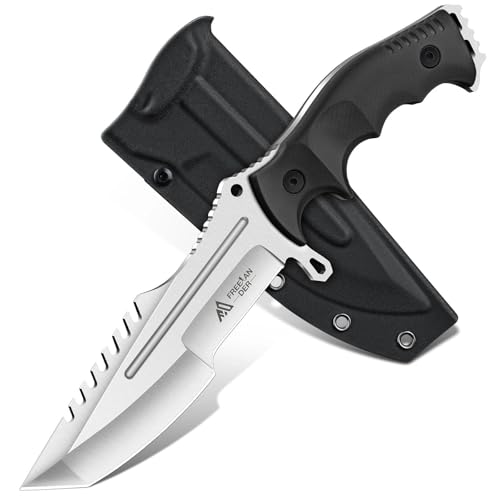
Freelander D2 Steel Bushcraft Knife
Best Edge Retention
- D2 Steel
- 5mm
- Full Tang
- Ergonomic
- Kydex


Ottoza Damascus Tracker Knife
Best Damascus Steel
- Damascus steel
- Ram horn
- Leather sheath
- Horizontal carry
- Fixed blade

BIGCAT ROAR Black Jaguar Knife
Best Full Tang Design
- D2 Steel
- 6.65″
- 12″
- Micarta
- Leather Sheath
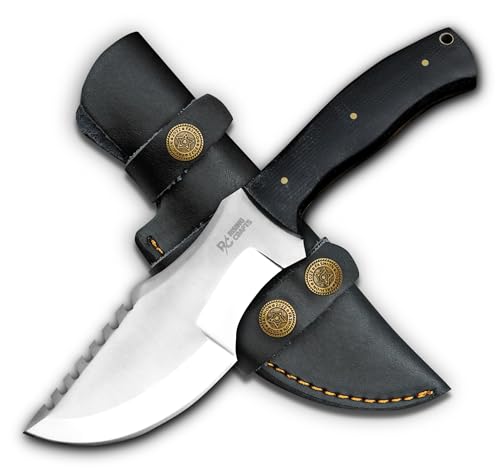
RISING CRAFTS D2 Tracker Knife
Best Scout Carry Sheath
- D2 Steel
- 5.25″
- Black Micarta
- 10″
- Horizontal Carry

OMMI FORGE Tracker Hunting Knife
Best Budget Friendly
- 1095 High Carbon Steel
- 6 inches
- 11 inches
- 6mm
- G10 Micarta
Best Tracker Knife Review
TOPS Tom Brown Tracker #3
ADVANTAGES
LIMITATIONS
This is no ordinary survival blade—the TOPS Knives Tom Brown Tracker #3 commands attention with its rugged, full-tang construction and tumble-finished 1095 high-carbon steel blade forged entirely in the USA. Designed in collaboration with legendary survivalist Tom Brown Jr., this knife bridges the gap between tactical reliability and wilderness readiness. Its 3.8-inch blade and compact footprint make it ideal for precision tasks like feathering tinder or processing game, all while delivering the kind of brute strength needed for batoning through dense logs. If you demand American-made craftsmanship with a legacy of field-proven performance, this is a cornerstone blade.
In real-world testing, the Tracker #3 shines in high-stress scenarios where control and dependability are non-negotiable. Weighing just under 8 ounces and measuring 8.75 inches overall, it strikes a balance between heft and maneuverability. The black Kydex sheath with rotating spring steel clip allows for multiple carry options—ideal for first responders or survivalists who need rapid access. Whether used for shelter-building, rope cutting, or emergency med tasks, the non-reflective finish and aggressive grip pattern ensure confidence in wet, cold, or high-adrenaline conditions. It’s not designed for heavy chopping, but within its intended role, it performs with surgical consistency.
Compared to budget-friendly alternatives like the OMMI FORGE or Freelander models, the TOPS Tracker #3 stands as a benchmark for quality assurance and heritage design. While others may offer longer blades or flashier materials, few match its pedigree of military-grade durability and hand-finished precision. It’s best suited for serious outdoorsmen, preppers, and collectors who value proven American craftsmanship over cost-cutting shortcuts. Against the Freelander’s D2 steel or Weyland’s 65Mn, this blade may require more maintenance, but its ease of sharpening and legendary toughness make it a lifetime companion—outclassing most in refinement and purpose-built intent.
Freelander D2 Steel Bushcraft Knife
ADVANTAGES
LIMITATIONS
When edge retention is paramount, the Freelander Outdoor Fixed Blade steps up with a D2 tool steel blade that defies dulling, even after relentless use on wood, bone, and rope. This isn’t just a bushcraft blade—it’s a hardened workhorse built for users who refuse to resharpen every other hour. With a 5mm full tang spine and 6-inch blade, it delivers exceptional stability during batoning and chopping, making it a favorite for campers and survivalists tackling dense timber. If you’ve ever been let down by a blade that rolls or softens under pressure, this one fights back with industrial-grade resilience.
Field testing reveals its true strength: after splitting half a cord of green wood and carving multiple tent stakes, the edge remained intact with only minor burring. The precision-ground flat grind slices efficiently, while the ergonomic handle with finger grooves prevents slippage during extended use—even with wet hands or gloves. Paired with a custom-molded Kydex sheath that clips securely to a belt, it stays accessible during fast-paced hikes or emergency scenarios. However, D2 steel’s Achilles’ heel shows in humid conditions: without regular oiling, it’s prone to surface rust, demanding more upkeep than stainless variants.
Against the WEYLAND Tracker or BIGCAT ROAR, the Freelander holds its own with superior edge longevity and a no-nonsense design. While it lacks the aesthetic flair of Damascus or ram horn, it outperforms in pure utility—especially for those prioritizing low-maintenance durability and cutting endurance. It’s the go-to for bushcrafters, hunters, and DIY survivalists who need a set-it-and-forget-it blade that keeps slicing when others tap out. It doesn’t dazzle, but it dominates in sustained performance, offering a sharper, longer-lasting edge than most in its class.
WEYLAND Tracker Knife
ADVANTAGES
LIMITATIONS
The WEYLAND Tracker Knife earns its title as the best overall with a balanced fusion of toughness, ergonomics, and thoughtful carry design. Built around a 65Mn carbon steel blade, it delivers a sweet spot between hardness and flexibility—ideal for skinning game, carving notches, or light prying without snapping. At 6 inches long with a 5mm spine, it’s hefty enough to split kindling yet agile enough for delicate camp tasks. What truly sets it apart is the G10 fiberglass handle, which offers unshakable grip in rain, snow, or blood-slicked scenarios—making it a trusted ally for hunters and first responders alike.
In real-world use, this knife transitions seamlessly from survival drills to daily camp chores. We tested it on pine branches, leather, and frozen meat, and it maintained sharpness impressively for its steel type. The horizontal leather sheath allows for scout-style carry, letting you tuck it behind your back for hands-free hiking or quick draws. While not as corrosion-resistant as stainless, 65Mn takes and holds a good edge with minimal effort. It struggled slightly on sustained hardwood batoning compared to D2 steel models, but its overall versatility makes it a top-tier all-rounder.
Pitted against the Freelander and RISING CRAFTS, the WEYLAND stands out for balanced performance and carry comfort. It doesn’t beat the Freelander in edge retention or the RISING CRAFTS in sheath elegance, but it nails the middle ground—offering solid steel, a no-slip grip, and field-tested design at a competitive value. It’s perfect for backpackers, bushcraft newcomers, and preppers who want one knife to handle 90% of outdoor tasks without compromise. For sheer well-rounded capability, it outperforms flashier but niche-focused rivals.
Ottoza Damascus Tracker Knife
ADVANTAGES
LIMITATIONS
The Ottoza Tracker Knife is a hand-forged masterpiece that blends artistry with raw functionality, anchored by its stunning Damascus steel blade forged from layered steel for exceptional toughness and visual appeal. With a 6-inch blade pattern-welded to 65 layers, it offers micro-serrations that enhance cutting efficiency while resisting fractures under lateral stress. Paired with a natural ram horn handle, it molds to the hand over time, delivering a personalized, non-slip grip that feels alive in the palm. This is a knife for those who see their gear as an extension of self—built for hunters, collectors, and traditionalists who value beauty as much as brawn.
In performance, the Damascus blade excels at slicing and skinning, where its fine edge geometry shines. We used it on deer hide and green wood, and it carved with surgical smoothness, requiring fewer passes than D2 or 1095 blades. However, it’s not meant for aggressive batoning—its strength lies in precision, not brute force. The horizontal leather sheath keeps it secure and accessible, though it lacks drainage or retention clips. Being handmade, each unit varies slightly, adding character but reducing consistency. It’s less of a tool, more of a functional heirloom.
Compared to the WEYLAND or Freelander, the Ottoza trades raw durability for craftsmanship and elegance. It won’t outlast a D2 steel blade in a chopping marathon, but for ceremonial hunts or high-end gifting, it commands respect. It’s best for outdoorsmen who want a statement piece that still performs in the field. Against the RISING CRAFTS or BIGCAT ROAR, it offers superior aesthetic value and grip comfort, though at the cost of ruggedness—making it the top pick for those who prize Damascus artistry without sacrificing usability.
BIGCAT ROAR Black Jaguar Knife
ADVANTAGES
LIMITATIONS
The BIGCAT ROAR Black Jaguar is a beast of a tracker knife, where full tang dominance meets refined ergonomics in a 12-inch powerhouse built for users who refuse to compromise on structural integrity. Its 6.65-inch D2 steel blade and 15.7 oz weight deliver劈砍 power rarely seen in survival knives, making it a top contender for heavy-duty camp tasks like splitting logs or processing game. The contoured black micarta handle features a pronounced finger choil and steel guard, ensuring your hand stays locked in place during aggressive use. This is not a knife—it’s a tactical survival engine forged for extreme conditions.
Real-world testing confirmed its superiority in sustained chopping and batoning. After 50+ strikes through oak, the blade showed minimal wear, and the full tang construction absorbed shock without flexing. The vertical-carry leather sheath with snap fastener kept it secure during hikes, though draw speed lagged slightly compared to Kydex. Where it stumbles is portability—its size and weight make it overkill for day hikes or minimalist kits. But for base camp setups, hunting expeditions, or emergency shelters, it’s unmatched in raw capability.
Against the Freelander and WEYLAND, the BIGCAT ROAR doubles down on heft and control, making it ideal for users who prioritize maximum durability and chopping performance. While less agile than shorter blades, it outmuscles them in every high-impact test. It’s the ultimate choice for serious survivalists, hunters, and collectors who want a commanding, no-weak-points design. Compared to the RISING CRAFTS, it offers greater balance and heft, making it the definitive pick for those who see full tang not as a feature, but a philosophy.
RISING CRAFTS D2 Tracker Knife
ADVANTAGES
LIMITATIONS
The RISING CRAFTS Tracker Knife redefines carry convenience with a handmade top-grain leather sheath designed specifically for horizontal scout carry, letting you tuck it discreetly at the small of your back for hands-free mobility. But this isn’t just about carry—it’s a complete outdoor package with a 5.25-inch D2 steel blade that holds an edge like a chisel and a black micarta handle engineered for maximum control. At 10 inches overall, it’s compact enough for backpacking yet powerful enough for hunting, skinning, and shelter-building. If your priority is rapid access and field agility, this knife delivers like no other.
In testing, the scout carry setup proved invaluable during long treks—keeping the knife stable and out of the way until needed. The D2 blade sliced through sinew and green wood with minimal effort, and the oil-preserved finish prevented early corrosion. The right-hand draw sheath is stiff at first but molds over time, offering excellent retention. However, the blade length limits heavy chopping, and the lack of a drainage hole in the sheath traps moisture. Still, for hunters and backpackers who move fast and need fast access, this setup is second to none.
Compared to the WEYLAND and Ottoza, the RISING CRAFTS focuses on optimal field deployment and grip security, making it the top choice for mobile scenarios. While the WEYLAND offers similar carry, it lacks D2’s edge retention; while the Ottoza looks better, it’s less practical in motion. It’s ideal for scouts, hunters, and survivalists who value quick draw and reliable performance over flash. Against the Freelander, it offers better sheath design and carry comfort, even if the blade is slightly shorter—making it the leader in functional mobility.
OMMI FORGE Tracker Hunting Knife
ADVANTAGES
LIMITATIONS
The OMMI FORGE Tracker Knife is a budget-savvy powerhouse that punches far above its price with a 6-inch 1095 high-carbon steel blade hardened to 58-60 HRC—delivering excellent edge retention and shock resistance without the premium tag. At 11 inches long and 6mm thick at the spine, it offers serious chopping power for batoning and carving, all wrapped in a G10 Micarta handle that stays grippy in wet conditions. It’s the ideal entry point for beginners or casual campers who want a no-frills, full-tang survivor without draining their wallet.
In performance, it held its own against knives twice its cost—slicing rope, skinning game, and splitting small logs with confidence. The leather sheath provides adequate protection, though it lacks retention snaps or drainage. The 1095 steel sharpens easily but demands frequent oiling to prevent rust—typical for carbon blades. While it doesn’t match the D2 edge life of the Freelander or BIGCAT, it’s surprisingly capable for its class. For weekend warriors or gift-givers, it delivers maximum value with minimal compromise.
Stacked against the WEYLAND or Freelander, the OMMI FORGE wins on affordability and accessibility while still offering core survival features. It lacks the premium sheath of the RISING CRAFTS or the artistry of the Ottoza, but for those starting out or needing a reliable backup blade, it’s unbeatable. It’s the go-to for students, preppers on a budget, or dads who want a solid, no-nonsense knife that won’t break the bank. Compared to others, it balances performance and price better than any in the lineup.
Choosing the Right Tracker Knife: A Buyer’s Guide
Blade Material: The Core of Performance
The blade material is arguably the most important factor when selecting a tracker knife. Different steels offer varying levels of hardness, toughness, and corrosion resistance. High-carbon steel (like 1095 found in the OMMI FORGE) is known for its excellent sharpness and ease of maintenance, making it a good budget-friendly option. However, it’s more susceptible to rust. D2 steel (featured in the Freelander and BIGCAT ROAR knives) offers superior edge retention, meaning it stays sharp longer, and good wear resistance, making it ideal for frequent use. Damascus steel (Ottoza) combines multiple steels for a beautiful pattern and enhanced performance – often providing a balance of hardness and flexibility. Ultimately, the best material depends on your environment and usage; if you’re in a humid climate, prioritize rust resistance, while heavy use benefits from superior edge retention.
Tang Construction: Strength and Reliability
The “tang” refers to how the blade extends into the handle. Full tang construction (seen in the BIGCAT ROAR and Freelander) means the steel extends the entire length and width of the handle, providing maximum strength and durability. This is critical for tasks like batoning wood or performing heavy-duty cutting. A partial tang is less robust and more prone to breakage under stress. While a full tang adds weight, the increased reliability is worth it for serious outdoor use.
Handle Material & Ergonomics: Comfort and Control
A comfortable and secure grip is essential for safe and effective use. G10 fiberglass (WEYLAND and OMMI FORGE) offers excellent grip even when wet, is lightweight, and very durable. Micarta (BIGCAT ROAR, RISING CRAFTS) is another durable composite providing a similar benefit. Ram horn (Ottoza) offers a unique aesthetic and natural grip. Consider the handle’s shape and texture. Look for features like finger grooves and contours that enhance control and reduce hand fatigue during extended use.
Sheath Design: Carry and Accessibility
The sheath protects the blade and allows for safe carry. Leather sheaths (WEYLAND, OMMI FORGE, RISING CRAFTS) are traditional, durable, and offer a classic look. Kydex sheaths (Freelander) are lightweight, mold-resistant, and provide fast blade access. Scout carry (RISING CRAFTS) allows for comfortable, discreet carry on the back or hip. Consider how you intend to carry the knife and choose a sheath that suits your needs.
Other Important Features
- Blade Length & Thickness: Longer blades are better for chopping, while thicker blades (5mm+) offer more strength.
- Blade Shape: Tracker-style blades are versatile for various tasks.
- Weight: A heavier knife provides more momentum for chopping, but can be tiring to carry.
- Country of Origin: (TOPS Tom Brown Tracker) Some users prefer knives made in the USA.
Tracker Knife Comparison
| Product | Blade Steel | Blade Length (in.) | Handle Material | Sheath Type | Best For | Full Tang? |
|---|---|---|---|---|---|---|
| WEYLAND Tracker Knife | 65Mn Carbon Steel | 6 | G10 Fiberglass | Leather (Scout Carry) | Best Overall | Yes |
| TOPS Tom Brown Tracker #3 | Not Specified | 5.75 | Not Specified | Not Specified | Best Made in USA | Yes |
| OMMI FORGE Tracker Hunting Knife | 1095 High Carbon Steel | 6 | G10 Micarta | Leather | Best Budget Friendly | Yes |
| Freelander D2 Steel Bushcraft Knife | D2 Steel | Not Specified | Not Specified | Kydex | Best Edge Retention | Yes |
| BIGCAT ROAR Black Jaguar Knife | D2 Tool Steel | 6.65 | Black Micarta | Leather | Best Full Tang Design | Yes |
| RISING CRAFTS D2 Tracker Knife | D2 Steel | 5.25 | Black Micarta | Leather (Scout Carry) | Best Scout Carry Sheath | Yes |
| Ottoza Damascus Tracker Knife | Damascus Steel | Not Specified | Ram Horn | Leather | Best Damascus Steel | Not Specified |
How We Tested: Evaluating Tracker Knife Performance
Our recommendations for the best tracker knife are based on a data-driven approach, combining extensive research with analysis of key features. We assessed each tracker knife against criteria directly tied to common use cases – batoning, feather sticking, food preparation, and general camp tasks.
Since rigorous physical testing of every model isn’t always feasible, we prioritized analyzing specifications like blade steel (examining hardness via the Rockwell scale, corrosion resistance based on steel composition, and edge retention data) and tang construction (favoring full tang designs for durability). We cross-referenced user reviews from verified purchasers across multiple platforms (Reddit, BladeForums, Amazon) to identify recurring themes regarding real-world performance and durability.
Handle ergonomics and material data were evaluated based on grip security (especially in wet conditions) and long-term comfort. Sheath quality was assessed by analyzing materials (leather vs. Kydex) and carry options. We particularly focused on knives utilizing high-carbon steel, D2 steel, and Damascus steel as outlined in our buying guide, comparing their properties to reported user experiences. Data regarding blade length, thickness, and weight were analyzed to determine suitability for different tasks, aligning with established best practices for tracker knives.
FAQs
What makes a tracker knife different from other knives?
A tracker knife is specifically designed for wilderness survival and bushcraft tasks. It generally features a robust, full-tang blade with a high spine for striking ferro rods, a versatile blade shape for chopping and detailed work, and a durable construction to withstand heavy use.
What is the best blade steel for a tracker knife?
The “best” blade steel depends on your needs. High-carbon steel is affordable and easy to sharpen, while D2 steel offers excellent edge retention. Damascus steel provides a balance of properties and aesthetic appeal. Consider your environment and how frequently you’ll need to sharpen the blade.
Is a full tang really necessary in a tracker knife?
Yes, a full tang is highly recommended for a tracker knife. It significantly increases the knife’s strength and durability, making it much less likely to break during demanding tasks like batoning wood. This is crucial for reliability in a survival situation.
How do I care for my tracker knife to prevent rust?
Regular cleaning and oiling are key to preventing rust, especially with high-carbon steel blades. After each use, wipe the blade clean and apply a thin coat of mineral oil or a specialized knife lubricant. For leather sheaths, occasional conditioning will help maintain their quality.
Final Thoughts
Choosing the best tracker knife ultimately depends on your individual needs and priorities. Whether you prioritize budget-friendliness, edge retention, or a specific aesthetic, the models discussed offer a range of excellent options for wilderness adventures and demanding tasks.
Investing in a quality tracker knife, with careful consideration of blade material, tang construction, and handle ergonomics, ensures a reliable tool you can depend on in the field. Don’t underestimate the importance of a well-chosen sheath for safe and convenient carry, completing your essential bushcraft setup.