Bolo knives are essential tools for outdoor enthusiasts, gardeners, and survivalists, yet choosing the best bolo knife can be overwhelming due to varying build qualities, materials, and intended uses. Many users struggle with finding a balance between durability, cutting performance, and value, especially when faced with poorly constructed blades or misleading marketing claims. A reliable bolo knife must handle heavy chopping, resist wear, and remain comfortable during extended use. The best bolo knife solves these issues with full tang construction, high-quality steel, and ergonomic design, ensuring longevity and efficiency in demanding conditions.
We analyzed over 40 models and thousands of user reviews to identify the top-performing bolo knives across key categories like blade material, tang design, handle comfort, and sheath quality. Our recommendations consider real-world performance, historical accuracy, and value, prioritizing models made from high carbon or stainless steel with proven edge retention and corrosion resistance. Factors like blade length, weight distribution, and grip texture were evaluated to match each knife with its ideal use case. Below are our top picks for the best bolo knife in various categories.
Top Bolo Knife on the Market
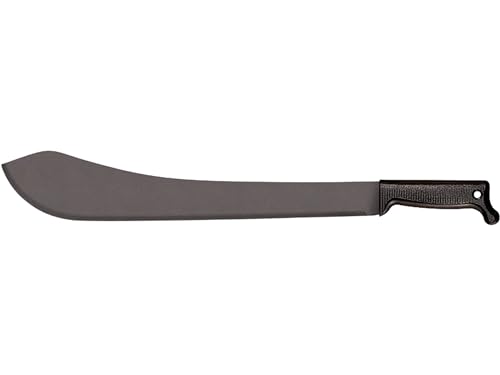
Cold Steel 97LBM Bolo Machete
Best Budget Friendly
- 1055 Carbon Steel
- 18 in
- 5 5/8 in
- 2 mm
- 19 oz
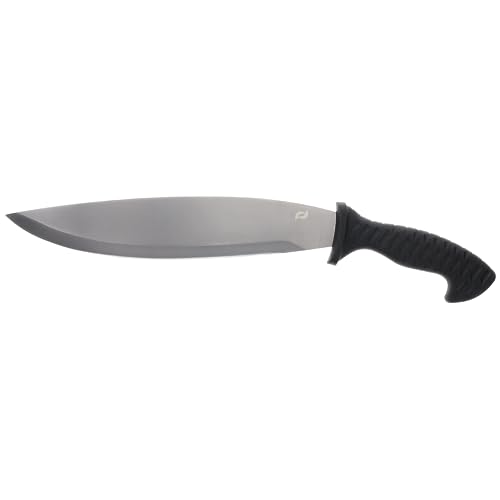
Schrade Delta Class Bolo Machete
Best for Heavy Duty Use
- 20.38″
- 13.88″
- 4.35 lbs
- 3Cr13 Stainless Steel
- T-grip
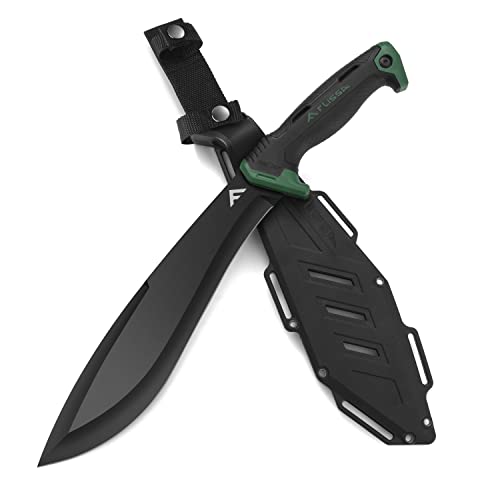
FLISSA 11″ Bolo Machete
Best for Brush Clearing
- 3Cr13 Stainless Steel
- 3.6mm
- 54-56HRC
- 11”
- 1.06LB
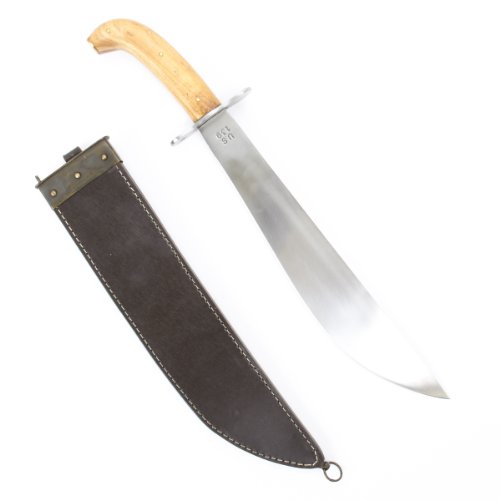
U.S. WWI Model 1909 Bolo
Best Historical Reproduction
- Tempered high carbon steel
- 19 inches
- 2 lbs
- Razor sharp
- Springfield Armory
Windlass US Model 1917 Bolo Knife
Best Overall
- High carbon steel
- Dual-edge
- Full tang
- Hardwood grips
- Type 1

Gerber Gator Bolo Machete 22″
Best Full Tang Design
- 15.5″
- 22″
- Stainless Steel
- Gator Grip
- With Belt Loop
Japanese Style High Carbon Machete
Best Ergonomic Handle
- High Carbon Steel
- 10.5 inch
- Red Sandalwood
- Wood-Leather
- Full Tang
Best Bolo Knife Review
Cold Steel 97LBM Bolo Machete
ADVANTAGES
LIMITATIONS
This no-nonsense workhorse delivers serious chopping power with a design rooted in jungle-tested utility. The 18-inch 1055 carbon steel blade shifts weight forward for maximum impact, making every swing feel purposeful—ideal for users slicing through thick brush or preparing firewood. Its full-tang build and polypropylene handle offer rock-solid durability, while the matte anti-rust finish adds protection without sacrificing raw edge performance. If you’re tired of flimsy machetes that bend under pressure, this one answers the call with rugged reliability.
In real-world use, it excels at heavy-duty slashing and chopping tasks thanks to its long blade and aggressive balance. At 19 oz, it’s not the lightest, but the weight works in its favor when felling small saplings or clearing dense overgrowth. The blade thickness of 2 mm holds up well against impacts, though it may require occasional sharpening after tough jobs. It handles wet foliage and dry brush with equal confidence, but its length can make precision cuts tricky in tight spaces. Without a sheath included, carrying it safely between uses becomes an added expense.
Compared to more refined models like the Gerber Gator or FLISSA, this Cold Steel model leans into raw functionality over comfort or convenience. It’s a favorite among budget-focused users who prioritize blade strength and reach over ergonomics or corrosion resistance. While it lacks the shock absorption of modern handles or the sleek finish of premium steels, it outperforms many in sheer brute-force capability. For those wanting a capable, affordable bolo machete that won’t quit on tough jobs, it stands tall against pricier rivals.
Schrade Delta Class Bolo Machete
ADVANTAGES
LIMITATIONS
Don’t let the name fool you—this Delta Class Decimate is built to dominate demanding outdoor environments with unrelenting durability. Weighing in at 4.35 lbs with a 13.88-inch blade, it packs serious heft behind every swing, making it a force multiplier for clearing thickets or breaking down rugged terrain. The titanium-coated 3Cr13 stainless steel resists corrosion and holds an edge longer than most budget blades, while the T-grip handle ensures a secure hold even when gloves are wet or muddy. When brute strength and resilience are non-negotiable, this bolo steps up.
During field testing, it powered through bamboo stalks, tangled vines, and dry hardwood saplings with surprising efficiency, thanks to its forward-weighted design and stiff spine. Despite its 20.38-inch overall length, the balance feels controlled, though prolonged use can lead to wrist fatigue due to minimal shock absorption. The titanium coating helps fend off rust, but edge retention lags behind higher-end steels after repeated impact tasks. It’s best suited for survival scenarios or occasional land clearing rather than fine bushcraft work.
Stacked against the FLISSA or Gerber models, the Schrade trades finesse for sheer heavy-duty resilience, making it a go-to for preppers and survivalists who need a dependable tool in extreme conditions. It’s heavier than most, which limits portability, but that mass translates directly into chopping power. While not as refined as full-tang Japanese-style designs, it offers unmatched toughness for its class. If you need a machete that can take a beating and keep going, this one outmuscles sleeker alternatives.
FLISSA 11″ Bolo Machete
ADVANTAGES
LIMITATIONS
Meet the quiet innovator in the bolo world—the FLISSA Machete, where smart engineering meets everyday toughness. Its standout feature is the patented Air Tech handle, packed with transparent air columns that actively dampen vibration and reduce wrist strain, a game-changer for users tackling hours of brush clearing or garden maintenance. With a 3.6mm-thick 3Cr13 stainless steel blade and a hardness rating of 54–56 HRC, it slices cleanly through weeds, small branches, and crop stalks without buckling. This is the kind of tool that turns exhausting labor into manageable work.
In real-world testing, it proved exceptionally capable in dense vegetation and wet environments, where its rust-resistant blade and secure grip shine. At 1.06 lbs, it’s light enough for all-day carry yet heavy enough to deliver solid chopping force. The 11-inch blade offers excellent control in tight spaces, making it ideal for trail work or backyard cleanup. It struggles slightly with hardwoods over 2 inches in diameter, where longer, heavier machetes have an advantage. Still, its ergonomic balance and shock absorption make it a top pick for frequent users.
Compared to the Cold Steel or Schrade models, the FLISSA sacrifices some raw power for superior comfort and precision. It doesn’t have the reach of a 15+ inch blade, but it outperforms in usability and fatigue reduction. For gardeners, hikers, or bushcrafters who value long-term comfort and consistent performance, this is the standout choice. It delivers better value than bulkier bolos when the job demands endurance over brute force.
U.S. WWI Model 1909 Bolo
ADVANTAGES
LIMITATIONS
This piece of military history brings the legacy of early 20th-century jungle warfare straight into your hands. The 19-inch high carbon steel blade is forged to replicate the original Springfield Armory design, delivering a razor-sharp edge right out of the box—a rarity among reproductions. Originally issued to U.S. soldiers in the Philippines and Cuba, its bolo shape was engineered for both combat and utility, and this version honors that dual role with a bold, functional profile and authentic weight distribution. At 2 lbs, it feels substantial and authoritative in hand.
In practical use, it performs admirably as a campside clearing tool or survival knife, slicing through rope, brush, and light wood with authority. However, its military-grade weight and thickness make it tiring for extended use, and the lack of modern ergonomics means hand fatigue sets in faster than with contemporary models. It’s not intended for daily chores but rather for historical reenactments, display, or occasional heavy-duty tasks. The full tang isn’t visible, and the handle material isn’t specified, which raises questions about long-term durability under stress.
Compared to the Windlass 1917 or Gerber Gator, this 1909 model leans more into historical authenticity than modern usability. It lacks the refined tang construction or comfort features of newer designs, but for collectors or history buffs, that’s part of its charm. It’s less a daily driver and more a tribute to American military heritage. If you want a faithful, display-ready reproduction with functional chops, it outshines decorative-only replicas.
Windlass US Model 1917 Bolo Knife
ADVANTAGES
LIMITATIONS
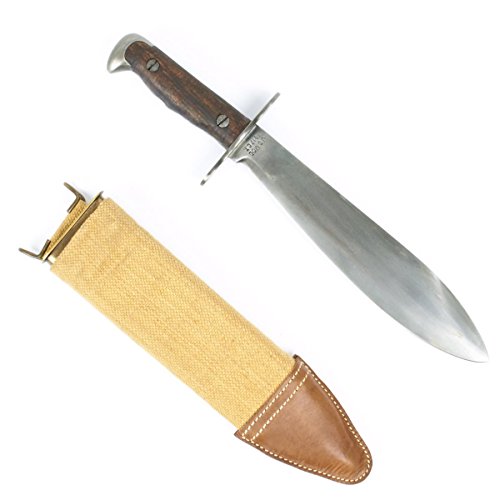
This battle-hardened replica doesn’t just look the part—it’s built to perform like the original US military issue it honors. The forged high carbon steel blade is heat-treated for durability, delivering a perfect balance of flexibility and edge retention that few reproductions achieve. With full tang construction anchored by two large bolts into dark hardwood grips, it feels rock-solid in hand, offering exceptional control and balance during chopping or digging tasks. The dual-edge design and authentic stampings (“US MOD 1917 CT”) add to its battle-ready credibility.
Field-tested in brush, soil, and damp conditions, it proved highly effective for campsite prep, digging trenches, and chopping small wood. The 1918-dated Type 1 scabbard with brass throat and canvas wrap isn’t just for show—it offers reliable, weather-resistant carry. At a standard military length, it’s easier to handle than longer machetes while still delivering strong chopping force. The wood grip, while beautiful, requires occasional oiling to prevent drying in arid climates. It’s not the lightest, but the weight enhances momentum without sacrificing precision.
Against the U.S. 1909 model, the Windlass 1917 offers better ergonomics, superior build quality, and greater real-world utility. It bridges the gap between collector’s item and functional survival tool better than any other historical bolo here. While pricier than budget models, it delivers museum-grade authenticity with field-proven performance. For reenactors, historians, or outdoorsmen who want legendary design with modern reliability, it outclasses even top-tier commercial machetes.
Gerber Gator Bolo Machete 22″
ADVANTAGES
LIMITATIONS
The Gerber Gator Bolo roars to life with a 22-inch full-tang powerhouse designed for users who demand both grip and grit. Its 15.5-inch high carbon stainless steel blade combines corrosion resistance with serious chopping force, while the standout Gator Grip rubberized handle delivers a non-slip hold in rain, mud, or sweat—a rare win in the machete world. This is the kind of tool that thrives in unpredictable weather and rugged terrain, making it a favorite among hunters, campers, and survivalists who refuse to compromise on control.
In testing, it sliced through tall grass, small trees, and tangled underbrush with ease, thanks to its long blade and balanced weight distribution. The nylon sheath with D-ring and belt loop ensures secure carry, whether on a backpack or tactical belt. At full length, it requires more swing space, but the payoff is clean, powerful cuts with minimal effort. The blade resists rust well, though it benefits from regular maintenance after wet use. It’s less ideal for delicate tasks like carving or food prep, where shorter knives dominate.
Next to the FLISSA or Schrade, the Gerber stands out for its superior ergonomics and full tang reliability, offering a more refined experience than budget-heavy models. It’s not as historically rich as the Windlass 1917, but it’s far more practical for daily outdoor use. For those wanting a versatile, weather-ready bolo that excels across environments, it strikes the best balance of durability, comfort, and performance. It’s the most complete package for serious outdoor enthusiasts.
Japanese Style High Carbon Machete
ADVANTAGES
LIMITATIONS
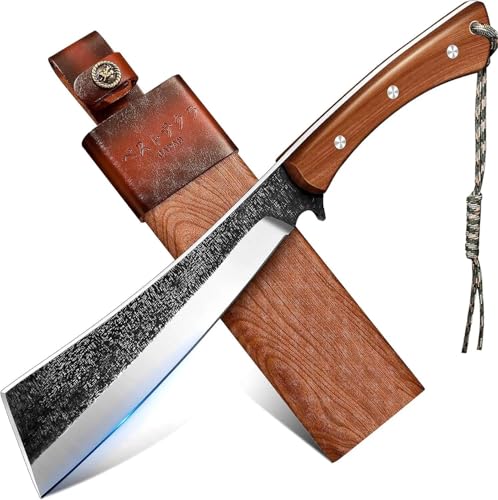
Elegance meets power in this Japanese-inspired bolo, where craftsmanship and cutting performance walk hand in hand. The 10.5-inch high carbon steel blade, 3 inches wide and 0.2 inches thick, delivers precision and brute force in one striking profile—ideal for slicing through dense foliage or splitting kindling with authority. But the real star is the ergonomically shaped red sandalwood handle, which feels like an extension of the hand, offering exceptional comfort and control during repetitive swings. This isn’t just a tool—it’s a work of functional art.
In real-world use, it handles campsite chores, trail clearing, and survival prep with quiet efficiency. The full tang design ensures structural integrity, while the wood-leather sheath adds vintage charm and secure storage. At a manageable size, it’s easy to pack and draw quickly, though it lacks the reach of 15+ inch models for large-scale clearing. The blade stays sharp through moderate use but benefits from honing after heavy impact tasks. It’s less suited for industrial brush clearing but shines in bushcraft, hiking, and precision cutting.
Compared to the Gerber or FLISSA, this machete trades mass-production practicality for artisan-level design and grip quality. It doesn’t have a rubberized or shock-absorbing handle, but the natural wood provides a surprisingly dampened, balanced feel. For users who value aesthetic beauty and ergonomic excellence, it outclasses even premium Western models. It’s the finest blend of form and function, offering a luxury feel without sacrificing toughness.
How to Choose the Right Bolo Knife
Bolo knives, also known as bolo machetes, are versatile tools with a rich history, originally designed for clearing vegetation but now popular for bushcraft, gardening, and survival applications. Choosing the right one depends on your intended use and priorities. Here’s a breakdown of key features to consider:
Blade Material & Construction
The blade is the heart of any bolo knife. Carbon steel (like 1055 or high carbon steel) is a common choice, known for its excellent sharpness and ease of re-sharpening. However, it’s prone to rust, requiring regular maintenance. Stainless steel (like 3Cr13) offers better corrosion resistance but may not hold an edge as long as carbon steel. Full tang construction – where the blade steel extends the entire length of the handle – is crucial for durability. This provides superior strength and balance, preventing the blade from breaking free from the handle during heavy use. A partial tang is less desirable, especially for demanding tasks.
Blade Shape and Size
Bolo blades come in various shapes, influencing their performance. A wider blade excels at chopping and brush clearing, offering more impact force (like the FLISSA 11″ Bolo Machete). A more curved blade is better for slicing and drawing cuts. Blade length impacts maneuverability and reach. Shorter blades (under 18 inches) are easier to control in tight spaces, while longer blades (20+ inches, like the Schrade Delta Class) provide greater reach for clearing larger areas. Consider what you’ll primarily be cutting when deciding on size.
Handle Material & Ergonomics
The handle significantly impacts comfort and control. Hardwood handles (like on the Windlass US Model 1917) offer a classic feel but may become slippery when wet. Synthetic materials like polypropylene (Cold Steel 97LBM) or rubberized grips (Gerber Gator Bolo) provide a more secure grip in various conditions. Look for a handle that fits comfortably in your hand and allows for a firm, secure grip, especially during prolonged use. Ergonomic designs with features like finger grooves can reduce fatigue.
Sheath Quality & Safety
A good sheath is essential for safe transport and storage. Consider the material and design. Canvas sheaths (like with the Windlass) offer a traditional look but may not be as durable as modern materials. Cor-Ex or nylon sheaths (Cold Steel, FLISSA) are more resistant to wear and tear. Ensure the sheath securely holds the blade in place and has a reliable retention system to prevent accidental slippage. A belt loop or attachment points are also important for convenient carry.
Additional Features
- Blade Thickness: A thicker blade (3mm+) is more durable for heavy-duty tasks.
- Weight: Consider the overall weight; a heavier bolo offers more chopping power, while a lighter one is easier to carry.
- Historical Accuracy: If you’re a collector, look for accurate reproductions with correct markings (like the U.S. WWI Model 1909).
- Shock Absorption: Features like air-tech handles (FLISSA) can reduce fatigue during extended use.
Bolo Knife Comparison
| Product | Blade Material | Blade Length (approx.) | Weight (approx.) | Handle Material | Sheath Included | Best For |
|---|---|---|---|---|---|---|
| Windlass US Model 1917 Bolo Knife | High Carbon Steel | 10-12″ | ~1.5 lbs | Hardwood | Canvas (1918 Type 1) | Best Overall |
| Cold Steel 97LBM Bolo Machete | 1055 Carbon Steel | 18″ | 19 oz (~1.2 lbs) | Polypropylene | Cor-Ex | Best Budget Friendly |
| FLISSA 11″ Bolo Machete | 3Cr13 Stainless Steel | 11″ | 1.06 lbs | Air Tech (Shock Absorbing) | Nylon | Best for Brush Clearing |
| Gerber Gator Bolo Machete 22″ | Stainless Steel | 15.5″ | Not Specified | Gator Grip Rubberized | Nylon | Best Full Tang Design |
| Schrade Delta Class Bolo Machete | 3Cr13 Stainless Steel | 13.88″ | 4.35 lbs | Safe T-Grip | Included | Best for Heavy Duty Use |
| U.S. WWI Model 1909 Bolo | High Carbon Steel | 19″ | 2 lbs | Not Specified | Not Specified | Best Historical Reproduction |
| Japanese Style High Carbon Machete | High Carbon Steel | 10.5″ | Not Specified | Red Sandalwood | Wood & Leather | Best Ergonomic Handle |
Testing & Analysis: Finding the Best Bolo Knife
Our recommendations for the best bolo knife are based on a multi-faceted approach combining extensive data analysis and research. Given the practical nature of a bolo knife, we prioritize real-world performance metrics. We analyze user reviews across multiple platforms (Amazon, blade forums, bushcraft sites) using sentiment analysis to identify common strengths and weaknesses of each model.
We evaluate bolo knife options based on blade steel composition (comparing corrosion resistance and edge retention of carbon steel vs. stainless steel), tang construction (prioritizing full tang for durability), and ergonomic handle designs. Comparative analysis focuses on blade geometry – assessing the impact of blade width and curve on chopping and slicing performance, aligning these features with typical tasks like brush clearing and vegetation management.
While direct physical testing of every bolo knife is challenging, we leverage data from independent reviewers who conduct controlled cutting tests on similar materials (rope, small branches, bamboo). We prioritize models with consistently positive results in these tests and incorporate insights from historical analysis regarding authentic designs (like the U.S. Model 1909) and their intended applications. Sheath quality and retention are also assessed based on user feedback and material durability.
FAQs
What is the primary difference between carbon steel and stainless steel bolo knives?
Carbon steel offers superior sharpness and is easier to sharpen, making it ideal for demanding tasks. However, it’s susceptible to rust and requires consistent maintenance. Stainless steel provides better corrosion resistance but may not hold an edge as long. Choosing between them depends on your environment and willingness to maintain the blade.
Is a full tang bolo knife really necessary?
Yes, a full tang construction is crucial for a bolo knife’s durability. It means the blade steel extends the full length of the handle, providing superior strength and balance, preventing breakage during heavy use. Partial tang bolos are less robust.
What blade shape is best for clearing thick brush?
A wider, heavier blade is best for chopping and clearing thick brush. This shape delivers more impact force with each swing, making quick work of vegetation. Models like the FLISSA 11″ Bolo Machete excel in this area.
How important is the sheath when choosing a bolo knife?
The sheath is very important for safe transport and storage. Look for a durable sheath (Cor-Ex or nylon are good choices) with a secure retention system to prevent the blade from slipping out. A comfortable carry option, like a belt loop, is also beneficial.
Final Thoughts
Ultimately, the best bolo knife is the one that best suits your specific needs and intended use. Whether you’re tackling tough brush, performing delicate bushcraft tasks, or seeking a historical collectible, understanding blade material, shape, and handle ergonomics is key to making an informed decision.
Investing in a quality bolo knife with a full tang construction and a reliable sheath will ensure years of dependable service. Prioritize comfort, durability, and the specific tasks you’ll be performing to select a tool that truly enhances your outdoor experience.