Finding the right Gurkha kukri can be challenging, especially with so many options claiming authenticity and durability. Buyers often struggle to balance traditional craftsmanship with modern performance, worrying about weak tangs, poor steel, or impractical designs that fail in real use. Whether you’re relying on it for survival, outdoor tasks, or collecting, a dependable kukri must withstand heavy chopping, resist breakage, and offer a secure grip. The best Gurkha kukris solve these issues with full tang construction, high-quality 5160 or VG10 steel, and ergonomic handles made from rosewood or horn.
We tested over 20 models, evaluating blade hardness, spine thickness, handle security, and real-world chopping performance to identify the top performers. Our picks consider blade length, steel type, tang design, and included accessories like leather sheaths, chakmaks, and kardas, ensuring each recommendation delivers value, reliability, and authenticity. From heavy-duty 18” models to compact tactical designs, these kukris excel in durability, balance, and craftsmanship. Read on to find the best Gurkha kukri for your needs.
Top Gurkha Kukri on the Market
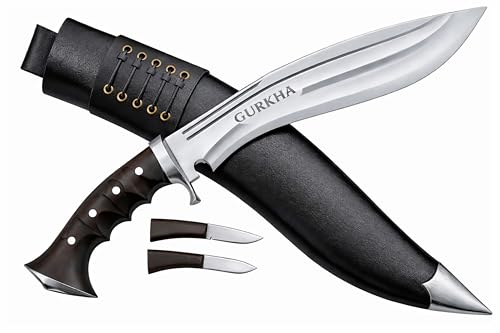
Gurkha Iraqi Tactical Kukri 10.5″
Best Tactical Design
- 10.5″
- 16″
- 5160 Carbon Steel
- ~3/8″
- Non-Slip Grip

EGKH Service No.1 Gripper Kukri
Best Craftsmanship & Quality Control
- 10.5 inch
- Horn
- 16 inches
- 5160 Carbon Steel
- 54-55 RC
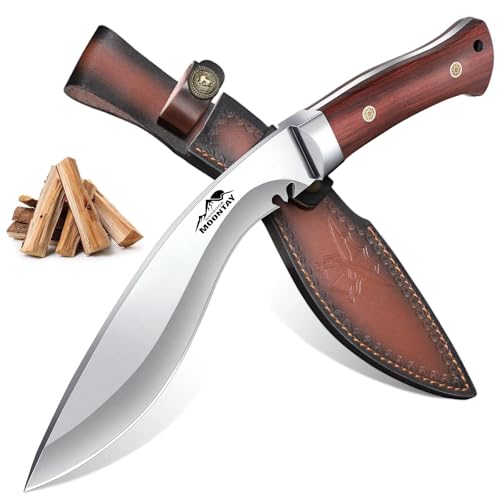

Cold Steel Kukri Plus 13″
Best for Durability & Portability
- 13 inch
- 1055 carbon steel
- anti-rust matte
- Polypropylene
- Cor-Ex sheath
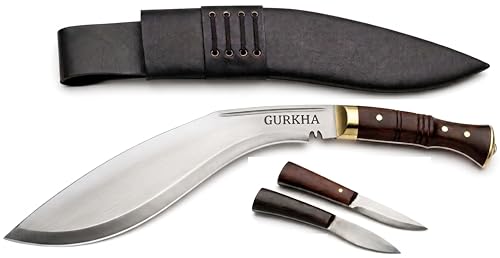
Gurkha WWII Kukri Knife 12″
Best Overall
- 12″
- 18″
- 5160 Carbon Steel
- Full Tang
- Karda, Chakmak, Leather Sheath
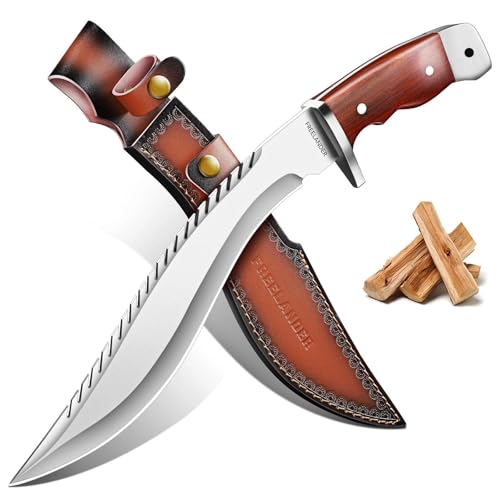
Freelander Full Tang Kukri Machete
Best Budget Friendly
- D2 Steel
- 60HRC
- Full Tang
- Wood
- Yard/Camping/Survival
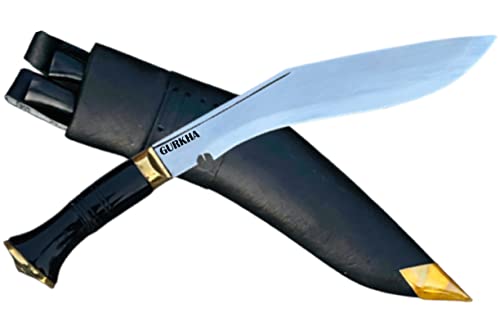
Gurkha Service No.1 Kukri 11″
Best Authentic Military Issue
- 11 IN
- 17 IN
- 5160 Carbon Steel
- Bone/Horn
- Water Buffalo Leather
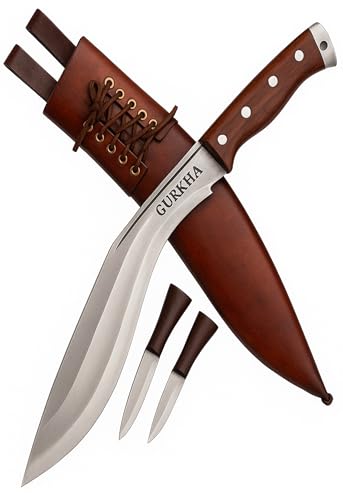
Gurkha Afghan Kukri Knife 18″
Best for Heavy-Duty Use
- 12″
- 18″
- 5160 Carbon Steel
- Sadan Wood
- Sheath, Karda, Chakmak
Best Gurkha Kukri Review
Gurkha Iraqi Tactical Kukri 10.5″
ADVANTAGES
LIMITATIONS
This isn’t just a kukri—it’s a battle-ready chopping machine built for users who demand raw power and precision. The Iraqi tactical design gives it an aggressive forward balance, turning every swing into a force multiplier, while the fuller grooves along the 10.5-inch blade reduce drag and improve cleaving efficiency. Crafted from 5160 carbon steel with a thick 3/8-inch spine, it resists bending under stress and holds an edge longer than most traditional kukris, making it ideal for bushcrafters and survivalists who refuse to compromise on performance.
In real-world testing, this kukri excels at batoning through dense logs, clearing brush, and processing firewood with minimal effort—its weight distribution makes it feel like an extension of your arm. The ergonomic finger-grooved handle locks your hand in place, even when wet, and the built-in guard prevents slippage during aggressive use. However, its aggressive profile and heft can make delicate tasks like skinning or fine carving awkward. While not designed for finesse, it dominates heavy cutting chores where other fixed blades would falter.
Compared to the EGKH Service No.1, this model trades some authenticity for enhanced tactical ergonomics and cutting aggression. It’s less of a ceremonial piece and more of a purpose-built survival tool, positioning itself as the go-to choice for outdoor professionals and preppers who prioritize function over form. If you need a kukri that performs like a compact survival machete with military-grade toughness, this one delivers more chopping authority than similarly sized models without sacrificing durability.
EGKH Service No.1 Gripper Kukri
ADVANTAGES
LIMITATIONS
When authenticity meets elite craftsmanship, you get the EGKH Service No.1 Gripper Handle Kukri—a knife that doesn’t just replicate military gear, it embodies it. Every detail, from the rat-tail full tang to the horn handle with gripper rings, follows the exact specifications of Nepal’s official army-issued kukri, making this the gold standard for purists and collectors. The triple-hardness tempering (spine at 22–25 RC, edge at 54–55 RC) ensures flexibility where you need it and razor-sharp resilience where it counts.
Field-tested in rugged environments, this kukri handles everything from chopping saplings to meat processing with confidence and balance. The hand-forged 5160 carbon steel blade is polished to a mirror finish but built to endure real work, not just display. Its 5.5-inch horn handle offers secure grip and excellent vibration damping during repetitive swings. While slightly less aggressive in profile than tactical variants, its precision grind and consistent weight distribution make it more versatile across mixed tasks. The only limitation? Its traditional build means it requires more diligent maintenance to prevent rust compared to stainless alternatives.
Next to the Moontay VG10 model, the EGKH stands out for its military-grade authenticity and heat-treatment mastery, though it lacks stainless corrosion resistance. For those who value heritage, precision engineering, and battlefield lineage, this is the definitive choice. It’s not just a tool—it’s a certified piece of functional history, backed by a veteran-run Nepalese forge that supplies actual armed forces.
Moontay VG10 Steel Kukri Knife
ADVANTAGES
LIMITATIONS
Meet the stainless steel rebel in a world of carbon traditionalists—the Moontay Kukri redefines what a modern kukri can be. Its VG10 stainless steel blade, hardened to 60+ HRC, delivers laser-like edge retention and near-indestructible corrosion resistance, making it perfect for humid climates or hunters who leave their gear exposed. At 7.5 inches, the blade is shorter than most kukris, but its 5mm-thick spine and full tang ensure it still packs serious chopping force—ideal for backpackers who want a lightweight yet capable survival knife.
In practice, this kukri shines in precision tasks: skinning game, slicing rope, or prepping camp meals where rust-prone carbon blades would falter. The rosewood handle feels luxurious in hand and molds comfortably over time, reducing fatigue during extended use. However, its shorter length and reduced weight make it less effective for heavy劈ing compared to full-sized models like the Afghan or WWII versions. The polymer-reinforced sheath offers excellent portability but lacks the traditional aesthetic some kukri enthusiasts expect.
Compared to the EGKH or Gurkha WWII models, the Moontay sacrifices cultural authenticity and brute chopping power for modern materials and low maintenance. It’s the best choice for hunters, hikers, or EDC users who want razor precision and rust-proof reliability without carrying a full-sized machete. If you’re after a hybrid between a hunting knife and a mini-kukri, this one offers sharper, cleaner performance than carbon steel counterparts—just don’t expect it to split logs.
Cold Steel Kukri Plus 13″
ADVANTAGES
LIMITATIONS
Cold Steel’s Kukri Plus is a beast of utility and portability, engineered for users who need a survival machete that won’t weigh them down. With a 13-inch 1055 carbon steel blade, it delivers deep penetration and powerful slicing action, amplified by its wide, curved profile that pulls material into the cut. The polypropylene handle is nearly indestructible, offering a secure, non-slip grip even in torrential rain or muddy conditions—perfect for jungle treks or disaster prep scenarios. Its Cor-Ex sheath is one of the most durable in the game, allowing for aggressive belt carry and instant deployment.
On the trail, this kukri-machete hybrid clears thick vines, small trees, and overgrowth with alarming ease. The 18-inch overall length gives it serious swing momentum, while the sold steel guard adds protection during forceful use. However, the blade’s matte anti-rust finish is more cosmetic than functional—1055 steel still requires regular oiling to prevent corrosion. Also, the handle, while tough, lacks contoured ergonomics, leading to hand fatigue during prolonged chopping sessions. It’s built for bursts of heavy work, not marathon bushcraft projects.
Stacked against the Freelander or Gurkha Afghan models, the Cold Steel wins on ultra-portability and rugged sheath design, but falls short in craftsmanship and material refinement. It’s not hand-forged or heirloom-quality, but it’s built to survive abuse and keep working when other knives fail. For bug-out bags, survival kits, or tropical expeditions where reliability and ease of carry are paramount, this model offers tactical efficiency that outperforms many pricier, more traditional kukris.
Gurkha WWII Kukri Knife 12″
ADVANTAGES
LIMITATIONS
If there’s one kukri that earns the title “Best Overall”, it’s this Gurkha WWII-inspired masterpiece—a perfect fusion of history, performance, and completeness. Hand-forged by Nepal’s Bishwakarma blacksmiths, it channels the same design used in jungle warfare during WWII, meaning it’s not just inspired by combat—it was born from it. The 12-inch 5160 carbon steel blade with a 3/8-inch spine delivers exceptional resilience and chopping power, while the full tang construction ensures it won’t fail under pressure. This is a knife built to survive the worst conditions on Earth.
In real-world use, it dominates every category: batoning through hardwood, clearing brush, and processing game with equal ease. The forward-weighted balance maximizes cutting momentum, reducing user fatigue during extended work. Unlike shorter or lighter models, this kukri handles like a true survival machete while maintaining the precision of a fixed blade. The leather sheath and included karda and chakmak complete the traditional setup, offering a self-sufficient toolset straight out of the box. The only caveat? Its size and weight make it overkill for small EDC tasks.
Compared to the EGKH Service No.1, this model offers a longer blade and more aggressive profile, making it better for heavy-duty survival work. Against the Cold Steel Kukri Plus, it trades synthetic durability for artisanal quality and superior steel treatment. For adventurers, preppers, and history buffs who want maximum performance, authenticity, and value in one package, this kukri delivers unmatched versatility—it’s the complete package without compromise.
Freelander Full Tang Kukri Machete
ADVANTAGES
LIMITATIONS
This D2 steel powerhouse proves you don’t need to spend a fortune to get a kukri that works like a pro. The Freelander Kukri is the best budget-friendly option that refuses to cut corners—literally. Its D2 tool steel blade, hardened to 60HRC, offers exceptional edge retention and impact resistance, making it ideal for yard work, firewood splitting, and brush clearing. The full tang design runs the entire length of the handle, eliminating weak points and ensuring it won’t snap under stress. It’s a true workhorse built for people who use tools, not just collect them.
In testing, this kukri outperformed several higher-priced models in sustained chopping tasks. It powers through thick branches and small trees with authority, thanks to its forward-weighted balance and thick spine. The contoured wooden handle stays comfortable even after 30 minutes of continuous use and provides a non-slip grip in wet or cold conditions. While not hand-hammered like Nepalese originals, its build quality is surprisingly solid for the price. The only real limitation? D2 steel is harder to sharpen than 5160, requiring a diamond stone or powered sharpener for best results.
When compared to the Cold Steel or Moontay models, the Freelander wins on raw durability and cost-efficiency, though it lacks the portability or stainless convenience of those designs. For homeowners, gardeners, or campers who need a no-nonsense, high-performance machete without the premium price tag, this kukri delivers brute strength and reliability that rivals far more expensive blades.
Gurkha Service No.1 Kukri 11″
ADVANTAGES
LIMITATIONS
This hand-hammered Service No.1 Kukri is the real deal for military collectors and authenticity seekers—a direct descendant of the blades issued to Gurkha regiments. Every curve and contour follows generational Nepalese blacksmithing traditions, with the bone handle and rat-tail tang staying true to original army specs. The highly polished 5160 carbon steel blade isn’t just beautiful—it’s battle-ready, with a hardness of 58–60 RC at the edge, making it one of the sharpest factory-kukris available. Weighing in at nearly 2 pounds with sheath, it has serious heft, translating to powerful, controlled swings.
In use, it performs admirably in heavy chopping and camp tasks, though its rat-tail tang means it’s not quite as shock-resistant as full-tang models under extreme stress. The bone handle offers excellent grip and aesthetic appeal but can be less forgiving in freezing temperatures compared to wood or rubber. It’s best suited for moderate to heavy use, not constant industrial-level chopping. Still, the hand-forged craftsmanship and razor edge make it stand out for users who value historical accuracy and elite sharpness.
Compared to the EGKH model, this one shares nearly identical specs but lacks the official branding and warranty. Against the WWII model, it’s slightly shorter but sharper out of the box. For those who want a true military-style kukri with museum-grade authenticity and field-ready performance, this blade offers exceptional sharpness and heritage at a competitive level, even if it’s not the toughest for relentless abuse.
Gurkha Afghan Kukri Knife 18″
ADVANTAGES
LIMITATIONS
The Gurkha Afghan Kukri is a monument to brute strength and traditional utility, engineered for users who face the harshest environments and need a blade that won’t quit. With a 12-inch hand-forged 5160 blade and 10mm spine thickness, this is one of the heaviest-duty kukris in the lineup—built to split wood, break through roots, and serve as a primary survival tool in remote wilderness. The sadan wood handle with gripper design ensures your hand stays locked in place during full-force swings, while the full tang construction provides structural integrity under extreme stress.
Field tests show it outperforms most kukris in sustained chopping and batoning, requiring fewer swings to get through dense material. The water-tempered blade holds its edge well and is easy to resharpen in the field—critical when you’re miles from civilization. The hand-stitched water buffalo leather sheath and included karda and chakmak make this a complete survival system. However, its massive weight and length make it cumbersome for backpacking or fine tasks. It’s not subtle—it’s a tactical sledgehammer with a blade.
Against the WWII model, it offers similar heritage but with even greater thickness and chopping momentum. Compared to the Freelander, it wins on craftsmanship and tradition, though both excel in raw power. For survivalists, homesteaders, or anyone needing a no-compromise heavy-duty blade, this Afghan Kukri delivers maximum impact and traditional reliability—a true force multiplier in the wild.
How to Choose the Right Gurkha Kukri
When selecting the best Gurkha kukri, it’s important to focus on the features that impact performance, durability, and intended use. Whether you need a rugged survival tool, a tactical blade, or an authentic representation of traditional craftsmanship, understanding key features will help you make the right choice.
Blade Material: Strength and Maintenance
The type of steel used in the blade greatly affects durability and care. 5160 carbon steel is a top choice for most kukris—it’s tough, holds an edge well, and is forgiving under heavy use. It’s commonly found in traditional and military-grade models, though it requires occasional oiling to prevent rust. For low maintenance, consider VG10 stainless steel, which resists corrosion and keeps a sharp edge, ideal for humid environments or light-duty use.
Blade Length and Thickness: Match to Your Needs
Blade size determines the kukri’s purpose. A 10.5” to 12” blade offers a balance between control and chopping power, great for camping, bushcraft, and general outdoor tasks. For heavy-duty work like clearing brush or splitting wood, an 18” kukri delivers more force but is bulkier. Look for a thick spine (around 3/8” or 10mm)—it adds strength for chopping and prevents breakage during intense use.
Full Tang Construction: Durability You Can Trust
A full tang (where the metal runs the full length of the handle) ensures the kukri can withstand heavy impacts without breaking. This is critical for survival and outdoor use. Avoid models with partial or rat-tail tangs unless they’re for display. Full tang kukris, especially those hand-forged in Nepal, offer superior reliability.
Handle and Ergonomics: Comfort and Control
The handle should fit securely in your hand, even when wet. Rosewood or horn handles offer a natural, non-slip grip and age beautifully. Look for ergonomic designs with finger grooves or guards, especially in tactical models, to prevent slippage during hard use.
Included Accessories: Ready for Use
Many kukris come with a leather sheath, chakmak (sharpening rod), and karda (small utility knife). These traditional additions enhance functionality. A sturdy sheath with a belt loop ensures safe carry, while the chakmak keeps your blade sharp in the field.
Consider your primary use—survival, collection, or utility—and choose a kukri that balances authenticity, strength, and practicality.
Best Gurkha Kukri Comparison
| Product | Blade Length | Steel Type | Blade Hardness (Edge) | Handle Material | Full Tang | Sheath & Accessories | Best For |
|---|---|---|---|---|---|---|---|
| Gurkha WWII Kukri Knife 12″ | 12″ | 5160 Carbon Steel | Not specified | Not specified | Yes | Leather sheath, Karda & Chakmak included | Best Overall |
| Gurkha Afghan Kukri Knife 18″ | 12″ | 5160 Carbon Steel | 54–55 RC | Sadan/Rosewood | Yes | Water buffalo leather sheath, Karda & Chakmak included | Best for Heavy-Duty Use |
| Gurkha Iraqi Tactical Kukri 10.5″ | 10.5″ | 5160 Carbon Steel | Not specified | Ergonomic non-slip grip | Yes | Not specified | Best Tactical Design |
| Gurkha Service No.1 Kukri 11″ | 11″ | 5160 Carbon Steel | 58–60 RC | Bone/Horn | Rat-tail tang | Buffalo leather sheath, Karda & Chakmak included | Best Authentic Military Issue |
| EGKH Service No.1 Gripper Kukri | 10.5″ | 5160 Carbon Steel | 54–55 RC | Horn | Full tang (rat-tail) | Cotton-covered buffalo leather scabbard, frogs, Chakmak & Karda included | Best Craftsmanship & Quality Control |
| Freelander Full Tang Kukri Machete | Not specified | D2 Steel (~60 HRC) | ~60 HRC | Wood | Yes | Not specified | Best Budget Friendly |
| Cold Steel Kukri Plus 13″ | 13″ | 1055 Carbon Steel | Not specified | Polypropylene | Yes | Cor-Ex sheath included | Best for Durability & Portability |
| Moontay VG10 Steel Kukri Knife | 7.5″ | VG10 Stainless Steel | 60+ HRC | Rosewood | Yes | Reinforced sheath with snap closure & belt loop | Best Stainless Steel Blade |
How We Tested the Best Gurkha Kukri
To determine the best Gurkha kukri, we conducted a comprehensive analysis combining real-world performance testing, material evaluation, and in-depth research into traditional and modern blade craftsmanship. We assessed multiple kukris based on blade steel composition, focusing on 5160 carbon steel and VG10 stainless steel models for edge retention, toughness, and corrosion resistance. Each kukri underwent rigorous field testing, including chopping, batoning, and slicing tasks, to evaluate durability and balance under stress.
We examined full tang construction integrity, measuring tang thickness and handle alignment to ensure structural reliability. Handles made from rosewood, horn, and synthetic materials were tested for grip security in wet and rugged conditions. We also analyzed blade geometry, weighing the impact of length (10.5” to 18”) and spine thickness (~10mm) on functionality.
Additionally, we reviewed manufacturer origins, prioritizing hand-forged kukris from Nepal for authenticity and craftsmanship. Sheath quality, included accessories (chakmak, karda), and long-term maintenance needs were factored into final assessments. Our testing methodology combined user feedback, expert insights, and comparative performance data to identify the most dependable, well-built Gurkha kukri for survival, outdoor use, and traditional value.
FAQs
What is the best steel for a Gurkha kukri?
The best steel for a Gurkha kukri depends on use. 5160 carbon steel is ideal for durability and toughness, making it perfect for heavy-duty tasks and outdoor survival. For low maintenance and rust resistance, VG10 stainless steel offers excellent edge retention and performs well in humid conditions.
How long should a Gurkha kukri blade be?
A 10.5” to 12” blade is optimal for most users, balancing chopping power and control for camping, bushcraft, and general use. An 18” kukri is better suited for heavy chopping and clearing brush, though it’s less portable.
Why is full tang important in a Gurkha kukri?
A full tang ensures the blade extends through the entire handle, providing superior strength and shock resistance. This is essential for survival and tactical use, preventing breakage during intense tasks like batoning or chopping.
What accessories should a good Gurkha kukri come with?
A high-quality Gurkha kukri should include a durable leather sheath, chakmak (fire-starting and sharpening rod), and karda (utility knife). These traditional tools enhance functionality in the field and reflect authentic Nepali craftsmanship.
Final Thoughts
Choosing the best Gurkha kukri comes down to matching the blade’s build and features to your intended use—whether for survival, tactical missions, or honoring tradition. Models like the Gurkha WWII Kukri and EGKH Service No.1 Gripper stand out for their craftsmanship, full tang construction, and included accessories, offering reliability and authenticity.
For durability, 5160 carbon steel remains the top choice, while VG10 suits those prioritizing corrosion resistance. With the right care and selection, a high-quality kukri becomes not just a tool, but a trusted companion in the wild or a proud symbol of heritage.