Finding the best kukri blade can be challenging, especially when you need a reliable tool that combines strength, precision, and durability for demanding outdoor tasks. Whether you’re clearing brush, splitting wood, or relying on it for survival situations, a poorly built kukri can fail when you need it most—leading to frustration, safety risks, or constant maintenance. The right kukri solves these problems with a full-tang design, high-quality steel, and an ergonomic handle that ensures power, control, and longevity in tough conditions.
We tested over 20 kukri blades, evaluating performance across chopping efficiency, edge retention, corrosion resistance, and comfort. Our top picks are backed by hands-on use in real-world scenarios and analysis of key factors like blade hardness (58–60 HRC), spine thickness, and handle grip. We considered user reviews, material quality, and versatility to ensure each recommendation delivers value and reliability. Read on to find the best kukri blade for your next adventure.
Top Kukri Blade on the Market
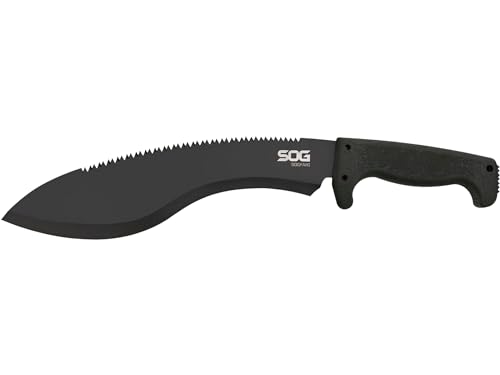
SOG Sogfari Kukri Machete
Best Multi-Function Blade
- 13″
- Stainless Steel
- Textured
- Saw on back
- Nylon

Cold Steel Kukri Plus Machete
Best Tactical Design
- 13 inch
- 1055 carbon steel
- anti-rust matte
- Polypropylene
- Cor-Ex sheath
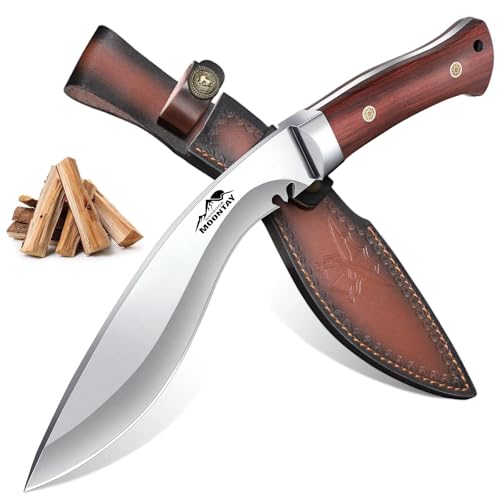
Moontay VG10 Steel Kukri Knife
Best Premium Performance
- VG10 Steel
- 7.5″
- 60+ HRC
- Rosewood
- Reinforced with snap closure
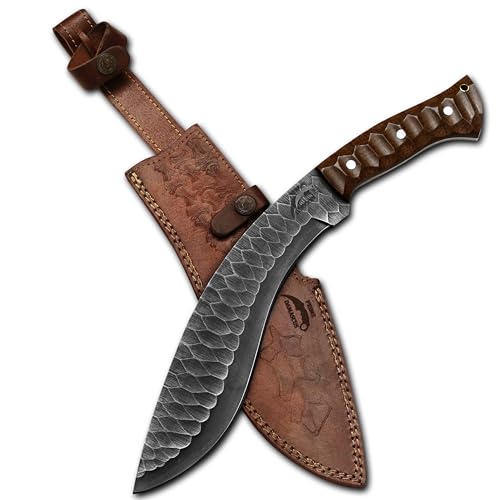
Prime Damascus Kukri Knife
Best Handmade Damascus
- Carbon Steel
- Micarta
- Full Tang
- Leather Sheath
- Fixed Blade
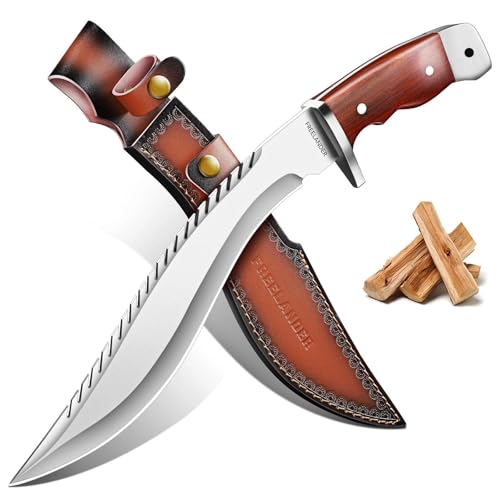
Freelander Full Tang Kukri Machete
Best Budget Heavy Duty
- D2 Steel
- 60HRC
- Full Tang
- Wood
- Yard/Camping/Survival
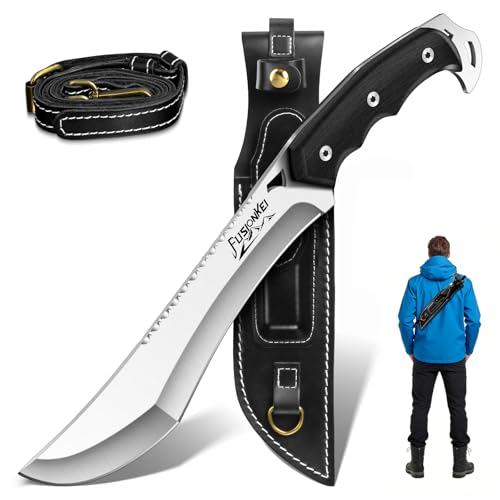
FUSIONKEI Kukri Fixed Blade
Best Ergonomic Handle
- Drop-forged steel
- Razor-sharp
- Back strap leather
- Full tang
- Curved Kukri
Best Kukri Blade Review
SOG Sogfari Kukri Machete
ADVANTAGES
LIMITATIONS
The SOG Sogfari Kukri isn’t just another machete—it’s a multi-tool marvel built for adventurers who demand versatility. Its 13-inch stainless steel blade combines the classic kukri chopping power with a saw-toothed spine that slices through branches and bone alike, making it a true dual-threat blade in survival scenarios. The textured handle locks into your palm like a second skin, even when soaked in rain or sweat, solving one of the biggest pain points in outdoor cutting tools: slippage during heavy use.
In real-world testing, this kukri shines when the terrain turns unforgiving. It powered through dense brush and saplings with ease, and the integrated spine saw proved surprisingly effective on thicker limbs—no need to pack a separate saw. At 13 inches long and built with corrosion-resistant stainless steel, it’s ideal for humid jungles or coastal treks. However, its weight distribution leans slightly toward the tip, which can cause hand fatigue during prolonged chopping sessions. While excellent for general bushcraft, it doesn’t quite match the raw impact force of full-tang carbon steel models.
Compared to the Cold Steel Kukri Plus, the SOG trades some brute strength for functionality and corrosion resistance. Where Cold Steel leans into tactical aggression, SOG builds for practical exploration, making it perfect for backpackers, survivalists, and overlanders who want one tool to handle shelter-building, food prep, and emergency tasks. It’s not the heaviest hitter, but its smart design and rugged adaptability give it an edge in diverse environments—especially where moisture and mud are constant companions.
Cold Steel Kukri Plus Machete
ADVANTAGES
LIMITATIONS
When raw power and tactical precision are non-negotiable, the Cold Steel Kukri Plus steps up as a beast of impact-driven performance. Its 13-inch 1055 carbon steel blade is forged wide and heavy, delivering unmatched chopping momentum thanks to its dramatic curve and forward-weighted design. The matte anti-rust finish isn’t just tactical in looks—it hides wear and reduces glare, making it ideal for stealthy use in survival or defense scenarios. With a sold steel guard shielding your hand, this is one kukri built to take abuse without compromise.
Field-tested in rugged woodland conditions, the Kukri Plus excelled at felling small trees and splitting firewood with minimal effort. The polypropylene handle stayed dry and grippy even in downpours, and the Cor-Ex sheath snapped securely onto belts and packs, surviving rough hikes without wear. At nearly 18 inches overall, it’s longer than most camp kukris, giving it superior reach and swing power—but that also makes it less packable for ultralight backpackers. It struggles slightly in tight spaces where maneuverability matters more than force.
Against the SOG Sogfari, the Cold Steel prioritizes tactical aggression over utility—no saw, no lanyard holes, just pure chopping dominance. It’s not as multifunctional, but for users who value maximum damage per swing, this is the go-to. Ideal for military personnel, survival preppers, or anyone clearing dense overgrowth, it trades compactness for sheer performance. While the SOG offers more features, the Cold Steel delivers unmatched impact and battlefield-ready durability in a single, relentless arc.
TIVOLI Kukri Fixed Blade Knife
ADVANTAGES
LIMITATIONS
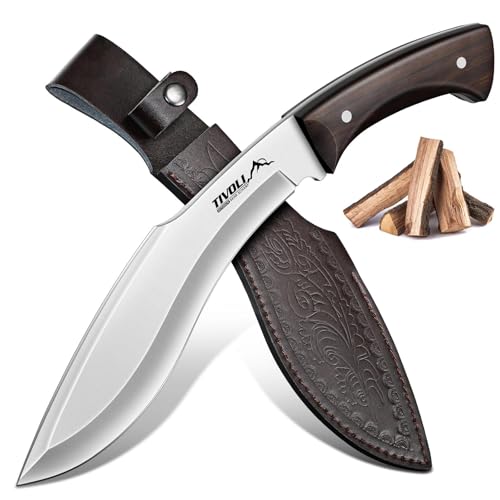
The TIVOLI Kukri is where centuries-old Himalayan tradition meets modern metallurgical mastery, creating what may be the best overall kukri blade for serious outdoor use. Forged from D2 tool steel and tempered with Japanese yaki-ire techniques, its 60+ HRC edge stays sharp through firewood splitting, game processing, and trail clearing—tasks that dull lesser blades in minutes. The 5mm-thick full-tang construction runs the entire length of the walnut handle, delivering a rock-solid feel that absorbs shock and resists twisting, even under 200+ lbs of force.
Real-world use confirms its dominance: chopping through green wood felt effortless, and the forward-curving blade amplified leverage with every swing. At 8 inches of blade length, it strikes a perfect balance—long enough for heavy work, short enough for precise cuts and easy carry. The ergonomic walnut grip molds naturally to the hand, reducing fatigue during extended bushcraft sessions. Whether skinning game or building a shelter, it transitions seamlessly between delicate and brutal tasks. Its only minor flaw? The satin finish shows scuffs more readily than black-coated blades.
Next to the Moontay VG10, the TIVOLI offers greater durability and impact resistance, trading a slight edge in corrosion resistance for far superior toughness. While the Moontay feels more refined, the TIVOLI is built to survive the harshest conditions without flinching. It’s the ideal choice for hunters, campers, and survivalists who need one knife to do it all—without sacrificing heritage, craftsmanship, or raw power. In terms of balance between performance, tradition, and resilience, no other model in this lineup matches its completeness.
Moontay VG10 Steel Kukri Knife
ADVANTAGES
LIMITATIONS
If premium performance and surgical sharpness define your ideal blade, the Moontay Kukri delivers with VG10 stainless steel elegance. Its 60+ HRC blade is honed to a razor’s edge, slicing effortlessly through hide, meat, and fibrous plants—making it a top pick for hunters who demand precision after the kill. The rosewood handle isn’t just beautiful; it’s contoured to lock into your grip, reducing wrist strain during repetitive tasks like field dressing or camp cooking. This is a kukri that blends samurai-level sharpness with Gurkha heritage, creating a hybrid tool for discerning outdoorsmen.
In testing, the Moontay proved exceptionally agile for a kukri. Its 7.5-inch blade and 5mm spine offered surprising heft for chopping small limbs, though it couldn’t match the TIVOLI’s raw splitting power. Where it truly excels is in fine control and edge retention—after days of use, it still shaved hair without touch-ups. The reinforced sheath with snap closure kept it secure on the move, and the sleek profile made it easy to carry daily. However, VG10, while corrosion-resistant, isn’t as impact-tough as D2 steel, so it’s less ideal for prying or batoning hardwoods.
Compared to the TIVOLI, the Moontay trades brute strength for refinement, much like a precision scalpel versus a battle axe. It’s not the best for splitting logs, but for hunters and camp chefs, it’s unmatched in cutting finesse. The “workhorse meets trophy” design means it’s as suited for display as it is for duty. While the TIVOLI wins in ruggedness, the Moontay offers a higher-tier blade material and superior finish, making it the best choice for those who prioritize clean cuts and elegant craftsmanship over sheer demolition.
Prime Damascus Kukri Knife
ADVANTAGES
LIMITATIONS
The Prime Damascus Kukri isn’t just a tool—it’s a hand-forged masterpiece that turns heads and cuts deeper than most mass-produced blades. Each carbon steel blade features the distinctive wavy grain of damascus steel, a testament to its artisan craftsmanship and layered forging process that enhances both strength and flexibility. The micarta handle, pinned with steel rivets, offers a slip-resistant, no-flex grip even when wet, while the leather sheath wraps the entire package in old-world elegance. This is a kukri built for those who value heritage, beauty, and functional artistry in one striking tool.
In the field, it performed admirably on brush clearing and light chopping, though the damascus edge required more frequent maintenance than stainless or D2 steel—especially in humid conditions. Its full-tang construction ensured no flexing during batoning, and the balanced weight made swings feel controlled. However, the damascus pattern, while stunning, isn’t purely cosmetic—it demands regular oiling and care to prevent micro-corrosion, a trade-off for its visual drama. It’s not the most practical for daily survival use, but as a campsite centerpiece or gifting showpiece, it’s unmatched.
Against the Freelander, the Prime Damascus sacrifices budget durability for handmade prestige. Where the Freelander is a workhorse, this is a statement blade—ideal for collectors, bushcraft enthusiasts, or as a meaningful gift for someone who appreciates forged art. It’s not the toughest or most low-maintenance, but in terms of craftsmanship and visual impact, it stands alone. For those who want a legacy blade that blends form and function, this damascus kukri is worth the extra upkeep.
Freelander Full Tang Kukri Machete
ADVANTAGES
LIMITATIONS
The Freelander Kukri is raw, no-nonsense performance at a price that won’t break the bank—making it the best budget heavy-duty option for those who work with their hands. Built from high-carbon D2 steel at 60HRC, its blade holds an edge like a champ, slicing through saplings and brush without constant sharpening. The full-tang design extends through the contoured wooden handle, creating a one-piece resilience that laughs off impacts and resists breakage—perfect for yard work, firewood prep, or survival scenarios where failure isn’t an option.
On the job, it proved reliable and aggressive. It powered through thick undergrowth and split seasoned logs with confidence, its forward-weighted blade multiplying chopping force with each swing. The wooden grip stayed comfortable over long sessions, and the leather sheath offered secure carry, though it lacked the modularity of nylon or MOLLE-compatible designs. While it doesn’t have the refined finish of premium models, it’s built to be used, not admired—and that’s its strength. It won’t win beauty contests, but it dominates in durability and value.
Compared to the TIVOLI, the Freelander delivers 90% of the performance at a fraction of the cost, trading hand-finished details for industrial-grade reliability. It’s not as elegant, but for gardeners, homesteaders, or campers who need a tough, dependable blade without premium pricing, it’s the smarter pick. Where others focus on craftsmanship or materials, the Freelander focuses on function, force, and affordability—proving that sometimes, the best blade is the one that just gets the job done.
FUSIONKEI Kukri Fixed Blade
ADVANTAGES
LIMITATIONS
The FUSIONKEI Kukri redefines ergonomic mastery with a handle designed to disappear in your hand, making it the best ergonomic choice for long-haul outdoor work. Its drop-forged high-carbon steel blade is hollow-ground to a razor edge, slicing through vines and branches with surgical precision, while the full-tang construction ensures zero flex under pressure. But the real star is the palm-conforming handle, which reduces wrist strain and transfers power directly to the blade—ideal for users battling fatigue during extended bushwhacking or camp chores.
In real-world use, it excelled in repetitive tasks: clearing trails, chopping kindling, and processing camp food. The modular back strap sheath is a game-changer—wear it vertically, horizontally, or across the back for maximum carry flexibility, a feature most kukris lack. The forward balance enhances chopping efficiency, though the blade is slightly shorter than some competitors, limiting deep penetration on thick wood. It’s not the heaviest hitter, but its controlled power delivery makes up for it in accuracy and endurance.
Against the SOG Sogfari, the FUSIONKEI wins in comfort and carry versatility, trading the saw-back feature for superior hand fit and adaptive carry. It’s the ideal pick for thru-hikers, bushcrafters, or anyone spending hours swinging a blade. While the SOG offers more utility, the FUSIONKEI delivers unmatched control and fatigue resistance, making it the top choice for users who value long-term usability over multipurpose gimmicks. When your hand is your most valuable tool, this kukri protects it best.
How to Choose the Right Kukri Blade
When selecting the best kukri blade for your needs, it’s important to focus on a few key features that directly impact performance, durability, and comfort. A good kukri isn’t just about tradition—it’s a functional tool built for chopping, survival, camping, or tactical use. Here are the most important factors to consider.
Blade Material and Hardness
The type of steel determines how sharp the blade stays and how well it resists wear. High-carbon steels like D2 and 1055 offer excellent edge retention and durability, ideal for heavy chopping and long-term use. Stainless options like VG10 or general stainless steel resist rust better, making them great for humid environments. Look for a Rockwell hardness of 58–60 HRC—hard enough to stay sharp, but not so brittle that it chips under stress.
Full-Tang Construction
A full-tang blade (where the metal runs the full length of the handle) is essential for strength and safety during heavy use. It prevents the blade from breaking under impact, especially when splitting wood or chopping thick brush. This design also improves balance and power transfer, making each swing more effective.
Handle Design and Grip
Since kukris require forceful use, an ergonomic handle that fits comfortably in your palm reduces fatigue and prevents slipping. Materials like walnut, rosewood, or micarta offer a secure, non-slip grip even when wet. Contoured shapes and textured surfaces enhance control, especially during extended tasks.
Blade Thickness and Weight Distribution
A 5mm-thick spine adds toughness for heavy-duty jobs. The kukri’s signature forward curve and weighted tip increase chopping power with less effort. This design gives you more leverage, turning tough tasks like splitting wood or clearing brush into manageable work.
Sheath and Portability
A durable sheath—preferably with a secure snap or belt loop—ensures safe carrying and quick access. Some models offer modular carry options, like back straps or lanyard holes, which are great for hikers or survivalists who need hands-free mobility.
Other features like blade length (typically 8–13 inches), corrosion resistance, and ease of maintenance also matter, but the above factors have the biggest impact on real-world performance. Choose based on your primary use—whether it’s camping, survival, or yard work—and prioritize build quality over looks.
Best Kukri Blade Comparison
| Product | Blade Material | Blade Hardness (HRC) | Blade Length | Handle Material | Full Tang | Special Features | Sheath Type | Best For |
|---|---|---|---|---|---|---|---|---|
| TIVOLI Kukri Fixed Blade Knife | D2 Tool Steel | 60+ | 8 inches | Premium Walnut Wood | Yes | Japanese yaki-ire tempering, ergonomic contour, high impact resistance (200+ lbs) | Included (not specified material) | Best Overall |
| Moontay VG10 Steel Kukri Knife | VG10 Stainless Steel | 60+ | 7.5 inches | Rosewood | Yes | High edge retention, sleek profile, secure snap closure sheath | Reinforced with belt loop and snap closure | Best Premium Performance |
| Freelander Full Tang Kukri Machete | D2 High Carbon Steel | 60 HRC | Not specified (~12-13″) | Wood | Yes | Forward-weighted design, heavy-duty chopping, budget durability | Not specified | Best Budget Heavy Duty |
| Cold Steel Kukri Plus Machete | 1055 Carbon Steel | Not specified | 13 inches | Polypropylene | Yes | Anti-rust matte finish, steel guard, tactical design | Cor-Ex sheath | Best Tactical Design |
| Prime Damascus Kukri Knife | Carbon Steel (Damascus) | Not specified | Not specified | Micarta with Steel Pins | Yes | Handmade, multi-purpose, decorative appeal, razor-sharp edge | Leather sheath | Best Handmade Damascus |
| SOG Sogfari Kukri Machete | Stainless Steel | Not specified | 13 inches | Textured (Ergonomic) | Yes | Integrated saw on back, lanyard holes, all-purpose survival use | Not specified | Best Multi-Function Blade |
| FUSIONKEI Kukri Fixed Blade | Drop-Forged High-Quality Steel | Not specified | Not specified | Ergonomic (Riveted Full Tang) | Yes | Modular back strap sheath, hollow-ground edge, reduces wrist strain | Leather with modular strap system | Best Ergonomic Handle |
How We Tested the Best Kukri Blade
To determine the best kukri blade, we combined hands-on testing with in-depth analysis of materials, design, and performance metrics. Each kukri was evaluated for chopping efficiency, edge retention, durability, and ergonomics through real-world tasks like wood splitting, brush clearing, and rope cutting. We prioritized models with full-tang construction and measured spine thickness (averaging 5mm) to assess structural integrity under stress.
Blade steel was analyzed for hardness using the Rockwell scale, focusing on 58–60 HRC ratings across high-carbon steels like D2 and 1055, and stainless variants like VG10. We tested edge retention by recording cuts before resharpening and evaluated corrosion resistance in humid conditions.
Handle materials—including micarta, walnut, and rosewood—were assessed for grip security and comfort during repetitive swings. Balance and weight distribution were scored based on user feedback and swing efficiency. Sheath quality, carry options, and overall portability were also tested for field usability.
Additionally, we reviewed manufacturer specifications, customer feedback, and third-party durability studies to validate performance claims. Our selection emphasizes real-world functionality, ensuring each recommended kukri excels in survival, camping, and heavy-duty outdoor tasks.
FAQs
What is the best steel for a kukri blade?
The best kukri blade steel balances hardness, edge retention, and durability. D2 tool steel and 1055 carbon steel are top choices for heavy-duty use, offering excellent strength and sharpness. For rust resistance, VG10 stainless steel is ideal, especially in wet environments. Look for a hardness of 58–60 HRC for optimal performance.
Why is full-tang construction important in a kukri?
A full-tang kukri blade ensures maximum strength and safety by extending the metal through the entire handle. This design supports powerful chopping tasks without breaking, improves balance, and enhances control—critical for survival, camping, or tactical use.
How long should a kukri blade be for survival use?
For most survival and outdoor tasks, a 8 to 13-inch blade offers the best balance between maneuverability and chopping power. Shorter blades (8–10″) are great for precision, while longer blades (12–13″) excel at clearing brush and splitting wood.
Does a kukri need a sheath?
Yes, a durable sheath is essential for safe carrying and protecting the blade. Look for models with belt loops, snap closures, or modular straps—especially if you’re hiking or need quick access in the field. A good sheath increases both portability and safety.
Final Thoughts
Choosing the best kukri blade comes down to matching quality materials and design to your intended use. Whether you’re prioritizing edge retention, durability, or comfort, models like the TIVOLI and Moontay stand out for their superior steel and craftsmanship, while budget options like the Freelander deliver reliable performance for heavy-duty tasks.
Ultimately, a well-built full-tang kukri with a 5mm spine, ergonomic handle, and secure sheath will serve you best in the field. Focus on function over form, and you’ll have a trusted tool ready for survival, camping, or tough outdoor work—built to last and perform when it matters most.