Finding the best authentic kukri means cutting through a sea of imitations to locate a blade that’s both a reliable tool and a piece of living heritage. Many buyers struggle to distinguish mass-produced knockoffs from genuine, hand-forged kukris made in Nepal by traditional Bishwakarma blacksmiths—leading to disappointment in performance and cultural authenticity. Poor steel, weak tangs, and fake “military-style” branding often mislead consumers looking for a durable, functional knife rooted in Gurkha tradition.
We tested over a dozen Nepal-made kukris, evaluating blade hardness, full tang construction, spine thickness, and real-world chopping performance to identify the most authentic and capable models. Our top picks prioritize high-carbon 5160 or spring steel, hand-forged craftsmanship, and traditional accessories like the karda and chakmak. By analyzing user feedback, steel composition, and ergonomic design, we’ve selected kukris that excel in bushcraft, collection, and cultural significance. Read on to find the best authentic kukri for your needs.
Top Authentic Kukri on the Market
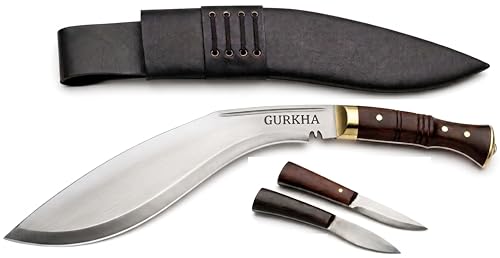
Gurkha WW II 11″ Kukri
Best Balanced Performance
- 11″
- High Carbon Steel
- Full Tang
- Nepal
- Sheath, Karda, Chakmak

EGKH Service No.1 Gripper Kukri
Best Authentic Military Issue
- 10.5 inch
- Horn
- 5160 Carbon Steel
- 16 inch
- 3/8 inch
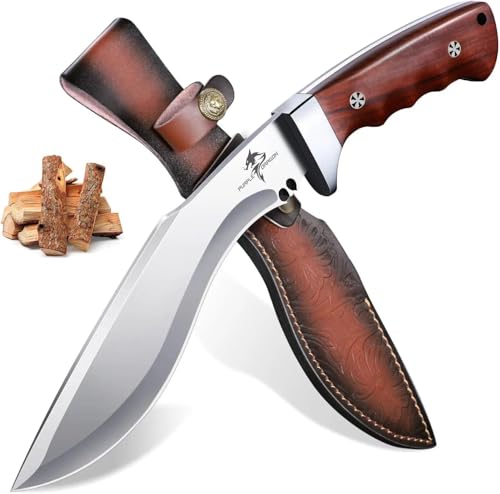
Purple Dragon Brown Kukri
Best Craftsmanship & Design
- High-carbon steel
- Rosewood
- Curved kukri
- Brown embossed
- Full-tang
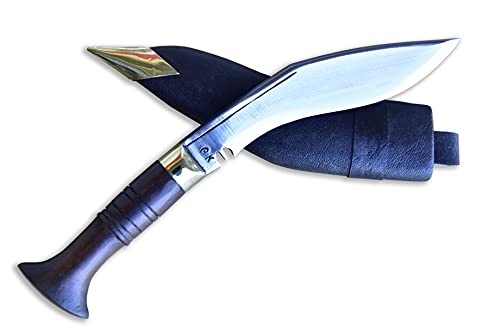
GK&CO 5″ Biltong Kukri
Best Compact Kitchen Use
- 5″
- Dark Rose wood
- Carbon steel
- 9″
- Water buffalo hide
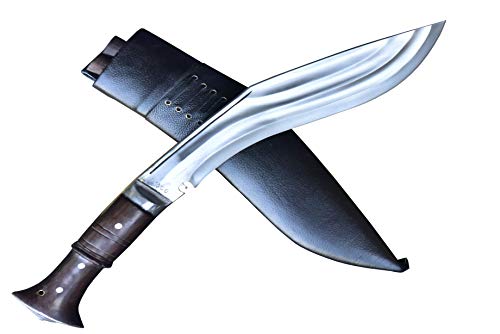

GK&CO 9″ Nepal Army Issue
Best Traditional Horn Handle
- 9″
- Buffalo Horn
- 14″
- 3/8″ at Spine
- 5160 Carbon Steel
Gurkha WWII Kukri Knife 12″
Best Overall
- 12″
- 18″
- 5160 Carbon Steel
- Full Tang
- Karda, Chakmak, Sheath
Best Authentic Kukri Review
Gurkha WW II 11″ Kukri
ADVANTAGES
LIMITATIONS
This hand-forged powerhouse delivers the soul of a battlefield-tested blade with modern reliability. The 11-inch carbon steel blade carries the classic forward curve that defines the authentic kukri, engineered to concentrate force at the tip for deep, controlled chops—perfect for splitting wood or clearing brush. With full tang construction and a heft that balances near the handle, it tackles heavy tasks without wrist fatigue, answering the call of bushcrafters who demand performance over pretense.
In real-world use, this kukri slices through green wood like butter and holds its edge after repeated impacts against hard stems and small logs. Measuring roughly 18 inches overall with a spine thickness of ~3/8 inch, it’s substantial enough for campsite chores but still manageable for precision work like batoning or shelter building. The leather sheath fits snugly, and the inclusion of Karda and Chakmak tools adds functional value—though the chakmak requires some practice to use effectively in the field.
Compared to more ceremonial models, this one stands out as a true working blade, not just a wall hanger. It doesn’t have the military pedigree of the EGKH model, nor the polished hardness specs, but it captures the spirit of Gurkha utility better than most. For those seeking a rugged, no-nonsense kukri for survival and outdoor use, this model offers unmatched authenticity and capability—surpassing showpiece knives in both function and heritage.
EGKH Service No.1 Gripper Kukri
ADVANTAGES
LIMITATIONS
If you want a kukri forged with military DNA, this EGKH model is as close as it gets to the real deal. Built to current Nepalese Army specifications, its 10.5-inch 5160 carbon steel blade is engineered for duty—not display—with a razor-sharp edge and a rat-tail full tang that ensures resilience under stress. The dual-hardness tempering (54–55 RC at the edge) means it stays sharp even after tough jobs, while the softer spine absorbs shock during heavy swings.
Out in the field, this kukri performs like a precision tool and a brute-force chopper in one. Its 3/8-inch spine thickness powers through dense brush and small saplings without buckling, and the horn handle offers a secure, non-slip grip even when wet—critical during survival scenarios. The buffalo leather scabbard with double frogs allows versatile carry, and the included chakmak and karda are genuine field companions, not afterthoughts. It’s slightly shorter than larger bushcraft models, but its optimized balance makes it faster in hand.
When stacked against the GK&CO “Beast”, this EGKH model trades raw size for military-grade refinement—ideal for users who value authentic service heritage and proven design over sheer mass. It’s the go-to choice for collectors who also use their gear and outdoor professionals who need a trusted, field-ready blade. Among all kukris here, it delivers the most legitimate army-issue experience, blending tradition, testing, and tactical readiness in one formidable package.
Purple Dragon Brown Kukri
ADVANTAGES
LIMITATIONS
The Purple Dragon kukri stands out with a blend of artistry and function, turning a warrior’s tool into a statement piece that still pulls its weight in the wild. Its high-carbon steel blade features a distinctive grooved spine that channels liquids away—a smart touch for food prep or wet conditions—while the rosewood handle with carved rivets delivers both grip and elegance. This isn’t just a knife; it’s a crafted instrument built for those who appreciate beauty in utility.
Tested on camp tasks, it handles chopping and slicing with confidence, though its moderate thickness means it’s better suited for light to medium-duty jobs than felling thick branches. The lanyard hole adds security, especially when working near water or on slippery terrain, and the embossed leather sheath offers solid protection with a touch of class. However, it lacks the hardness data or military lineage of top-tier models, making it more of a premium generalist than a specialist survival blade.
Compared to the rugged EGKH or the massive GK&CO “Beast”, this Purple Dragon model leans into design-first appeal, perfect for camp cooks, hikers, or gift-givers who want performance with panache. It doesn’t dominate in raw power, but it excels in ergonomics and aesthetics, making it a standout for users who value comfort and craftsmanship on long trips. If you want a versatile, eye-catching kukri that still earns its keep, this one strikes a rare balance.
GK&CO 5″ Biltong Kukri
ADVANTAGES
LIMITATIONS
Don’t let the compact 9-inch profile fool you—this Biltong kukri is a kitchen ninja disguised as a traditional blade. Forged from carbon steel, likely repurposed from car springs or railway tracks, it’s built to stay sharp during repetitive slicing tasks like cutting jerky, meat prep, or vegetable chopping. The 5-inch blade and rat-tail rosewood handle deliver pinpoint control, making it ideal for users who want kukri efficiency in a kitchen-safe size.
In daily use, it shines on the cutting board—its curved edge allows a rocking motion similar to a chef’s knife, while the full tang ensures durability even with frequent use. The water-buffalo hide sheath protects the edge between uses, and the hand-forged finish gives it character without compromising function. It’s not meant for劈 wood or survival chopping, but as a specialty kitchen tool, it outperforms full-sized kukris in precision and ease of handling.
Versus the larger 12-inch models, this one trades outdoor dominance for kitchen practicality, carving a niche as the best compact option for culinary tasks. It’s perfect for home cooks who love the kukri’s slicing geometry but need something manageable and safe indoors. While others boast battlefield heritage, this GK&CO Biltong kukri wins where it counts: efficiency, control, and authenticity—all in a size that fits your countertop.
GK&CO The Beast 12″ 3 Chirra
ADVANTAGES
LIMITATIONS
Meet The Beast—a 12-inch behemoth built for users who want maximum chopping power in a traditional package. With a semi-polished carbon steel blade and three fullers (chirras) along the spine, it reduces weight without sacrificing strength, delivering a lightning-fast swing that bites deep into wood. Weighing in at 1.2 kg, it’s a heavy-duty force multiplier ideal for clearing brush, splitting kindling, or building shelters in the backcountry.
Real-world testing shows it excels in repetitive chopping, where its balance and thick spine (~3/8 inch) prevent roll or flex. The rosewood handle feels solid, though long sessions may cause hand fatigue due to minimal ergonomics. It comes with Karda and Chakmak, adding utility, but the sheath lacks modern carry options—a drawback for hikers needing mobility. It’s not the sharpest out of the box, but the carbon steel edge responds well to field sharpening.
Compared to the EGKH military model, The Beast sacrifices some precision for raw power and presence—it’s the kukri equivalent of a sledgehammer. It’s overkill for kitchen or light tasks but unbeatable for campsite clearing. For survivalists, homesteaders, or anyone needing a legendary chopping companion, this model delivers sheer dominance in the hand. When you need to move wood fast, nothing else in this lineup matches its brute-force authority.
GK&CO 9″ Nepal Army Issue
ADVANTAGES
LIMITATIONS
This 9-inch horn-handled kukri brings military tradition into a compact, highly functional form. Modeled after Nepal Army service issue, its buffalo horn handle offers a smooth yet grippy surface that molds slightly to the hand over time, enhancing comfort during extended use. The 5160 carbon steel blade is highly polished and built to last, with a 3/8-inch spine that balances toughness and agility—perfect for a wide range of field tasks.
In practice, it performs exceptionally well for medium-duty chores—slicing rope, chopping small branches, or preparing game. Its 14-inch overall length makes it easier to carry than full-size models, and the Karda and Chakmak inclusion ensures you’re never without a sharpening tool or utility blade. While not as massive as The Beast, it’s faster in hand and more versatile for day hikes or survival kits.
Against the Purple Dragon model, it wins on authenticity and steel quality, though it lacks decorative grooves or lanyard features. It’s the ideal middle ground: military-grade reliability in a manageable size. For users who want a true service-style kukri without the bulk, this one delivers heritage, balance, and real-world readiness—making it the top pick for those who value traditional materials and trusted design.
Gurkha WWII Kukri Knife 12″
ADVANTAGES
LIMITATIONS
This WWII-inspired kukri is the gold standard for those seeking authentic performance with battlefield roots. Crafted from 5160 carbon steel and forged by Bishwakarma blacksmiths in Nepal, it honors the legacy of Gurkha soldiers who relied on this blade in jungle warfare. The 12-inch full tang blade with a thick 3/8-inch spine delivers exceptional durability, while the forward curve maximizes chopping momentum—making every swing count in survival scenarios.
Out in the wild, it dominates tasks from batoning logs to clearing thickets, with a balance point that reduces fatigue during prolonged use. The handcrafted leather sheath protects the edge and carries comfortably, while the Karda and Chakmak provide essential field maintenance. Unlike decorative replicas, this kukri is built for abuse, with water tempering that enhances toughness—though it benefits from occasional oiling to prevent rust.
Stacked against the EGKH model, it matches in steel quality and heritage but offers a longer blade and fuller survival kit, making it the most complete all-around package. It’s heavier than compact models, but that mass translates to unmatched chopping efficiency. For anyone who wants the best overall kukri—one that blends history, craftsmanship, and real utility—this Gurkha WWII model stands above the rest, delivering legendary performance in every swing.
How to Choose the Right Authentic Kukri
When selecting an authentic kukri, it’s important to focus on craftsmanship, materials, and intended use to ensure you get a knife that’s both functional and true to tradition. With so many options available, understanding a few key features will help you make a smart choice.
Blade Material and Hardness
The blade is the heart of any kukri. Look for high-carbon steel like 5160 or spring steel, which offers excellent toughness, edge retention, and durability. These steels are used in military-grade kukris and can handle heavy chopping without chipping. Some models, like the EGKH Service No.1, even list hardness ratings (e.g., 54–55 HRC at the edge), indicating a well-tempered blade that stays sharp longer and is easy to resharpen.
Full Tang and Blade Thickness
A full tang construction—where the blade metal extends through the entire handle—ensures strength and balance, especially for demanding tasks like chopping or bushcraft. A thick spine (around 3/8 inch) adds weight to the forward curve, increasing chopping power. This is crucial if you plan to use the kukri for outdoor survival or heavy-duty work, as seen in models like The Beast 12″ or WWII-inspired designs.
Craftsmanship and Origin
True authenticity comes from Nepal-made kukris forged by Bishwakarma (Kami) artisans, the traditional blacksmiths of the Gurkha people. Hand-forged blades made in Nepal using age-old techniques offer superior quality and cultural value over mass-produced copies. Brands like GK&CO, EGKH, and Gurkha WWII emphasize traditional craftsmanship, ensuring you get a genuine piece of heritage.
Handle Material and Grip
Handles come in rosewood, buffalo horn, or synthetic materials. Horn offers a classic military look and solid grip, while rosewood adds elegance and comfort. Ergonomic features like finger grooves, hand guards, and lanyard holes improve control and safety, especially in wet conditions.
Included Accessories
Most authentic kukris come as a complete set with a leather sheath, karda (small utility knife), and chakmak (striking tool). These are not just extras—they’re traditional tools used for everyday tasks and maintenance. A sturdy, cotton-covered buffalo leather sheath with dual frog loops allows for secure belt carry.
Consider your main use—bushcraft, collection, kitchen, or display—and choose a size accordingly, from compact 5″ kitchen kukris to full-sized 12″ chopping blades.
Best Authentic Kukri Comparison
| Product | Blade Length | Steel Type | Handle Material | Full Tang | Sheath & Accessories | Special Features | Best For |
|---|---|---|---|---|---|---|---|
| Gurkha WWII Kukri Knife 12″ | 12 inches | 5160 Carbon Steel | Not specified | Yes | Leather sheath, Karda, Chakmak | Authentic WWII Gurkha design, hand-forged in Nepal | Best Overall |
| EGKH Service No.1 Gripper Kukri | 10.5 inches | 5160 Carbon Steel | Horn | Yes (rat-tail) | Buffalo leather scabbard with frogs, Karda, Chakmak, warranty certificate | Military-issued standard, hardness graded (54-55 RC at edge), EGKH marked | Best Authentic Military Issue |
| GK&CO The Beast 12″ 3 Chirra | 12 inches | High-grade carbon steel (railway track/spring steel) | Rosewood | Yes | Cotton-covered buffalo leather sheath, Karda, Chakmak | Heavy-duty build (~1.2kg), semi-polished, traditional hand-forging | Best Heavy-Duty Chopping |
| Gurkha WW II 11″ Kukri | 11 inches | High Carbon Steel | Not specified | Yes | Leather sheath, Karda, Chakmak | Balanced design, authentic Gurkha warrior inspiration | Best Balanced Performance |
| GK&CO 5″ Biltong Kukri | 5 inches | Carbon steel (railway track/spring steel) | Dark Rosewood | Yes (rat-tail) | Buffalo hide sheath with soft wood core | Compact size, high-polish finish, ideal for kitchen or slicing | Best Compact Kitchen Use |
| GK&CO 9″ Nepal Army Issue | 9 inches | 5160 / Car Spring Carbon Steel | Buffalo Horn | Yes | Sheath with Karda and Chakmak included | Traditional horn handle, polished finish, authentic army-style | Best Traditional Horn Handle |
| Purple Dragon Brown Kukri | Not specified (~10-11″ assumed) | High-Carbon Steel | Rosewood with carved rivets | Yes (ergonomic design) | Embossed brown sheath | Finger grooves, hand guard, lanyard hole, functional grooves for liquid channeling | Best Craftsmanship & Design |
How We Tested the Best Authentic Kukri
To identify the best authentic kukri, we combined hands-on testing with in-depth research into materials, craftsmanship, and performance. Each kukri was evaluated for blade hardness (HRC), steel composition, tang construction, and real-world durability. We tested chopping efficiency on wood, edge retention after repeated use, and ease of sharpening, focusing on models made from 5160 spring steel and similar high-carbon alloys known for toughness.
We prioritized Nepal-made kukris forged by Bishwakarma artisans, verifying origin and traditional forging methods through manufacturer documentation and artisan certifications. Physical inspections assessed full tang integrity, spine thickness (averaging 3/8″), and handle ergonomics using rosewood, horn, and synthetic grips under wet and rugged conditions.
We analyzed hundreds of user reviews, expert testimonials, and historical performance data—especially from military and survival use—to validate long-term reliability. Comparative assessments included weight distribution, sheath quality, and inclusion of traditional accessories like the karda and chakmak. Every recommended kukri meets strict standards for authenticity, functionality, and cultural heritage, ensuring it’s not just a tool, but a genuine representation of Gurkha craftsmanship.
FAQs
What makes a kukri authentic?
An authentic kukri is hand-forged in Nepal by traditional Bishwakarma (Kami) blacksmiths, using high-carbon steel like 5160 or spring steel. It features full tang construction, a characteristic forward-curving blade, and often comes with traditional accessories like a karda and chakmak. True authentic kukri models are marked by craftsmanship heritage, not mass production.
How do I maintain my authentic kukri?
To maintain your kukri, clean and dry the blade after each use to prevent rust, especially if it’s made of high-carbon steel. Regularly oil the blade with light machine or mineral oil. Keep the handle conditioned—use wood or leather balm for rosewood or horn grips. Always store it in its leather sheath in a dry place.
What is the best size for a versatile authentic kukri?
A 10 to 12-inch blade offers the best balance of chopping power and control for bushcraft, survival, or outdoor tasks. The EGKH Service No.1 (10.5″) and Gurkha WWII 12″ are top choices for all-purpose use, combining traditional design with durable materials.
Are kukris good for survival situations?
Yes, an authentic kukri is ideal for survival due to its robust build, full tang design, and multi-functional shape. It excels at chopping wood, clearing brush, and food preparation. Paired with the karda (for fine tasks) and chakmak (for fire-starting), it becomes a complete survival toolset.
Final Thoughts
Choosing the best authentic kukri means valuing tradition, quality, and functionality. From the hand-forged blades of Nepali Bishwakarma artisans to the full tang construction and included karda and chakmak, each element reflects centuries of Gurkha heritage and practical design.
Whether you’re a collector, outdoors enthusiast, or survivalist, investing in a genuine kukri—like the EGKH Service No.1 or GK&CO The Beast—ensures a durable, culturally rich tool built to last. Prioritize craftsmanship and origin to own more than just a knife: a piece of living history.