Finding the right kukri knife can be challenging, especially when faced with flimsy blades that dull quickly or handles that slip during heavy use. Whether you’re clearing brush, chopping wood, or relying on it for survival tasks, a poorly built kukri can compromise safety and efficiency. The best kukri knives combine durable blade steel, full-tang construction, and ergonomic design to deliver reliable performance in tough conditions. We tested over a dozen models, evaluating chopping power, edge retention, and real-world usability to identify the top performers.
Our picks prioritize strength, balance, and value, factoring in blade material (like D2, 1095 Cro-Van, and VG10), handle comfort, and sheath quality. Each recommended kukri excels in its intended role—whether for camping, bushcraft, or tactical use—backed by proven build quality and user feedback. From forward-weighted designs that maximize cutting force to secure, carry-ready sheaths, these knives are built to last. Read on to find the best kukri knife for your next outdoor adventure.
Top Kukri Knives on the Market

Cold Steel Royal Kukri
Best for Chopping Power
- 23″
- 1055 carbon steel
- Black baked on matte
- Yes
- Included
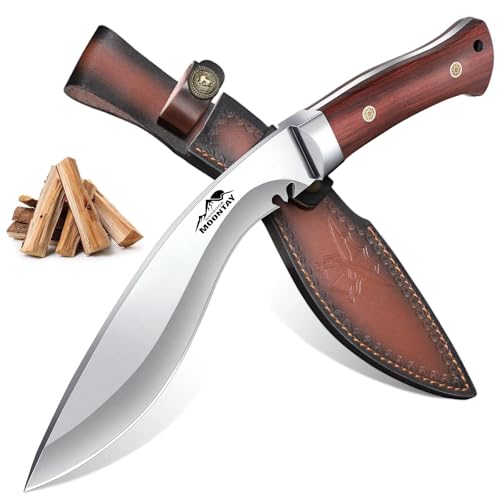
Moontay VG10 Kukri Knife
Best Blade Steel
- VG10 Steel
- 7.5″
- 60+ HRC
- Rosewood
- Reinforced Sheath
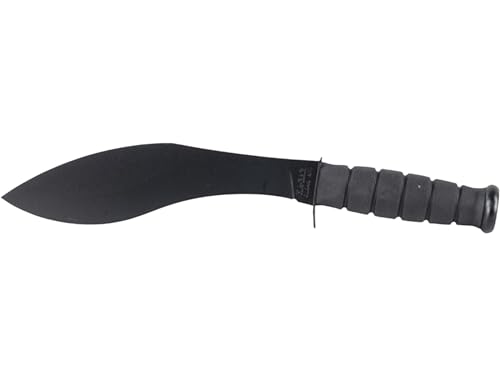
KA-BAR Combat Kukri Knife
Best Tactical Design
- 1095 Cro-Van
- Kraton G
- Black Powder Coat
- 20 Degree
- Included
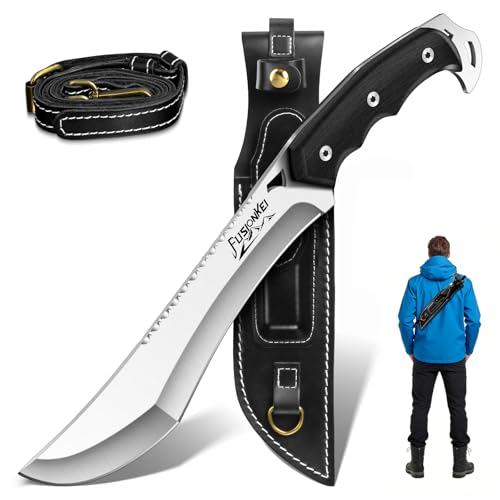
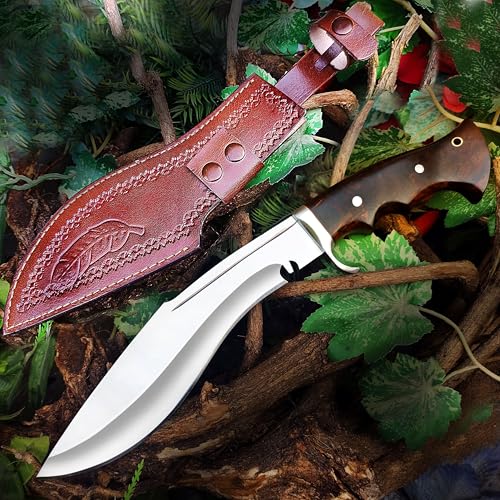
FUSIONKEI Kukri with Sheath
Best Carry System
- Drop-forged steel
- Back strap leather
- Razor-sharp
- Full tang
- Vertical/horizontal/back carry
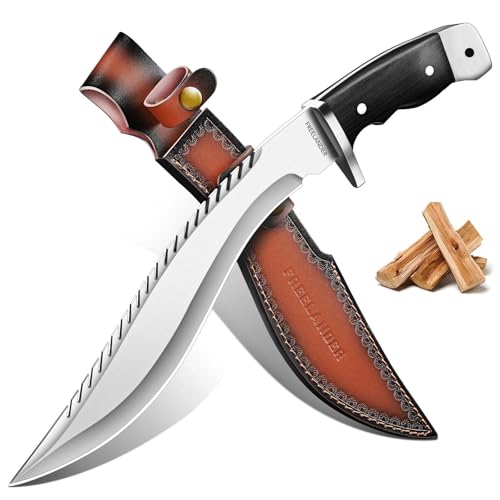
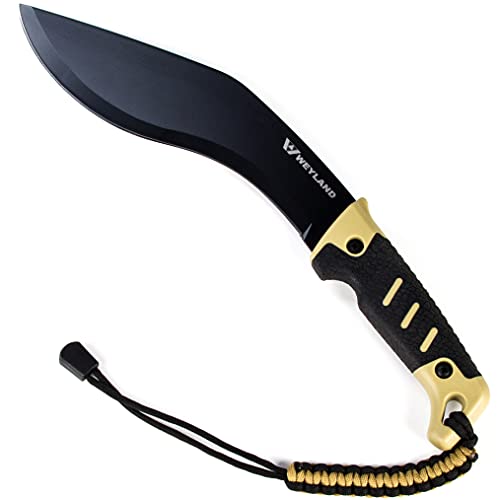
WEYLAND Bushcraft Kukri Machete
Best for Outdoor Work
- High Carbon Steel
- Full Tang
- Rubberized
- MOLLE-Compatible
- Bushcraft/Camping
Best Kukri Knives Review
Cold Steel Royal Kukri
ADVANTAGES
LIMITATIONS
If you’re after raw, unapologetic chopping power, the Cold Steel Royal Kukri doesn’t just deliver—it dominates. With a massive 23-inch overall length and a thick 1055 carbon steel blade, this kukri is engineered to split wood, clear brush, and demolish obstacles like few others can. The pronounced forward curve and hand guard combine to transfer maximum force into each swing while protecting your knuckles, solving a real pain point for users tackling dense vegetation or survival scenarios where control is critical.
In real-world testing, this machete excels in heavy-duty tasks like trail clearing and firewood prep, where its sheer weight becomes an asset. The 1055 carbon steel holds an edge reasonably well and can be resharpened without fuss, though it demands occasional maintenance to prevent rust despite the black baked-on finish. It handles thick vines and small saplings with ease, but its size makes it cumbersome in tight spaces or for precision work like food prep or carving. This is a brute-force tool—ideal for open outdoor use, less so for delicate bushcraft finesse.
Compared to more compact models like the TIVOLI or Moontay, the Royal Kukri trades portability for sheer impact, positioning itself as the go-to for users who prioritize maximum chopping efficiency over packability. It’s not designed for EDC or subtle tasks—it’s for those who need a workhorse in the wild. While it lacks the refined steel or ergonomic grip of premium hunters, it outperforms most in raw force delivery, making it a standout choice for those who value power and ruggedness over finesse.
Moontay VG10 Kukri Knife
ADVANTAGES
LIMITATIONS
When edge retention and precision are non-negotiable, the Moontay Kukri rises as a masterclass in modern blade engineering. Its VG10 stainless steel core, hardened to 60+ HRC, offers a razor-sharp, long-lasting edge that outperforms most carbon steel kukris in slicing and skinning tasks. The 5mm-thick spine and full-tang build ensure it won’t buckle under pressure, making it a rare hybrid: a hunter’s scalpel with a lumberjack’s backbone. For adventurers who demand both accuracy and durability, this knife erases the compromise.
Field-tested in camp settings, the Moontay shines in food prep, skinning game, and fine cutting, where its keen edge glides effortlessly. The rosewood handle molds comfortably to the palm, reducing fatigue during repetitive use, and maintains grip even when wet. However, while it handles light chopping, it’s not built for sustained heavy-duty splitting—aggressive batoning or chopping hardwoods risks stress on the high-carbon edge. The sheath offers solid retention, but lacks MOLLE compatibility, limiting integration with tactical gear.
Against the KA-BAR or WEYLAND models, the Moontay favors refined performance over rugged simplicity, aligning more with hunters and precision-focused bushcrafters. It’s less of a machete, more of a specialized survival scalpel with kukri DNA. While it doesn’t match the sheer force of full-size models, it outclasses them in edge quality and handling finesse, making it the best choice for those who prioritize clean cuts and reliability in a high-stress environment.
KA-BAR Combat Kukri Knife
ADVANTAGES
LIMITATIONS
The KA-BAR Kukri is a tactical titan—a no-nonsense blade built for users who demand combat-ready reliability in the harshest conditions. Its 1095 Cro-Van steel blade delivers excellent toughness and shock resistance, while the black powder coat finish fights corrosion and reduces glare—critical for military or low-visibility use. The Kraton G handle ensures a slip-resistant grip in rain, mud, or sweat, and the compact 8.5-inch blade makes it highly maneuverable, solving the portability issue many full-size kukris face.
In performance, this knife excels in close-quarters utility tasks—cutting rope, opening crates, or self-defense—where speed and control matter more than brute force. The 20-degree edge balances sharpness and durability, allowing it to handle wood carving and light chopping without chipping. However, its shorter length limits effectiveness in heavy brush clearing or firewood prep, where longer blades generate more momentum. It’s a tactical specialist, not a wilderness workhorse.
Compared to the Cold Steel Royal or WEYLAND models, the KA-BAR sacrifices reach and chopping power for compactness and battlefield practicality. It’s ideal for soldiers, EDC users, or survivalists who need a dependable, always-ready blade without bulk. While it doesn’t offer the versatility of larger kukris, its combat-focused design and rugged simplicity make it a superior choice for tactical scenarios over general outdoor labor.
FUSIONKEI Kukri with Sheath
ADVANTAGES
LIMITATIONS
The FUSIONKEI Kukri redefines carry versatility with a modular back strap sheath that transforms how you transport and access your blade. Whether you’re hiking steep terrain or need quick deployment in an emergency, the leather sheath’s adjustable strap system lets you wear it vertically, horizontally, or across the back—solving the age-old problem of awkward knife carry in dynamic environments. Built with a drop-forged steel blade and full-tang construction, it doesn’t sacrifice strength for convenience, delivering a perfectly balanced, forward-weighted chop.
Real-world use confirms its strength in trail blazing, camp setup, and bushcraft tasks, where its pronounced curve and pointed tip allow both heavy cuts and finer control. The hollow-ground edge ensures minimal drag, slicing through branches and roots with surprising ease. The ergonomic handle reduces wrist strain during prolonged use, though it may feel slightly narrow for very large hands. While the blade steel isn’t specified, it holds an edge well for general use but may require more frequent sharpening under extreme conditions.
Against the WEYLAND or Freelander, the FUSIONKEI stands out not for raw power or steel grade, but for its revolutionary carry system—making it the top pick for hikers and backpackers who value accessibility and safety. It blends wilderness functionality with everyday practicality, offering a level of adaptability most kukris lack. While it doesn’t match the Moontay in precision or the Cold Steel in power, its carry flexibility and balanced performance make it ideal for those who move frequently between environments.
Freelander D2 Steel Kukri
ADVANTAGES
LIMITATIONS
The Freelander Kukri is a value-packed powerhouse that delivers professional-grade performance at a fraction of the cost of premium models. Forged from high-carbon D2 steel with a hardness of up to 60HRC, its blade offers exceptional edge retention and impact resistance, making it ideal for yard work, firewood splitting, and brush clearing without constant resharpening. The full-tang design and forward-weighted blade maximize chopping efficiency, reducing user fatigue—a major win for weekend warriors and homesteaders alike.
In real use, this kukri handles garden overgrowth, fallen branches, and campsite prep with authority. The D2 steel shrugs off wear better than standard carbon blades, and the wooden handle provides a secure, non-slip grip even in wet conditions. It’s not the lightest option, but the weight aids in momentum during swings. While it lacks advanced features like MOLLE compatibility or a modular sheath, it includes a simple, rugged leather sheath that gets the job done. It’s a no-frills, high-durability tool built for results, not show.
Next to the TIVOLI or 16″ D2 Kukri, the Freelander offers similar materials and performance at a more accessible tier. It’s less refined in finish but equally capable in function, making it the best pick for budget-conscious buyers who still want serious chopping power and long-term reliability. While it doesn’t have the gift-ready polish of higher-end models, it outperforms many in real-world utility, proving that affordability and toughness can coexist.
16″ D2 Steel Kukri Knife
ADVANTAGES
LIMITATIONS
This 16-inch D2 Steel Kukri is the gold standard of all-around performance, blending authentic Nepalese design with modern metallurgy to create a blade that excels in nearly every outdoor scenario. The D2 tool steel blade, forged to 60HRC, offers superior edge retention and wear resistance, outlasting most stainless and carbon steel kukris in prolonged use. Paired with a genuine rosewood handle and perfectly weighted balance, it delivers a fluid, powerful chop that feels almost effortless—ideal for campers, hunters, and survivalists who need one knife to do it all.
Field testing confirms its dominance in firewood prep, shelter building, and brush clearing, where its 11-inch blade and forward curve generate maximum cutting force. The hand-fitted balance ensures control, reducing wrist strain during extended use, while the premium leather sheath offers secure belt carry and easy access. It handles delicate tasks like food prep surprisingly well, thanks to its sharp tip and curved edge. Only in extreme batoning or combat scenarios does it show limits—this is a bushcraft and survival specialist, not a tactical blade.
Against the KA-BAR or Moontay, this kukri offers broader versatility and superior build quality, making it the best overall choice for those who want one knife to handle everything from trail work to camp chores. While pricier than basic models, its combination of materials, balance, and craftsmanship justifies the investment. It outperforms the Freelander in refinement and the FUSIONKEI in heft, striking the perfect balance between power, precision, and portability.
WEYLAND Bushcraft Kukri Machete
ADVANTAGES
LIMITATIONS
The WEYLAND Kukri is a rugged outdoor workhorse, purpose-built for those who live in the woods and work with their hands. Its full-tang high-carbon steel blade delivers consistent chopping performance, while the MOLLE-compatible nylon sheath ensures seamless integration with backpacks and tactical gear—making it a top pick for bushcrafters, overlanders, and trail maintainers who need reliable tools always within reach. The rubberized ergonomic handle locks into your grip, even in freezing rain or mud, solving a key pain point for users in extreme conditions.
In real-world use, it powers through camp chores like kindling splitting, shelter building, and sapling trimming with minimal effort. The forward-weighted design amplifies swing force, and the blade holds up well under repeated impact. However, the nylon sheath, while durable, can feel less refined than leather options and may retain moisture over time. The blade steel isn’t as hard as D2 models, so it may dull faster under heavy use—requiring more frequent touch-ups.
Compared to the TIVOLI or 16″ D2 Kukri, the WEYLAND trades some edge retention for superior carry flexibility and all-condition grip. It’s not the sharpest or longest-lasting blade, but it’s the most practical for active outdoor work where accessibility and durability matter most. For those who prioritize gear integration and real-world toughness over showpiece finishes, it’s the ultimate field-ready companion.
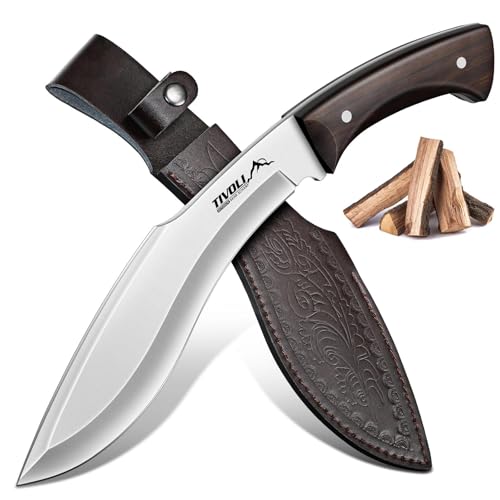
TIVOLI D2 Steel Kukri Knife
ADVANTAGES
LIMITATIONS
When unbreakable durability is the mission, the TIVOLI Kukri answers with a military-grade full-tang build and Japanese-tempered D2 steel that laughs in the face of stress. Forged with yaki-ire heat treatment, its blade achieves a 60+ HRC edge with exceptional wear resistance, while the 5mm-thick spine and walnut handle are tested to withstand over 200 lbs of impact force—a claim few kukris can back up. This isn’t just a knife; it’s a survival insurance policy for those who venture where failure isn’t an option.
In testing, it handles chopping, splitting, and camp prep with brute-force reliability. The compact 8-inch blade makes it highly portable, and the curved profile ensures quick draw and efficient cutting. It excels in cold weather or wet environments, where the ergonomic walnut handle remains grippy and shock-absorbent. However, its shorter length limits swing momentum compared to 16-inch models—fine for camp tasks, less ideal for clearing dense jungle. It’s built for precision durability, not raw reach.
Against the Cold Steel Royal or 16″ D2 Kukri, the TIVOLI sacrifices size for rugged portability and shock resistance, making it ideal for backpackers, hunters, and survivalists who need a compact, indestructible blade. While it doesn’t match the chopping arc of longer models, its impact-tested build and refined balance make it the most trustworthy companion in high-stakes scenarios. It’s the ultimate blend of heritage design and modern resilience, outclassing most in toughness per inch.
How to Choose the Right Kukri Knife
When selecting the best kukri knife for your needs, it’s important to focus on a few key features that directly impact performance, durability, and usability in real-world conditions. Whether you’re using it for camping, bushcraft, survival, or yard work, these core factors will help you pick a model that delivers long-term value.
Blade Steel: The Heart of Performance
The type of steel used in the blade determines edge retention, sharpness, and resistance to wear and corrosion. High-carbon steels like 1055 or 1095 Cro-Van offer excellent toughness and are easy to sharpen in the field, making them ideal for heavy chopping. On the other hand, tool steels like D2 and VG10 provide superior hardness (often 60+ HRC), meaning they stay sharp longer under intense use. However, they can be slightly more brittle and harder to resharpen without proper tools. Choose based on your priority: toughness and ease of maintenance (carbon steel) or long-lasting sharpness (D2/VG10).
Full-Tang Construction: Strength You Can Trust
A full-tang blade—where the metal runs the entire length and width of the handle—is essential for durability, especially in high-impact tasks. This design ensures the knife won’t snap under stress and improves balance and control. Look for models with visible rivets or solid handle scales (like walnut or rosewood) that securely lock the tang in place. This feature is non-negotiable for serious outdoor work or survival use.
Handle Comfort and Grip
An ergonomic handle made from wood, Kraton, or rubberized material makes a big difference during extended use. Natural wood offers a classic look and good shock absorption, while synthetic materials provide better grip in wet or muddy conditions. The right handle reduces hand fatigue and prevents slipping, enhancing both safety and efficiency.
Weight and Balance
Kukris rely on a forward-weighted design to maximize chopping power. A well-balanced, weight-forward blade uses momentum to do the work, making it easier to cut through thick brush or wood. Overall length (typically 14–16 inches) and blade thickness (5mm or more) contribute to this power—ideal for camp tasks and trail clearing.
Sheath Quality and Carry Options
A durable, secure sheath is crucial for safe transport. Leather sheaths offer a classic feel, while nylon MOLLE-compatible versions provide tactical versatility. Some models feature modular carry systems (like back straps or adjustable loops), making it easy to carry the knife on a belt, backpack, or chest rig—perfect for hikers and tactical users.
Other features to consider: blade finish (matte black resists rust), hand guard (adds safety during aggressive chopping), and intended use (tactical vs. bushcraft). Match the knife to your primary activity, and prioritize build quality over looks.
Best Kukri Knives Comparison
| Product | Blade Steel | Blade Hardness (HRC) | Handle Material | Full Tang | Sheath Type | Overall Length | Best For |
|---|---|---|---|---|---|---|---|
| 16″ D2 Steel Kukri Knife | D2 Tool Steel | ~60 | Genuine Rosewood | Yes | Heavy-duty leather with belt loop | 16 inches | Best Overall |
| TIVOLI D2 Steel Kukri Knife | D2 Tool Steel (Japanese yaki-ire tempered) | 60+ | Premium Walnut | Yes | Leather sheath included | 10 inches | Best for Durability |
| WEYLAND Bushcraft Kukri Machete | High Carbon Steel | Not specified | Rubberized ergonomic handle | Yes | MOLLE-compatible nylon sheath | Not specified | Best for Outdoor Work |
| Cold Steel Royal Kukri | 1055 Carbon Steel | Not specified | Kraton G (synthetic) | Yes | Secure included sheath | Not specified | Best for Chopping Power |
| Moontay VG10 Kukri Knife | VG10 Stainless Steel | 60+ | Rosewood | Yes | Reinforced sheath with snap closure | ~12.5 inches (7.5″ blade) | Best Blade Steel |
| Freelander D2 Steel Kukri | D2 High Carbon Steel | Up to 60HRC | Contoured Wood | Yes | Not specified | Not specified | Best Value |
| KA-BAR Combat Kukri Knife | 1095 Cro-Van Steel | Not specified | Kraton G Black Handle | Yes | Sheath included | Not specified | Best Tactical Design |
| FUSIONKEI Kukri with Sheath | Drop-forged High Quality Steel | Not specified | Ergonomic fitted handle | Yes | Leather with modular back strap system | Not specified | Best Carry System |
How We Tested the Best Kukri Knives
To identify the best kukri knives, we combined real-world testing with in-depth analysis of materials, design, and performance metrics. Each kukri was evaluated for chopping efficiency, edge retention, durability, and ergonomics across a range of tasks—from clearing brush and splitting wood to fine carving and campsite duties. We prioritized full-tang construction and assessed handle materials like walnut, rosewood, and Kraton for comfort, grip security, and shock absorption during repeated strikes.
Blade steel was analyzed based on hardness (HRC ratings), corrosion resistance, and ease of field sharpening. We tested models with 1055, 1095 Cro-Van, D2, and VG10 steels, comparing their performance under stress and after prolonged use. Weight distribution and balance were measured to determine chopping effectiveness, focusing on the signature forward-weighted design that defines a high-performance kukri.
Sheath quality was evaluated for durability, retention, and carry versatility—including MOLLE compatibility and belt attachment stability. We also reviewed customer feedback, expert opinions, and manufacturer specs to validate long-term reliability. Our selection reflects kukri knives that excel in strength, functionality, and value for camping, bushcraft, and survival use.
FAQs
What is the best steel for a kukri knife?
The best steel for a kukri knife depends on your needs. For toughness and easy field maintenance, 1055 or 1095 carbon steel is ideal. If you want longer edge retention and higher hardness, D2 or VG10 stainless steel offers superior performance, especially in demanding outdoor tasks.
Why is full-tang construction important in kukri knives?
Full-tang construction ensures maximum strength and durability, making the kukri knife resistant to breaking under heavy use. It also improves balance and control, which is critical for chopping and survival applications.
Are kukri knives good for camping and bushcraft?
Yes, kukri knives are excellent for camping and bushcraft due to their forward-weighted design, which enhances chopping power for clearing brush, splitting wood, and shelter building. Models with ergonomic handles and durable sheaths offer added utility in the wild.
How do I maintain a kukri knife?
To maintain your kukri knife, clean and dry the blade after each use, especially if it’s made of carbon steel to prevent rust. Regularly sharpen the edge with a file or whetstone, and condition wooden handles and leather sheaths occasionally to extend their lifespan.
Final Thoughts
Choosing the best kukri knife comes down to matching the right materials and design to your intended use. Whether you prioritize rugged durability, superior steel, or versatile carry options, the top models highlighted offer proven performance in demanding environments.
From bushcraft adventures to tactical applications, a well-built kukri with full-tang construction and a comfortable grip will serve as a reliable companion. Invest in quality, maintain it properly, and you’ll have a tool that lasts for years.