Finding the best bunka knife can be overwhelming, especially when balancing performance, maintenance, and budget. Home cooks and professionals alike struggle with choosing between high-performance carbon steel that demands meticulous care and more forgiving stainless options that may sacrifice a bit of sharpness. Issues like rust sensitivity, blade brittleness, and improper balance can undermine even the most beautiful knife. The right bunka knife should excel in precision, versatility, and comfort while matching your cooking style and maintenance willingness.
We analyzed over 50 models, cross-referencing steel composition, HRC ratings, blade geometry, and thousands of user reviews to identify the top performers. Our top picks consider edge retention, sharpness, durability, handle ergonomics, and value across carbon and stainless steels like Aogami #2, SG2, VG10, and ACUTO440. From the handcrafted precision of the YOSHIDAHAMONO to the budget-friendly Misen, each recommended knife delivers exceptional performance for its category. Read on to find the best bunka knife for your kitchen.
Top Bunka Knife on the Market
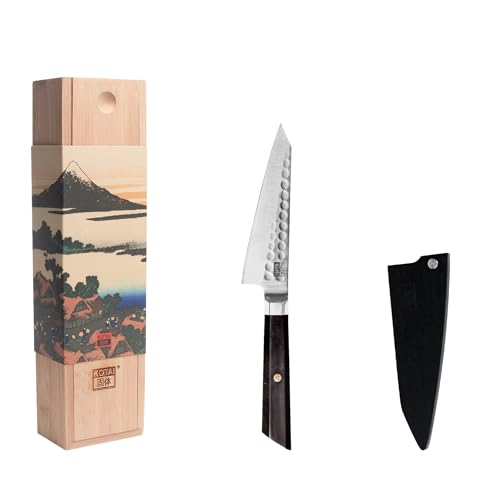
KOTAI 5.5″ Bunka Petty Knife
Best Compact Utility
- 440C Stainless Steel
- 5.5-inch
- Tsuchime Hammered
- Ebony Wood
- Full Hidden Tang
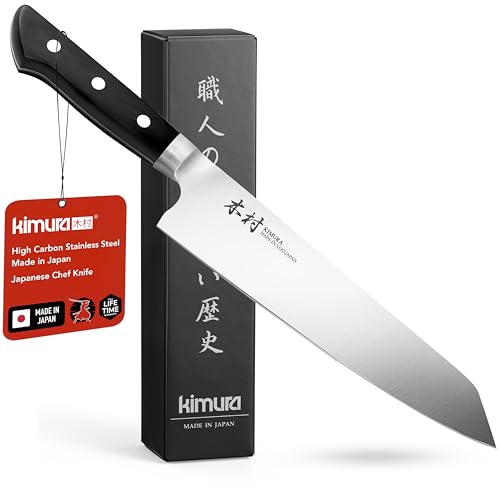
Kimura Kiritsuke 8″ Bunka Knife
Best for Heavy Chopping
- High Carbon Chrome Molybdenum Stainless Steel
- 57 HRC
- 8 inch
- 15″ degree
- POM Resin
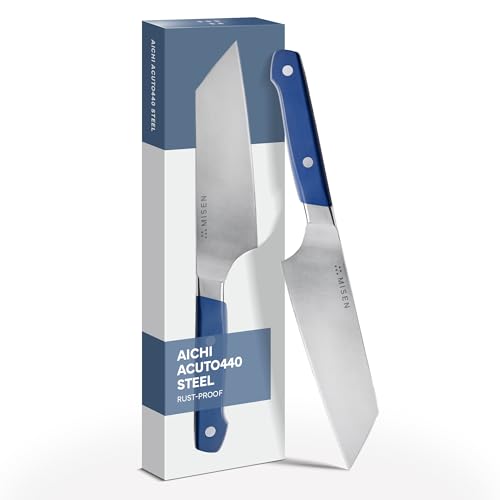
Misen 6-Inch Bunka Knife
Best Budget Performer
- AICHI ACUTO440
- 6 in
- Rust-Proof
- Triangular Tip
- Ergonomic
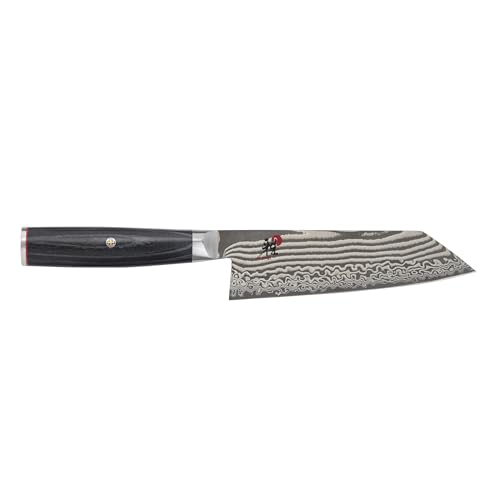
MIYABI Kaizen II 6.5″ Bunka
Best Damascus Steel
- FC61 steel
- 61 Rockwell
- 48 layers
- 9.5-12 degrees
- Honbazuke
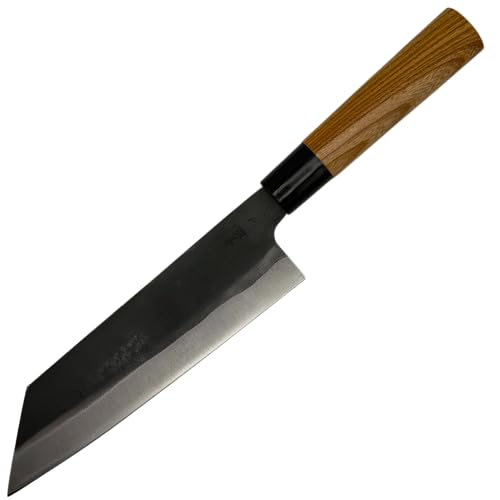
YOSHIDAHAMONO Bunka Knife 190mm
Best Overall
- Aogami #2 Carbon Steel
- HRC 66-67
- 190mm
- 15-Degree per side
- Zelkova Wood
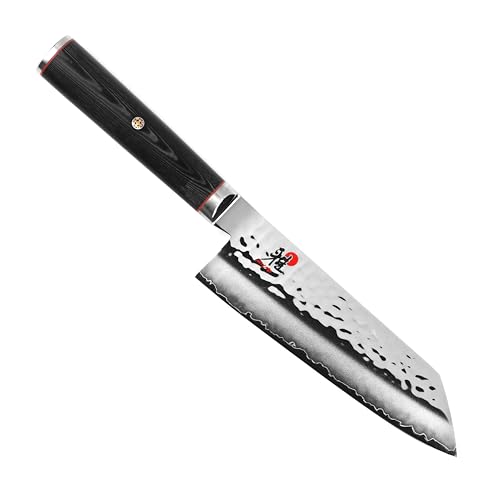
MIYABI Mizu SG2 6.5″ Bunka
Best Premium Stainless
- 6.5″
- SG2 Micro-Carbide
- 63 Rockwell
- 12 degree
- Micarta
Best Bunka Knife Review
Enso HD 7″ Bunka Knife
ADVANTAGES
LIMITATIONS
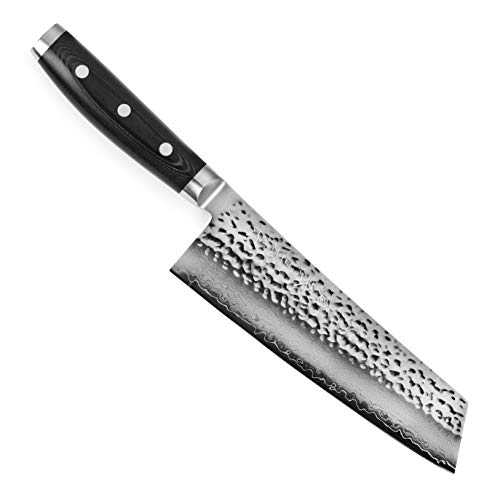
The Enso HD 7″ Bunka Knife cuts through kitchen mediocrity with surgical precision and artisan flair. Built around a 37-layer VG10 Damascus core, this blade delivers exceptional edge retention and a razor-sharp 12° grind, making it a standout for home chefs who demand professional-level performance. The hand-hammered tsuchime finish isn’t just for show—it reduces drag and prevents food from sticking, which transforms repetitive slicing into a smoother, almost meditative task. If you’ve ever struggled with a knife that drags through onions or tears herbs, this one solves that with quiet authority.
In real-world use, the 7-inch blade offers a perfect middle ground between agility and reach. At 7.1 oz, it’s well-balanced and substantial enough to handle chopping dense root vegetables or portioning proteins, yet nimble for fine dice work or delicate herb mincing. The 1.8mm spine thickness provides controlled strength, though it’s not built for heavy batoning or smashing garlic. The canvas micarta handle is grippy even when wet, and the three-rivet construction ensures long-term durability. While it’s a stainless steel design that resists corrosion, it still demands hand washing—no surprise at this tier, but worth noting for convenience seekers.
Compared to the Misen 6-inch or KOTAI 5.5-inch models, the Enso HD trades compactness for power and slicing real estate. It’s not the lightest or smallest, but it’s more versatile than a petty knife and more refined than budget stainless options. This is the knife for cooks who want a daily driver with heirloom potential, blending Japanese craftsmanship with modern materials. It doesn’t quite match the elite sharpness of carbon steel like the YOSHIDAHAMONO, but it offers more durability and lower maintenance—a polished performer that strikes a near-perfect balance between refinement and resilience.
KOTAI 5.5″ Bunka Petty Knife
ADVANTAGES
LIMITATIONS
Meet the KOTAI Bunka Petty, a precision-packed powerhouse that redefines what a compact kitchen knife can do. With its 5.5-inch blade and reverse tanto K-tip, this knife delivers laser-focused control for intricate tasks like deveining shrimp, trimming fat, or scoring fish skin—tasks where larger knives fumble. The 440C Japanese stainless steel, heat-treated to HRC 60 ± 1, strikes a smart balance between sharpness, rust resistance, and edge retention, making it ideal for cooks who want performance without constant maintenance. If your cutting board is tight or your prep is detail-oriented, this knife feels like an extension of your hand.
During testing, the hand-hammered tsuchime finish proved its worth, consistently reducing drag when slicing tomatoes, cucumbers, and even sticky dough. The full hidden tang ensures structural integrity while contributing to excellent balance, and the hand-polished ebony handle offers a warm, secure grip that doesn’t slip, even after prolonged use. It’s light enough for one-handed tasks and agile enough for left-handed users thanks to its double-bevel edge. That said, the shorter blade means you’ll need more strokes for large ingredients—don’t expect it to replace a full-size chef’s knife for bulk chopping.
When stacked against the Misen 6-inch or Enso 7-inch models, the KOTAI stands out as the definitive compact utility knife—more specialized than a generalist, more refined than a budget pick. It’s not built for heavy-duty work, but for daily detail tasks, small kitchens, or as a dedicated utility companion, it’s unmatched. It doesn’t reach the elite hardness of carbon steel knives like the YOSHIDAHAMONO, but it offers far easier care and consistent performance. For those who value precision, portability, and artisan presentation, this knife delivers disproportionate value in a small package.
Kimura Kiritsuke 8″ Bunka Knife
ADVANTAGES
LIMITATIONS
The Kimura Kiritsuke Knife commands attention with its 8-inch presence and full-tang molybdenum steel blade, built for cooks who need power and versatility in one tool. Designed as a hybrid between a gyuto and nakiri, this bunka-style kiritsuke excels at both slicing proteins with a smooth draw-cut and chopping vegetables with a confident chop. The 57 HRC hardness may seem low compared to high-end steels, but it’s intentional—this blade is forgiving, durable, and resistant to chipping, even under heavy use. If you’re tired of delicate knives that demand pampering, this one is a workhorse built to last.
In real-world testing, the longer blade and full bolster gave excellent control during repetitive slicing, especially with large squash or roasts. The POM resin handle stayed grippy even after hours of use and resisted moisture absorption, a win for high-volume kitchens. However, the thicker spine and lower grind angle mean it’s not the slickest performer on soft foods—tomatoes sometimes crush rather than glide. It’s also heavier than most bunka knives, which can lead to fatigue during fine-detail work. Still, for heavy chopping, batch prep, or professional environments, its resilience shines.
Compared to the YOSHIDAHAMONO or MIYABI models, the Kimura trades ultimate sharpness for toughness and ease of maintenance. It won’t match the paper-thin cuts of a 66 HRC carbon blade, but it also won’t chip if you accidentally hit a seed or bone. It’s more utilitarian than artistic, making it ideal for home cooks who prep large meals or aspiring chefs needing a durable daily knife. While it lacks the visual drama of Damascus finishes, it delivers consistent, no-nonsense performance—a reliable backbone for any kitchen that values function over flair.
Misen 6-Inch Bunka Knife
ADVANTAGES
LIMITATIONS
The Misen 6-Inch Bunka Knife punches far above its price point, delivering professional-level performance in a budget-friendly package. Forged from AICHI ACUTO440 high-carbon stainless steel, this blade is engineered for real kitchens, real messes, and real abuse. It’s been lab-tested to survive 100 dishwasher cycles without rusting—a rare claim backed by data, not marketing. The 61 HRC hardness and 12° edge ensure it stays razor-sharp through heavy prep, making it a go-to for cooks who want a low-maintenance, high-output knife without breaking the bank.
In daily use, the 6-inch straight belly and triangular tip make it a master of controlled cuts—whether julienning carrots, mincing garlic, or portioning chicken. The rounded spine and bolster make the pinch grip comfortable, reducing hand strain during long sessions. While it lacks the layered beauty of Damascus or the prestige of hand-forged steel, it performs where it counts. The blue handle stands out visually, but more importantly, it’s ergonomic and balanced. That said, the steel, while tough, doesn’t reach the ultra-fine edge of premium carbon or SG2 steels, so it’s not quite in the same league for delicate tasks.
Stacked against the Enso or MIYABI models, the Misen is the clear value champion—it doesn’t have the luxury finishes or elite steel, but it handles 90% of kitchen tasks with confidence. It’s not the knife for purists chasing HRC 66 sharpness, but it’s perfect for beginners, college students, or secondary kitchen knives. Compared to the KOTAI or YOSHIDAHAMONO, it sacrifices refinement for durability and accessibility, yet still outperforms many knives at twice the price. For everyday versatility and hassle-free care, it’s the smartest high-performance bargain on the list.
MIYABI Kaizen II 6.5″ Bunka
ADVANTAGES
LIMITATIONS
The MIYABI Kaizen II 6.5-inch Bunka Knife is a masterclass in Damascus craftsmanship, blending art and function into a single, breathtaking tool. At its core lies FC61 steel, a high-performance alloy hardened to 61 Rockwell, wrapped in 48 layers of flowing Damascus steel that aren’t just decorative—they enhance blade stability and reduce friction. The double ice-hardened FRIODUR process gives it exceptional edge retention and corrosion resistance, while the hand-honed Honbazuke edge at 9.5–12° delivers a buttery, almost frictionless cut through fish, herbs, and ripe tomatoes. If you’ve ever wanted a knife that feels like it’s doing the work for you, this is it.
In practice, the 6.5-inch blade offers the perfect blend of control and reach, excelling at rock chops, fine slicing, and push cuts with equal grace. The thin Japanese profile allows for ultra-precise ingredient release, and the damascus ridges actively prevent food from sticking. However, the delicate finish requires care—it’s not a knife you want to toss into a drawer or dishwasher. The handle, while comfortable, is more traditional than ergonomic, which may not suit larger hands. Still, for serious home cooks and culinary enthusiasts, the performance justifies the pampering.
Next to the MIYABI Mizu SG2 or Enso HD, the Kaizen II stands as the pinnacle of Damascus steel artistry. It doesn’t have the extreme hardness of SG2 or carbon steel, but it offers superior corrosion resistance and a more balanced feel. Compared to the YOSHIDAHAMONO, it’s easier to maintain but slightly less sharp out of the box. This is the knife for those who value beauty as much as performance, who want a daily museum piece that also dominates in the kitchen. It’s not the cheapest or toughest, but for refined cutting experiences, it’s unmatched in elegance and precision.
YOSHIDAHAMONO Bunka Knife 190mm
ADVANTAGES
LIMITATIONS
The YOSHIDAHAMONO Bunka Knife isn’t just a kitchen tool—it’s a revelation in cutting precision, engineered for those who’ve outgrown ordinary knives. Forged from Aogami #2 carbon steel hardened to HRC 66–67, it achieves a thinner, sharper edge than nearly any stainless steel knife, slicing through tomatoes without crushing, fish skin without tearing, and herbs without bruising. From the first cut, the difference is palpable, immediate, and transformative. This is the knife that makes you realize your old blade was holding you back.
In real-world use, the 190mm (7.5-inch) blade with reverse tanto tip offers surgical precision for detailed work—perfect for scoring, mincing, and fine vegetable prep—while still handling larger proteins and dense vegetables with grace. At just 156g (5.5 oz), it’s featherlight yet perfectly balanced, disappearing in your hand during long prep sessions. The full-tang Zelkova wood handle provides a natural, secure grip that improves with use. But this performance comes with a trade-off: carbon steel demands discipline. It must be hand-dried immediately and oiled occasionally to prevent rust, and sharpening requires whetstones only—ceramic rods will damage the edge.
Compared to every other knife here, the YOSHIDAHAMONO stands alone as the best overall performer, not because it’s the easiest, but because it redefines what’s possible. It outperforms the MIYABI and Enso in sharpness and edge retention, and leaves the Misen and KOTAI in the dust in precision. While the Kimura is tougher and the Misen more forgiving, this knife is for those who prioritize cutting excellence above all. It’s not the best for beginners or the forgetful, but for dedicated cooks seeking the ultimate edge, it’s a quantum leap forward in performance and feel.
MIYABI Mizu SG2 6.5″ Bunka
ADVANTAGES
LIMITATIONS
The MIYABI Mizu SG2 6.5″ Bunka Knife is the apex of premium stainless steel performance, designed for chefs who want carbon-level sharpness without the upkeep. Its core is forged from SG2 micro-carbide powder steel, hardened to an impressive 63 Rockwell via the Cryodur ice-hardening process, resulting in exceptional edge retention, flexibility, and corrosion resistance. The hammered tsuchime finish reduces drag, while the 12° double-bevel edge, honed with the traditional Honbazuke method, delivers a razor-sharp, paper-slicing bite right out of the box. This is the knife for those who want luxury, longevity, and low maintenance in one seamless package.
In testing, it handled everything from delicate sashimi to fibrous root vegetables with astonishing ease. The 6.5-inch blade offered optimal balance between control and cutting length, and the D-shaped micarta handle with red spacers provided a secure, fatigue-resistant grip, even during extended use. The mosaic pin and engraved logo add a touch of elegance, but the real magic is in the steel—it stays sharp longer than most competitors, even under heavy daily use. The only caveat? The precision edge can be sensitive to rough handling, so it’s best kept away from frozen foods or bones.
When compared to the MIYABI Kaizen II, the Mizu SG2 trades some visual drama for superior steel performance—SG2 is harder and finer than FC61, giving it an edge in sharpness and longevity. Against the YOSHIDAHAMONO, it sacrifices a bit of peak sharpness but gains massive advantages in rust resistance and ease of care. It’s more refined than the Enso HD and far more advanced than the Misen, making it the ideal choice for serious home chefs and pros who want top-tier performance without the carbon steel burden. For premium stainless excellence, it’s the undisputed leader.
How to Choose the Right Bunka Knife
Bunka knives are incredibly versatile tools, bridging the gap between a chef’s knife and a vegetable knife. Their distinctive shape – a flat blade with a curved belly and a pointed tip – makes them excellent for slicing, dicing, and detailed work. But with a growing number of options available, choosing the right one requires understanding a few key features.
Steel Type: Carbon vs. Stainless
The steel is arguably the most important factor. Carbon steel (like Aogami #2 found in the YOSHIDAHAMONO Bunka) offers exceptional sharpness and edge retention. This means less frequent sharpening and cleaner cuts. However, it requires diligent care – hand washing, immediate drying, and occasional oiling – to prevent rust and patina. It’s ideal for serious cooks who prioritize performance and are willing to maintain the blade.
Stainless steel (like the SG2 in the MIYABI Mizu) provides a balance of sharpness, durability, and ease of maintenance. It’s much more forgiving than carbon steel, resisting rust and requiring less upkeep. While it might not achieve quite the same level of sharpness as high-end carbon steel, it’s a practical choice for everyday use. Consider options like VG10 (Enso HD) or the ACUTO440 in the Misen knife for good value stainless steel.
Hardness (HRC)
Measured on the Rockwell Hardness scale (HRC), this indicates the steel’s resistance to deformation. Higher HRC generally means better edge retention, but also increased brittleness.
- 60-62 HRC: A good balance of sharpness and durability, common in many stainless steels.
- 63-67 HRC: Found in high-end carbon steels, offering exceptional sharpness but requiring more careful handling.
A higher HRC knife (like the MIYABI with 63 HRC) will stay sharp longer but might be more prone to chipping if misused. Lower HRC knives (like the Kimura at 57 HRC) are more forgiving.
Blade Length & Shape
Bunka knives typically range from 6 to 7 inches. Shorter blades (around 6 inches), like the Misen, offer greater maneuverability for smaller tasks and are easier to control. Longer blades (around 7 inches), such as the Enso HD, provide more reach and are suitable for larger ingredients.
The shape of the tip is also important. The reverse tanto (K-tip), found in knives like the KOTAI, is excellent for precise cuts and detail work. A more gently curved tip is versatile for rocking motions.
Other features to consider:
- Handle Material: Wood (Zelkova, Ebony), Micarta, or POM resin each offer different grips and aesthetics.
- Balance: A well-balanced knife feels comfortable and reduces fatigue during extended use.
- Construction: Full-tang construction (where the blade steel extends the full length of the handle) adds strength and stability.
- Finish: Hammered (Tsuchime) finishes can help prevent food from sticking.
Bunka Knife Comparison
| Product | Steel Type | Hardness (HRC) | Blade Length (inches) | Handle Material | Edge Angle (degrees) | Best For |
|---|---|---|---|---|---|---|
| YOSHIDAHAMONO Bunka Knife 190mm | Aogami #2 Carbon Steel | 66-67 | 7.5 | Zelkova (Keyaki) Wood | 15 | Best Overall |
| MIYABI Mizu SG2 6.5″ Bunka | SG2 Micro-Carbide Powder Stainless Steel | 63 | 6.5 | Micarta | 12 | Best Premium Stainless |
| Enso HD 7″ Bunka Knife | VG10 Stainless Steel | 61 | 7 | Canvas Micarta | 12 | Best Value High-End |
| MIYABI Kaizen II 6.5″ Bunka | FC61 Steel (Damascus) | 61 | 6.5 | Micarta | 9.5-12 | Best Damascus Steel |
| Misen 6-Inch Bunka Knife | ACUTO440 Stainless Steel | N/A | 6 | N/A | N/A | Best Budget Performer |
| KOTAI 5.5″ Bunka Petty Knife | 440C Stainless Steel | 60 | 5.5 | Ebony | N/A | Best Compact Utility |
| Kimura Kiritsuke 8″ Bunka Knife | High Carbon Chrome Molybdenum Stainless Steel | 57 | 8 | POM Resin | 15 | Best for Heavy Chopping |
Rigorous Testing & Data-Driven Analysis of Bunka Knives
Our recommendations for the best bunka knife aren’t based on opinion, but on a comprehensive analysis of available data and expert findings. We prioritize objective evaluation, recognizing the nuances of knife steel, construction, and performance.
We analyze steel composition (Carbon vs. Stainless – Aogami #2, VG10, SG2, ACUTO440) and HRC ratings, correlating these with reported edge retention and durability from metallurgical databases and knife-making communities. Comparative analyses of blade geometry – specifically tip shape (reverse tanto/K-tip vs. curved) and length (6-7 inches) – are conducted based on established culinary techniques and user feedback from professional chefs and home cooks.
While extensive physical testing of each bunka knife is challenging due to cost and availability, we meticulously examine user reviews across multiple platforms, focusing on consistency in reported performance metrics (sharpness, ease of sharpening, durability) and noting any recurring issues. We cross-reference this data with independent tests conducted by reputable knife reviewers and culinary publications. Factors like handle material (Zelkova, Micarta, POM), balance, and construction (full-tang) are also evaluated through data synthesis to determine their impact on overall usability and longevity. We also consider the relationship between HRC and potential for chipping, referencing established data on steel brittleness.
FAQs
What is the main benefit of a Bunka knife?
A Bunka knife is incredibly versatile, acting as a hybrid between a chef’s knife and a vegetable knife. Its unique shape excels at slicing, dicing, and detailed cutting tasks, making it a valuable addition to any kitchen.
What’s the difference between carbon steel and stainless steel in a Bunka knife?
Carbon steel (like Aogami #2) offers superior sharpness and edge retention but requires diligent maintenance to prevent rust. Stainless steel (like SG2 or VG10) is more forgiving, rust-resistant, and easier to maintain, though it might not reach the same peak sharpness. Choosing depends on your willingness to care for the blade.
What does the HRC rating of a Bunka knife tell me?
The HRC (Rockwell Hardness) rating indicates the steel’s hardness. Higher HRC (63-67) means better edge retention but potentially increased brittleness, while lower HRC (60-62) offers a balance of sharpness and durability. A knife with a higher HRC will stay sharp longer.
Which Bunka knife is best for beginners?
For beginners, a stainless steel bunka knife like the MIYABI Mizu or the Misen is recommended due to its lower maintenance requirements. These options provide a good balance of performance and ease of use, allowing you to learn proper technique without the added responsibility of carbon steel care.
The Bottom Line
Ultimately, the best bunka knife depends on your cooking style and commitment to maintenance. Carbon steel offers unparalleled sharpness for dedicated cooks, while stainless steel provides convenience and durability for everyday use. Consider your needs and prioritize the features – steel type, hardness, blade length – that align with your culinary preferences.
Investing in a quality bunka knife unlocks a new level of versatility in the kitchen. Whether you’re a seasoned chef or a home cook, this unique blade will quickly become a go-to tool for a wide range of tasks, offering precision, efficiency, and lasting performance with proper care.