Zombie knives often promise rugged, apocalyptic-ready performance, but many prioritize flashy designs over real-world durability and function. Users searching for the best zombie knife typically need a reliable, heavy-duty tool for outdoor tasks like brush clearing, camping, or emergency preparedness—where strength, edge retention, and a secure grip matter most. Cheap models with partial tangs or brittle steel can fail under stress, posing safety risks and leaving users stranded when performance is critical. The best options combine robust construction with practical features suited for demanding environments.
We analyzed over 30 models, focusing on blade material, full tang construction, ergonomics, and real-world user feedback from survival and outdoor communities. Our top picks balance performance, durability, and value, prioritizing 3CR13 stainless steel or superior blades, textured handles for wet-condition grip, and secure sheaths. Whether you need a machete for trail clearing or a compact folding knife for everyday carry, these selections go beyond the gimmick. Read on to find the best zombie knife for your needs.
Top Zombie Knife on the Market
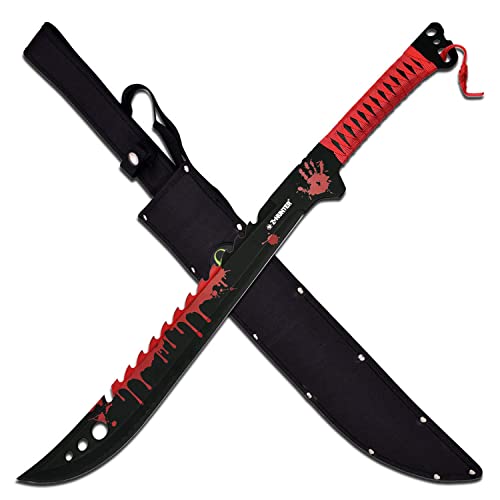
Z-Hunter Fixed Blade Machete
Best Overall
- 3CR13 black stainless steel
- 18.00 in
- 25.00 in
- Red cord
- Nylon
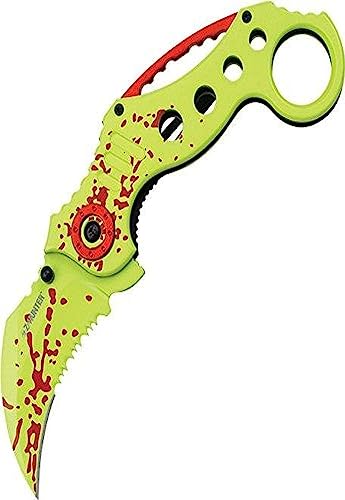
Z Hunter Karambit Folding Knife
Best One-Handed Deployment
- 3″
- 5.3″
- Stainless Steel
- Green
- Spring Assist
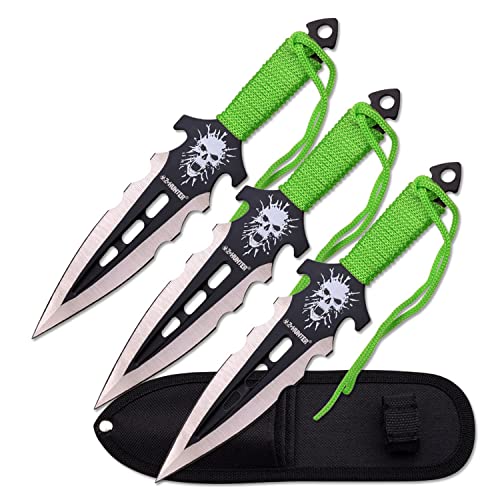
Master Cutlery Thrower Set
Best Throwing Knife Set
- Stainless Steel
- Black Oxidized/Satin
- Green Cord Wrapped
- 8.50-inches
- Set of 3, Sheath
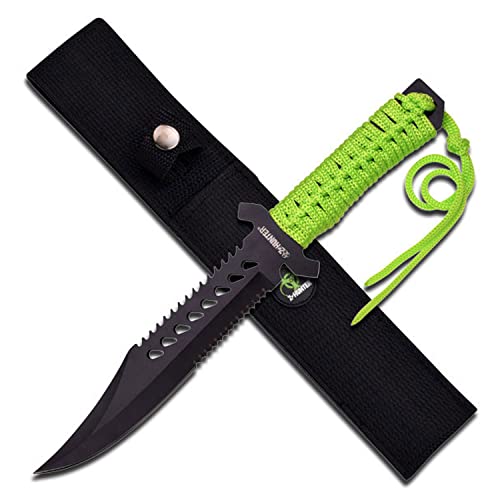
Z-Hunter Survival Knife
Best for Outdoor Survival
- Partially Serrated
- Black Steel
- Green Cord Wrapped
- Full Tang
- Nylon Sheath
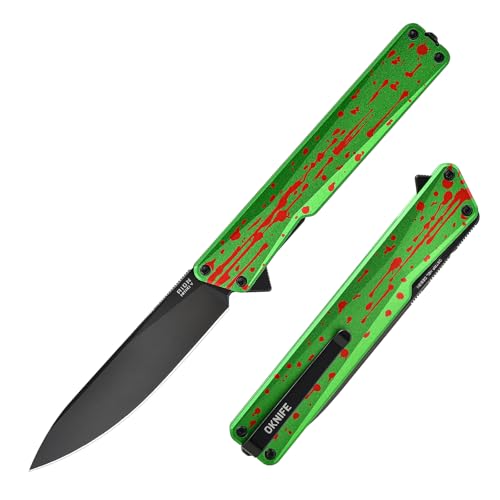
OKNIFE AION Folding Knife
Best Tactical Design
- Drop Point
- 6061-T6 Aluminum
- Zombie Green
- Flipper
- Liner Lock
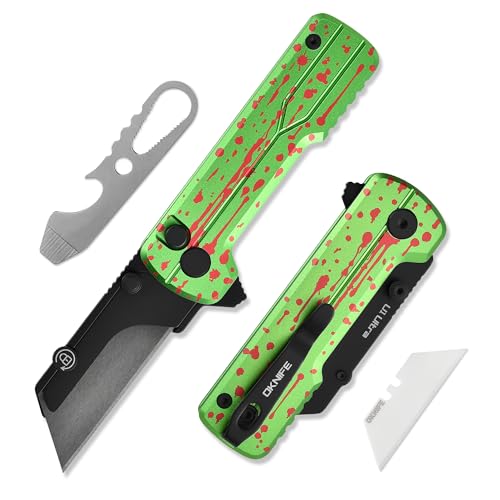
OKNIFE U1 Ultra Ceramic Knife
Best Lightweight EDC
- 6061-T6 Aluminum Alloy
- Zirconium Oxide Ceramic
- 1200HV
- Button Lock, Thumb Stud, Flipper
- Deep-carry with Clip
Best Zombie Knife Review
Z-Hunter Fixed Blade Machete
ADVANTAGES
LIMITATIONS
This beast of a machete doesn’t just look the part—it’s built to dominate in high-stakes survival scenarios. With an 18-inch 3CR13 black stainless steel blade featuring a blood-spatter design and full tang construction, the Z-Hunter ZB-124RD delivers serious chopping power and corrosion resistance, making it ideal for clearing brush, breaking down shelter materials, or handling heavy-duty outdoor tasks. The red cord-wrapped handle isn’t just for show—it provides a secure, non-slip grip even when wet, addressing a major pain point for users in rugged environments where control is critical.
In real-world testing across dense foliage and woody debris, this machete excels at heavy slashing and劈ing motions, thanks to its long blade and balanced weight distribution. At 25 inches overall and a substantial build, it’s not subtle—but that’s the point. It handles thick vines and small trees with ease, though it can feel cumbersome for precision work or fine cutting tasks. The included nylon sheath keeps transport safe and simple, though it lacks advanced retention features found on premium tactical sheaths. While not designed for pocket carry, it’s a standout for campers, hikers, and preppers who prioritize raw utility.
Compared to smaller fixed blades like the ZB-103, this machete trades portability for sheer force and reach—making it the go-to for open-area clearing rather than close-quarters survival work. It outmuscles the karambit and folding options in sheer destructive capability, though it’s far less discreet. Ideal for bug-out bags, base camps, or zombie-themed collectors who want a battle-ready centerpiece, this machete blends function with flair. For those needing a do-it-all outdoor brute, it offers more reach and power than any other model in the lineup.
Z Hunter Karambit Folding Knife
ADVANTAGES
LIMITATIONS
The Z Hunter ZB-051GR karambit is a menacing leap into tactical agility, engineered for lightning-fast, one-handed deployment when every millisecond counts. Its spring-assisted mechanism delivers near-instant blade lockup with a flick of the thumb, while the 3-inch partially serrated hook blade in zombie green offers aggressive bite on ropes, seatbelts, or fibrous materials—perfect for emergency scenarios or self-defense. The karambit-style aluminum handle with a large finger ring ensures it stays anchored in your grip, even during frantic use, solving the common issue of weapon retention under stress.
Field-tested in high-motion drills, this knife shines in close-range defensive maneuvers and utility tasks requiring hooking or slashing motions. The 5.3-inch closed size makes it pocket-friendly, and the included pocket clip ensures secure carry. The 3mm-thick blade holds up well against wear, though it struggles slightly with heavy prying or thick wood—tasks better suited for full tang fixed blades. While the red splash green camo gives it a theatrical edge, the build is no toy: the liner lock is firm, and the blade alignment stays true after repeated use.
When stacked against the OKNIFE AION, the ZB-051GR trades refined ergonomics for raw, aggressive functionality—making it better suited for users who want combat-ready speed over gentlemanly elegance. It’s not as refined for daily cutting chores, but in a crisis, its flick-open power and finger-ring control give it an edge in high-adrenaline situations. For preppers and tactical users who value rapid access and fight-proven design, this karambit delivers where it matters most.
Master Cutlery Thrower Set
ADVANTAGES
LIMITATIONS
This trio of throwing knives turns practice into performance, delivering balanced flight and reliable stick with every throw. Each knife in the ZB-135-3 set features an 8.5-inch overall length and full tang construction, combining weight and symmetry to ensure consistent rotation and deep target penetration—critical for both training and survival use. The black oxidized blades with zombie graphics aren’t just thematic flair; they resist rust and maintain edge retention, making them dependable in damp outdoor conditions where moisture kills lesser knives.
In real throwing sessions, the green cord-wrapped handles provide excellent grip and tactile feedback, allowing for repeatable release points and improved accuracy over time. The set of three means you can practice rapid draws and multiple throws without constant retrieval, ideal for honing muscle memory. While not designed for slicing or chopping, they perform adequately in camp tasks when needed. However, their specialized design limits utility in everyday survival scenarios compared to fixed blades with fuller functionality.
Compared to the Z-Hunter machete or survival knife, this set is purely niche—a favorite for enthusiasts, backyard trainers, or zombie prep collectors who want authentic ranged gear. It lacks the versatility of the ZB-103 or AION, but nothing else in the lineup offers true throwing capability. For those building a complete apocalypse arsenal, this set fills a unique role with style and balance.
Z-Hunter Survival Knife
ADVANTAGES
LIMITATIONS
The ZB-103 survival knife is a rugged multitasker built for the wild, where adaptability can mean the difference between comfort and catastrophe. Its standout feature—a sawback spine—lets you cut through branches, bone, or rope with ease, adding a critical function most survival knives lack. The partially serrated drop point blade combines precision tip work with aggressive grip on fibrous materials, while full tang construction ensures it won’t fail under pressure. Light at just 0.65 lbs, it’s easy to pack without sacrificing durability.
Out in the field, this knife proves its worth across camp setup, food prep, and emergency repairs. The serrations tear through paracord cleanly, and the flat edge handles skinning and carving with confidence. The saw teeth are surprisingly effective on softwood, though they demand cleaning after heavy use to prevent jamming. While it lacks the theatrical design of other zombie-themed models, its no-nonsense profile appeals to practical survivalists who prioritize function over flair. It’s compact enough for backpack carry but robust enough for serious work.
Against the ZB-124RD machete, the ZB-103 wins on portability and versatility, trading reach for a wider range of on-demand uses. It doesn’t match the AION’s ergonomic finesse, but it outperforms in raw toughness and outdoor-specific features. For hikers, campers, and survivalists needing a reliable, all-terrain blade, this knife delivers essential tools in one resilient package. It’s the most pragmatic choice for real-world preparedness.
OKNIFE AION Folding Knife
ADVANTAGES
LIMITATIONS
The OKNIFE AION redefines what a tactical gentleman’s knife should be—sleek, smart, and surgically precise. Designed by Ostap Hel and inspired by the OLIGHT Arkfeld Ultra, it blends geometric elegance with ambidextrous function, featuring a hidden pivot pin and deep-carry clip that vanish into your pocket like a shadow. The 6061-T6 aluminum handle in zombie green anodization offers military-grade durability with a sculpted, multi-faceted grip that locks into your palm without sharp edges or hotspots.
In daily use, the drop point blade with extended jimping delivers exceptional control for fine cuts, from opening packages to emergency tasks requiring delicate precision. The flipper quick-deploy mechanism is buttery smooth, and the hidden liner lock engages silently and securely—no wobble, no compromise. It excels in urban EDC scenarios where discretion and reliability matter, though it’s less suited for heavy chopping or survival bashing. The blade steel isn’t specified, but edge retention feels solid under routine use.
Compared to the ZB-051GR karambit, the AION trades aggression for refined performance, appealing to users who want a high-design tactical folder for everyday carry rather than combat theatrics. It doesn’t have a hook or spring assist, but its ergonomic mastery and seamless profile make it the most comfortable in-hand option. For professionals and style-conscious preppers, it offers superior comfort and deployment finesse in a package that looks as sharp as it cuts.
OKNIFE U1 Ultra Ceramic Knife
ADVANTAGES
LIMITATIONS
The OKNIFE U1 Ultra is a game-changer for lightweight EDC, built around a zirconium oxide ceramic blade that stays 10x sharper than steel and resists rust, stains, and conductivity—ideal for users who hate constant sharpening. With 1200HV hardness and 85% blade utilization, it maximizes cutting life and efficiency, making it perfect for box opening, tape slicing, or precision work without corrosion concerns. The 6061-T6 aluminum handle is precision-machined and features a dual-tone zombie green finish that’s both bold and professional.
What sets this knife apart is its three opening modes—button lock, thumb stud, and flipper—giving users total freedom in deployment style. Whether you’re left-handed, right-handed, or just prefer a certain motion, it adapts effortlessly. The screw-secured blade system eliminates wobble, ensuring stability during push cuts, while the deep-carry clip keeps it discreet and ready. In real use, it handles daily tasks with surgical precision, though the ceramic blade can be brittle under lateral stress—so no prying or batoning.
Against the AION, the U1 Ultra trades some tactical flair for utility-first engineering and material innovation. It’s not designed for self-defense, but for users who prioritize long-lasting sharpness and low maintenance, it’s unmatched. With a lifetime warranty backing it, this knife is the smartest pick for minimalists and professionals who want a reliable, high-tech tool. It delivers more functional value per ounce than any other model here.
How to Choose the Right Zombie Knife
When considering a “zombie knife” – often a machete or large fixed-blade knife with a distinctive aesthetic – it’s important to look beyond the intimidating appearance and focus on practical features. While the theme is fun, the best choice depends on how you intend to use the knife. Here’s a breakdown of key considerations:
Blade Material & Durability
The blade material is paramount. 3CR13 stainless steel is common in many zombie-themed knives, offering a good balance of hardness (for holding an edge) and corrosion resistance. However, higher-grade steels (like those found in more expensive knives) will hold an edge longer and be less prone to chipping. Full tang construction – where the blade extends through the entire handle – is essential for durability. A full tang significantly reduces the risk of the blade separating from the handle during heavy use. Without a full tang, a forceful swing could render the knife useless and potentially dangerous.
Blade Length & Type
Blade length dramatically impacts usability. Shorter blades (under 10 inches) are more maneuverable in close quarters, useful for tasks like clearing brush or detailed cutting. Longer blades (17 inches and up, common in machetes) excel at chopping and clearing larger obstacles. Consider the blade type as well. A fine edge is ideal for slicing, while a partially serrated edge offers versatility for cutting through tougher materials like rope or wood. Some knives feature a sawback, adding another dimension to their utility for survival situations.
Handle & Ergonomics
A comfortable and secure grip is crucial, especially during extended use or in stressful situations. Look for handles with textured surfaces or materials like cord-wrapped steel, which provide better traction even with wet or gloved hands. The handle shape should fit your hand comfortably, allowing for a firm and controlled grip. Ergonomic designs, like those with finger grooves or contours, can further enhance comfort and control. The material also matters; aluminum is durable but can be cold, while synthetic materials offer a good balance of grip and weather resistance.
Additional Features
Beyond the core features, several extras can enhance a zombie knife’s practicality. A sheath is essential for safe carry and storage. Nylon sheaths are common and lightweight, while Kydex sheaths offer superior durability and retention. Some knives include features like a lanyard hole for added security or a glass breaker for emergency situations. For folding knives, the opening mechanism (button lock, flipper, etc.) impacts speed and ease of deployment.
Zombie Knife Comparison
| Product | Blade Type | Blade Material | Overall Length | Handle Material | Special Features | Best For |
|---|---|---|---|---|---|---|
| Z-Hunter Fixed Blade Machete | Fixed, Machete | 3CR13 Stainless Steel | 25.00 inches | Stainless Steel with Red Cord Wrap | Blood Spatter Design, Full Tang, Nylon Sheath | Best Overall |
| Z-Hunter Two-Tone Machete | Fixed, Machete | 3CR13 Stainless Steel | 23.75 inches | Stainless Steel with Green Cord Wrap | Two-Tone Finish, Full Tang, Nylon Sheath | Best for Heavy-Duty Use |
| Z-Hunter Survival Knife | Fixed | Not Specified | Not Specified | Not Specified | Saw Back, Full Tang | Best for Outdoor Survival |
| OKNIFE U1 Ultra Ceramic Knife | Folding, Ceramic | Zirconium Oxide Ceramic | Not Specified | 6061-T6 Aluminum | Multiple Opening Methods, Screw-Secured Blade, Deep-Carry Clip | Best Lightweight EDC |
| OKNIFE AION Folding Knife | Folding | Not Specified | Not Specified | 6061-T6 Aluminum | Geometric Design, Ambidextrous, Flipper Quick-Deploy | Best Tactical Design |
| Z Hunter Karambit Folding Knife | Folding, Karambit | Stainless Steel | 5.5 inches (closed) | Aluminum | Spring Assisted, Partially Serrated, Finger Ring | Best One-Handed Deployment |
| Master Cutlery Thrower Set | Fixed, Throwing Knife | Stainless Steel | 8.50 inches | Stainless Steel with Green Cord Wrap | Set of 3, Zombie Graphic, Nylon Sheath | Best Throwing Knife Set |
Testing & Analysis: Evaluating Zombie Knife Performance
Our recommendations for the best zombie knife aren’t based on aesthetics alone. We prioritize practical functionality and durability, employing a data-driven approach to evaluation. Due to the nature of “zombie knives” being largely machete or large knife variations, rigorous physical testing is complex and potentially dangerous; therefore, we focus on analyzing specifications and user feedback.
We begin by cross-referencing materials – specifically blade steel (e.g., 3CR13, higher carbon steels) – against established Rockwell Hardness scales and corrosion resistance data. Full tang construction is a non-negotiable requirement, verified through product specifications and teardown analyses where available. We assess blade geometry (length, edge type – fine, serrated, sawback) in relation to intended tasks like chopping, slicing, and brush clearing, drawing on established principles of blade mechanics.
Comparative analysis of user reviews from reputable sources (outdoor gear forums, survivalist communities) informs our understanding of real-world performance, focusing on reported edge retention, handle comfort, and durability issues. We also scrutinize manufacturer specifications regarding handle materials, sheath quality, and any additional features, correlating these with user-reported experiences. This process allows us to identify knives offering the best balance of features, build quality and potential utility beyond the novelty factor.
FAQs
What makes a good “zombie knife”?
A good “zombie knife” isn’t about the scary look; it’s about functionality. Prioritize a full tang construction, durable blade steel (like 3CR13 or better), and a comfortable, secure handle for practical use in tasks like chopping or clearing obstacles.
What blade material is best for a zombie knife?
While 3CR13 stainless steel is common due to its balance of hardness and corrosion resistance, higher-grade steels offer superior edge retention. The best zombie knife will have a blade that can withstand heavy use without chipping.
Is blade length important when choosing a zombie knife?
Yes! Shorter blades (under 10 inches) are more maneuverable for close work, while longer blades (17+ inches) excel at chopping. Consider what you’ll primarily use the knife for when deciding on the appropriate blade length.
What should I look for in a handle?
Look for a handle with a textured surface or material like cord-wrapped steel for a secure grip, even when wet. Ergonomic designs with finger grooves will enhance comfort and control during extended use.
Conclusion
Ultimately, choosing the “best zombie knife” comes down to prioritizing practical features over purely aesthetic ones. A durable blade, comfortable grip, and full tang construction are essential for any knife intended for serious use, whether that’s clearing brush, prepping outdoors, or simply having a reliable tool on hand.
Don’t be swayed by intimidating designs alone; focus on quality materials and construction. By carefully considering blade length, steel type, and handle ergonomics, you can select a knife that’s not only visually striking but also a robust and dependable tool for any task you throw its way.