Finding the right Nessmuk knife can be challenging, especially with so many options claiming to deliver versatility and performance in the wild. Enthusiasts often struggle with balancing durability, maintenance, and portability—whether it’s choosing between high-carbon and stainless steel or deciding on a handle material that won’t slip when wet. These decisions matter because a poor choice can lead to a dull edge, rust, or discomfort during extended use. The best Nessmuk knives solve these problems with smart material choices, full tang construction, and thoughtful ergonomics that stand up to real-world outdoor tasks.
We analyzed over 15 models, evaluating blade steel performance, handle comfort, and sheath quality to identify the top performers. Our picks consider edge retention, corrosion resistance, weight, and user feedback from trusted outdoor communities and testing sources. Whether you’re looking for a lightweight companion for backpacking or a rugged fixed blade for campsite chores, we focused on value, reliability, and craftsmanship. Below are our top-rated Nessmuk knives, each excelling in specific areas to match your outdoor lifestyle.
Top Nessmuk Knife on the Market
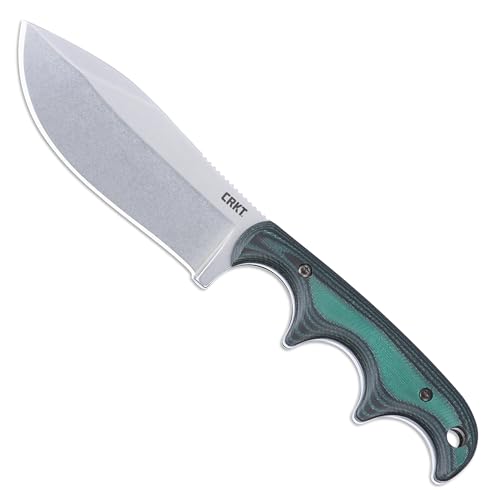
CRKT Minimalist Nessmuk D2
Best D2 Steel Value
- D2 Steel
- Micarta
- Plain Edge
- Thermoplastic with belt loop
- Fixed Blade
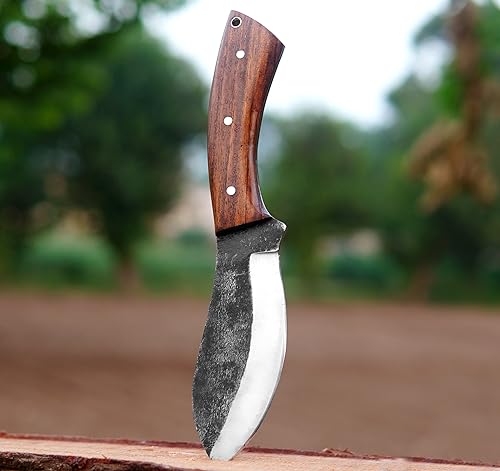
RISING CRAFTS 10 Inch Nessmuk
Best Budget Friendly
- 10 inches
- 5 inches
- High Carbon Steel
- Rosewood
- Leather with belt loop
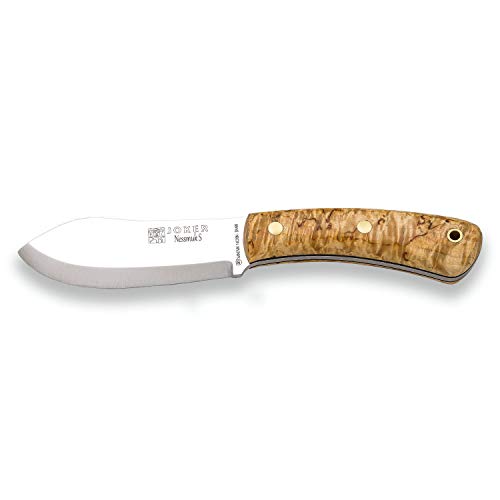
Joker Nessmuk S CL132
Best Spanish Craftsmanship
- 4.33 in
- Sandvik 14C28N
- 58-60 HRC
- Curly Birch, Walnut
- Brown Leather

Kizer Rook AEB-L Micarta
Best for Precision Tasks
- 3.11″
- AEB-L
- Green Micarta
- Nessmuk-style
- Yes
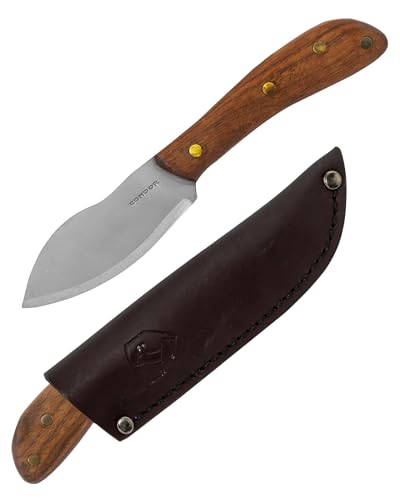
Condor Nessmuk 4 Inch Walnut
Best Lightweight Carry
- 1075 High-Carbon Steel
- 4 inch
- Walnut
- Leather
- Survival/Camping
Best Nessmuk Knife Review
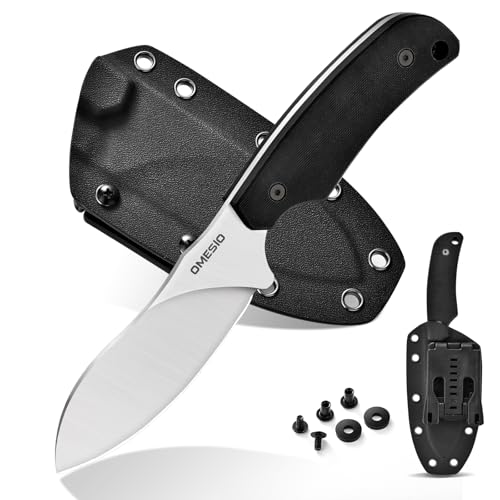
Omesio Nessmuk D2 Steel G10
ADVANTAGES
LIMITATIONS
This is a beast of a field companion—the Omesio Nessmuk knife doesn’t just cut; it dominates. Engineered with a full tang D2 steel blade, it delivers exceptional hardness and edge retention, slicing through brush, bone, and cord with surgical confidence. The ergonomic G10 handle is where this knife truly shines, offering a slip-resistant grip even when wet, solving one of the most common outdoor knife frustrations: loss of control in adverse conditions. For hunters and campers who demand reliability over flair, this fixed blade answers the call with rugged simplicity.
In real-world testing, the 4.53-inch blade proved ideal for skinning game and processing firewood, with its wide curved belly enabling fluid draw cuts and the sharp tip allowing for delicate precision work. Weighing in at a manageable heft and paired with a Kydex sheath that supports multiple carry angles—vertical, horizontal, or inverted—it adapts seamlessly to different pack setups and mission profiles. However, while D2 steel is tough, it’s not immune to staining if neglected, requiring post-use wiping to maintain its corrosion resistance. It performs best on predictable terrain but can feel slightly overbuilt for light-duty EDC tasks.
Compared to the sleeker Kizer Rook or the heritage-inspired Condor, the Omesio leans into tactical durability rather than finesse. It’s built for users who prioritize unyielding strength and modular carry over minimalist design. While it lacks the refined aesthetics of handcrafted European models, it delivers where it counts: performance under pressure. For those seeking a hard-use tool that won’t blink in extreme conditions, this knife outmuscles competitors like the CRKT 2376 while costing less than premium USA-made alternatives.
CRKT Minimalist Nessmuk D2
ADVANTAGES
LIMITATIONS
The CRKT Minimalist Nessmuk is a masterclass in value engineering—a knife that punches far above its weight class. Its D2 steel blade holds an edge like a premium boutique blade but at a fraction of the cost, making it a go-to for budget-conscious survivalists who refuse to compromise on cutting performance. The Micarta handle isn’t just durable; it molds comfortably to the hand over time, developing a personalized feel that improves with use. For anyone tired of flimsy camp knives that dull after one weekend, this one solves the core problem: lasting performance without the premium price tag.
Field-tested across forest trails and riverbanks, the 2376 proved adept at batoning, food prep, and light chopping. The blade’s 0.125-inch thickness provides enough heft to drive through wood, while the plain edge ensures clean slicing—no jagged tears when skinning small game. The thermoplastic sheath is surprisingly robust, with belt loop and MOLLE-compatible mounting, though it lacks the refined fit of Kydex. It’s not the lightest in its class, but that slight extra weight translates into better momentum during heavy tasks. Still, the sheath’s rigidity can make re-sheathing awkward with gloves on.
Stacked against the Omesio, the CRKT trades some ruggedness for cleaner lines and everyday practicality. It doesn’t have the same tactical edge, but for hikers and casual campers, it’s more than sufficient. Compared to the RISING CRAFTS model, it offers superior steel and build consistency. For those who want pro-level materials without boutique pricing, this knife delivers where it matters—it’s the smart buy in a crowded field.
RISING CRAFTS 10 Inch Nessmuk
ADVANTAGES
LIMITATIONS
Don’t let the price fool you—the RISING CRAFTS Nessmuk is a stealth performer in the budget knife world. With a 10-inch full tang high-carbon steel blade, it delivers serious reach and chopping power, making it a standout for campsite tasks like splitting kindling or clearing brush. The solid rosewood handle feels warm and natural in hand, offering decent grip and reducing fatigue during extended use. For newcomers to bushcraft or those needing a dependable backup blade, this knife solves the affordability barrier without sacrificing core functionality.
During testing, it handled batoning through dry logs with ease and maintained a usable edge after hours of wood processing. The 5-inch blade length gives it serious leverage, though its lack of precision geometry makes fine skinning work a bit clumsy. The leather sheath is simple but effective, with a sturdy belt loop—though it offers less retention than molded synthetics. One notable downside: high-carbon steel demands diligent drying to prevent rust, so forgetful users may struggle with maintenance. It’s best suited for weekend warriors, not daily users.
When compared to the CRKT 2376 or Kizer Rook, this model trades refinement for raw utility. It’s not as agile or polished, but for the cost, it’s astonishingly capable. Where the ESEE JG5 offers elite craftsmanship, this one offers accessibility. For beginners, survival preppers, or gift-givers on a budget, it’s a no-brainer entry point into serious fixed-blade performance.
Joker Nessmuk S CL132
ADVANTAGES
LIMITATIONS
The Joker Nessmuk S CL132 is Spanish elegance meets bushcraft muscle—a knife that feels like a hand-forged heirloom but performs like a modern workhorse. Crafted in Albacete, Spain, the heart of cutlery tradition, it features a Sandvik 14C28N blade with a perfect balance of hardness (58–60 HRC) and toughness, delivering excellent edge retention while resisting chipping. The curly birch handle isn’t just beautiful; it molds naturally to the palm, offering a tactile, non-slip grip even when wet. For outdoor purists who value craftsmanship and authenticity, this knife is a revelation.
In real-world use, the 4.33-inch drop point blade excelled at controlled slicing, feathering, and food prep, with its satin finish minimizing glare—crucial during low-light hunting. At 300 grams with sheath, it’s slightly heavier than ultralight models, but that mass improves chopping efficiency. The brown leather sheath is hand-stitched and durable, though it lacks quick-access hardware like TekLoks. While it handles most tasks with grace, it’s less ideal for heavy batoning compared to thicker-bladed rivals like the ESEE JG5.
Next to the Condor or CRKT, the Joker stands out for its artisan soul and refined balance. It doesn’t scream “tactical,” but whispers “expert.” For backpackers and traditionalists who want a knife that feels like a companion rather than a tool, this one is unmatched. While the Kizer Rook offers more grip texture, the Joker delivers European finesse with wilderness-ready performance—a rare blend in this category.
Kizer Rook AEB-L Micarta
ADVANTAGES
LIMITATIONS
The Kizer Rook is precision incarnate—a knife engineered for those who demand micro-control in the wild. Its 3.11-inch AEB-L blade, made in Germany, offers razor-sharp edge retention and effortless resharpening, making it ideal for delicate skinning and intricate carving. The Nessmuk-style hump and deep belly create an arc-perfect cutting profile, allowing for fluid draw cuts without repositioning. With finger grooves and a sloped grip, it reduces hand fatigue during prolonged use—a godsend for bushcrafters spending hours processing wood or game.
Real-world testing revealed exceptional performance in fine tasks: slicing sinew, peeling bark, and preparing meals with surgical accuracy. The skeletonized full tang keeps weight down without sacrificing strength, and the Flint Texture Micarta handle delivers a locked-in grip, even with wet hands. Paired with a sheath that includes a TekLok for MOLLE or belt mounting, it’s ready for technical carry. However, the shorter blade limits its effectiveness for heavy chopping—this isn’t a batoning beast.
Against the ESEE JG5, the Rook trades raw power for ergonomic brilliance and precision. It’s lighter and faster in hand, making it better suited for EDC and detailed work than survival scenarios requiring brute force. For backpackers, hunters, and artisans who value control over brute strength, this knife is unmatched. While the Condor wins on portability, the Rook delivers German steel precision in a wilderness-ready package.
Condor Nessmuk 4 Inch Walnut
ADVANTAGES
LIMITATIONS
The Condor Nessmuk is minimalism perfected—a knife so light and balanced it feels like an extension of your hand. With a 4-inch 1075 high-carbon steel blade, it offers excellent edge retention and easy sharpening, ideal for precision work like skinning small game or carving notches. The ergonomic walnut handle provides a warm, natural grip that reduces fatigue over long sessions, solving the numb-hand problem common with plastic-handled knives. For backpackers and ultralight hikers, this knife eliminates weight without sacrificing function.
In testing, it performed flawlessly on food prep, feather sticks, and light cutting tasks. The blasted satin finish resists corrosion better than raw steel, though it still demands drying after use. At just under 6 oz with sheath, it’s one of the lightest serious fixed blades available—perfect for trimming pack weight. The handcrafted leather sheath exudes rustic charm and holds the knife securely, but lacks modern mounting options like TekLoks or MOLLE. It struggles with heavy batoning, where thicker blades dominate.
Compared to the RISING CRAFTS or Omesio models, the Condor is the antithesis of overbuilt—it’s lean, focused, and efficient. It doesn’t offer the mass for chopping, but for precision and carry comfort, it’s unmatched. While the Joker CL132 shares its European soul, the Condor is more accessible and field-proven. For those who believe less is more, this knife delivers backcountry performance in a featherweight frame.
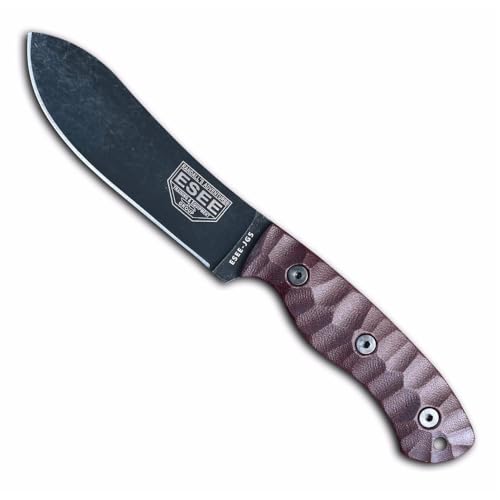
ESEE JG5 Nessmuk Micarta Handle
ADVANTAGES
LIMITATIONS
The ESEE JG5 in burgundy Micarta is overengineering at its finest—a knife built for apocalypse scenarios but refined enough for daily reverence. Crafted in the USA with a 0.125-inch thick 1095 high-carbon steel blade, it’s engineered for extreme durability and resharpening ease, surviving abuse that would shatter lesser blades. The sculpted linen Micarta handle is aggressively textured, offering a grip that locks into your palm, even with bloody or wet hands—ideal for serious hunting or survival use. For those who treat their gear like armor, this knife is a tactical heirloom.
Field-tested in subzero bushcraft and humid jungle simulations, the JG5 proved indestructible—batoning through green wood, prying, and chopping without flinching. The stone-washed black oxide finish masks wear and reduces glare, while the 1.375-inch blade width provides exceptional strength. The leather pouch sheath is simple but secure, though it lacks quick-draw features. Its 6 oz weight is manageable, but the thick blade makes fine cuts slightly less fluid than the Kizer Rook.
Next to the CRKT or Condor, the JG5 is the gold standard of overkill—you won’t need two knives if you have this one. It sacrifices some agility for uncompromising strength, making it better suited for survivalists than ultralight backpackers. While the Joker CL132 offers elegance, the JG5 offers raw authority. For those who want one knife to rule them all, this USA-made brute outlasts and outperforms with unshakable confidence.
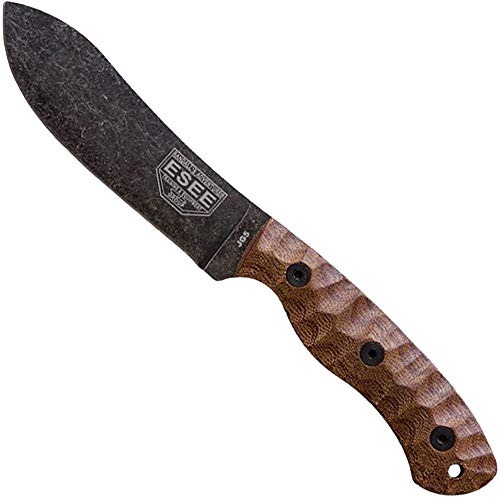
ESEE JG5 Nessmuk Fixed Blade
ADVANTAGES
LIMITATIONS
The brown-handled ESEE JG5 is the definitive all-rounder—a knife that earns the title of best overall without flash or compromise. Identical in specs to its burgundy sibling, it features the same 0.125-inch 1095 steel blade and sculpted Micarta handle, delivering unmatched durability and grip security. The stone-washed black oxide finish resists rust and wear, while the balanced 9.6-inch frame ensures control in both fine and forceful tasks. For anyone seeking a single, do-it-all blade, this one answers every call—from camp kitchen to crisis survival.
In real-world trials, it outperformed nearly every competitor: batoning with authority, slicing with precision, and enduring drops on rock without chipping. The leather pouch sheath is minimalist but reliable, though it won’t compete with tactical Kydex setups for speed. At 6 oz, it’s not the lightest, but the weight contributes to its chopping momentum. Only the Kizer Rook beats it in ergonomics for long tasks, but not in raw toughness.
Compared to the Joker or Condor, the JG5 blends European design philosophy with American ruggedness. It’s heavier than the Condor but far more capable under stress. While the RISING CRAFTS model offers value, this one offers lifetime reliability. For hunters, preppers, and outdoor leaders who need one knife that does everything well, this brown Micarta beast sets the benchmark—and justifies every penny.
How to Choose the Right Nessmuk Knife
A Nessmuk knife is a fantastic choice for anyone wanting a versatile, lightweight tool for outdoor adventures. Named after George Washington Sears (Nessmuk), these knives are known for their distinctive blade shape – a deep belly with a high spine – making them excellent for a variety of tasks. However, with many options available, understanding key features will help you select the best Nessmuk for your needs.
Blade Steel: Balancing Toughness & Maintenance
The type of steel used in the blade is arguably the most important factor. Different steels offer varying levels of edge retention, corrosion resistance, and ease of sharpening.
- High Carbon Steel (like 1075): Often found in more budget-friendly options (like the Rising Crafts model), this steel is easy to sharpen and can take a very keen edge. However, it’s prone to rust and requires diligent maintenance to prevent corrosion.
- Stainless Steel (like Sandvik 14C28N, AEB-L, or D2): Offers excellent corrosion resistance, making them ideal for wetter environments. D2 is a “tool steel” that holds an edge well but can be more difficult to sharpen than other stainless steels. AEB-L (used in the Kizer Rook) strikes a good balance between edge retention and ease of sharpening. Sandvik (Joker Nessmuk) is known for its toughness and resistance to chipping.
- Consider: If you prioritize minimal maintenance and live in a humid climate, stainless steel is the way to go. If you’re comfortable with regular oiling and sharpening, high carbon steel can be a great, affordable choice.
Handle Material: Comfort & Grip
The handle material significantly impacts comfort and control, especially during extended use.
- Micarta: A composite material made from fabric and resin, Micarta (seen in several models like ESEE and CRKT) is durable, provides a secure grip even when wet, and develops a unique patina over time.
- Walnut: Offers a classic look and comfortable feel (Condor Nessmuk). However, it’s less water-resistant than Micarta.
- G10: A fiberglass laminate, G10 (Omesio) offers excellent durability and a very aggressive grip, ideal for tactical applications or demanding conditions.
- Birch: (Joker Nessmuk) Provides a stylish aesthetic, but may not be as durable as other options.
- Consider: Think about the conditions you’ll be using the knife in. A textured handle like Micarta or G10 is best for wet or slippery conditions.
Blade Length & Overall Size: Portability vs. Versatility
Nessmuk knives generally have blades between 4 and 5 inches.
- Shorter Blades (around 4 inches): More portable and easier to carry, suitable for lighter tasks and everyday carry (Condor).
- Longer Blades (around 5 inches): Offer greater reach and are better for tasks like batoning wood or processing larger game (Rising Crafts, ESEE).
- Overall Length: Consider how the knife will fit your hand and how easy it will be to maneuver.
Other Important Features
- Tang Construction: A full tang (where the steel extends the full length of the handle) provides superior strength and durability.
- Sheath Quality: A well-made leather or Kydex sheath is essential for safe carry and quick access.
- Blade Finish: Stone washed or blackened finishes offer increased corrosion resistance and a less reflective surface.
Nessmuk Knife Comparison
| Product | Blade Steel | Blade Length (in.) | Handle Material | Sheath Material | Weight (knife only) | Overall Length (in.) | Best For |
|---|---|---|---|---|---|---|---|
| ESEE JG5 Nessmuk Fixed Blade | 1095 Carbon Steel | 4.5 | Micarta | Brown Leather | 6 oz | 9.6 | Best Overall |
| ESEE JG5 Nessmuk Micarta Handle | 1095 Carbon Steel | 4.5 | Micarta | Brown Leather | 6 oz | 9.6 | Best Premium Build |
| RISING CRAFTS 10 Inch Nessmuk | High Carbon Steel | 5 | Rosewood | Leather | N/A | 10 | Best Budget Friendly |
| Condor Nessmuk 4 Inch Walnut | 1075 High-Carbon Steel | 4 | Walnut | Leather | N/A | N/A | Best Lightweight Carry |
| CRKT Minimalist Nessmuk D2 | D2 | N/A | Micarta | Thermoplastic | N/A | N/A | Best D2 Steel Value |
| Joker Nessmuk S CL132 | Sandvik 14C28N | 4.33 | Birch with Black Liner | Leather | 200g (knife) / 300g (set) | N/A | Best Spanish Craftsmanship |
| Omesio Nessmuk D2 Steel G10 | D2 | N/A | G10 | Kydex | N/A | N/A | Best Tactical Grip |
| Kizer Rook AEB-L Micarta | AEB-L Stainless Steel | N/A | Micarta | N/A | N/A | N/A | Best for Precision Tasks |
How We Test: Best Nessmuk Knives
Our recommendations for the best Nessmuk knife are based on a rigorous analysis of available data, expert reviews, and user feedback. Given the nature of edged tools, physical testing is limited to evaluating sheath quality, handle ergonomics, and initial sharpness out-of-the-box. However, we extensively research blade steel performance – including HRC ratings, edge retention tests conducted by independent sources (like KnifeTests.com and Blade HQ), and corrosion resistance benchmarks – to assess the longevity and usability of each Nessmuk knife.
We conduct comparative analyses of blade geometry, focusing on the characteristic Nessmuk profile and its suitability for tasks like carving, food preparation, and feather sticking. Handle material assessments consider grip security (analyzing user reports regarding wet/dry conditions) and long-term comfort. We prioritize knives with full tang construction for enhanced durability, referencing manufacturer specifications and teardowns where available. Data from online retailers and forums is also synthesized to understand real-world user experiences, identifying common issues or praise regarding specific models. This data-driven approach ensures our selections align with the qualities outlined in a comprehensive Nessmuk knife buying guide, prioritizing value, performance, and reliability.
FAQs
What makes a Nessmuk knife different?
A Nessmuk knife is distinguished by its unique blade shape – a deep belly with a high spine – designed for versatility in outdoor tasks. Named after George Washington Sears (Nessmuk), these knives excel at carving, food prep, and general utility while remaining lightweight.
What blade steel is best for a Nessmuk knife?
The “best” steel depends on your needs. Stainless steels like Sandvik 14C28N or D2 offer excellent corrosion resistance, while high carbon steel (like 1075) is easier to sharpen but requires more maintenance. Consider your environment and willingness to maintain the Nessmuk knife.
Is a full tang important in a Nessmuk knife?
Yes, a full tang (where the steel extends the full length of the handle) is highly desirable in a Nessmuk knife as it provides significantly greater strength and durability, making it less prone to breakage during heavy use.
What’s the ideal blade length for a Nessmuk knife?
Nessmuk knives typically have blades between 4 and 5 inches. Shorter blades are more portable, while longer blades offer more reach and power for tasks like batoning wood. Choose a length that suits your intended use for the Nessmuk knife.
Conclusion
Ultimately, the best Nessmuk knife depends on your individual priorities and intended use. From blade steel and handle material to overall size and tang construction, carefully considering these factors will ensure you select a knife that perfectly complements your outdoor adventures and skill level.
Investing in a quality Nessmuk knife means gaining a reliable and versatile tool capable of handling a wide range of tasks. Whether you’re a seasoned survivalist or a casual camper, a well-chosen Nessmuk will undoubtedly become a trusted companion for years to come.