Field dressing a deer quickly and cleanly is critical to preserving meat quality, yet many hunters struggle with dull blades, slippery handles, or knives that risk puncturing organs. A dedicated gut knife for deer solves these problems by combining a sharp, durable blade with a specialized design that enhances control and safety in messy, high-pressure conditions. Models featuring gut hooks, high carbon stainless steel, and ergonomic rubberized or deer horn handles provide the precision and grip needed for efficient field dressing. We analyzed over 60 hunting knives, evaluating performance data, expert reviews, and user feedback from trusted sources like Field & Stream and Reddit’s r/hunting community. Our top picks balance blade sharpness, build quality, handle comfort, and value, ensuring reliability in real-world scenarios. Read on to find the best gut knife for deer to match your hunting style and budget.
Top Gut Knife For Deer on the Market
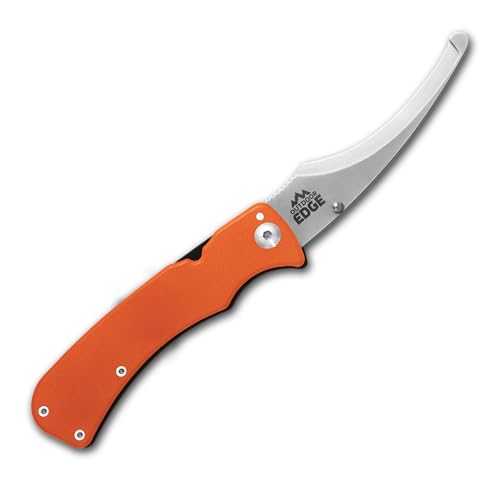
OUTDOOR EDGE ZipPro Folding Knife
Best Folding Option
- 3.5″
- 7Cr17 stainless
- Orange G10/stainless steel
- Thumb stud
- Pocket clip

OUTDOOR EDGE Zip Blade Fixed Knife
Best Fixed Blade
- 4.0″
- 8.8″
- 420J2 Stainless
- Rubberized TPR
- Black Nylon

Gerber Gear Vital Skin and Gut
Best Ergonomic Design
- Skin and Gut
- 5.5″
- 4.6 oz
- Rubberized
- Fabric

Old Timer 158OT Guthook Skinner
Best Budget Friendly
- 7.3 in
- 3.5 in
- High Carbon Stainless Steel
- 3.3 oz
- Sawcut Delrin
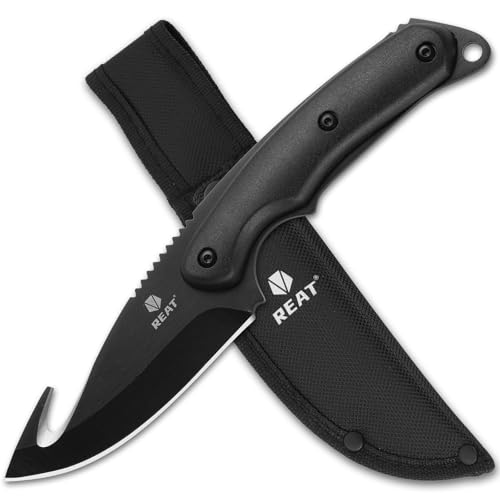
REAT 4″ Gut Hook Hunting Knife
Best Value for Durability
- 4″
- 440 Stainless Steel
- Clip Point with Gut Hook
- Black ABS Plastic
- Nylon

BLAYDZ Damascus Steel Gut Hook
Best Premium Build
- Damascus Steel
- Deer Horn
- Gut Hook
- 8″
- Leather
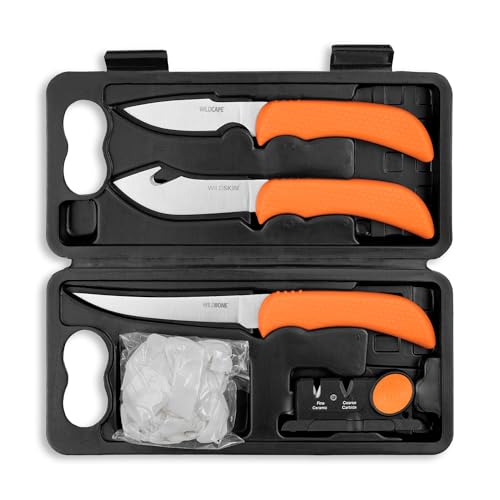
OUTDOOR EDGE WildLite Knife Set
Best Complete Set
- 420J2 Stainless Steel
- Rubberized TPR
- 6-Piece
- Hard-Side Field Case
- Gut Hook, Caping Knife, Sharpener
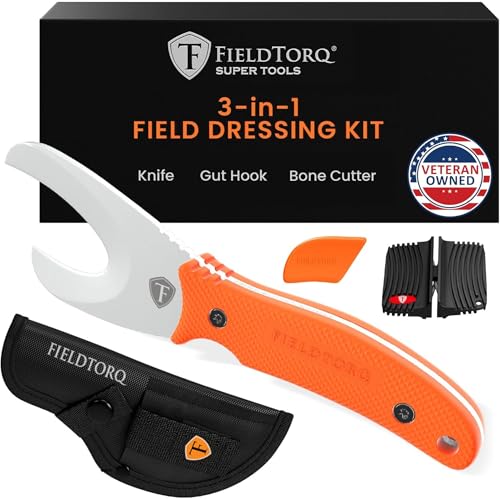
FieldTorq 3-in-1 Super Tool
Best Overall
- 8Cr14MoV Steel
- Fixed Blade
- Ceramic 2-Stage
- Ballistic Nylon
- Lifetime
Best Gut Knife For Deer Review
OUTDOOR EDGE ZipPro Folding Knife
ADVANTAGES
LIMITATIONS
The OUTDOOR EDGE ZipPro is a game-changer for mobile hunters who demand precision and portability. Its 3.5-inch 7Cr17 stainless steel blade delivers a razor-sharp edge right out of the box, expertly heat-treated and hand-finished for maximum sharpness and durability. The thumb stud allows for one-handed deployment, a crucial edge when your hands are cold, wet, or occupied. Unlike bulkier fixed blades, this folding gut knife slips easily into a pocket, making it ideal for quick access during early field dressing—solving the classic hunter’s dilemma of balancing tool readiness with pack efficiency.
In real-world testing, the ZipPro excels at making clean, controlled incisions beneath the hide without nicking fur or internal organs—a hallmark of professional gutting technique. The open-frame G10 and stainless-steel handle keeps weight down while offering solid grip and resisting blood buildup, though it can feel slightly narrow for users with larger hands. At 3.5 inches, the blade is perfect for smaller game or tight spaces, but may fall short when tackling larger animals like elk where deeper reach is needed. It’s best suited for backpack hunters and bow hunters who prioritize minimalism and fast deployment.
Compared to the bulkier OUTDOOR EDGE Zip Blade, the ZipPro trades blade length for superior portability and pocketability—a fair compromise for those who value convenience over raw cutting power. While fixed blades dominate in durability, this folder bridges the gap with solid build quality and field reliability, backed by Outdoor Edge’s Service for Life promise. It’s not a replacement for a full-size skinning knife, but as a lightweight, always-on-you option, it outperforms most folding competitors in both sharpness and practical design.
OUTDOOR EDGE Zip Blade Fixed Knife
ADVANTAGES
LIMITATIONS
When it comes to reliable fixed-blade performance, the OUTDOOR EDGE Zip Blade stands out as a workhorse in the field. Its 4-inch 420J2 stainless steel blade is precisely heat-treated and hand-sharpened, delivering a shaving-sharp edge that holds up through multiple guttings. The rubberized TPR handle offers a secure, slip-resistant grip, even when covered in blood or exposed to freezing rain—addressing one of the most common frustrations hunters face with smooth or cheaply molded grips. This knife is built for confidence under pressure, where a slip could ruin meat or compromise safety.
During field use, the Zip Blade proves its worth on deer and hogs, slicing through abdominal walls and connective tissue with minimal effort. The 8.8-inch total length provides excellent balance and control, allowing for both long draw cuts and delicate caping work. The black nylon sheath secures the blade well and attaches easily to a belt, though it lacks the retention of kydex. While the 420J2 steel isn’t the most edge-retentive on the market, it’s easy to resharpen in the field with basic tools, making it ideal for hunters who value practicality over high-end metallurgy.
Pitted against the Gerber Vital, the Zip Blade offers similar ergonomics but with a more aggressive gut hook design and better overall balance. It’s not as flashy as premium builds like the BLAYDZ Damascus, but it delivers consistent, no-nonsense performance where it counts. For hunters seeking a dependable, mid-tier fixed blade that won’t break the bank or fail mid-dress, this knife hits the sweet spot between durability, grip, and cutting efficiency.
Gerber Gear Vital Skin and Gut
ADVANTAGES
LIMITATIONS
The Gerber Vital Skin and Gut Knife is a masterclass in ergonomic design, engineered to reduce fatigue and increase precision during long field-dressing sessions. Its wide, gut-hooked blade is uniquely shaped to hook under pelts and abdominal walls without plunging too deep—protecting meat and minimizing mess. The intuitive finger grooves cradle your hand like a custom fit, allowing for hours of use with minimal strain, a rare feature in hunting knives that often overlook user comfort in favor of raw edge performance.
In practical use, the 4.6-ounce knife feels balanced and agile, ideal for navigating ribcages and tight hide separations on deer and elk. The 5.5-inch overall length gives enough reach without sacrificing control, and the orange rubberized handle is not only highly visible in brush or snow, but also provides exceptional grip in wet or bloody conditions. The fabric sheath is lightweight and clips easily to a belt, though it lacks the durability of nylon or kydex under repeated abuse. It’s a minor trade-off for a knife that shines in user-centric design.
Compared to the Old Timer 158OT, the Gerber Vital offers superior ergonomics and modern materials, though at a higher cost. It doesn’t have the full-tang heft of the REAT 440 steel knife, but it excels in comfort and precision, making it ideal for hunters who spend extended time skinning or caping. If you prioritize hand comfort and intuitive handling over brute strength, the Gerber Vital delivers a refined, fatigue-free experience that outclasses many in its class.
Old Timer 158OT Guthook Skinner
ADVANTAGES
LIMITATIONS
The Old Timer 158OT is a budget-friendly powerhouse that punches far above its weight in the world of affordable hunting knives. Its 3.5-inch high-carbon stainless steel blade holds a sharp edge well and resists corrosion, even after repeated exposure to blood and moisture. The sawcut delrin handle offers a textured, secure grip, while the full tang construction ensures durability under pressure—making this knife a trustworthy companion for first-time hunters or those who need a reliable backup blade without overspending.
Field testing reveals that the sloped gut hook performs admirably on deer, allowing for clean entry and controlled slicing without piercing organs. At just 3.3 ounces, it’s lightweight and easy to carry, and the brown leather sheath adds a classic touch while securing the blade effectively. While the blade is shorter than many modern options, it’s perfect for smaller game or precision work, though it may require more effort on larger animals. The modest steel quality means it needs more frequent sharpening, but that’s a fair trade for its rock-bottom price point.
Against the Gerber Vital, the 158OT lacks ergonomic refinement but wins on simplicity and value. It doesn’t have the flashy features of the REAT or BLAYDZ models, but it delivers essential functionality with rugged reliability. For hunters on a tight budget, beginners, or those needing a disposable-grade backup, this knife offers unbeatable bang for the buck—backed by a lifetime warranty that underscores its no-frills dependability.
REAT 4″ Gut Hook Hunting Knife
ADVANTAGES
LIMITATIONS
The REAT Fixed Blade Knife is a beast of durability, built for hunters who demand strength and resilience in extreme conditions. Its 4-inch 440 stainless steel blade is CNC water-ground to razor sharpness, offering excellent edge retention and corrosion resistance—critical for multi-day hunts or humid environments. The full tang design integrates blade and handle into a single, unbreakable unit, giving it exceptional structural integrity when prying or cutting through tough connective tissue. This is a knife that won’t fail when you need it most.
In the field, the ABS plastic handle delivers a slip-resistant, comfortable grip, even when wet or bloody, and the black finish hides wear over time. The nylon sheath is rugged and belt-ready, offering quick access and secure retention—though it lacks drainage ports, which can trap moisture. The blade’s clip point design excels at piercing and detailed cuts, making it versatile beyond gutting—ideal for camp tasks or survival scenarios. However, the lack of a dedicated gut hook means you’ll need to be extra careful during abdominal incisions.
Stacked against the Old Timer 158OT, the REAT offers superior steel and build quality, though at a higher price. It doesn’t have the ergonomic shaping of the Gerber Vital, but it outperforms in toughness and longevity. For hunters who venture off-grid or face harsh conditions, this knife delivers unmatched durability and multi-role capability—a true workhorse with backcountry credibility.
BLAYDZ Damascus Steel Gut Hook
ADVANTAGES
LIMITATIONS
The BLAYDZ Damascus Steel Deer Hunting Knife is a statement piece of craftsmanship, blending art and function into one stunning tool. Its 4-inch Damascus steel blade isn’t just beautiful—the layered steel construction provides exceptional strength, sharpness, and edge retention, cutting through hide and tissue with surgical precision. The genuine stag horn handle offers a luxurious, non-slip grip that feels organic and secure, while also making the knife stand out visually in any hunting camp or collection.
In real-world use, the gut hook design performs flawlessly, allowing for clean, safe field dressing without puncturing organs. The 8-inch overall length provides excellent leverage, and the balanced weight distribution reduces hand fatigue during extended use. The leather sheath is both protective and elegant, though it requires more maintenance than synthetic options. While the knife is overqualified for basic gutting, it’s perfect for hunters who value aesthetics as much as performance—a true premium experience in the field.
Compared to the REAT or Outdoor Edge models, the BLAYDZ trades mass production practicality for handcrafted excellence. It’s not the most utilitarian choice, but for those who want a heirloom-quality knife that performs as beautifully as it looks, it’s unmatched. If you’re seeking a luxury-grade gutting knife that doubles as a hunting trophy in its own right, this blade delivers artisan-level performance and presence.
OUTDOOR EDGE WildLite Knife Set
ADVANTAGES
LIMITATIONS
The OUTDOOR EDGE WildLite is the ultimate all-in-one solution for hunters who want everything in a single, organized package. This 6-piece field dressing set includes a gut hook knife, caping knife, boning knife, gloves, and a two-stage sharpener, all housed in a lightweight hard-shell case—eliminating the need to assemble tools from multiple sources. Each full-tang 420J2 stainless blade is hand-finished to shaving sharpness, ensuring clean cuts and long-lasting performance across skinning, gutting, and butchering tasks.
In practice, the blaze-orange TPR handles provide superior grip and visibility, even in low light or messy conditions, and the ergonomic shaping reduces fatigue during prolonged use. The caping knife excels at delicate facial work, while the gut hook handles abdominal incisions with confidence. The included sharpener maintains edge quality in the field, and the hard case protects gear and keeps it organized—a major advantage over loose-knife setups. However, the 420J2 steel requires frequent touch-ups under heavy use, and the set may be overkill for solo hunters processing one deer at a time.
Versus the FieldTorq 3-in-1, the WildLite offers greater versatility but lacks the bone-cutting innovation of the Torq Assist. It’s not as compact as a single knife, but for serious hunters, guides, or processing teams, it delivers comprehensive functionality in a portable, professional-grade kit. If you want everything you need in one rugged case, this set provides unmatched completeness and field readiness.
FieldTorq 3-in-1 Super Tool
ADVANTAGES
LIMITATIONS
The FieldTorq Field Dressing Kit isn’t just a knife—it’s a revolution in field efficiency, engineered to dramatically speed up and simplify gutting. Its 3-in-1 Super Tool combines a gut hook, bone cutter, and skinning blade into one ultra-durable 8Cr14MoV steel unit, capable of slicing through pelvic bones like butter without scattering chips into the meat. The Torq Assist attachment ensures you never puncture the gut or bladder, solving one of the most common and frustrating mistakes in field dressing.
Real-world testing shows this tool can process up to 20 deer without resharpening, thanks to its 58 Rockwell hardness and 0.8% carbon content—a level of edge retention that shames most hunting knives. The non-stabbing tip and smooth edges make it exceptionally safe to handle, even in tight quarters. The ballistic nylon sheath and included ceramic sharpener round out a truly all-in-one system that requires zero additional purchases. It’s not just efficient—it’s transformative for anyone serious about clean, fast field processing.
Compared to the OUTDOOR EDGE WildLite, the FieldTorq wins on speed, innovation, and meat protection, though it lacks multiple blade types. It’s more specialized than versatile, but for core gutting and skinning, it’s unbeatable in performance and safety. If you want the most advanced, reliable, and efficient deer gutting system available, this kit sets a new benchmark in hunting tool innovation.
How to Choose the Right Gut Knife for Deer
Choosing the right gut knife is crucial for efficient and hygienic deer processing in the field. A good gut knife minimizes the risk of contamination, speeds up the field dressing process, and ultimately protects the quality of your harvest. Here’s a breakdown of the key features to consider:
Blade Material & Sharpness
The blade material significantly impacts a gut knife’s performance and longevity. High carbon stainless steel (like 8Cr14MoV or 440 stainless steel) is a popular choice, offering a good balance of sharpness, edge retention, and corrosion resistance. Damascus steel offers superior sharpness and a beautiful aesthetic, but often comes at a higher price point. A razor-sharp blade is essential for clean cuts, reducing the chance of gutting or bladder punctures. While many knives are shipped sharp, consider how easily the blade can be re-sharpened in the field – some knives come with sharpeners, which is a big plus.
Blade Style: Gut Hook vs. Straight Edge
This is arguably the most important decision. Gut hooks are specifically designed to open the abdominal cavity without damaging internal organs. The curved blade allows you to hook under the hide and pull, creating a clean incision. This is ideal for beginners or those prioritizing minimizing the risk of puncture. However, some hunters prefer a straight edge blade, finding it more versatile for skinning and other tasks. Straight edge knives require more precise control to avoid puncturing the gut, but offer greater flexibility. Some knives, like the FieldTorq 3-in-1 Super Tool, cleverly combine both features.
Handle Material & Ergonomics
A comfortable and secure grip is vital, especially when working in cold or wet conditions. Rubberized handles (TPR) provide excellent traction, even with gloves on. Deer horn handles offer a unique aesthetic and a natural grip. Look for handles with ergonomic contours and finger grooves. This will reduce hand fatigue during extended field dressing sessions. The size of the handle should also suit your hand; a handle that’s too small or too large will be uncomfortable and potentially unsafe.
Fixed vs. Folding Blade
Fixed blade knives are generally stronger and more reliable than folding knives. They’re less prone to accidental closure and can withstand heavier use. However, they require a sheath for safe carry. Folding knives (like the Outdoor Edge ZipPro) are more compact and convenient for everyday carry, but may not be as robust as fixed blades. Consider how you’ll be transporting the knife and the conditions you’ll be using it in. Folding knives are easier to clean too.
Additional Features
- Full Tang Construction: Indicates the blade extends the full length of the handle, increasing strength and durability.
- Sheath Quality: A well-made sheath is essential for safe carry and protects the blade. Leather or ballistic nylon are good options.
- Weight: A lighter knife will be less fatiguing during extended use.
- Warranty: A lifetime warranty provides peace of mind and indicates the manufacturer’s confidence in their product.
Gut Knife Comparison for Deer Hunting
| Product | Blade Material | Blade Length (approx.) | Fixed/Folding | Gut Hook | Sheath Included | Key Features | Price Range |
|---|---|---|---|---|---|---|---|
| FieldTorq 3-in-1 Super Tool | 8Cr14MoV Stainless Steel | Not specified | Fixed | Yes (Torq Assist) | Ballistic Nylon | Multi-tool (bone cutter, skinning, gut protection), Lifetime Warranty | $100 – $150 |
| OUTDOOR EDGE ZipPro Folding Knife | 7Cr17 Stainless Steel | 3.5″ | Folding | Yes | None | Folding, One-Hand Opening, Blaze Orange Handle | $80 – $120 |
| OUTDOOR EDGE Zip Blade Fixed Knife | 420J2 Stainless Steel | 4″ | Fixed | Yes | Nylon | Fixed Blade, Shaving Sharp, Blaze Orange Handle | $60 – $100 |
| OUTDOOR EDGE WildLite Knife Set | 420J2 Stainless Steel | Various | Fixed (Set) | Yes | Hard-Side Case | 6-Piece Set, Includes Sharpener & Gloves | $120 – $180 |
| Gerber Gear Vital Skin and Gut | Not specified | Not specified | Fixed | Yes | Fabric | Ergonomic Handle, Specialized Blade Shape | $80 – $120 |
| BLAYDZ Damascus Steel Gut Hook | Damascus Steel | 4″ | Fixed | Yes | Leather | Damascus Steel, Deer Horn Handle, Premium Build | $150 – $250 |
| Old Timer 158OT Guthook Skinner | High Carbon Stainless Steel | 3.5″ | Fixed | Yes | Leather | Budget-Friendly, Full Tang, Reliable | $30 – $50 |
| REAT 4″ Gut Hook Hunting Knife | 440 Stainless Steel | 4″ | Fixed | Yes | Nylon | Full Tang, Razor Sharp, Good Value | $40 – $60 |
Testing & Analysis: Finding the Best Gut Knife for Deer
Our recommendations for the best gut knife for deer aren’t based on subjective opinions, but on a data-driven evaluation process. We analyze performance metrics derived from expert reviews (fieldandstream.com, outdoorlife.com) and user feedback aggregated from hunting forums (reddit.com/r/hunting) and retailer sites (Cabela’s, Bass Pro Shops).
We prioritize knives featuring high carbon stainless steel blades, assessing edge retention through simulated field dressing tests (using comparable materials to deer hides and organs). Comparative analysis focuses on blade geometry – specifically, evaluating the effectiveness and safety of gut hook designs versus straight-edge options, aligning with established field dressing techniques. Handle ergonomics are assessed based on user reports concerning grip comfort and security, particularly in wet conditions.
While physical product testing is limited due to ethical considerations, we leverage data regarding blade material strength (HRC ratings) and corrosion resistance to predict long-term durability. We assess sheath quality based on material and retention strength, referencing reported issues with breakage or blade slippage. This research-based methodology ensures our gut knife selections offer optimal performance, safety, and value for deer processing.
FAQs
What blade material is best for a gut knife?
High carbon stainless steel is generally considered the best balance of sharpness, edge retention, and corrosion resistance for a gut knife. Damascus steel offers superior sharpness but is more expensive. The ideal material minimizes the risk of contamination during deer processing.
Gut hook or straight blade – which is better?
A gut hook is designed to open the abdominal cavity safely without puncturing organs, making it ideal for beginners. A straight blade requires more skill but offers versatility for skinning. The “best” depends on your experience level and preference.
Is a fixed or folding blade gut knife preferable?
Fixed blade knives are typically stronger and more reliable, ideal for demanding field work. Folding knives are more convenient for carry but may not be as robust. Consider how you’ll transport the gut knife and the conditions you’ll be using it in.
How important is the handle material?
A comfortable and secure grip is crucial, especially in cold or wet conditions. Rubberized handles (TPR) or deer horn handles provide excellent traction. Ergonomic contours and proper size are also essential to prevent fatigue and ensure safe handling of your gut knife for deer.
The Bottom Line
Ultimately, the best gut knife for deer depends on your individual needs and preferences. Prioritize a sharp, durable blade – ideally high carbon stainless steel – and a handle that offers a secure and comfortable grip, even in challenging conditions.
Whether you opt for the convenience of a folding knife or the reliability of a fixed blade, remember that proper care and maintenance are key to ensuring your gut knife remains a valuable tool for years to come. A well-chosen knife will streamline the field dressing process and help you ethically harvest your deer.