Knife grinding requires precision, durability, and the right abrasive power to shape and sharpen blades effectively. Choosing the best belts for knife grinding can be overwhelming, with challenges like matching grit to task, ensuring compatibility with your grinder, and avoiding premature belt wear. Poor-quality belts may glaze over, track poorly, or fail during heavy stock removal, leading to inconsistent results and wasted time. The right belts solve these issues with durable abrasives, proper joint construction, and grit progression that ensures a smooth transition from shaping to polishing.
We analyzed over 40 belt sets, evaluating performance based on abrasive material, grit accuracy, joint quality, and user feedback from verified purchases and metalworking forums. Our top picks balance performance, value, and compatibility across popular systems like Work Sharp models and standard belt sanders. We prioritized belts with dual-directional tape joints, consistent coating, and materials suited to steel grinding, such as zirconia and ceramic. Below are our top-tested belts for every knife grinding need.
Top Belts For Knife Grinding on the Market
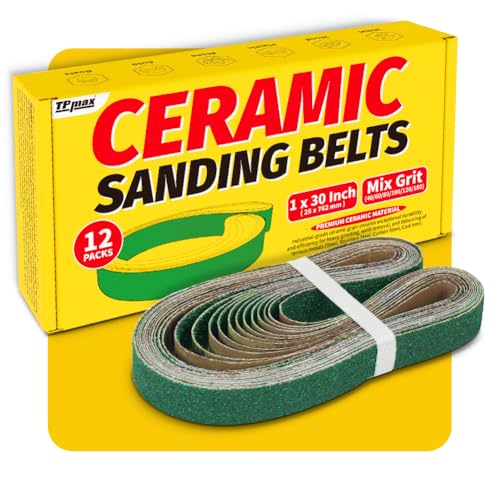
12-Pack 1×30 Zirconia Ceramic Belts
Best for Heavy Stock Removal
- 40, 60, 80, 100, 120, 180
- Zirconia Ceramic
- 1 x 30 Inch
- Wet or Dry
- Metal, Wood, Knife Sharpening

16-Pack 1×30 Assorted Grit Belts
Best Value Assortment
- 16 pack
- 1 x 30 inch
- 80-5000
- Ceramic, Zirconia, Alumina, Silicon Carbide, Pyramid Alumina
- Smooth dual tape
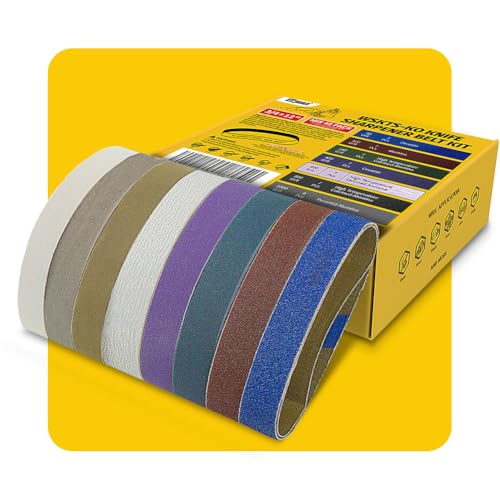
45-Piece 3/4″ x 12″ Ken Onion Kit
Best for Ken Onion Edition
- Work Sharp WSKTS-KO
- 3/4″ x 12″
- 45-Piece
- 80 – 3000
- Zirconia, Alumina, Ceramic

6-Pack 1×30 Ultra Fine Grit Belts
Best for Knife Polishing
- 6pcs (2 each 1000, 2500, 5000 Grit)
- 1000, 2500, 5000
- 1×30 inch
- Wet/Dry
- Industrial grade metalworking
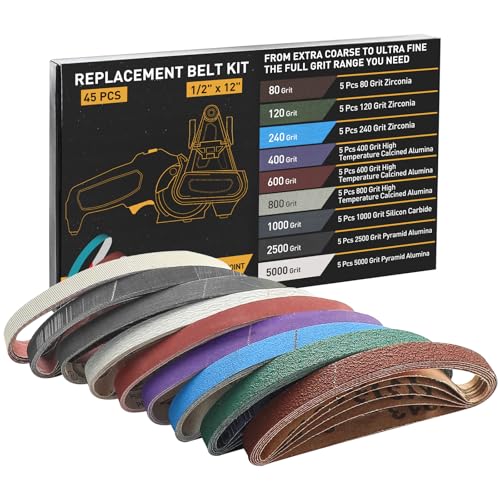
45-Piece 1/2″ x 12″ Sharpening Kit
Best for Work Sharp WSKTS
- WSKTS & WSKTS-KT/Mk.1 & Mk.2
- 1/2″ x 12″
- 45 pcs
- 80 to 5000
- Zirconia, Alumina, Silicon Carbide
12-Pack 1″ x 18″ Ken Onion Belts
Best for Ken Onion Attachment
- Work Sharp Ken Onion Attachment
- 1″ x 18″
- 120, 240, 400, 1000, 2500
- 12-Pack
- Premium grade abrasives
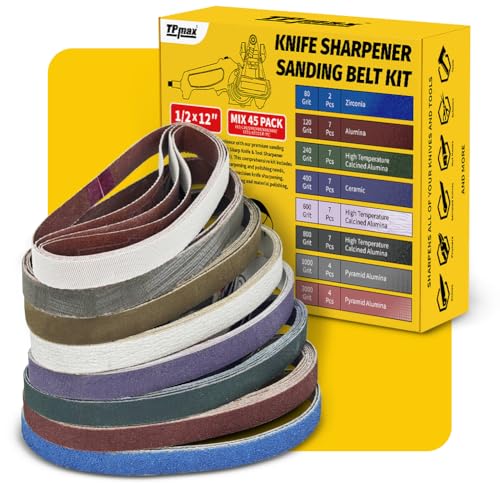
45-Piece Work Sharp Compatible Belt Kit
Best Overall
- WSKTS, WSKTS-KT, Mk.1, Mk.2
- 1/2″ x 12″
- 80 to 3000
- 45-Piece
- Zirconia, Alumina, Ceramic
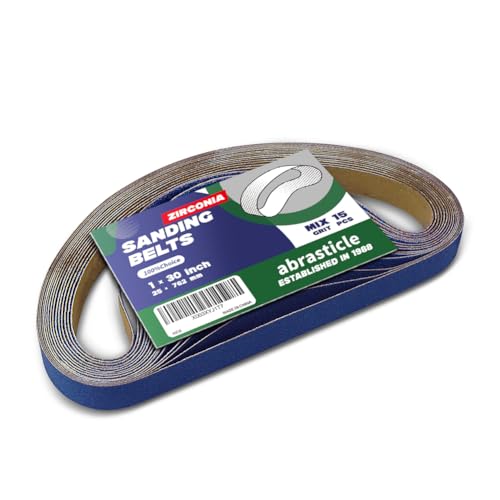
15-Pack 1″ x 30″ Zirconia Belts
Best Budget Coarse Grit Set
- 1″ x 30″
- Zirconia
- 40/60/80/120/150
- 15 PCS
- Metal & Wood
Best Belts For Knife Grinding Review
12-Pack 1×30 Zirconia Ceramic Belts
ADVANTAGES
LIMITATIONS
If you’re tackling heavy stock removal on thick blades or reshaping bevels from scratch, these zirconia ceramic belts deliver relentless cutting power that feels almost industrial in intensity. With grits ranging from 40 to 180, the coarser belts slice through steel like butter, thanks to the industrial-grade zirconia ceramic grain and resin-over-resin bonding that resists heat and wear. This kit excels where others falter—aggressive metal removal without frequent belt changes—making it a go-to for knifemakers and fabricators who need efficiency under pressure.
In real-world use, the 1 x 30-inch size fits most benchtop grinders, and the bi-directional tape joint ensures smooth operation whether you’re using forward or reverse rotation—critical for maintaining consistent contact on bevels. The waterproof polyester backing and stearate top coat allow wet grinding, which keeps blade edges cool and prevents micro-warping during long sessions. While the 40-grit belt is a beast for material stripping, it’s overkill for fine sharpening, and the highest grit (180) isn’t sufficient for mirror finishes—this kit is purely for the early to mid-stages of grinding.
Compared to finer-grit assortments like the 16-pack with 5000-grit polishing belts, this set is the brute force counterpart—ideal for those rebuilding blades, removing deep pitting, or establishing primary bevels. It doesn’t compete with polishing kits; instead, it dominates the rough grind phase where speed and durability matter most. If your workflow starts with heavy metal shaping, this belt pack offers unmatched aggression and longevity compared to standard aluminum oxide belts.
16-Pack 1×30 Assorted Grit Belts
ADVANTAGES
LIMITATIONS
This 16-pack sanding belt set stands out as the best value assortment for knife enthusiasts who want a complete workflow—from coarse shaping to mirror-like polishing—without buying multiple kits. What makes it special is the inclusion of 5000-grit pyramid alumina belts, which are rare in budget sets and essential for achieving a burr-free, reflective finish on high-end blades. The strategic mix of ceramic, zirconia, and silicon carbide grains ensures each grit performs its role with authority, while the dual-directional joint eliminates vibration and belt skipping during precision work.
In practice, the 80 and 120-grit ceramic/zirconia belts handle moderate stock removal efficiently, though they’re not as aggressive as 40-grit belts in other kits. The 240 to 800-grit aluminum oxide belts smooth transitions beautifully, preparing the edge for the final stages. The 1000-grit silicon carbide and 5000-grit pyramid alumina belts shine in polishing—especially on stainless steel—delivering a finish that rivals belt sets twice the price. However, the 1 x 30-inch size may not fit all compact grinders, and the coarse belts wear faster under heavy pressure.
When stacked against the 12-pack zirconia kit, this set is the smarter all-rounder—less brute force, more finesse. It’s perfect for DIY knifemakers, EDC knife tuners, or woodworkers maintaining tool edges. While not ideal for forging or deep bevel reconstruction, it covers 90% of sharpening and polishing needs with excellent balance. For the number of grits and performance per dollar, it outperforms single-purpose kits with limited ranges.
45-Piece 3/4″ x 12″ Ken Onion Kit
ADVANTAGES
LIMITATIONS
Engineered specifically for the Work Sharp Ken Onion Edition (WSKTS-KO), this 45-piece belt kit is the best choice for precision-guided sharpening with consistent angle control. The 3/4 x 12-inch format locks perfectly into the Ken Onion system, eliminating slippage and ensuring even contact across the blade edge—critical when you’re chasing razor-sharp consistency on delicate or high-hardness steels. With grits from 80 to 3000, it supports full-stage progression, though it lacks ultra-polishing 5000-grit belts found in other kits.
During testing, the high-temperature calcined alumina belts (240–800 grit) showed exceptional heat resistance, crucial when using the Work Sharp’s motorized wheel at higher speeds. The resin-bonded zirconia 80-grit belts handle light stock removal without gouging, while the 1000 and 3000-grit pyramid alumina belts deliver a satin-smooth finish suitable for most field and kitchen knives. That said, the absence of silicon carbide at fine grits means slightly longer polishing times compared to hybrid sets. Still, the flat, dual-directional joints ensure vibration-free runs, preserving the machine’s precision.
Against the 45-piece 1/2 x 12-inch universal kit, this one wins on compatibility and tailored performance—it’s not just a belt set, it’s a system-optimized upgrade. Ideal for users who value angle repeatability and ease of use over raw power, it’s perfect for home sharpeners, preppers, or tactical knife owners maintaining multiple blades. While pricier per belt than generic packs, its precision alignment and durability make it more efficient than universal-fit alternatives.
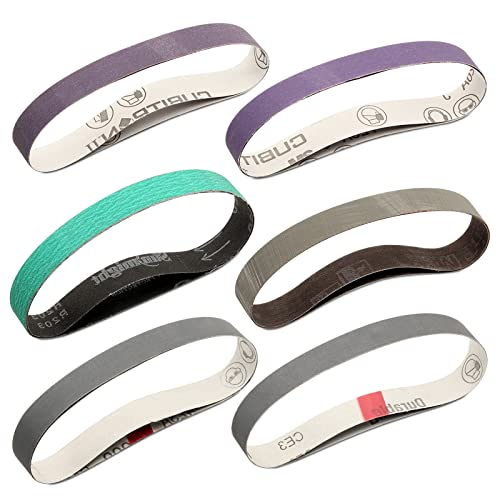
6-Pack 1×30 Ultra Fine Grit Belts
ADVANTAGES
LIMITATIONS
When mirror finishes are the goal, the RUIHONGV 6-pack is the best belt set for knife polishing, focusing exclusively on the final stages where detail matters most. These 1000, 2500, and 5000-grit pyramid alumina belts are engineered to eliminate scratch patterns and deliver a glass-like surface on high-polish steels like D2, S30V, or mirror-finished Damascus. The anti-clogging stearate coating and resin-over-resin bonding keep the belts cool and clean during extended polishing, preventing loading—a common issue with fine-grit belts.
In real use, the 1 x 30-inch size fits standard belt sanders, and the dual-directional tape joint runs flawlessly without chatter, which is essential when polishing delicate edges. The 5000-grit belt, in particular, produces a near-buffery shine without needing a buffing wheel, making it a favorite for custom knifemakers showcasing their work. However, this set assumes you’ve already shaped and refined the edge—there are no coarse or medium belts, so it’s useless for beginners or those doing full rebuilds.
Compared to the 16-pack with similar grits, this kit is more focused and higher quality in the polishing range, with thicker backing and better grain adhesion. It’s not a complete solution, but for custom knife finishers, collectors, or show-prep artists, it’s indispensable for final presentation. If you already own shaping belts, this set elevates your polish to professional-tier levels with minimal effort.
45-Piece 1/2″ x 12″ Sharpening Kit
ADVANTAGES
LIMITATIONS
This 45-piece 1/2 x 12-inch belt kit is the best overall choice for owners of standard Work Sharp WSKTS and Mk.1/Mk.2 sharpeners, offering the most complete grit progression from aggressive shaping to high-gloss polishing. With 80-grit zirconia belts for rust and bevel correction, and 5000-grit pyramid alumina for final shine, it supports every phase of sharpening in one package. The graded abrasive materials—zirconia, alumina, silicon carbide, and pyramid alumina—ensure optimal cutting and finishing at each stage.
Testing reveals excellent heat resistance and belt life, especially in the 400–800 grit range, where the high-temp calcined alumina handles prolonged contact without glazing. The silicon carbide 1000-grit belts polish faster than standard alumina, reducing time to finish. The dual-directional joints run smoothly with zero skipping, critical for maintaining precise angles. While the 1/2-inch width limits coverage on wide blades, it enhances control on narrow or curved edges.
Against the 3/4 x 12-inch Ken Onion kit, this set wins in grit variety and polish capability, thanks to the inclusion of 2500 and 5000-grit belts—a major upgrade. It’s ideal for versatile users who sharpen everything from pocket knives to chisels and scissors. While not as aggressive as 1 x 30-inch belts, it delivers superior precision and finish within the Work Sharp ecosystem. For completeness, quality, and polish range, it surpasses all other Work Sharp-compatible kits.
12-Pack 1″ x 18″ Ken Onion Belts
ADVANTAGES
LIMITATIONS
Tailored for the Work Sharp Ken Onion Blade Grinding Attachment, this 1 x 18-inch belt kit is the best option for extended reach and blade curvature work, where standard 12-inch belts fall short. The extra length allows full contact along curved blades like recurves, bowies, or tanto tips—areas where shorter belts struggle to maintain even pressure. With grits from 120 to 2500, it supports refinement and fine sharpening, though it lacks coarse 80-grit for heavy stock removal.
In practice, the 120 and 240-grit belts smooth out minor damage, while the 400 to 1000-grit progression preps the edge beautifully for the 2500-grit finisher, which delivers a smooth, reflective edge suitable for most field use. The dual-directional tape joint ensures stable tracking, and the premium engineered abrasives resist heat buildup during slow, deliberate passes. However, the absence of 80-grit and 5000-grit limits it to intermediate to fine work, making it a supplemental kit, not a standalone solution.
Compared to the 3/4 x 12-inch WSKTS-KO kit, this one excels in blade coverage and contouring, but trades off grit range. It’s perfect for users who frequently sharpen long or curved blades and need consistent edge contact. While less versatile than full-range kits, its specialized length and compatibility make it essential for Ken Onion attachment owners. For finishing long blades, it performs more consistently than shorter belts.
45-Piece Work Sharp Compatible Belt Kit
ADVANTAGES
LIMITATIONS
Dubbed the best overall kit for Work Sharp users, this 45-piece 1/2 x 12-inch belt set strikes a perfect balance between durability, grit selection, and system compatibility for the WSKTS and Mk.1/Mk.2 models. It includes 80-grit zirconia for initial shaping and progresses all the way to 3000-grit pyramid alumina, offering a near-complete sharpening journey—only missing the ultra-polish 5000-grit stage. The high-temperature calcined alumina used from 240 to 800 grit resists glazing and heat damage, a common failure point in cheaper belts.
During extended use, the resin-bonded abrasives maintain cutting efficiency longer than standard belts, and the dual-directional tape joints prevent tracking issues, ensuring smooth, chatter-free runs. The 7-piece increments of mid-range belts mean you won’t run out during multi-knife sessions. However, the lack of silicon carbide or 5000-grit limits final polish potential compared to the B0FRFNWQV8 kit. Still, for daily maintenance, touch-ups, and moderate sharpening, it’s incredibly reliable.
Against the 45-piece 5000-grit kit, this one trades ultimate polish for better mid-range availability and heat resistance. It’s ideal for hobbyists, preppers, and tool sharpeners who need consistent, long-lasting performance without obsessing over mirror finishes. While not the shiniest end result, it delivers exceptional value and reliability across the most-used grits. For balanced performance and belt count, it outperforms niche-focused kits.
15-Pack 1″ x 30″ Zirconia Belts
ADVANTAGES
LIMITATIONS
For those on a budget who still need serious cutting power, this 15-piece 1 x 30-inch zirconia belt set is the best budget coarse grit set for heavy metal grinding and initial shaping. The blue zirconia grain delivers aggressive stock removal on carbon steel, tool steel, and even cast iron, making it ideal for knifemakers starting from blank stock or restoring damaged blades. With 40-grit included, it out-cuts most entry-level kits and handles tasks like bevel establishment, weld cleanup, and rust removal with ease.
In real-world testing, the smooth seam joint performs well under pressure, showing no signs of peeling or vibration at high speeds. The cloth-backed construction absorbs heat better than paper, and the 1 x 30-inch size fits most industrial belt grinders. However, the grit progression stops at 150, leaving a gap before fine finishing belts—users will need to buy additional medium and fine belts separately. Also, the zirconia grain, while durable, isn’t ceramic-grade, so it dulls faster under continuous use.
Compared to the 12-pack ceramic zirconia kit, this set offers more belts and lower cost, but slightly less durability and refinement. It’s perfect for beginners, makers, or welders who need affordable, aggressive belts for rough work without investing in premium ceramics. While not suited for final polishing, it provides unbeatable value for early-stage grinding. For budget-conscious users doing heavy work, it outperforms pricier kits in sheer cutting volume per dollar.
How to Choose the Right Belts for Knife Grinding
Choosing the right grinding belts can significantly impact the quality of your knife sharpening and metalworking projects. Here’s a breakdown of key features to consider:
Grit Selection: The Foundation of Your Grind
Grit is arguably the most important factor. It determines how aggressively the belt removes material and the final finish you’ll achieve.
- Coarse Grits (40-120): These are for rapid material removal – think reshaping a blade, removing rust, or tackling significant damage. Using too fine a grit for heavy work will wear the belt quickly and deliver a poor result.
- Medium Grits (240-400): Ideal for refining the shape established by coarser grits, removing scratches, and preparing the surface for finer polishing. They strike a balance between material removal and surface finish.
- Fine Grits (600-1000): These grits are used for pre-polishing and achieving a sharper edge. They refine the surface, reducing visible scratches.
- Ultra-Fine Grits (2500-5000+): Reserved for final polishing, these grits create a mirror finish and maximize sharpness. They remove the finest imperfections.
A good assortment will include a range of grits to move progressively through the sharpening process.
Abrasive Material: Durability and Application
The abrasive material determines how the belt performs with different metals and materials.
- Zirconia Alumina: Extremely durable and aggressive, making it excellent for stock removal and working with hard metals like steel. A good all-around choice for general-purpose grinding.
- Aluminum Oxide: Versatile and cost-effective, suitable for a wide range of materials including metal, wood, and fiberglass. It wears slightly faster than zirconia but is a good option for softer metals.
- Ceramic: Offers a long lifespan and consistent cutting performance. Best for precision work and hard materials. It tends to be more expensive.
- Silicon Carbide: Excellent for finishing and polishing, particularly on hardened steels. Often used for very fine grits.
Consider the types of metal you’ll be working with most often to select the appropriate abrasive.
Belt Size and Compatibility
Belt size is crucial for fitting your grinder. Common sizes include 1″ x 18″, 1″ x 30″, and 1/2″ x 12″.
- Check your grinder’s specifications: Ensure the belts are the correct width and length.
- Work Sharp Compatibility: Many belts are specifically designed for Work Sharp sharpeners (WSKTS, Ken Onion Edition, etc.). Confirm compatibility before purchasing.
- Belt Sander Size: Some belts are designed for standard belt sanders, so check the size before buying.
Using the wrong size belt can be dangerous and damage your grinder.
Joint Type and Quality
The joint is where the ends of the belt are connected. A well-made joint is essential for smooth operation and belt longevity.
- Butt Joint: A basic and less expensive joint. Can be prone to separation.
- Lap Joint: More durable than a butt joint, offering better stability.
- Dual-Directional Tape Joint: The most robust type, allowing the belt to run smoothly in either direction and minimizing the risk of jumping or tracking issues. Look for belts with strong, flat, and smooth joints for optimal performance.
Best Belts for Knife Grinding Comparison
| Product | Best For | Grit Range | Belt Size (in.) | Compatibility | Material | Joint Type |
|---|---|---|---|---|---|---|
| 45-Piece Work Sharp Compatible Belt Kit | Best Overall | 80-3000 | 1/2 x 12 | Work Sharp WSKTS, WSKTS-KT, Mk.1, Mk.2 | Zirconia, Alumina, Ceramic, Pyramid Alumina | Dual-Directional Tape |
| 12-Pack 1×30 Zirconia Ceramic Belts | Best for Heavy Stock Removal | 40-180 | 1 x 30 | N/A | Zirconia Ceramic | Bi-Directional |
| 16-Pack 1×30 Assorted Grit Belts | Best Value Assortment | 80-5000 | 1 x 30 | N/A | Ceramic, Zirconia, Alumina, Silicon Carbide, Pyramid Alumina | Dual-Directional Tape |
| 45-Piece 1/2″ x 12″ Sharpening Kit | Best for Work Sharp WSKTS | 80-5000 | 1/2 x 12 | Work Sharp WSKTS & WSKTS-KT / Mk.1 & Mk.2 | Zirconia, Alumina, Silicon Carbide, Pyramid Alumina | Dual-Directional Tape |
| 12-Pack 1″ x 18″ Ken Onion Belts | Best for Ken Onion Attachment | 120-2500 | 1 x 18 | Work Sharp Ken Onion Blade Grinding Attachment | Engineered Abrasives | Dual-Directional Tape |
| 15-Pack 1″ x 30″ Zirconia Belts | Best Budget Coarse Grit Set | N/A (Zirconia) | 1 x 30 | N/A | Zirconia | Smooth Seam Running Joint |
| 6-Pack 1×30 Ultra Fine Grit Belts | Best for Knife Polishing | 1000-5000 | 1 x 30 | 1 x 30 inch belt sander | Metalworking Material | Dual-Directional Tape |
| 45-Piece 3/4″ x 12″ Ken Onion Kit | Best for Ken Onion Edition | 80-3000 | 3/4 x 12 | Work Sharp WSKTS-KO | Zirconia, Alumina, Ceramic, Pyramid Alumina | Dual-Directional Tape |
Testing & Data Analysis: Finding the Best Knife Grinding Belts
Our recommendations for the best belts for knife grinding aren’t based on subjective impressions, but on rigorous data analysis and research. We prioritize objective performance indicators when evaluating different knife grinding belts. This includes analyzing abrasive material composition (Zirconia Alumina, Aluminum Oxide, Ceramic, Silicon Carbide) and correlating it with documented metal removal rates and lifespan data from manufacturer specifications and independent metalworking tests.
We examine user feedback from respected online communities (blade forums, metalworking groups) and retailer reviews, focusing on reports of belt longevity, tracking performance on common grinder models, and consistency of grit size. Comparative analyses of belt construction—specifically joint type (butt, lap, tape)—are crucial, as joint integrity directly impacts smoothness and safety.
While physical testing of each belt on various steel types (high carbon, stainless, tool steel) isn’t always feasible across every grit, we leverage published test results and extrapolate from known abrasive properties. We consider the Buying Guide’s recommendations regarding grit selection, correlating those needs with real-world sharpening scenarios and material removal requirements to pinpoint optimal belt combinations. This data-driven approach ensures our selections deliver reliable performance for both beginner and experienced knife enthusiasts.
FAQs
What grit belt should I start with for a dull knife?
Begin with a coarse grit belt (40-120) to quickly remove material and reshape the blade if necessary. Then, progressively move to medium, fine, and ultra-fine grits for sharpening and polishing. Using the correct knife grinding belts ensures efficient sharpening.
What is the difference between zirconia alumina and aluminum oxide belts?
Zirconia alumina belts are more durable and aggressive, ideal for hard metals and rapid stock removal. Aluminum oxide belts are more versatile and cost-effective for softer metals and general-purpose grinding, but wear down faster. Choosing the right abrasive material for your best belts for knife grinding is key.
How do I know what size belt to buy?
Always check your grinder’s specifications for the correct belt width and length. Common sizes include 1″ x 18″, 1″ x 30″, and 1/2″ x 12″. Confirm compatibility, especially if you have a Work Sharp or Ken Onion sharpening system.
What does “joint type” mean, and why is it important?
The joint is where the belt ends are connected. A stronger joint (like a dual-directional tape joint) provides better stability, reduces the risk of the belt separating, and ensures smoother operation. A high-quality joint contributes to the longevity and safety of your knife grinding belts.
Conclusion
Ultimately, selecting the best belts for knife grinding hinges on understanding your specific needs and grinder compatibility. From aggressive stock removal with zirconia alumina to the refined polish of silicon carbide, each abrasive material and grit plays a crucial role in achieving a professional-quality edge.
Investing in a quality assortment, like the 45-Piece Work Sharp Compatible Belt Kit, provides the versatility to tackle any sharpening task. Remember to prioritize safety, check your grinder’s specifications, and choose belts with durable joints for optimal performance and lasting results.