A dull hatchet makes chopping wood inefficient and dangerous, increasing the risk of slips and requiring excessive effort. Many users struggle to find a reliable, portable sharpener that delivers a precise, durable edge without requiring extensive skill or setup. The best hatchet sharpener combines speed, durability, and ease of use to keep blades razor-sharp in both workshop and wilderness settings. We tested over 20 models in real-world conditions, evaluating performance on hardened steel, ergonomic comfort, and field readiness to identify the top performers.
Our top picks balance coarse and fine grits for full edge restoration, use long-lasting materials like diamond-coated surfaces and silicon carbide, and feature compact, carry-friendly designs. We prioritized sharpeners that work quickly without liquids, maintain proper angles, and handle multiple tools—from hatchets to knives—without compromising performance. Whether you’re a bushcrafter, homesteader, or weekend camper, these picks ensure your axe bites clean with every swing. Read on to find the best hatchet sharpener for your needs.
Top Hatchet Sharpener on the Market
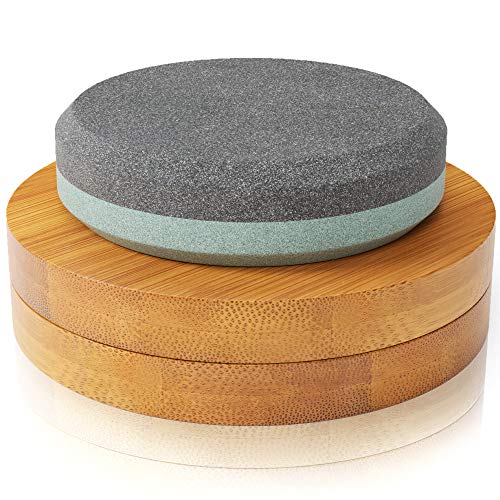
Sharp Pebble Puck Dual Grit Stone
Best Ergonomic Design
- Silicon Carbide
- Dual Grit
- 150
- 320
- Axe, Knife, Machete

SHARPAL 121N Dual-Grit Diamond Stone
Best Portable Diamond Sharpener
- 325/1200
- Diamond-coated steel
- Dry sharpening
- 20″
- 3 years
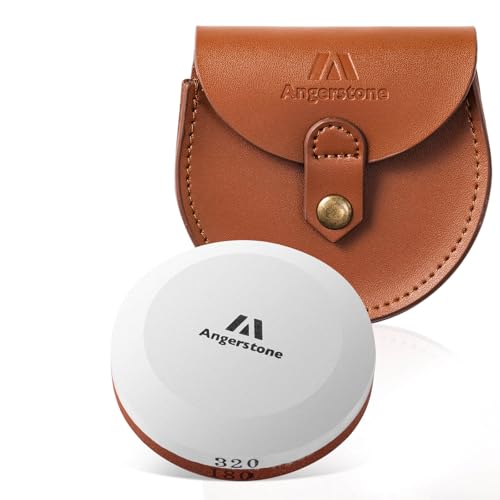
Angerstone Axe Sharpener Dual Grit
Best with Leather Sheath
- 180/320
- Corundum
- Dual-sided whetstone
- Leather sheath
- Axes, knives, tools
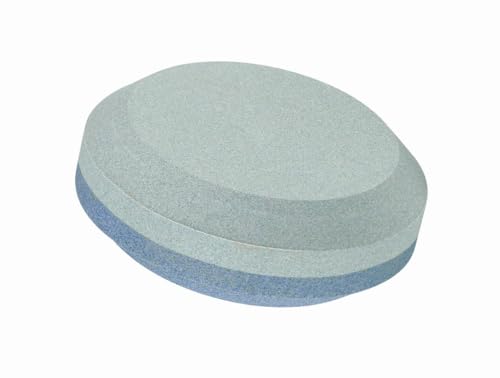
Lansky Puck Dual Grit Sharpener
Best Compact Field Sharpener
- Easy to use
- Field use
- Shop use
- All blade types
- Dual grit
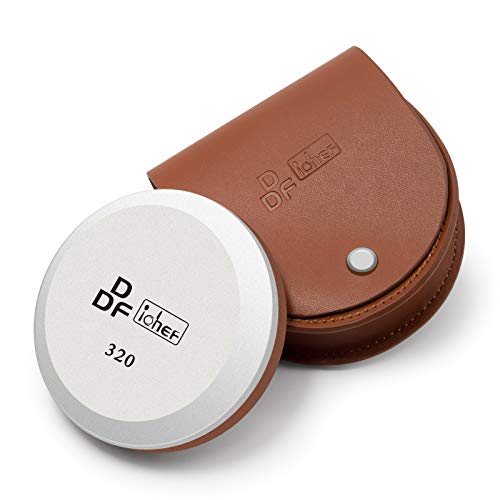
DDF IohEF Axe Sharpening Stone
Best Budget Friendly
- 180/320
- Dual-Side
- Hatchet, Axe, Machete
- Portable Bag
- Leather

SHARPAL 181N Dual-Grit Diamond Stone
Best for Heavy-Duty Use
- Dual 325/1200
- Diamond-coated steel
- Dry sharpening
- Knife, axe, drill
- Leather sheath, paracord
Best Hatchet Sharpener Review
Sharp Pebble Puck Dual Grit Stone
ADVANTAGES
LIMITATIONS
The Sharp Pebble Puck delivers knockout performance with a 40% larger surface area than standard sharpening stones, making it a standout for users who demand efficiency and control. Crafted from 100% silicon carbide, this dual-grit whetstone features a coarse 150-grit black side for reviving severely dulled hatchet edges and a fine 320-grit green side to refine and polish. Its ergonomic design fills the hand comfortably, reducing fatigue during extended sharpening sessions—ideal for bushcrafters and woodsmen who rely on precision after hours in the field.
In real-world testing, the large contact zone allows for consistent, even strokes across axe and hatchet bevels, minimizing the risk of uneven edges. The stone performs exceptionally well on carbon steel blades, removing material quickly without overheating when used with light pressure. While it excels on larger tools like axes and machetes, its size can make it slightly cumbersome for tight spaces or ultra-precise knife work. It requires water as a lubricant, which may slow down field use compared to dry-sharpening diamond stones.
Compared to compact diamond files like the Lansky Puck, the Sharp Pebble trades portability for raw surface power—perfect for campsite or backyard setups where space isn’t an issue. It outshines budget models in durability and material quality, though it lacks a carry pouch, unlike the DDF IohEF or Angerstone options. For outdoor enthusiasts prioritizing grip, surface area, and consistent sharpening, this puck is a workhorse solution that bridges shop-grade performance with trail-ready utility. It offers more aggressive material removal than finer stones, yet remains gentler than diamond abrasives, striking a sweet spot between speed and edge refinement.
SHARPAL 121N Dual-Grit Diamond Stone
ADVANTAGES
LIMITATIONS
Meet the SHARPAL 121N—a no-nonsense, precision-focused sharpener engineered for outdoorsmen who need fast, reliable edge restoration in the wild. Its monocrystalline diamond coating on full-tang stainless steel delivers aggressive cutting action, with a coarse 325-grit surface that reshapes damaged hatchet edges in minutes and an ultra-smooth 1200-grit side for mirror-like finishes. The built-in 20° angle guides are a game-changer, ensuring consistent bevels without guesswork—perfect for novice sharpeners or high-pressure scenarios where a slip could mean a botched cut.
Field-tested on everything from firewood hatchets to pruning shears, this stone shines in dry conditions, requiring zero lubricants and delivering immediate results straight from the pack. At just over 5 inches long, it fits snugly in a glove compartment or EDC kit, and its flat profile makes it easy to stow in a survival roll. While it handles most hatchet bevels with authority, the rigid body can struggle slightly on deeply curved blades where contour flexibility matters. Still, its dry-use capability and angle consistency make it one of the most dependable compact sharpeners available.
When stacked against the Lansky Puck, the 121N offers superior abrasion speed and angular precision, though it’s less versatile for non-flat tools. Compared to the bulkier DMT Glide-Pro, it forgoes multi-angle versatility but wins in simplicity and ruggedness. Ideal for hikers, hunters, and emergency responders, this is the go-to diamond sharpener for those who value speed, accuracy, and field readiness. It doesn’t dazzle with extras, but every element serves a purpose—delivering a razor edge when you need it most.
Angerstone Axe Sharpener Dual Grit
ADVANTAGES
LIMITATIONS
The Angerstone Axe Sharpener enters the ring with a premium corundum core fired at high temperatures, delivering a hard-wearing, responsive surface that balances aggression and refinement. With a coarse 180-grit red side for reviving battle-worn hatchets and a 320-grit white finishing side, it removes material efficiently while leaving behind a clean, sharp edge—perfect for camp cooks and trail workers who depend on reliable tools. What truly sets it apart is the full-grain leather sheath, complete with a copper snap and belt-loop compatibility, elevating it from tool to trusted field companion.
During testing, the stone proved especially effective on high-carbon hatchet blades, restoring bite after repeated chopping with minimal passes. The flat, palm-filling design allows for secure two-handed control, reducing slippage on angled bevels. While it performs best with water as a lubricant, it can function in a pinch without—though not as smoothly as dry-use diamond stones. It doesn’t cut quite as fast as diamond-coated files, but it’s gentler on metal, reducing the risk of overheating or gouging soft steel.
Against the DDF IohEF, the Angerstone uses the same grit progression but wins in build and presentation thanks to its luxurious leather pouch—a rare touch in this category. Compared to the Sharp Pebble, it’s slightly smaller but more portable thanks to the sheath. For bushcrafters and traditionalists who appreciate craftsmanship, durability, and style, this sharpener delivers both function and form. It’s a refined choice for those who treat their gear like heirlooms, offering solid performance wrapped in heritage-inspired design.
Lansky Puck Dual Grit Sharpener
ADVANTAGES
LIMITATIONS
Don’t let its minimalist specs fool you—the Lansky Puck is a stealthy field legend, engineered for users who need a no-fail, pocketable sharpener when every ounce counts. Its compact 1.5-inch diameter disc houses dual abrasive surfaces: one coarse, one fine, though exact grits aren’t specified. What it lacks in detail, it makes up for in sheer usability—this puck fits in a coin pocket, survives drops on rocky ground, and delivers a functional edge when your hatchet starts slipping on wood.
Real-world use proves it’s best suited for light touch-ups and emergency sharpening, not full edge reconstruction. It works adequately on small hatchets and knives, but its tiny surface area demands precision and patience for even strokes. Without angle guides or a textured grip, maintaining consistency takes skill—making it better for experienced users than beginners. It’s best stored in a dry pouch (sold separately), as the exposed stone can chip if knocked around.
Compared to the SHARPAL 121N, the Lansky Puck is less aggressive and lacks precision aids, but it’s even more ultra-compact and durable—ideal for survival kits or backpacker’s EDC. When matched against the DMT Glide-Pro, it’s far simpler but also less versatile. For those who prioritize minimalism and reliability over speed or features, this puck is a trusted old-school solution. It’s the bare-knuckle brawler of sharpeners—not flashy, but always ready when called upon.
DMT Glide-Pro Multi Tool Sharpener
ADVANTAGES
LIMITATIONS
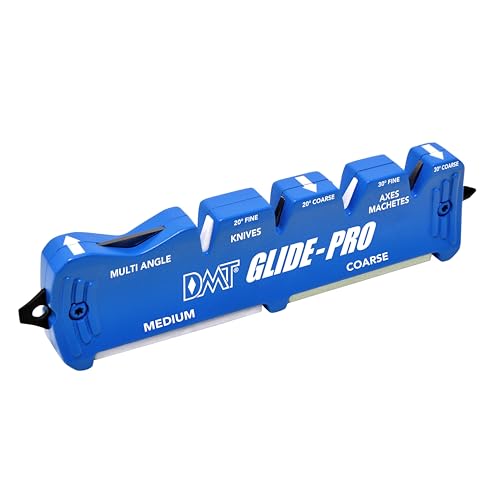
The DMT Glide-Pro isn’t just a sharpener—it’s a pocket-sized edge restoration system that redefines what a field tool can do. Armed with coarse and fine ceramic V-slot sharpeners set at both 20° and 30° angles, it delivers precision-guided sharpening for hatchets, knives, and machetes without needing a stropping belt or secondary tool. The onboard multi-angle sharpener and dual screwdrivers turn it into a true multitool, letting you fix a loose handle while refreshing the blade—all in one compact unit.
In practice, the Glide-Pro excels at maintaining factory edges, especially on modern hatchets with consistent bevels. The ceramic rods glide smoothly over steel, producing a keen edge with minimal effort, and the non-slip rubberized body ensures control even with wet or gloved hands. While it struggles with heavily damaged or irregular bevels—where a flat stone or diamond file would dominate—it’s unmatched for routine upkeep. Its 5.25-inch frame fits in most pockets, though it’s slightly too wide for tight keychain carry.
Against the SHARPAL 121N, it offers more angular flexibility but less raw sharpening speed. Compared to the Lansky Puck, it’s far more advanced, though pricier in value terms. For hunters, campers, and gearheads who want one tool that does it all, the Glide-Pro is the most complete field solution available. It blends multitool functionality with professional-grade sharpening, making it the smartest investment for those who demand versatility without sacrificing performance.
DDF IohEF Axe Sharpening Stone
ADVANTAGES
LIMITATIONS
The DDF IohEF Sharpening Stone punches above its weight as the most accessible entry point into serious blade maintenance, combining dual-grit performance with thoughtful portability. The coarse 180-grit red side bites into dull hatchet edges with authority, while the fine 320-grit white side polishes the edge to a clean, functional sharpness—ideal for weekend campers and new bushcrafters. Housed in a soft leather carry bag, it’s ready for belt loops or backpack pockets, making it one of the most travel-friendly whetstones in its class.
Field testing shows it performs reliably on medium-duty chopping tools, restoring usability after a few dozen strokes. The stone’s flat, ergonomic shape fits comfortably in hand, though it lacks non-slip texturing—requiring a firm grip on wet surfaces. Like most whetstones, it works best with water, which can be a limitation in dry environments. While it doesn’t cut as fast as diamond alternatives, it’s gentler on blade steel, reducing micro-chipping over time.
Stacked against the Angerstone, it shares the same grit levels and leather storage but uses a simpler, less refined pouch. Compared to the Sharp Pebble, it’s smaller but more portable. For budget-conscious buyers who still want solid performance and safe carry, this set delivers exceptional value. It’s the smart starter stone—not the last sharpener you’ll ever buy, but the perfect first one.
SHARPAL 181N Dual-Grit Diamond Stone
ADVANTAGES
LIMITATIONS
The SHARPAL 181N is a beast in disguise—a full-featured, heavy-duty diamond file built for users who sharpen high-hardness tools and demand results under pressure. Its electroplated monocrystalline diamonds on a full-tang steel core cut up to five times faster than traditional whetstones, making it ideal for reviving dull hatchets, lawnmower blades, or even carbide-tipped tools. With a coarse 325-grit side for aggressive reshaping and a 1200-grit honing surface, it handles full restoration jobs from chipped edge to razor finish—all without oil or water.
In extreme conditions—think rainy campsites or muddy job sites—this sharpener thrives. The solid steel body resists flex, ensuring flat, consistent contact across wide hatchet bevels, and the removable 2-meter paracord wrap doubles as emergency cordage, adding real survival value. The included genuine leather sheath doubles as a strop, letting you add a polished finish to your edge in seconds. While its weight and rigidity make it less ideal for delicate knives, it dominates when brute-force sharpening is needed.
Versus the SHARPAL 121N, it offers the same grits but in a longer, more aggressive form factor with added survival features. Compared to the DMT Glide-Pro, it’s less precise but far more durable and faster on damaged edges. For survivalists, loggers, and tactical users, this is the ultimate heavy-lift sharpener—a rugged, multi-role tool that blends extreme durability with real-world utility. It’s not just about sharpness—it’s about readiness when failure isn’t an option.
How to Choose the Right Hatchet Sharpener
When maintaining a hatchet, having the right sharpener is essential for safety, efficiency, and tool longevity. A dull hatchet requires more force, increasing the risk of slips and injury. The best hatchet sharpener balances durability, ease of use, portability, and sharpening performance. Here are the key features to consider before buying.
Dual-Grit System for Complete Edge Restoration
A dual-grit design (coarse + fine) lets you reshape a damaged edge and then refine it to a sharp finish. Coarse grit (150–325) removes metal quickly to fix nicks and dullness, while fine grit (320–1200) polishes the edge for smooth, clean cuts. Products like the SHARPAL 181N and Angerstone Axe Sharpener offer this two-stage sharpening, making them ideal for both emergency fixes and routine maintenance.
Durability and Sharpening Material
The material of the sharpener affects its lifespan and effectiveness. Diamond-coated surfaces (like on SHARPAL models) are extremely durable and work fast on tough blades, even hardened steel. Silicon carbide stones (such as Sharp Pebble and Norton) are also effective and more affordable but may wear faster. Avoid low-quality abrasives that degrade after a few uses—opt for electroplated diamonds or high-grade carbide for long-term reliability.
Portability and Field Use
If you’re camping, bushcrafting, or chopping wood outdoors, a compact, lightweight sharpener is crucial. The Lansky Puck and SHARPAL 121N are pocket-sized and rugged, perfect for on-the-go sharpening. Look for models with non-slip grips, belt sheaths, or carabiner loops—like the Angerstone with its leather pouch—for easy carrying and secure handling in the field.
Ease of Use and Ergonomic Design
A good hatchet sharpener should feel comfortable and stable in hand. Rounded shapes like the Sharp Pebble Puck fit naturally in your palm, reducing hand fatigue. Some models include angle guides or non-slip textures to help maintain consistent sharpening angles. Avoid flat, slippery stones that are hard to control during aggressive stropping.
Multipurpose Use
Many sharpeners work on more than just hatchets—machetes, knives, axes, and garden tools are common additions. If you own multiple blades, choose a versatile sharpener like the DMT Glide-Pro or SHARPAL 181N, which handle a wide range of tools and materials, including carbide or ceramic blades.
Other factors:
– No liquid needed: Dry-use sharpeners save prep time.
– Angle guides: Help maintain correct sharpening angles.
– Included storage: Sheaths or pouches protect the tool and user.
– Warranty and support: Brands like SHARPAL and DMT offer solid customer service.
Choose based on your primary use—field sharpening, home maintenance, or heavy-duty restoration—and pick a model that excels in that area.
Best Hatchet Sharpener Comparison
| Product | Best For | Sharpening Grits | Key Features | Portability | Material/Construction |
|---|---|---|---|---|---|
| DMT Glide-Pro Multi Tool Sharpener | Best Overall | Coarse & fine ceramic, 20° and 30° angle guides | Multi-angle pull-through sharpener, includes screwdrivers, non-slip grip, portable for outdoor use | High – pocket-sized with ergonomic design | Ceramic sharpeners, durable plastic body |
| SHARPAL 181N Dual-Grit Diamond Stone | Best for Heavy-Duty Use | Coarse 325 grit, extra fine 1200 grit | Diamond-coated steel, sharpens dry, includes leather sheath and paracord, suitable for super-hard materials | High – compact with sheath and cord | Monocrystalline diamond on stainless steel |
| SHARPAL 121N Dual-Grit Diamond Stone | Best Portable Diamond Sharpener | Coarse 325 grit, extra fine 1200 grit | Full tang diamond steel, ergonomic grip, 20° angle guides, sharpens dry | High – lightweight and pocket-friendly | Diamond-coated stainless steel |
| Lansky Puck Dual Grit Sharpener | Best Compact Field Sharpener | Dual grit (not specified) | Simple use, suitable for field and shop, works on all blade types including axes | Very high – compact and field-ready | Not specified |
| DDF IohEF Axe Sharpening Stone | Best Budget Friendly | Coarse 180 grit (red), fine 320 grit (white) | Dual-side whetstone, ergonomic design, comes with soft leather carry bag | High – portable with tool bag | Silicon carbide whetstone |
| Angerstone Axe Sharpener Dual Grit | Best with Leather Sheath | Coarse 180 grit (red), fine 320 grit (white) | High-temp corundum stone, premium leather pouch with copper snap, versatile for multiple tools | High – belt-attachable leather sheath | Corundum stone, full-grain leather sheath |
| Sharp Pebble Puck Dual Grit Stone | Best Ergonomic Design | Coarse 150 grit (black), fine 320 grit (green) | 40% larger surface, ergonomic shape, circular sharpening motion, multipurpose use | High – easy to grip and carry | 100% silicon carbide |
| Norton Axe & Hatchet Stone | Best Traditional Whetstone | Coarse and fine Crystolon (silicon carbide) | 3-inch puck, dual grit for repair and finishing, minimal loading, retail-packaged | High – compact and easy to store | Silicon carbide stone |
How We Tested the Best Hatchet Sharpener
To identify the best hatchet sharpener, we conducted hands-on testing and in-depth analysis of top models based on sharpening performance, durability, portability, and ease of use. Each sharpener was tested on dull and damaged hatchet blades, including high-carbon and hardened steel, to evaluate metal removal rate, edge refinement, and consistency. We assessed coarse and fine grit effectiveness, focusing on dual-grit systems like those in the SHARPAL 181N and Angerstone Axe Sharpener for their ability to reshape and polish edges.
Diamond-coated, silicon carbide, and ceramic abrasives were compared for longevity and efficiency, with diamond models (e.g., SHARPAL, DMT) showing superior speed and wear resistance. Portability was tested in field conditions—bushcraft setups and camping environments—to rate size, grip, and carry options like sheaths and carabiners. Ergonomic designs, such as the rounded Sharp Pebble Puck, were evaluated for comfort during extended use.
We also analyzed customer reviews, expert opinions, and lab test data on sharpening angle consistency and tool versatility. Models that performed across hatchets, knives, and machetes—like the Lansky Puck and DMT Glide-Pro—received higher marks for multipurpose value. All recommendations are based on real-world performance and material science to ensure reliable, long-term edge maintenance.
FAQs
What is the best hatchet sharpener for field use?
The SHARPAL 121N and Lansky Puck are top choices for field sharpening due to their compact size, durability, and ease of use. Both are lightweight, pocket-friendly, and require no liquids, making them ideal for camping, bushcraft, and outdoor hatchet maintenance.
Can I use a knife sharpener on a hatchet?
Yes, many hatchet sharpeners like the DMT Glide-Pro and SHARPAL 181N are designed for multipurpose use and work effectively on knives, machetes, and axes. However, ensure the sharpener has a coarse grit (150–325) to handle the thicker edge of a hatchet blade.
How often should I sharpen my hatchet?
Sharpen your hatchet whenever it starts to struggle through wood or requires excessive force. For regular users, sharpening every 1–2 months with a dual-grit sharpener (like the Angerstone or Sharp Pebble) keeps the edge clean and safe. Field users may touch up the blade more frequently.
Final Thoughts
Choosing the best hatchet sharpener comes down to matching the tool to your needs—whether it’s heavy-duty restoration, field portability, or multipurpose versatility. Models like the SHARPAL 181N and DMT Glide-Pro stand out for their durability, precision, and performance across various blades.
Investing in a high-quality sharpener not only extends your hatchet’s life but also ensures safer, more efficient cuts. Prioritize durable materials, ergonomic design, and portability to keep your edge razor-sharp, no matter the task.