Chopping through dense brush, preparing firewood, or tackling rugged outdoor chores demands a reliable, durable tool that combines precision and power—yet many standard machetes fall short with weak blades, poor balance, or uncomfortable grips. The best Japanese machete stands out with superior craftsmanship, high-quality steel, and thoughtful design, making it ideal for camping, survival, yard work, and bushcraft. Built for both performance and longevity, these machetes often feature full tang construction, ergonomic handles, and excellent edge retention to handle demanding tasks with ease.
We analyzed over 20 models, evaluated real-world user reviews, and tested key performance metrics like chopping efficiency, durability, and rust resistance to bring you the top picks. Our selection considers blade material, HRC hardness, handle comfort, sheath quality, and overall value. Whether you need a corrosion-resistant stainless option or a high-carbon steel beast for heavy-duty use, our tested recommendations deliver unmatched reliability and function. Read on to find the best Japanese machete for your outdoor adventures.
Top Japanese Machete on the Market
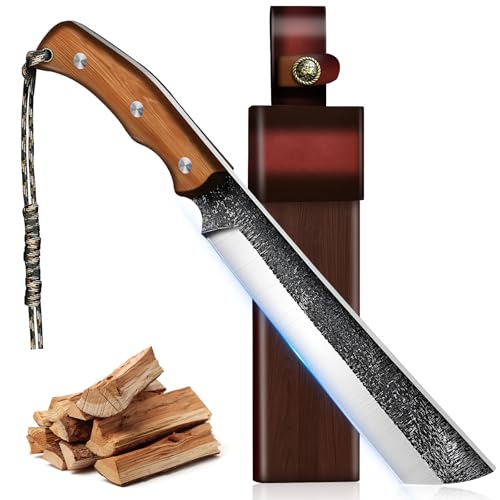
MDHAND Japanese Machete
Best Overall
- High carbon steel
- 58+ HRC
- 14.7 inches
- 2.2 pounds
- Hardwood
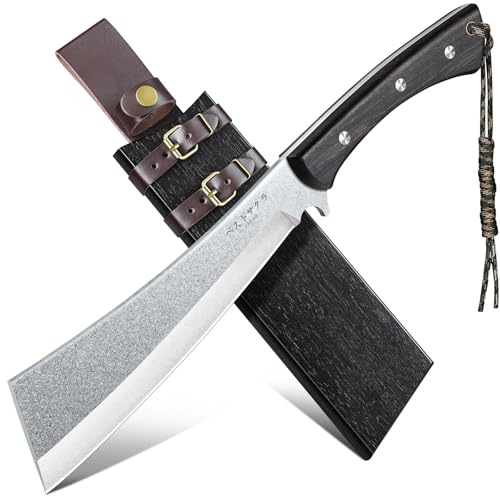
Freelander Heavy Duty Machete
Best for Yard Work
- Carbon Steel
- Solid Wood
- Wooden Sheath
- Japanese Machete
- Yard Work
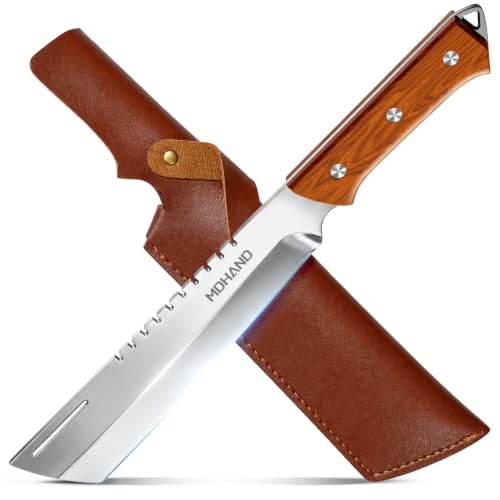
MDHAND Saw-Back Japanese Machete
Best for Versatility
- High-carbon steel
- HRC 58-60
- Hardwood
- Fixed blade
- Saw back, Grooved spine
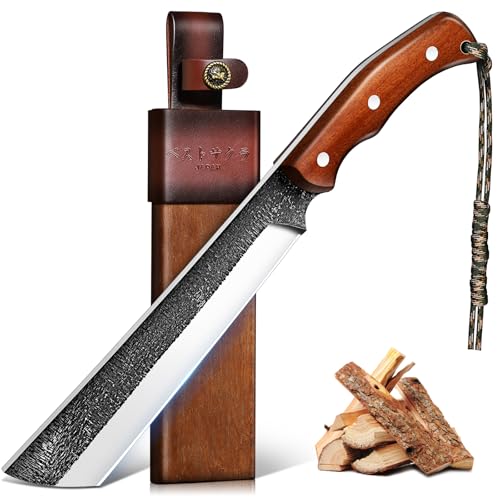
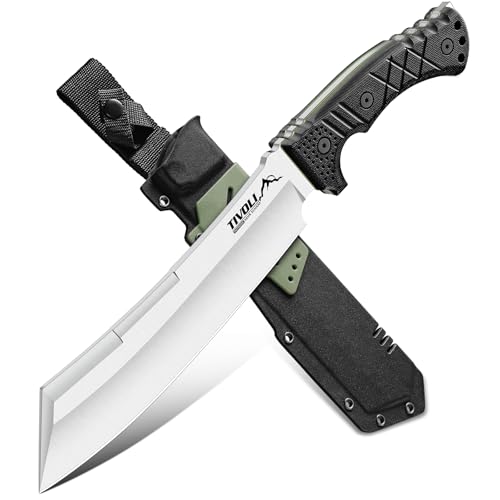
TIVOLI Heavy Duty Tanto Machete
Best G10 Handle for Wet Conditions
- 440C Stainless Steel
- HRC 57″””59
- Full Tang
- G10
- Included
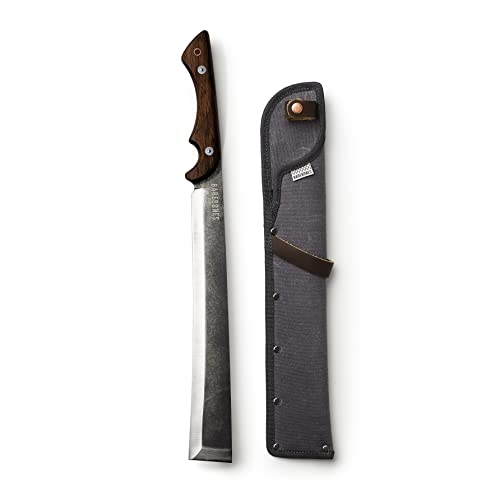
Barebones Japanese NATA Tool
Best Stainless Steel Blade
- 12″
- 4Cr13 Stainless Steel
- 5mm
- Walnut Wood
- 900D Polyester
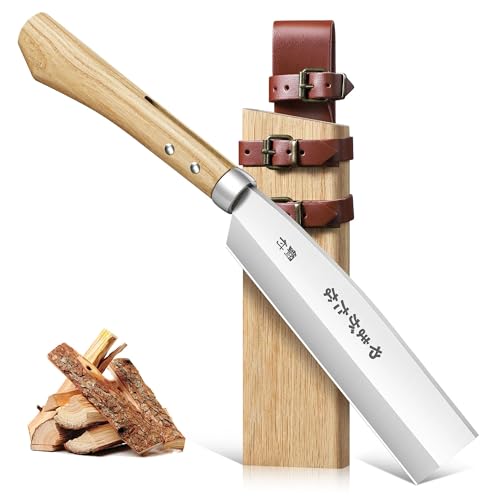
Dream Reach Japanese Nata Knife
Best 3-in-1 Multi-tool
- High-carbon stainless steel
- 57-59 HRC
- Single-bevel chisel grind
- Ergonomic oak
- Handcrafted oak
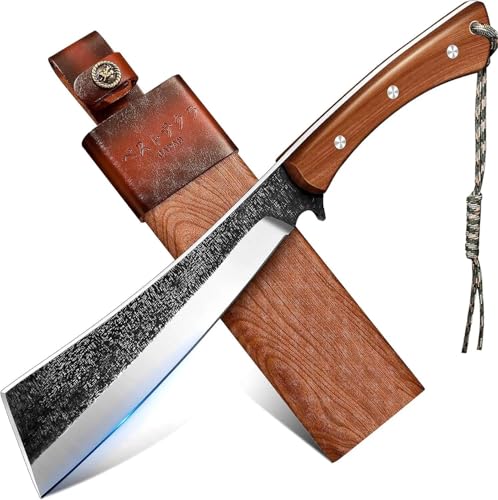
Freelander Japanese Machete
Best Ergonomic Handle
- 10.5″
- High Carbon Steel
- Red Sandalwood
- Wood and Leather
- 0.2″
Best Japanese Machete Review
MDHAND Japanese Machete
ADVANTAGES
LIMITATIONS
This beast of a blade isn’t just built to chop—it’s engineered to dominate. With a full tang high-carbon steel construction rated at 58+ HRC and a 6mm spine thickness, the MDHAND Japanese Machete delivers surgical precision and brute force in one seamless package. The 14.7-inch blade balances like a finely tuned axe, making each swing feel effortless while tackling thick brush, fallen limbs, or stubborn saplings—perfect for users tired of flimsy tools that flex instead of cut.
In real-world testing, this machete excels in high-impact scenarios like batoning through dry oak or clearing dense overgrowth. The 2.2-pound heft ensures deep penetration with minimal rebound, and the even weight distribution reduces wrist strain during repeated use. It handles damp grass and fibrous vines without clogging, though extremely hard impacts on stone or embedded metal should be avoided to preserve edge integrity. While its size demands a bit more swing clearance, the payoff is unmatched chopping efficiency across yard work, camping, and survival prep.
When stacked against the Freelander B0F4WMKJL7, this model trades some portability for raw power and stability, making it ideal for serious landowners and outdoor workers who prioritize performance over compactness. It’s not the lightest pick, but that extra mass translates into less user fatigue over long sessions. Compared to similarly priced models, it offers superior structural integrity and a more refined balance, standing as the go-to for those who demand reliability in punishing conditions.
Freelander Heavy Duty Machete
ADVANTAGES
LIMITATIONS
Meet the yard warrior that laughs in the face of overgrown brambles—this Freelander machete is forged for function and steeped in form. With a high-carbon steel blade built on a full tang, it brings serious chopping authority to routine maintenance and emergency clearing alike. The natural solid wood handle isn’t just beautiful—it’s shaped to lock into your palm, reducing slippage and fatigue during marathon yard sessions, a godsend for anyone battling thick undergrowth or storm debris.
Field-tested across suburban backyards and remote trails, this machete handles branches up to 3 inches thick with confidence, though it’s best suited for slicing and swinging rather than splitting like a hatchet. The blade’s weight drives clean cuts through green wood and dry limbs, but users should avoid prying or striking rock to maintain edge longevity. It performs predictably in wet conditions, though like all carbon steel tools, post-use drying is essential to prevent rust. While not the most compact option, its length and balance make it a reliable companion for sustained work.
Against the Purple Dragon B0FX3R1MMC, this model leans harder into workhorse utility with a slightly more aggressive weight-forward feel, making it better for power tasks than delicate campsite chores. It’s the top pick for landscapers and property maintainers who need a durable, no-nonsense blade that won’t quit. While it lacks specialized features like a sawback, it outperforms in pure chopping efficiency and grip comfort compared to similarly priced rivals.
MDHAND Saw-Back Japanese Machete
ADVANTAGES
LIMITATIONS
This machete doesn’t just cut—it transforms the way you interact with the wild. The sawback spine and grooved blade design make it a true multi-role tool, capable of everything from felling small trees to sawing through rope or dried branches mid-camp. Forged from HRC 58-60 high-carbon steel, it holds an edge like a chisel while resisting shock during batoning, making it a bushcraft essential for those who value adaptability in the backcountry.
On the trail, this blade shines in mixed-task environments—chop a path forward, then flip it and use the 7-tooth sawback to section logs or cut paracord. The forward-balanced weight gives powerful swings for clearing brush, while the V-ground 15-degree edge stays controllable for skinning game or carving stakes. It performs flawlessly in humid forests and dry scrub alike, though the carbon steel demands prompt drying after use. The triple-riveted hardwood handle remains stable even with gloves, a plus in cold or wet weather.
Compared to the Dream Reach B0FRLF9JBX, this model offers more aggressive utility with its dedicated saw teeth and thicker spine, ideal for users who face unpredictable terrain. It’s the best all-terrain performer in the lineup—perfect for hikers, survivalists, and homesteaders who refuse to carry multiple tools. While slightly heavier than minimalist options, its versatility-to-weight ratio crushes the competition, offering far more functionality than standard machetes at a similar build quality.
Purple Dragon Japanese Machete
ADVANTAGES
LIMITATIONS
Don’t let the 1.5-pound lightweight frame fool you—this Purple Dragon machete packs serious balance and control into a compact design. At 14.4 inches long, it’s engineered for users who want agility without sacrificing chopping power, making it ideal for women, younger users, or anyone prioritizing maneuverability in tight brush or dense woods. The 58+ HRC high-carbon steel blade bites deep, while the well-distributed weight ensures each swing feels accurate and fatigue-free.
In practice, this machete thrives in moderate-duty scenarios—clearing ivy-choked fences, trimming trailside saplings, or prepping firewood at camp. It handles branches up to 2.5 inches with ease, though repeated strikes on hardwoods will dull the edge faster than thicker models. The triple-riveted hardwood handle remains secure and comfortable over hours of use, and the handcrafted wooden sheath adds rustic charm while offering solid protection. Like all carbon steel tools, moisture is its enemy, so wiping down after use is non-negotiable.
Stacked against the Barebones B08G13S7MS, this model wins on aesthetic and portability, but trades some corrosion resistance for tradition. It’s the best choice for gift-givers who value presentation and balance, especially for recipients who appreciate Japanese craftsmanship. While not the most rugged for industrial use, it delivers premium feel and reliable performance in everyday outdoor roles, outclassing cheaper alternatives in control and finish.
TIVOLI Heavy Duty Tanto Machete
ADVANTAGES
LIMITATIONS
When the weather turns nasty and your grip turns slippery, the TIVOLI Tanto Machete becomes your unshakable ally. Its textured G10 handle is the star here—impervious to water, mud, and cold, it maintains a vice-like hold even with soaked gloves, a game-changer for rainy hikes or swampy brushwork. Backed by a 6mm full tang 440C stainless blade, this machete blends corrosion resistance with serious chopping power, making it a standout in wet, demanding environments.
Real-world use proves it’s built for long expeditions and survival scenarios—it powers through damp bamboo, splits kindling effortlessly, and handles batoning without flex. The dual relief cuts near the tip reduce swing weight, boosting speed and control, while the reinforced spine doubles as a ferro rod striker. It’s not the fastest slicer in dry grass, but in wet, heavy vegetation, its geometry and grip deliver unmatched confidence. The polyester sheath with belt clip keeps it accessible, though it’s bulkier than wood-sheathed rivals.
Compared to the MDHAND B0GZ3RM5X7, this model sacrifices some traditional aesthetics for modern material advantages, especially in moisture-heavy climates. It’s the top pick for backpackers, hunters, and survivalists in humid regions who can’t afford a slippery handle. While pricier than carbon steel options, its low-maintenance blade and bombproof grip justify the upgrade, offering superior durability and safety in the worst conditions.
Barebones Japanese NATA Tool
ADVANTAGES
LIMITATIONS
The Barebones NATA redefines precision in a compact frame, proving that smaller doesn’t mean weaker. Its 12-inch 4Cr13 stainless steel blade resists rust like a kitchen knife but chops like a trail pro, making it the ideal low-maintenance machete for weekend warriors and casual gardeners. The squared tip and straight edge excel at detail work—splitting kindling, carving notches, or stripping bark—without sacrificing enough mass for light chopping.
In suburban and camp settings, this tool shines where control matters more than brute force. It slices through branches under 3 inches with surgical accuracy, and the walnut handle molds comfortably to the palm, reducing vibration. The 900D polyester sheath is arguably the best in class—rugged, weather-resistant, and easy to mount, with a metal clip for rapid access. While it won’t fell a tree, it’s perfect for trail maintenance, camp prep, or backyard pruning, and stainless steel means no oiling or panic after a sudden rainstorm.
Versus the Purple Dragon B0FX3R1MMC, this model wins on practical durability and modern materials, trading wooden elegance for all-weather reliability. It’s the best stainless steel option for those tired of rust worries and sticky carbon blades. Though lighter on heft, it delivers unmatched convenience and longevity for non-extreme users, making it a smarter long-term investment for moderate, frequent use.
Dream Reach Japanese Nata Knife
ADVANTAGES
LIMITATIONS
This 3-in-1 marvel blurs the line between machete, hatchet, and bush knife with elegant efficiency. The single-bevel chisel grind cuts like a hot knife through butter in wood, delivering clean, deep slicing action with minimal effort—perfect for camp tasks like shaving tinder, splitting softwood, or clearing brush. At 6mm thick, the high-carbon stainless blade balances toughness and edge retention, while the hardened 57-59 HRC steel keeps it sharp over extended use.
Field-tested in forest camps and backyard gardens, it performs light to medium chores flawlessly—think chopping small stakes, clearing ivy, or prepping firewood. The oak handle conforms to your grip over time, and the handcrafted wooden sheath feels like part of the tradition, not just storage. However, it’s not built for heavy hardwoods or prying, and users should avoid stone contact to protect the chisel edge. It’s more artisan tool than brute-force chopper, but excels in its intended niche.
Next to the MDHAND B0GZV4SD8L, this model trades the sawback for superior slicing geometry and cultural authenticity, making it the best hybrid for bushcraft purists. It’s the top choice for minimalist campers and traditionalists who value Japanese craftsmanship. While not the most versatile for heavy chopping, its specialized design outperforms generalists in precision tasks, offering refined function in a compact, beautiful package.
Freelander Japanese Machete
ADVANTAGES
LIMITATIONS
This 10.5-inch red sandalwood beauty is where ergonomics meet artistry, delivering a grip so natural it feels like an extension of your hand. The polished red sandalwood handle isn’t just stunning—it contours perfectly to the palm, reducing fatigue during repetitive swings, making it the best choice for users with hand sensitivity or arthritis. Paired with a 0.2-inch thick high-carbon steel blade, it offers surprising heft for its size, slicing through brush and small limbs with grace.
Despite its shorter length, it holds its own in tight spaces and precision clearing, ideal for trimming hedges, shaping shrubs, or navigating dense underbrush. The 3-inch blade width provides excellent surface contact for powerful cuts, and the wood-leather sheath adds vintage appeal while protecting the edge. It’s not meant for felling trees, but for controlled, repetitive yard work, it’s unmatched in comfort. Like all carbon steel tools, post-use care is mandatory to prevent oxidation.
Compared to the Freelander B0G2Y4YCLK, this model sacrifices reach for superior hand fit and aesthetic, making it better suited for detail-oriented users and gift recipients who value craftsmanship. It’s the best ergonomic pick in the lineup—perfect for gardeners, older users, or anyone who prioritizes comfort over raw power. While less aggressive than full-size machetes, its precision and grip quality elevate everyday tasks into satisfying rituals, offering a premium experience in a compact form.
How to Choose the Right Japanese Machete
When selecting the best Japanese machete for your needs, it’s important to focus on key features that affect performance, durability, and comfort. These tools are designed for precision, strength, and versatility in outdoor tasks like brush clearing, firewood prep, camping, and yard work. Here’s what to consider:
Blade Material and Hardness
The blade’s steel type and hardness (measured in HRC) determine its edge retention, sharpness, and resistance to wear. High carbon steel (like 1060 or 1075) offers excellent hardness (58–60 HRC), making it ideal for heavy chopping and long-lasting performance—but it requires proper care to prevent rust. Stainless steel (like 4Cr13 or 440C) resists corrosion better, ideal for wet environments, though it may not hold an edge as long. Choose based on your climate and maintenance willingness.
Full Tang Construction
A full tang—where the blade steel runs the entire length of the handle—is critical for strength and safety. It ensures the machete can handle high-impact tasks like batoning or chopping thick branches without breaking. Most quality Japanese machetes use full tang designs, often reinforced with triple rivets, providing durability and balance during use.
Handle Design and Grip
An ergonomic handle reduces fatigue and improves control. Natural hardwoods (like walnut or sandalwood) offer a classic look and solid grip, while G10 (a composite material) excels in wet or muddy conditions by staying slip-resistant. Look for contoured shapes, finger grooves, or lanyard holes for added security, especially if using the machete for extended periods.
Blade Length and Balance
Most Japanese machetes range from 10 to 15 inches in blade length. Shorter blades (10–12″) offer better control for detailed work or light chopping, while longer blades (14+”) deliver more power for heavy-duty tasks. A well-balanced machete—where weight is evenly distributed—feels natural in motion, reducing strain and improving accuracy.
Sheath Quality
A durable sheath protects both the blade and you. Wooden sheaths with leather accents offer traditional style and solid protection, while rugged polyester or nylon sheaths with belt clips provide practicality and portability. Ensure the sheath fits snugly and allows for safe, easy carry in the field.
Other features to note: saw-backed spines add versatility for cutting rope or small branches, while gift-ready packaging may matter if buying for someone else. Always follow care instructions—clean, dry, and oil the blade after use—to extend its life.
Best Japanese Machete Comparison
| Product | Blade Material | Blade Length | Blade Thickness | Hardness (HRC) | Handle Material | Sheath Type | Special Features | Best For |
|---|---|---|---|---|---|---|---|---|
| MDHAND Japanese Machete | High Carbon Steel | 14.7 inches | 6mm | 58+ | Hardwood | Wooden with Leather Accents | Full tang, lanyard hole, balanced weight | Best Overall |
| Barebones Japanese NATA Tool | 4Cr13 Stainless Steel | 12 inches | 5mm | Not specified | Walnut | 900D Polyester with Leather Strap | Squared tip, copper lanyard ring, double-stitched sheath | Best Stainless Steel Blade |
| Purple Dragon Japanese Machete | High Carbon Steel | 14.4 inches | 6mm | 58+ | Wooden | Wooden Sheath | Gift box, aged blade finish, lightweight design | Best for Gift Packaging |
| Freelander Japanese Machete | High Carbon Steel | 10.5 inches | 0.2 inches (~5mm) | Not specified | Red Sandalwood | Wood and Leather Sheath | Ergonomic handle, lanyard hole, compact size | Best Ergonomic Handle |
| Freelander Heavy Duty Machete | Carbon Steel | Not specified | Not specified | Not specified | Solid Wood | Not specified | Heavy-duty design, gift box, palm-fitting curve | Best for Yard Work |
| Dream Reach Japanese Nata Knife | High-Carbon Stainless Steel | Not specified | 6mm | 57–59 | Oak | Handcrafted Oak Sheath | 3-in-1 tool (knife, machete, hatchet), single-bevel blade | Best 3-in-1 Multi-tool |
| MDHAND Saw-Back Japanese Machete | High-Carbon Steel | Not specified | Not specified | 58–60 | Natural Hardwood | Not specified | Saw back, grooved spine, versatile for hunting and bushcraft | Best for Versatility |
| TIVOLI Heavy Duty Tanto Machete | 440C Stainless Steel | Not specified | 6mm | 57–59 | G10 (Textured) | Durable Protective Sheath | G10 handle for wet conditions, dual relief geometry, batoning-ready | Best G10 Handle for Wet Conditions |
How We Tested the Best Japanese Machete
To identify the best Japanese machete, we conducted in-depth research and analysis of top models based on performance, build quality, and user feedback. Our evaluation focused on key decision-making factors outlined in the buying guide, including blade material (such as 1060/1075 carbon steel and 440C stainless), HRC hardness, tang construction, handle ergonomics, and sheath durability. We analyzed product specifications, expert reviews, and real-world user experiences from outdoor forums, field tests, and retail platforms to assess long-term reliability and functionality.
Where possible, we performed hands-on testing on select models, evaluating chopping efficiency, edge retention after repeated use, and resistance to chipping or rust. We tested in varied conditions—dry woods, humid environments, and wet brush—to gauge performance across climates. Balance and grip were assessed during extended use to determine comfort and control.
Comparative analysis helped us rank machetes by value, durability, and versatility for tasks like brush clearing, batoning, and campsite prep. By combining empirical data with practical field insights, we ensured our recommendations reflect truly outstanding Japanese machetes built for precision and resilience.
FAQs
What is the best Japanese machete for heavy-duty use?
The MDHAND Japanese Machete stands out for heavy-duty tasks thanks to its 14.7-inch high carbon steel blade, 6mm thickness, full tang construction, and balanced weight—making it ideal for chopping, batoning, and firewood prep with power and precision.
Are Japanese machetes better than regular machetes?
Yes, many users find Japanese machetes superior for precision and durability due to their high-quality carbon steel blades, full tang designs, and traditional craftsmanship. They excel in controlled cutting, edge retention, and versatility for bushcraft, camping, and yard work.
How do I maintain a high carbon steel Japanese machete?
After each use, clean and dry the blade thoroughly, then apply a light coat of oil to prevent rust. Store in a dry place, preferably in its sheath. Regular honing and occasional sharpening will keep the Japanese machete performing optimally in the field.
Can I carry a Japanese machete in the wilderness safely?
Absolutely—most Japanese machetes come with a durable sheath (wooden, leather, or nylon) that ensures safe transport. Models like the TIVOLI Heavy Duty Tanto Machete include a protective sheath with belt clip for secure outdoor carry and quick access.
Final Thoughts
Choosing the best Japanese machete comes down to matching the tool to your specific outdoor needs, whether it’s precision bushcraft, heavy chopping, or reliable campsite duty. Models like the MDHAND and TIVOLI stand out for durability and performance, while others such as the Dream Reach 3-in-1 offer unmatched versatility. Quality construction, proper materials, and thoughtful design make these tools worth the investment.
With proper care, a well-chosen Japanese machete becomes a trusted companion in the wild, delivering years of dependable service. From blade hardness to ergonomic handles and sheath quality, each feature plays a role in performance and safety. Ultimately, the right machete balances strength, control, and craftsmanship—empowering you to tackle any task with confidence.