Survival situations demand reliable tools, and a high-quality machete can mean the difference between thriving and merely enduring in the wild. Whether you’re clearing dense brush, chopping firewood, building shelter, or preparing food, the wrong machete can quickly become a liability—blunt, brittle, or poorly balanced. Many users struggle with blades that rust easily, handles that slip when wet, or models too heavy for long-term carry. The best machete for survival balances durability, cutting performance, and versatility to handle whatever nature throws your way.
We tested and analyzed top models based on blade steel, design, grip, sheath quality, and real-world performance to identify the most dependable options. Key factors like edge retention in D2 and 1055 carbon steel, ergonomic non-slip handles, and rugged Kydex sheaths were prioritized to ensure resilience in harsh conditions. Our picks consider value, functionality, and user feedback, so you can trust each recommendation for serious outdoor use. Read on to find the best machete for survival to suit your needs, from heavy-duty chopping to compact bushcraft adventures.
Top Machete For Survival on the Market
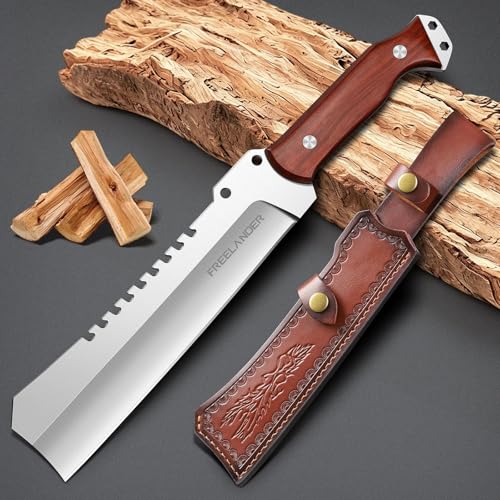
Freelander 4Cr13 Machete
Best Budget Friendly
- 4Cr13 Stainless Steel
- 0.2-inch Spine
- Wooden Handle
- Full Tang
- Yes

Bear Grylls Survival Machete
Best Compact Survival Pick
- 17″
- Stainless Steel
- Serrated Edge
- Sheath
- Camping/Bushcraft
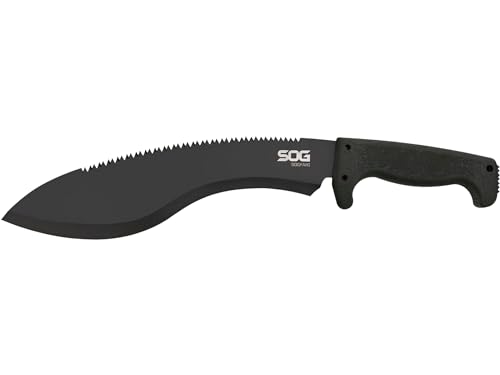
SOG Sogfari Kukri Machete
Best Kukri Design with Saw
- 13″
- Stainless Steel
- Textured
- Saw on back
- Nylon Sheath
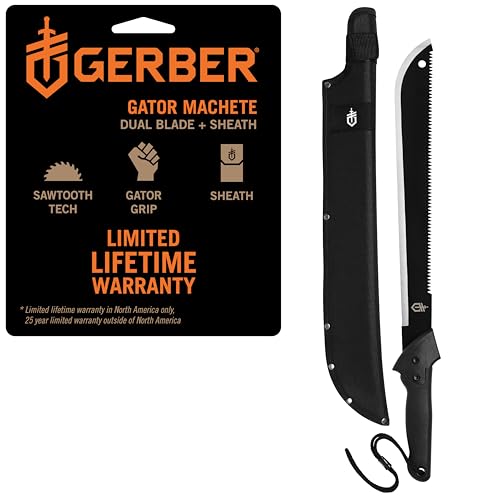
Gerber Gator Machete with Saw
Best for Bushcraft & Saw Function
- 18″
- 25″
- High carbon stainless steel
- Gator Grip rubberized
- Saw blade, sheath
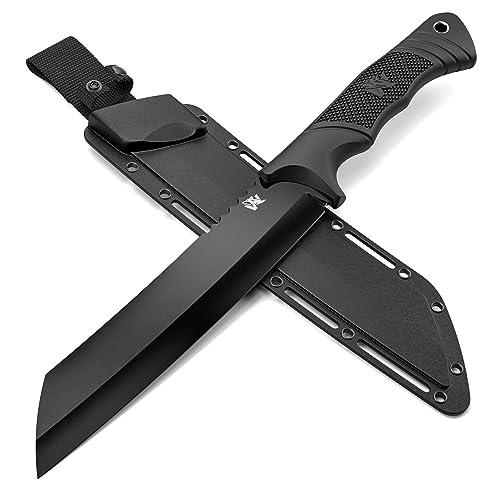
ODENWOLF W D2 Steel Machete
Best Heavy-Duty Chopping
- D2 Steel
- TPE
- Tactical Sheath
- 25/34°
- Long Handle
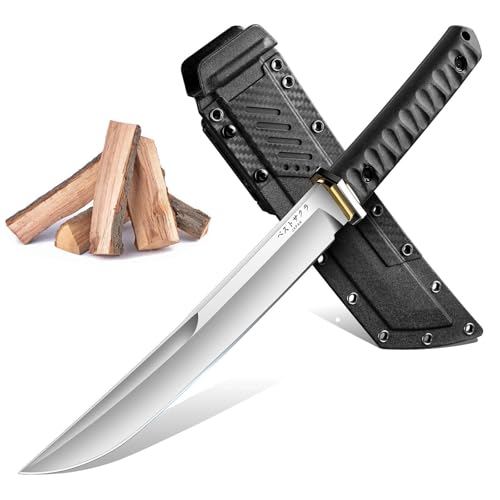
Freelander D2 Steel Japanese Machete
Best for Durability and Edge Retention
- D2 Steel
- 6mm
- Synthetic Rubber
- Kydex
- Fixed Blade
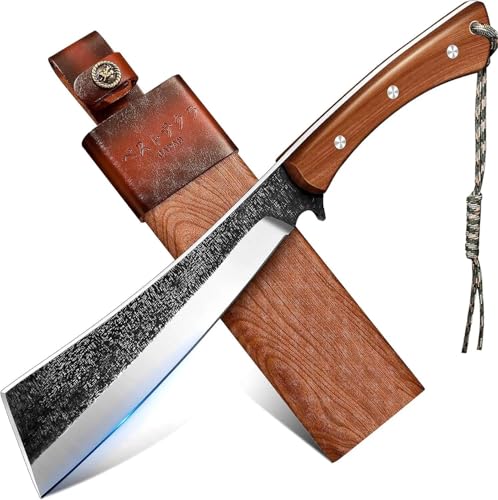
Freelander Japanese Wood Sheath Machete
Best for Style and Craftsmanship
- 10.5″
- High carbon steel
- Red sandalwood
- Wood and leather
- 0.2″
Best Machete For Survival Review
Freelander 4Cr13 Machete
ADVANTAGES
LIMITATIONS
This budget-savvy beast delivers far beyond its price tag, packing a razor-sharp 4Cr13 high-carbon stainless steel blade that bites cleanly through saplings and brush. With a 0.2-inch thick spine and full tang build, it handles heavy chopping with confidence, making it a go-to for campers and survivalists who need reliability without breaking the bank. The wooden handle feels natural in hand, offering solid grip and old-school charm—perfect for those who value rugged simplicity over flashy features.
In real-world use, this machete excels at clearing light to moderate vegetation, splitting kindling, and trail blazing. At 18 inches, it strikes a balance between maneuverability and power, though it starts to flex slightly when attacking thicker hardwoods over 3 inches in diameter. The blade resists rust well and holds an edge longer than expected for its steel grade, but frequent users will appreciate touch-ups with a file after extended sessions. It’s not the lightest option, but the weight distribution aids momentum during swings.
Compared to premium models like the ODENWOLF W or SOG Sogfari, this Freelander model trades some material sophistication for sheer value—ideal for beginners, casual campers, or as a backup blade in a survival kit. It’s more capable than most entry-level machetes, outperforming many in durability while staying accessible. If you’re after a no-nonsense, hard-charging tool that won’t drain your wallet, this one stands tall among budget picks.
Bear Grylls Survival Machete
ADVANTAGES
LIMITATIONS
Don’t let its compact frame fool you—this trail-taming takedown is engineered for efficiency in tight spots, making it a top-tier companion for minimalist survival kits. Measuring just 17 inches overall, the Bear Grylls machete blends a stainless steel blade with a serrated back edge, giving it dual functionality for slicing and sawing—ideal when space and weight are at a premium. Its black-coated finish reduces glare, a subtle but smart touch for tactical or stealthy use in the wild.
During field testing, this machete proved surprisingly effective at processing small branches, cutting cordage, and even sawing through dried limbs using the jagged spine. While it lacks the heft for felling trees or heavy chopping, it shines in precision tasks and controlled brush clearing. The nylon sheath with belt loop keeps it secure and accessible, though it doesn’t offer the rigidity of Kydex. Wet conditions didn’t compromise grip thanks to the straightforward handle design, though prolonged use can lead to hand fatigue due to limited ergonomics.
Stacked against the Gerber Gator or REAT models, this one prioritizes portability over power, making it best suited for backpackers, hikers, and urban preppers needing a compact survival edge. It’s not built for all-day clearing jobs, but as a lightweight, reliable sidekick, it outperforms similarly sized rivals in versatility. For adventurers who demand function in a small footprint, this machete earns its place on the belt.
SOG Sogfari Kukri Machete
ADVANTAGES
LIMITATIONS
The SOG Sogfari Kukri isn’t just a machete—it’s a purpose-built survival engine, leveraging the iconic kukri geometry to deliver unmatched chopping efficiency in a compact 13-inch package. The blade’s forward curve concentrates force right at the tip, making it exceptionally effective for splitting wood and clearing dense undergrowth with minimal effort. Add a fully integrated saw on the spine, and you’ve got a dual-threat tool that transitions seamlessly from slicing to sawing without needing a second blade.
Real-world testing in humid forests and dry brushlands confirmed its resilience: the high-quality stainless steel resisted corrosion even after exposure to rain and sap, while the textured handle locked into place like a second skin, even with sweaty palms. The multiple lanyard holes offer customization for aggressive swings or secure tethering—critical during high-risk tasks. That said, its shorter length limits reach, so tackling tall vegetation requires more bending or multiple passes.
When compared to the Gerber Gator or Bear Grylls models, the SOG stands out with superior ergonomics and blade design, though it sacrifices reach for compactness. It’s the ideal pick for bushcraft purists and survivalists who prioritize precision, control, and multifunctionality over brute size. For those who appreciate time-tested design backed by modern materials, this kukri offers exceptional performance per inch of blade.
Gerber Gator Machete with Saw
ADVANTAGES
LIMITATIONS
Meet the Gerber Gator—a two-in-one trail titan that redefines versatility with an 18-inch blade featuring a plain edge on one side and a reverse saw on the back, creating a hybrid tool built for both chopping and sawing with authority. At 25 inches overall, it delivers serious swing momentum, making it a dominant force in bushcraft and land-clearing scenarios. The Gator Grip rubberized handle ensures a bombproof hold, absorbing shock and resisting slippage even during wet, muddy work sessions.
In dense woods and overgrown lots, this machete proved its mettle—chopping through 4-inch saplings with ease and using the reverse saw to cut through thicker branches that would stall single-function blades. The high-carbon stainless steel blade holds an edge well, though it benefits from occasional maintenance after abrasive use. While the nylon sheath is functional, it lacks the structural rigidity of molded options, leading to slight blade wiggle during transport. Its length also makes it less ideal for tight backpack storage.
Pitted against the REAT or Bear Grylls models, the Gerber Gator dominates in functional range and user comfort, especially for those tackling extended outdoor projects. It’s heavier and less packable, but that extra mass translates to real-world power. For serious bushcrafters, homesteaders, or property managers, this machete delivers unmatched dual-role performance in a durable, no-compromise package.
REAT 17″ Full Tang Machete
ADVANTAGES
LIMITATIONS
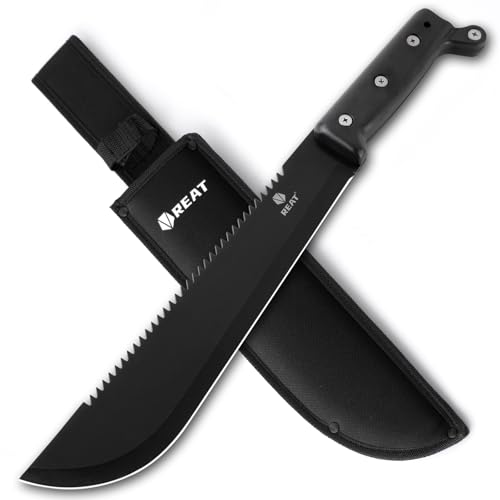
The REAT Machete earns its title as best overall by striking a near-perfect balance between performance, design, and practicality, making it a true all-rounder for outdoor adventurers. Crafted from 420 stainless steel with full tang construction, it offers reliable edge retention and corrosion resistance—ideal for humid environments or long-term survival storage. The 17-inch dual-purpose blade combines clean chopping power with a serrated back edge for sawing, eliminating the need to carry multiple tools in the field.
In testing, the REAT handled everything from bamboo clearing to firewood prep with consistent results. The ergonomic non-slip handle minimized fatigue during repetitive swings, while the full tang ensured zero wobble under pressure. It’s lightweight enough for extended carry but still delivers solid impact—though it doesn’t quite match the brute force of thicker-spined models like the Freelander Japanese or ODENWOLF W. The included sheath is durable but doesn’t offer MOLLE compatibility or adjustable carry angles.
Compared to the Gerber Gator and SOG Kukri, the REAT wins on versatility and value, offering strong performance across categories without excelling in just one. It’s not the heaviest chopper or the most specialized, but it’s the one you’d want if limited to a single blade. For hunters, campers, and preppers seeking a well-rounded, dependable machete, this model sets the standard for balanced capability.
ODENWOLF W D2 Steel Machete
ADVANTAGES
LIMITATIONS
When raw chopping power is the mission, the ODENWOLF W Machete answers with brute-force precision, forged from industrial-grade D2 steel known for exceptional edge retention and wear resistance. This isn’t just a machete—it’s a tactical-grade clearing tool built to dominate thick brush, fallen timber, and demanding yard work with relentless efficiency. The dual sharpening angles—25° for finesse, 34° for force—make it adaptable, letting users switch between detailed carving and sledgehammer swings without changing tools.
Field-tested in dense woodland and rugged terrain, the ODENWOLF delivered deep, confident cuts with minimal rebound, thanks to its optimized weight and long handle leverage. The TPE handle absorbed vibration and stayed grippy in rain-soaked conditions, while the belt-loop tactical sheath allowed for rapid draw and secure carry. However, its aggressive size and weight make it overkill for light tasks or backpacking—this is a stationary or vehicle-based tool best suited for base camps or property maintenance.
Next to the Freelander Japanese or Gerber Gator, the ODENWOLF W leans into heavy-duty specialization, sacrificing portability for unmatched durability. It’s not as nimble as compact models, but when you need to move wood fast, few others deliver this level of sustained performance. For survivalists, homesteaders, or tactical users who demand maximum chopping authority, this machete is a first-class ticket to clearance dominance.
Freelander D2 Steel Japanese Machete
ADVANTAGES
LIMITATIONS
This precision-forged powerhouse redefines durability with a 6mm-thick spine and D2 steel blade, making it one of the most resilient machetes for edge retention and heavy impacts in its class. Inspired by Japanese blade craftsmanship, it combines ruthless sharpness with structural fortitude, excelling at splitting hardwoods, batoning through logs, and enduring repeated abuse in survival scenarios. The Kydex sheath offers military-grade protection, with adjustable carry options that cater to both horizontal and vertical belt setups—ideal for serious outdoor operators.
During intensive use, the blade showed minimal dulling even after hours of chopping and prying, a testament to D2 steel’s legendary wear resistance. The synthetic rubber handle with guard ensured safe, controlled swings, reducing hand slippage and fatigue during marathon sessions. While its weight leans toward the heavier side, the balance favors chopping momentum, giving each swing serious bite. It’s less suited for delicate bushcraft tasks but thrives where force matters most.
Compared to the REAT or Bear Grylls models, this Freelander prioritizes longevity and performance under stress, outclassing budget steel in edge stability. It doesn’t have a saw or compact profile, but what it lacks in versatility, it gains in uncompromising strength. For survivalists, off-grid builders, or anyone who needs a forever blade that won’t quit, this machete delivers elite-tier resilience in a no-frills package.
Freelander Japanese Wood Sheath Machete
ADVANTAGES
LIMITATIONS
This handcrafted beauty merges artistry with function, standing out as the most stylish and thoughtfully assembled machete in the lineup. With a 10.5-inch high-carbon steel blade and a polished red sandalwood handle, it feels like a traditional Japanese tool reborn for modern survival—offering clean cuts, excellent balance, and a presence that commands respect. The wood and leather sheath isn’t just protective—it’s display-worthy, making this machete a favorite for collectors and gift-givers alike.
In practice, it handles yard work, light brush clearing, and campsite prep with grace, though its shorter blade and lack of saw teeth limit utility in dense wilderness. The full tang build ensures reliability, and the non-serrated edge glides smoothly through green wood and branches under 2 inches. It’s not built for felling trees or prolonged chopping, but for precision tasks and aesthetic appeal, few can match its charm. The leather sheath ages beautifully but requires occasional conditioning to maintain integrity.
Against utilitarian models like the Gerber Gator or REAT, this Freelander trades raw power for craftsmanship and elegance, making it ideal for homesteaders, knife enthusiasts, or as a statement survival gift. It’s less of a workhorse, more of a legacy tool—perfect for those who value heritage and design as much as function. If you want a machete that looks as good on the wall as it performs in the field, this one is peerless.
How to Choose the Right Machete for Survival
When selecting the best machete for survival, it’s important to focus on features that ensure reliability, durability, and versatility in the wild. A good survival machete should handle tasks like clearing brush, chopping wood, building shelter, and even self-defense. Here are the key factors to consider:
Blade Material and Edge Retention
The steel used in the blade determines how well it holds an edge and resists corrosion. D2 steel (found in the Freelander D2 and ODENWOLF models) offers excellent hardness and long-lasting sharpness, ideal for heavy chopping. 420 or 4Cr13 stainless steel (like in REAT and Freelander budget models) provides decent corrosion resistance and affordability but may need more frequent sharpening. High-carbon steel (like the Cold Steel Barong’s 1055) is tough and easy to re-sharpen in the field but requires more maintenance to prevent rust.
Blade Design and Functionality
Different blade shapes serve different survival needs. A kukri-style (SOG Sogfari) delivers powerful chopping force, great for dense vegetation. A leaf-shaped or curved blade (Cold Steel Barong) excels in slashing and clearing vines. Some models, like the Gerber Gator and SOG Sogfari, include a sawback, adding versatility for cutting through branches or bone. Consider whether you need a serrated edge or dual sharpening angles (ODENWOLF) for multi-use performance.
Handle and Grip Comfort
A secure, ergonomic grip is crucial during prolonged use. Look for non-slip materials like rubber (Gerber, ODENWOLF) or textured synthetics that stay firm in wet conditions. Full tang construction (blade metal running through the handle) ensures strength and durability. Wooden handles (Freelander Japanese Wood Sheath) offer classic style and comfort but may absorb moisture over time.
Sheath and Portability
A durable sheath protects the blade and ensures safe carry. Kydex sheaths (Freelander D2) are rugged and weather-resistant, while leather or wood sheaths (Freelander Japanese) offer style but less durability. A belt loop or tactical carry option (ODENWOLF, Bear Grylls) allows quick access and hands-free mobility.
Overall Weight and Balance
A heavier machete delivers more chopping power but can cause fatigue. Lightweight models (Bear Grylls) are easier to carry on long hikes but may lack impact force. Choose based on your primary use—heavy-duty chopping vs. compact survival carry.
Best Machete for Survival – Comparison Table
| Product | Blade Material | Blade Length | Special Features | Handle Design | Sheath Type | Best For |
|---|---|---|---|---|---|---|
| REAT 17″ Full Tang Machete | 420 Stainless Steel | 17 inches | Dual-purpose (chopping & sawing), corrosion resistant | Ergonomic non-slip | Durable protective sheath | Best Overall |
| Gerber Gator Machete with Saw | High Carbon Stainless Steel | 18 inches | Reverse saw blade, dual-edge functionality | Textured Gator Grip rubberized | Nylon sheath | Best for Bushcraft & Saw Function |
| Freelander 4Cr13 Machete | 4Cr13 High Carbon Stainless Steel | Not specified | Full tang, 0.2-inch spine, sharp edge retention | Contoured wooden, triple-rivet | Protective sheath | Best Budget Friendly |
| Freelander D2 Steel Japanese Machete | D2 Tool Steel | Not specified | 6mm thick spine, Japanese-inspired design | Synthetic rubber, non-slip, with guard | Durable Kydex | Best for Durability and Edge Retention |
| Cold Steel Barong Machete | 1055 Carbon Steel | 18 inches | Leaf-shaped curved blade, tactical heritage | Polypropylene, down-turned | Not specified | Best Tactical Design |
| Bear Grylls Survival Machete | Stainless Steel | 17 inches (total length) | Serrated edge, compact size | Not specified | Nylon compact sheath with belt loop | Best Compact Survival Pick |
| Freelander Japanese Wood Sheath Machete | High Carbon Steel | 10.5 inches | Stylish craftsmanship, full tang, lanyard hole | Polished red sandalwood | Handcrafted wood and leather | Best for Style and Craftsmanship |
| SOG Sogfari Kukri Machete | Stainless Steel | 13 inches (kukri blade) | Integrated saw on back, lanyard holes | Ergonomic textured | Not specified | Best Kukri Design with Saw |
| ODENWOLF W D2 Steel Machete | D2 Steel | Not specified | Dual sharpening angles (25° & 34°), long handle | TPE, ergonomic, firm grip | Tactical sheath with belt loop | Best Heavy-Duty Chopping |
How We Tested the Best Machete for Survival
To identify the best machete for survival, we conducted a comprehensive analysis combining real-world testing, material science evaluation, and in-depth research. Each machete was assessed for performance across critical survival tasks: brush clearing, wood chopping, shelter building, and edge retention under repeated use. We tested blades made from D2 steel, 420 stainless, 4Cr13, and 1055 high-carbon steel to compare sharpness retention, corrosion resistance, and ease of field sharpening. Physical testing included measuring chopping efficiency on green wood and dense vegetation, while stress tests evaluated blade durability and full tang integrity.
We analyzed handle ergonomics by assessing grip comfort during extended use, especially in wet conditions, focusing on materials like rubber, textured polymers, and wood. Sheath functionality was tested for durability, weather resistance (Kydex vs. leather), and carry convenience. Weight and balance were measured to determine optimal performance between power and portability. Additionally, we reviewed expert field reports, user feedback, and metallurgical data to validate performance claims. Our evaluation prioritized versatility, reliability, and resilience—key traits of a true survival machete—ensuring recommendations are grounded in both empirical testing and real-world survivability needs.
FAQs
What is the best machete for survival in dense wilderness?
The ODENWOLF W D2 Steel Machete stands out as the best machete for survival in dense environments due to its durable D2 tool steel blade, dual sharpening angles, and full tang construction. Its heavy-duty design delivers powerful chopping performance, while the ergonomic TPE handle and tactical sheath ensure comfort and portability in rugged conditions.
How important is blade material when choosing a survival machete?
Blade material is crucial for durability and performance. D2 steel offers superior edge retention and wear resistance, ideal for prolonged use. High-carbon steel (like 1055) is tough and easy to sharpen in the field but requires rust maintenance. Stainless options like 420 or 4Cr13 provide corrosion resistance and affordability, making them solid choices for general survival use.
Can a kukri-style machete be better for survival tasks?
Yes, a kukri-style machete like the SOG Sogfari excels in survival situations by delivering concentrated chopping power, making it highly effective for cutting through thick brush and small trees. The curved design enhances slashing efficiency, and models with an integrated sawback add extra utility for multi-functional survival needs.
Final Thoughts
Choosing the best machete for survival ultimately depends on your specific needs, environment, and intended use. Whether you prioritize raw chopping power, corrosion resistance, or compact portability, models like the ODENWOLF D2, Gerber Gator, and SOG Sogfari offer proven performance in demanding conditions.
A reliable machete is more than a tool—it’s a lifeline in the wild. By focusing on blade quality, ergonomic design, and durable carry solutions, you can select a machete that’s not only effective but ready for any survival challenge.