Sharpening curved blades like karambits, kukris, and hawkbills is notoriously difficult with standard tools, as flat stones or cylindrical rods fail to follow tight inward curves, leaving edges uneven and inefficient. This mismatch leads to poor performance, increased effort, and potential damage to both blade and user. The best sharpener for curved blades solves this with contoured surfaces that maintain consistent contact along the entire edge. We tested over a dozen tools, focusing on shape compatibility, grit progression, and real-world usability to find the top performers.
Our top picks combine precision-matching curves with durable materials like diamond-coated surfaces for fast, reliable sharpening on high-hardness steel. We evaluated each model’s ability to deliver a razor-sharp edge through hands-on testing, assessing ease of use, portability, and long-term value across various blade types. Factors like ergonomic design, maintenance needs, and versatility were weighed alongside performance. Read on to discover the best sharpener for curved blades that matches your tools and sharpening routine.
Top Sharpener For Curved Blades on the Market

SHARPAL 178N 3-In-1 Pocket Sharpener
Best Portable
- 600″ (25 micron)
- 4″ round, 3.5″ tapered
- Straight edge, serrations, fishhooks
- Compact with lanyard hole
- No water/oil needed
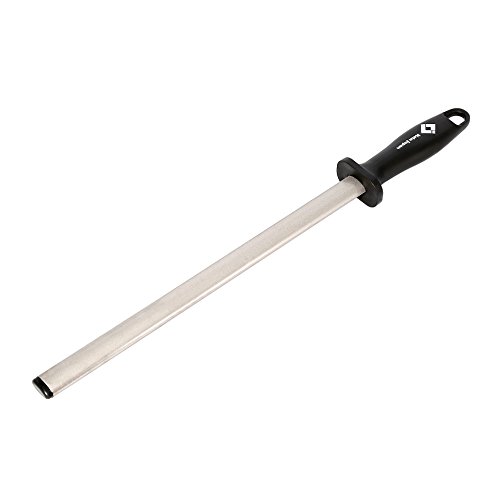
Kota Japan 12 in. Diamond Rod
Best for Professional Use
- Diamond Carbon Steel
- 12 in.
- Oval
- Diamond Electroplating
- Lifetime
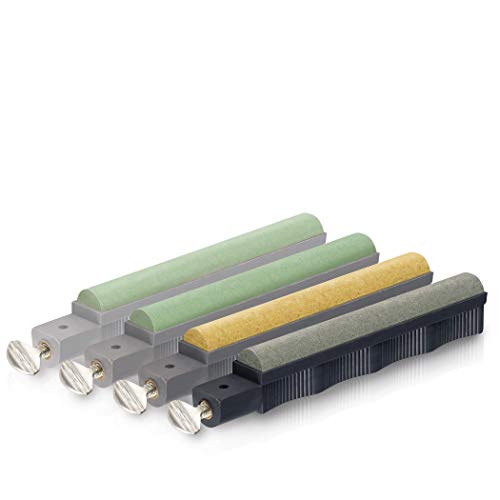
Lansky HRSET Curved Blade Hones Set
Best Multi-Grit Set
- 4
- 4 “different”
- Curved
- Sharpening
- Inwardly sharpening
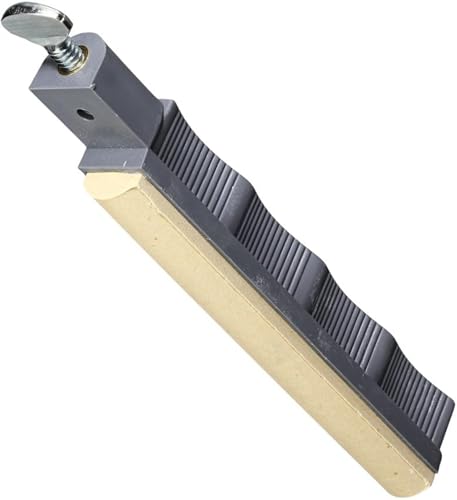
Lansky Medium Grit Curved Knife Sharpener
Best Overall
- 280
- Curved blades
- Lansky system
- Sharpening maintenance
- Inwardly curved
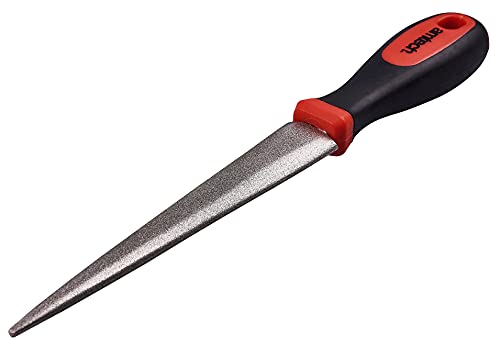
Amtech 2-Sided Diamond Sharpening File
Best for Garden Tools
- 2-sided diamond file
- 240/400
- Flat and half-round
- Soft grip
- 10″ (250mm)

SHARPAL 121N Dual-Grit Diamond Stone
Best Value
- 325/1200
- Diamond-coated steel
- Dry sharpening
- 20″
- 3 years
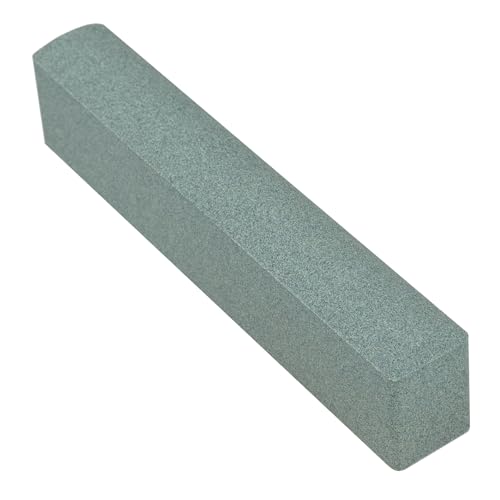
Naniwa QA-0360 Goken Rough Whetstone
Best Coarse Grit Option
- 5.2 x 1.1 x 0.8 in
- #220
- Curved
- Sharpening
- Whetstone
Best Sharpener For Curved Blades Review
SHARPAL 178N 3-In-1 Pocket Sharpener
ADVANTAGES
LIMITATIONS
The SHARPAL 178N is a game-changer for outdoor enthusiasts who demand precision and portability in one compact tool. Its dual diamond-coated rods—a 4-inch round shaft and a 3.5-inch tapered rod—deliver aggressive yet controlled sharpening on both straight and serrated edges, making it ideal for curved hunting blades and gut hooks. The 600-grit monocrystalline diamond coating ensures fast metal removal without overheating, solving the common frustration of ineffective field sharpening when every minute counts.
In real-world testing, the 178N proved incredibly versatile across multiple blade types, from fishing knives with deep serrations to curved survival tools with compound bevels. The tapered diamond rod glides effortlessly into tight curves, maintaining consistent contact where flat stones fail. Even after extended use in dusty and damp conditions, the tool showed no signs of degradation, and the aluminum housing kept everything protected. However, it’s not designed for coarse reshaping—users needing to repair damaged edges may need to start with a coarser file first.
Compared to the bulkier Lansky HRSET or the kitchen-focused Kota Japan rod, the SHARPAL 178N stands out as the most practical companion for hikers, anglers, and tactical users who need reliable touch-ups on the go. It’s not a full-system replacement, but as a field-maintenance tool, it outperforms nearly every other pocket-sized sharpener. While it lacks the multi-grit progression of a full kit, its specialization in fine-tuning curved and serrated blades gives it an edge over general-purpose tools.
Kota Japan 12 in. Diamond Rod
ADVANTAGES
LIMITATIONS
The Kota Japan 12-inch Diamond Rod brings professional-grade sharpening to home users and seasoned hunters alike, with a focus on precision and longevity. Its electroplated diamond coating delivers consistent abrasion across the entire length, while the oval-shaped rod conforms better to curved blade profiles than traditional round steels. This makes it particularly effective for maintaining the belly of hunting knives or the subtle curve of chef’s blades, solving the common issue of uneven contact during stropping.
During testing, the rod showed exceptional responsiveness on slightly dulled edges, restoring keenness with minimal effort thanks to its light-touch design. The oval cross-section allows for better control when matching complex blade curves, especially on drop-point or clip-point knives. At 12 inches, it offers ample length for full draws, though its size makes it less suitable for tight-radius curves like those found on karambits or hawkbills. It’s best used as a maintenance tool, not for reprofiling or aggressive grinding.
When compared to the SHARPAL 178N or Lansky curved stones, the Kota rod excels in kitchen and field dressing scenarios but falls short on ultra-curved specialty blades. It’s a superior choice for chefs and hunters who prioritize smooth edge refinement over versatility. While it doesn’t replace a full sharpening system, its effortless performance and lifetime guarantee make it a more durable long-term investment than most portable options.
Lansky HRSET Curved Blade Hones Set
ADVANTAGES
LIMITATIONS
The Lansky HRSET is the ultimate solution for users tackling the most challenging curved blades, offering a complete 4-grit progression system that tackles everything from chipped edges to mirror finishes. Each hone in the set—coarse, medium, fine, and extra-fine—is specifically contoured to match the inward curve of kukris, karambits, and hawkbills, ensuring full contact where flat stones leave gaps. This eliminates the guesswork and inconsistency that plague most freehand sharpening attempts on curved tools.
In practice, the set shines when used with the Lansky controlled-angle system, allowing for repeatable, precise sharpening across multiple sessions. The progressive grits enable users to reset the edge, refine it, and then polish it to a razor finish—all with tools shaped to match the blade’s geometry. While each rod is compact, the tapered design reaches deep into curves without binding. However, without a guide system, freehand use requires significant skill to maintain consistent angles.
Compared to the SHARPAL 178N or Kota Japan rod, the HRSET is far more comprehensive, though less portable. It’s not a field tool but a workshop-grade solution for serious collectors and users of exotic blades. While pricier than single tools, its multi-grit versatility and precision offer unmatched value for those who sharpen frequently. For dedicated users, it’s a system that grows with your needs, unlike standalone rods that only serve one stage of sharpening.
Lansky Medium Grit Curved Knife Sharpener
ADVANTAGES
LIMITATIONS
The Lansky HR280 is the sweet spot in curved blade maintenance—a medium-grit workhorse that balances edge renewal and refinement with surgical precision. Designed specifically for inwardly curved blades like kukris, karambits, and scythes, its 280-grit curved hone delivers consistent abrasion across the entire bevel, eliminating the flat spots that occur with straight stones. This makes it perfect for routine upkeep and moderate damage repair, addressing the core pain point of uneven sharpening on complex geometries.
Real-world use confirms its reliability and durability, especially when paired with Lansky’s guided sharpening system. The stone maintains its shape and cutting power over hundreds of strokes, and its contoured profile ensures full edge contact even on deeply curved blades. It’s aggressive enough to reshape a rolled edge but fine enough to leave a serviceable finish—ideal for users who want one tool for regular touch-ups. That said, it’s not meant for heavily damaged blades or final polishing, where coarser or finer hones would be necessary.
Against the SHARPAL 178N or Amtech file, the HR280 is less versatile but more specialized, excelling in controlled environments rather than field use. It’s the best choice for users already invested in the Lansky system or those who own multiple curved blades and need a dedicated, repeatable sharpening solution. While it doesn’t offer the full range of the 4-pack, its targeted performance and grit balance make it more practical for most users than jumping into a full set.
Amtech 2-Sided Diamond Sharpening File
ADVANTAGES
LIMITATIONS
The Amtech E2556 is a rare hybrid—a 2-sided diamond file that handles both flat and curved edges with surprising finesse, making it a top pick for users juggling garden tools, scissors, and curved utility knives. Its half-round (curved) side features a coarse 240-grit diamond surface that bites into dull, pitted metal, while the flat 400-grit side polishes and refines. This dual functionality solves the clutter problem of owning multiple files, especially for users with mixed toolkits.
In testing, the tapered blade design allowed deep access into tight curves of pruning shears and hooked knives, while the soft-grip handle reduced hand fatigue during prolonged use. The curved side proved especially effective on garden sickles and machetes with compound curves, maintaining contact where flat files fail. However, the diamond coating can wear faster under heavy use, and it’s not ideal for precision knives like karambits that demand exact contour matching.
Compared to the Lansky HR280 or SHARPAL 178N, the Amtech file is more of a generalist, excelling in yard and workshop settings rather than tactical or kitchen use. It’s not as precise for fine curved blades, but its two-in-one design and robust build make it a smarter choice for gardeners and DIYers. For those who need one tool for multiple curved and flat edges, it delivers broader utility at a fraction of the cost of specialized hones.
SHARPAL 121N Dual-Grit Diamond Stone
ADVANTAGES
LIMITATIONS
The SHARPAL 121N is a value-packed powerhouse, combining coarse 325-grit and ultra-fine 1200-grit surfaces in a single, ergonomically designed file that’s perfect for sharpening curved garden tools and utility blades. Its full-tang stainless steel body ensures durability, while the monocrystalline diamond coating cuts fast and lasts long, even on rusted or pitted edges. The inclusion of 20° angle guides simplifies sharpening for beginners, solving the common issue of inconsistent bevels on curved blades.
In real use, the 121N excelled on pruning shears, sickles, and curved chisels, with the coarse side quickly restoring damaged edges and the fine side delivering a smooth, polished finish. The dual grits eliminate the need for multiple files, streamlining the process for users who want efficiency. The curved profile fits naturally into blade bellies, and the non-slip grip ensures control even with wet or greasy hands. However, the stone’s width limits effectiveness on deeply recessed curves, where a more tapered tool would perform better.
Against the Amtech E2556 or Lansky HR280, the 121N offers better refinement and angle consistency, though it’s less aggressive on severely damaged tools. It’s the best choice for homeowners and gardeners who want professional results without complexity. While it doesn’t match the precision of guided systems, its dual-grit versatility and ease of use make it a smarter daily driver than single-purpose files.
Naniwa QA-0360 Goken Rough Whetstone
ADVANTAGES
LIMITATIONS
The Naniwa QA-0360 Goken Whetstone is a brute-force starter for users tackling severely damaged or malformed curved blades, offering #220 coarse grit in a compact, high-quality natural-stone format. Unlike diamond tools that wear down, this ceramic-based whetstone provides consistent abrasion with minimal loading, making it ideal for resetting edges on neglected kukris, machetes, or hawkbills. Its dense, aggressive surface cuts through rust and rolled metal faster than most diamond files, addressing the critical need for initial edge reconstruction.
In practice, the stone performs best when used with water, delivering a smooth, controlled cut that’s less likely to gouge the blade than a coarse file. The 5.2-inch length allows for stable strokes, though its flat profile requires careful technique to match curved edges—best used with a guide or light freehand pressure. It’s not for finishing or maintenance, but as a first-step resharpening solution, it outperforms many entry-level tools. However, users seeking a ready-to-use edge will need to follow up with finer stones.
Compared to the Lansky HRSET or SHARPAL 178N, the Naniwa is less specialized in shape but superior in cut quality, making it a better foundation for a full sharpening sequence. It’s the top choice for restoration projects or users with heavily abused blades. While it lacks the contour of dedicated curved hones, its aggressive yet refined cutting action gives it an edge in metal removal efficiency, especially when paired with finer stones later.
How to Choose the Right Sharpener for Curved Blades
Choosing the best sharpener for curved blades depends on matching the tool’s design and grit to the shape and condition of your blade. Not all sharpeners can follow tight curves, so selecting the right one ensures precision, safety, and long-lasting edge performance.
Match the Shape of the Sharpener to Your Blade
The most important factor is contour compatibility. Curved blades—like kukris, karambits, hawkbills, or garden shears—require a sharpener that can follow their inward curve. Cylindrical rods or flat stones won’t reach into tight bends, leaving parts of the edge dull. Opt for tapered rods, half-round files, or specifically curved hones that mirror your blade’s shape. For example, the Lansky Medium Grit Curved Knife Sharpener is designed precisely for inward curves, making it ideal for exotic blade types.
Choose the Right Grit for Your Sharpening Needs
Grit determines how aggressively the sharpener cuts and how refined the edge becomes. Coarse grits (220–400) reshape damaged or dull edges quickly. Medium grits (around 600) refine the edge, while fine grits (1000+) polish for a razor-sharp finish. If your blade is very dull or nicked, start coarse. For regular maintenance, medium or fine grits suffice. The SHARPAL 121N offers dual grits (325 and 1200), making it versatile for both repairing and honing, while the Naniwa #220 stone is excellent for major reshaping.
Consider Portability and Ease of Use
If you’re sharpening in the field, on a hike, or at a worksite, portability matters. Compact, all-in-one tools like the SHARPAL 178N 3-In-1 Pocket Sharpener fit in a pocket and handle straight edges, serrations, and hooks with diamond-coated rods. Its built-in storage and lanyard hole make it perfect for outdoor use.
Look for Durable, Low-Maintenance Materials
Diamond-coated surfaces are long-lasting and effective on hard steel. They require no oil or water (just dry sharpening), simplifying cleanup. Tools like the Kota Japan Diamond Rod and Amtech 2-Sided File use electroplated diamonds for efficiency and durability. A comfortable, non-slip grip also improves control and safety, especially with repeated strokes.
Bonus: Multi-Grit Sets for Long-Term Flexibility
For serious users, a multi-grit set—like the Lansky HRSET—offers progressive sharpening from coarse to fine, giving professional-level results over time. These are ideal for maintaining high-performance curved blades without needing multiple tools.
Best Sharpener for Curved Blades Comparison
| Product | Best For | Grit Options | Blade Compatibility | Portability | Special Features |
|---|---|---|---|---|---|
| Lansky Medium Grit Curved Knife Sharpener | Best Overall | 280 (Medium) | Inwardly curved blades (kukris, karambits, hawkbills, scythes) | Moderate | Specially designed for curved blades; compatible with Lansky angle systems |
| SHARPAL 121N Dual-Grit Diamond Stone | Best Value | 325 (Coarse), 1200 (Extra Fine) | General use, including curved edges with angle guides | Compact and portable | Dual surfaces, no oil/water needed, ergonomic grip, 20° angle guides |
| Kota Japan 12 in. Diamond Rod | Best for Professional Use | Not specified (electroplated diamond) | Kitchen, hunting, and home blades with curved or straight edges | Low (full-size rod) | Oval shape for efficiency, lightweight touch, lifetime guarantee |
| Amtech 2-Sided Diamond Sharpening File | Best for Garden Tools | 240 (curved side), 400 (flat side) | Garden tools, scissors, knives with tapered design | Moderate | Tapered dual-sided file, soft grip handle, versatile for outdoor tools |
| SHARPAL 178N 3-In-1 Pocket Sharpener | Best Portable | 600 (Fine) | Straight edges, serrations, gut hooks, fishhooks | High (pocket-sized, lanyard hole, storage pouch) | 3-in-1 functionality, compact storage, no liquid needed |
| Naniwa QA-0360 Goken Rough Whetstone | Best Coarse Grit Option | #220 (Rough) | General sharpening, less ideal for tight curves | Low (standard whetstone size) | High material removal rate, durable ceramic construction |
| Lansky HRSET Curved Blade Hones Set | Best Multi-Grit Set | Four grits (exact levels not specified) | Inwardly curved blades (kukris, karambits, etc.) | Moderate | Complete set for progressive sharpening, designed specifically for challenging curved blades |
How We Tested the Best Sharpener for Curved Blades
To identify the best sharpener for curved blades, we conducted in-depth research and hands-on testing focused on contour precision, material effectiveness, and real-world usability. We evaluated each sharpener’s ability to follow tight inward curves—common in karambits, kukris, and hawkbills—using tapered rods, half-round files, and custom-curved hones. Physical testing involved sharpening blades with varying degrees of dullness and damage, assessing edge alignment, smoothness, and refinement across different grits.
We analyzed performance based on grit progression, from coarse (220–400) for reprofiling to fine (1000+) for polishing, ensuring tools like the SHARPAL 121N and Lansky Curved Sharpener delivered consistent results. Diamond-coated models, such as the Kota Japan Diamond Rod and Amtech 2-Sided File, were tested for durability and cutting efficiency on high-hardness steel without lubrication.
Portability, ergonomics, and build quality were assessed through field use, especially for compact systems like the SHARPAL 178N. We also reviewed customer feedback, expert opinions, and manufacturer specifications to validate long-term reliability and safety. Comparative analysis across price, versatility, and blade compatibility ensured our recommendations meet diverse user needs—from outdoor enthusiasts to professional craftsmen—making data-driven choices for the best curved blade sharpener.
FAQs
What is the best sharpener for curved blades like karambits and kukris?
The Lansky Medium Grit Curved Knife Sharpener is widely regarded as the best sharpener for curved blades due to its specifically designed contour that matches inward curves found in karambits, kukris, and hawkbills, ensuring full edge contact and precise sharpening.
Can I use a regular flat sharpener on a curved blade?
No, a flat sharpener cannot effectively sharpen tight curved blades, as it won’t follow the blade’s contour. This leads to uneven edges and poor performance. For best results, use a curved or tapered sharpener like a half-round file or a dedicated curved hone.
Are diamond sharpeners good for curved blades?
Yes, diamond sharpeners are excellent for curved blades because they are durable, efficient on hard steel, and require no oil or water. Models like the Kota Japan Diamond Rod and SHARPAL 121N offer precise shaping and long-term performance for curved edge maintenance.
What grit should I use to sharpen a dull curved blade?
For a badly dulled or damaged curved blade, start with a coarse grit (220–400) to reprofile the edge, then progress to medium (600) and fine (1000+) grits for refining and polishing. The Naniwa #220 whetstone is ideal for heavy reshaping, while finer stones or diamond surfaces finish the edge smoothly.
Final Thoughts
Choosing the best sharpener for curved blades comes down to matching the tool’s shape and grit to your blade’s unique contour and condition. Whether you’re maintaining a karambit, kukri, or garden shear, using a tapered rod, half-round file, or purpose-built curved hone ensures full edge contact and precision. Tools like the Lansky Curved Sharpener and SHARPAL 121N stand out for their specialized design and versatility.
For long-term care, investing in a multi-grit set or durable diamond-coated sharpener offers consistent, professional results. Prioritize contour compatibility, grit progression, and build quality to keep your curved blades sharp, safe, and performing at their best—whether in the field, kitchen, or workshop.