You’re in a high-risk situation—maybe you work security, patrol the streets, or just want to be prepared. One question keeps surfacing: does a bulletproof vest stop a knife? The answer isn’t as simple as yes or no, but here’s the hard truth: a standard bulletproof vest will not reliably stop a knife. Most are built to defeat bullets, not blades. Relying on one for stab protection could cost you your life. The materials that stop high-speed rounds often fail against the slow, focused pressure of a stabbing attack. This article breaks down why that happens, how different armors work, and what you actually need to stay safe from edged weapons.
Ballistic vs. Stab Threats: Why Armor Isn’t Universal
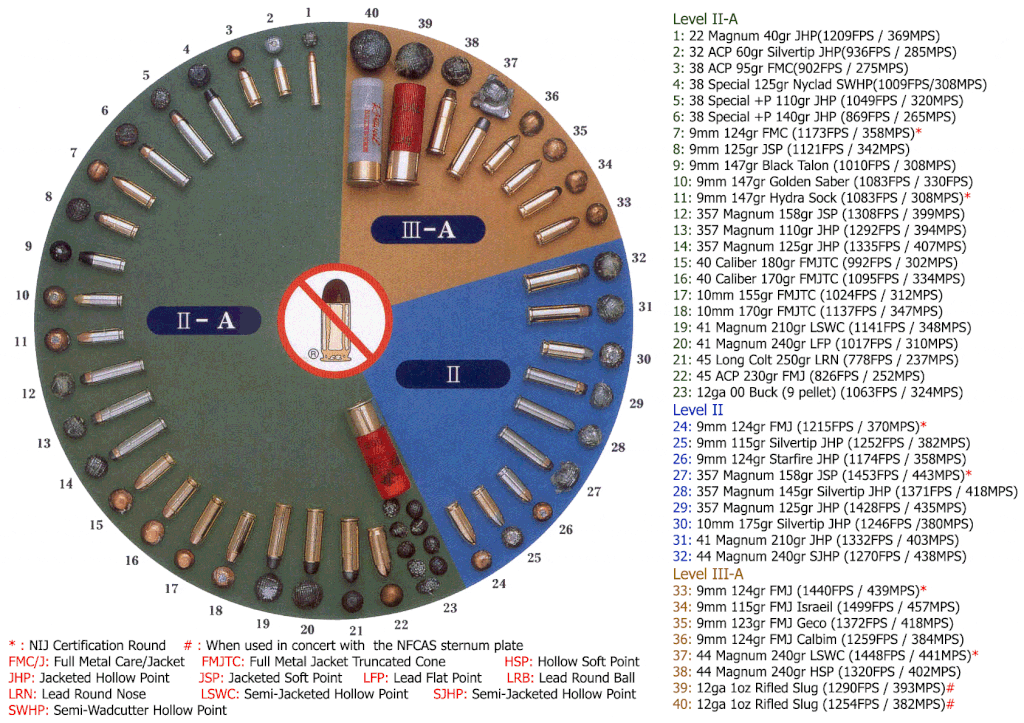
Body armor isn’t one-size-fits-all. Bullets and knives attack the body in fundamentally different ways, and armor must be engineered accordingly. Confusing the two can lead to deadly assumptions.
Force vs. Pressure: The Physics of Penetration
A bullet delivers a massive burst of energy in milliseconds, spreading force across hundreds of fibers at once. A knife, however, uses human strength to apply intense pressure on a microscopic point—less total energy, but far more cutting efficiency.
– A .357 Magnum round delivers about 580 ft-lbs of energy.
– A strong stab can exert over 1,000 lbs of force, concentrated on a tip smaller than 1 mm².
This extreme pressure allows a sharp blade to slice between or through Kevlar strands, while a bullet pushes against them all simultaneously and gets caught.
Think of it like water: A belly flop hurts (bullet impact), but diving in smoothly works (knife penetration). Kevlar resists sudden force but yields to steady, sharp pressure.
Impact Duration and Attack Dynamics
| Threat | Duration | Energy Type | Armor Response |
|---|---|---|---|
| Bullet | Milliseconds | High-velocity kinetic | Fibers stretch, absorb, disperse |
| Knife | Seconds | Sustained thrust | Fibers are cut one by one |
Unlike a bullet, a knife is connected to an attacker’s arm—you can keep pushing. This sustained force gradually parts the fabric until the blade breaks through.
How Bulletproof Vests Work: Built for Bullets, Not Blades
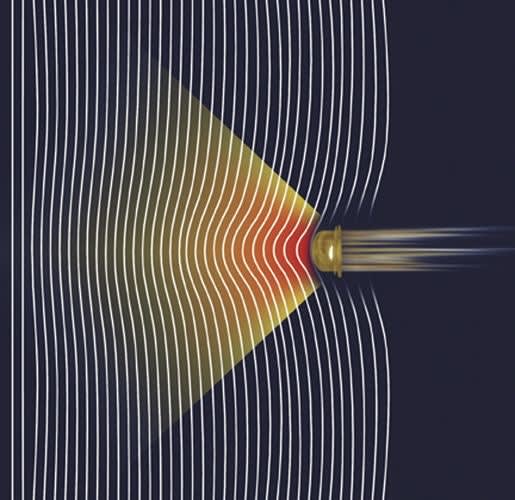
“Bulletproof” vests—more accurately called ballistic-resistant armor—are designed to stop fast-moving projectiles. They’re not made to resist slicing or stabbing.
Materials in Soft Body Armor
- Kevlar: High tensile strength, heat-resistant, widely used.
- Dyneema & Spectra (UHMWPE): Lighter and stronger than Kevlar by weight.
- Twaron: European alternative to Kevlar.
These materials stop bullets by deforming the projectile and distributing its energy across tightly woven layers.
The Bullet-Stopping Process
- Impact: Bullet hits and begins to deform.
- Energy Transfer: Kinetic energy spreads across fibers.
- Fiber Stretching: Layers stretch like a net, slowing the bullet.
- Arrest: Bullet stops before penetrating the skin.
Even when successful, blunt force trauma can cause bruising, broken ribs, or internal injuries.
Why Bulletproof Vests Fail Against Knives
Just because a vest stops a bullet doesn’t mean it stops a knife. The design principles are incompatible.
Kevlar Can Be Cut—It’s Not Slash-Proof
Kevlar has high tensile strength (resists pulling) but low cut resistance. A sharp knife:
– Slips between fibers
– Slices individual strands
– Advances with each push
Unlike a bullet, which stops when energy runs out, a knife keeps going as long as the attacker pushes.
Lab tests confirm: Even Level IIIA Kevlar vests can be penetrated by kitchen knives under sustained thrust.
Missing Anti-Cut Components
Standard soft armor lacks:
– Metal mesh
– Chainmail-style weaves
– Laminated composites
– Shear-thickening fluids
These are essential for resisting slicing and only appear in stab-specific or multi-threat vests.
Stab-Resistant Vests: How They Actually Stop Knives

Stab-resistant armor is engineered for a different threat—precision, not speed. It doesn’t just block; it traps the blade.
Design Principles of Stab Armor
- Tighter fiber weave: Denser than ballistic variants.
- Cut-resistant materials: Dyneema, stab-rated Kevlar.
- Metal or composite inserts: Stainless steel mesh, titanium layers.
- Layered trapping systems: Catch and immobilize the blade tip.
The goal is to limit penetration to under 7 mm, the threshold defined by safety standards.
Example: TurtleSkin armor combines ultra-strong fibers with metallic layers to resist both stabbing and slashing.
Stab Armor vs. Bullets: A Critical Limitation
Stab-resistant vests do not stop bullets:
– They allow slight blade penetration (acceptable for knives).
– They lack the structural integrity to absorb high-velocity impact.
– Most are rated for 24–65 joules, far below even a .22 LR round (~150 joules).
Multi-Threat Vests: Protection Against Both Knives and Bullets

For those facing mixed dangers—like prison guards or high-risk security—hybrid vests offer dual protection.
What Makes a Vest Multi-Threat?
- Combines ballistic panels with stab-resistant layers.
- Certified to NIJ 0101.06 (ballistic) and NIJ 0115.00 (stab) standards.
- Rated for:
- Handgun rounds (up to Level IIIA)
- Knives, ice picks, screwdrivers
- Slashing attacks
Who Needs Multi-Threat Armor?
| Role | Primary Threat | Recommended Armor |
|---|---|---|
| UK Police | Knives | Stab-resistant |
| U.S. Police | Firearms | Ballistic (Level II–IIIA) |
| Prison Guards | Edged weapons | Multi-threat |
| High-Risk Security | Mixed threats | Multi-threat with hard plates |
These vests are heavier and cost more but are essential in unpredictable environments.
Hard Armor Plates: The Exception That Stops Knives
While soft ballistic vests fail against knives, hard plates are highly effective at stopping both bullets and blades.
Why Hard Plates Resist Knives
- Extreme hardness: Ceramic and steel are harder than knife steel.
- Large contact area: Knives hit more surface, reducing pressure.
- Human strength limit: No one can generate enough force to pierce modern plates.
Quote from testing lab: “Ceramic plates used in Level IV armor are so hard, sharp knives—often brittle themselves—can’t penetrate.”
Real-World Use
- A plate carrier with front and back hard plates can stop:
- Rifle rounds (e.g., .308, 7.62x51mm)
- Knife attacks (if strike hits the plate)
- Gaps remain vulnerable: Sides, underarms, and lower back need additional soft armor.
How to Identify Real Knife Protection
Many vendors falsely claim their vests are “stab-proof.” Don’t be fooled—verify.
Check the Label
Look for:
– “NIJ 0115.00” or “HOSDB” certification
– “Stab Resistant” or “Multi-Threat” designation
– Explicit warning: If it says “NOT for sharp-edged instruments,” it’s not stab-proof
Labels should be on both carrier and insert—some brands only certify the outer shell.
Request Test Reports
Reputable manufacturers provide independent lab results showing:
– Test energy (joules)
– Blade type (ice pick, kitchen knife)
– Penetration depth
– Number of successful stops
Avoid Fraudulent Designs
Watch for:
– Small metal plates in front/back only
– Plastic or fabric sides
– Claims like “tested in-house” without NIJ certification
These offer partial protection—a side stab could still be fatal.
International Standards: What Certification Means
Standards define what armor can and cannot do. Knowing them helps you make informed choices.
NIJ 0115.00: U.S. Stab Resistance Standard
| Level | Energy | Equivalent Threat |
|---|---|---|
| 1 | 24 J (17.7 ft-lb) | Pocketknives, light stabs |
| 2 | 31.7 J (24.3 ft-lb) | Heavier knives |
| 3 | 43 J (31.7 ft-lb) | High-force prison attacks |
- Test method: Guided drop of spike onto vest.
- Pass criteria: No penetration >7 mm into clay backing.
HOSDB (UK Standard)
- Similar energy levels and test methods.
- Often more rigorous in slashing tests.
Key point: A vest can pass NIJ 0101.06 (ballistic) but fail NIJ 0115.00 (stab)—they are not interchangeable.
Material Comparison: Knife Resistance Ranked
| Material | Knife Resistance | Bullet Resistance | Weight | Best For |
|---|---|---|---|---|
| Kevlar (soft) | Low (unless stab-rated) | High | Light | Ballistic only |
| Dyneema | Moderate–High | Very High | Very Light | Multi-threat |
| Ceramic Plates | Very High | Very High (Level III–IV) | Medium | Rifle + knife |
| Steel Plates | Very High | High | Heavy | Maximum durability |
| UHMWPE Soft | High | High (Level III) | Light | Lightweight multi-threat |
Dyneema and UHMWPE lead in soft armor for dual threats due to superior cut resistance.
Who Should Wear What?
Choosing the right armor depends on your environment and likely threats.
Law Enforcement & Security
- UK Officers: Stab-resistant vests—knife crime is high, firearms rare.
- U.S. Patrol Officers: Ballistic vests (Level II–IIIA)—firearms are the primary threat.
- Corrections Officers: Multi-threat armor—edged weapons are common.
Civilian Use
- Bouncers, Security Guards: Consider multi-threat vests in high-violence areas.
- Personal Defense: In states where legal, ensure NIJ certification—avoid online scams.
- Preppers, Journalists: In conflict zones, plate carriers with multi-threat soft armor offer best coverage.
Warning: Some U.S. states restrict body armor purchase—check local laws.
Maintenance and Replacement After Use
Armor degrades over time and after impact. Knowing when to replace it can save your life.
After a Knife Attack
- Replace immediately, even if no penetration occurred.
- Fibers weaken after being stressed.
- Moisture, UV light, and folding reduce effectiveness.
Shelf Life
- Most vests last 5–10 years, depending on use and storage.
- Store in cool, dry, dark places—avoid car trunks or damp basements.
Pro tip: Inspect stitching and smell for mildew—early signs of degradation.
Final Verdict: Can a Bulletproof Vest Stop a Knife?
No—standard bulletproof vests cannot be trusted to stop a knife.
- Soft ballistic vests (Kevlar, Dyneema) may resist slashing but fail under stabbing.
- Hard plates (ceramic, steel) can stop knives due to material hardness.
- Only NIJ 0115.00-certified or multi-threat vests offer reliable knife protection.
Key Takeaways
-
Match armor to threat:
– Guns → Ballistic vest
– Knives → Stab-resistant vest
– Both → Multi-threat or hard plates -
Verify certification:
– Look for NIJ 0115.00 or HOSDB labels.
– Request independent test reports. -
Never assume dual protection:
– A bulletproof vest is not stab-proof unless certified. -
Hard plates are your best bet for full coverage—stop both bullets and knives.
-
No armor is 100%—training, awareness, and avoidance are your first lines of defense.
Final word: “No, a ‘bulletproof vest’ most likely wouldn’t stop a knife. I wouldn’t make an absolute statement—there are exceptions, especially with hybrid armor. But for realism, assume that a vest designed for one threat won’t reliably protect against the other.”