If you’re shopping for a reliable, affordable everyday carry (EDC) knife, chances are you’ve encountered CRKT. Columbia River Knife & Tool has been a major player in the budget-to-mid-tier knife market since 1994, offering bold designs, innovative mechanisms, and collaborations with legendary knifemakers—all at accessible prices. But the real question remains: Is CRKT actually a good knife brand?
The short answer is yes—but with important caveats. CRKT delivers standout design, surprising durability, and excellent value for beginners and casual users. However, inconsistent build quality, questionable steel choices in mid-priced models, and occasional fit issues keep it from competing with premium brands like Benchmade or Spyderco. While it may not win awards for fit and finish, CRKT stands out for design creativity, functional innovation, and real-world toughness.
This guide breaks down CRKT’s strengths and weaknesses—from blade steel and locking mechanisms to user feedback and model-specific performance—so you can decide if it’s the right brand for your needs.
CRKT’s Design Edge: Where Innovation Meets Accessibility
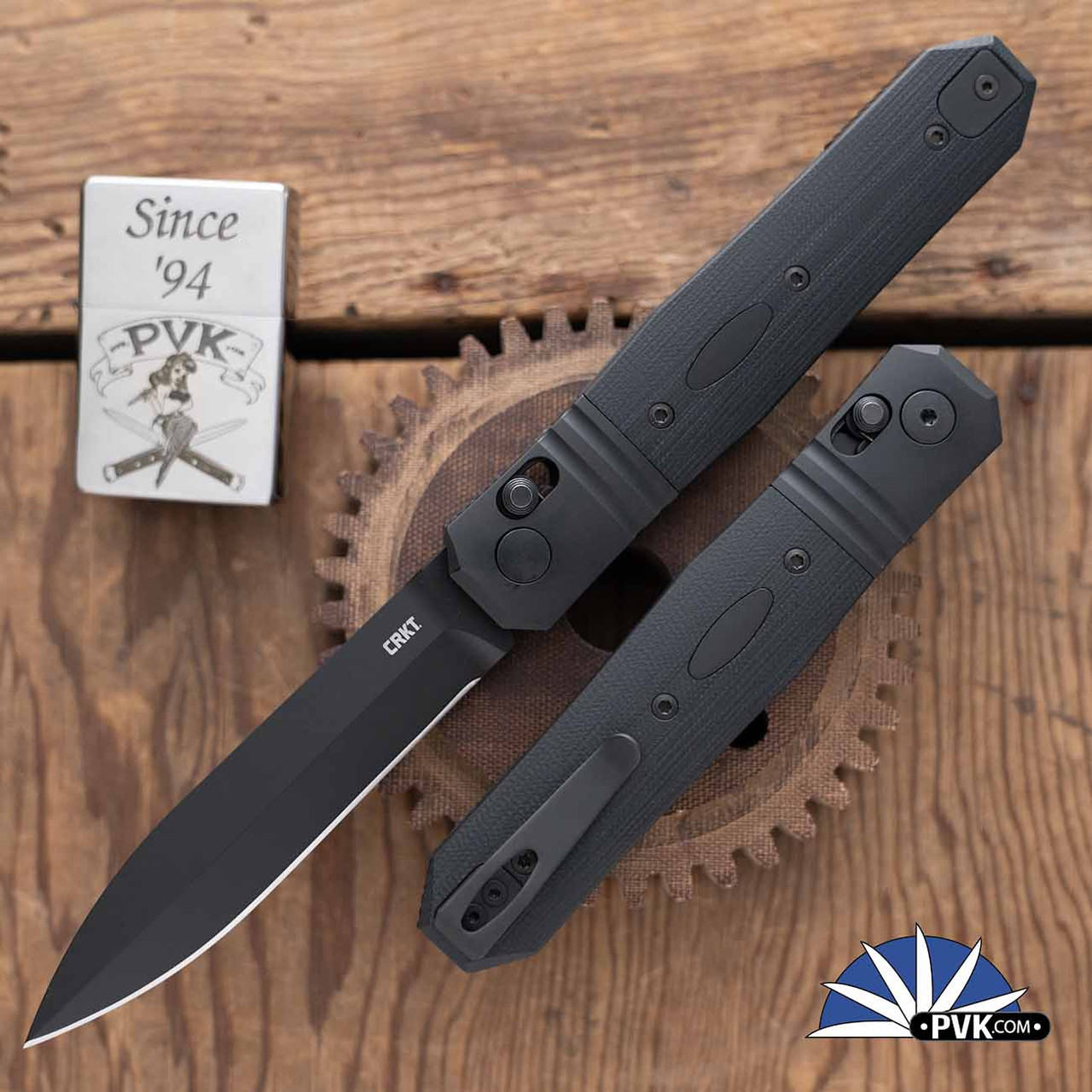
Collaborations That Bring Custom Knives to the Mass Market
One of CRKT’s biggest advantages is its collaborative design model. Instead of relying solely on in-house engineers, CRKT partners with elite custom knifemakers to bring high-end concepts to production-level pricing. This strategy gives users access to professional-grade design without the $200+ price tag.
Names like Kit Carson, Ken Onion, Jesper Voxnaes, Richard Rogers, and Flavio Ikoma have all shaped iconic CRKT models. The result? Knives like the Pilar, Squid, M16, and Redemption—tools that feel inspired by custom craftsmanship but are built for everyday use.
For example:
– Jesper Voxnaes’ Pilar is praised for its ergonomic grip, finger choil, and pommel swell—features typically found in high-end custom knives.
– Kit Carson’s M16 series helped popularize the flipper mechanism, now a standard in modern EDC knives.
– Ken Onion’s CEO and Homefront models blend sleek aesthetics with practical function.
This makes CRKT a gateway brand for new EDC enthusiasts who want serious design without overspending.
Patented Systems That Solve Real Problems
CRKT doesn’t just copy—it innovates. Several patented technologies improve usability, maintenance, and safety:
- IKBS (Ikoma Korth Bearing System): Ball-bearing pivots that deliver buttery-smooth deployment in models like the Fossil, No Time Off, and Squid.
- Field Strip Technology (FST): Allows full disassembly without tools, making the Homefront EDC ideal for cleaning in harsh environments.
- LAWKS / AutoLAWKS: A secondary safety lock that prevents accidental blade closure—found on the M16 and Razel.
- Crossbar Lock: An ambidextrous, gravity-assisted lock in the Redemption, offering secure blade lockup with a unique opening motion.
- Gravitic Flip™: A manual OTF (out-the-front) mechanism that uses gravity to assist blade deployment in select newer models.
These features show CRKT’s willingness to experiment and solve real-world problems, even if not all succeed commercially.
Blade Steel: The Achilles’ Heel of Many CRKT Knives

Budget Steels vs. Premium Upgrades
CRKT’s reputation largely hinges on its inconsistent steel selection. While some models use excellent steels, many rely on 8Cr13MoV—a budget Chinese stainless steel that’s easy to sharpen but lacks edge retention.
| Steel | Edge Retention | Corrosion Resistance | Common CRKT Models |
|---|---|---|---|
| 8Cr13MoV / 8Cr14MoV | Low-Moderate | Moderate | M16, Squid, CEO (base) |
| 14C28N (Sandvik) | Moderate-Good | High | Padawan |
| D2 Tool Steel | Very Good | Semi-stainless (needs care) | Pilar III, Montosa |
| Sandvik 12C27 | Moderate | High | Swindle (premium) |
| CPM MagnaCut | Excellent | High | Redemption (USA-made) |
The problem? CRKT often uses 8Cr13MoV in knives priced at $70–$100, making them overpriced relative to materials. For the same money, brands like Civivi or Kizer offer better steel (like S35VN or 12C27) and tighter tolerances.
The solution? Focus on models using D2, 14C28N, or MagnaCut—they deliver far better performance and longevity.
Handle Materials and Build Quality: Durable, But Inconsistent
CRKT uses a range of handle materials, from durable polymers to premium G10 and titanium:
- G10 (Montosa, Squid): Textured, grippy, and weather-resistant—ideal for wet or rough conditions.
- Titanium (MinimalX, Eros Premium): Lightweight, corrosion-resistant, and sleek—but adds cost.
- Zytel (M16): Tough polymer used in tactical models; cost-effective and impact-resistant.
- Micarta (Padawan, Razel): Natural composite with excellent grip and a premium feel.
- Aluminum (original Homefront): Lightweight but prone to pitting and corrosion when exposed to water.
While materials are generally appropriate for each model, fit and finish vary significantly. Some users report loose screws, uneven grinds, or extra IKBS bearings falling out—issues less common in competitors like Kizer or Benchmade.
Locking Mechanisms: Reliable Standards and Bold Experiments
Frame Lock and Liner Lock: Proven and Effective
CRKT uses standard locks well:
- Liner Lock (CEO, Padawan, Pilar): Simple, ambidextrous, and reliable for daily tasks.
- Frame Lock (Squid, Pilar III, MinimalX): Stronger than liner locks, with full handle contact—preferred for heavy use.
These are industry-standard systems and perform well when properly built.
Unique Locks: Innovation with a Learning Curve
- Crossbar Lock (Redemption): A gravity-operated, ambidextrous lock. Smooth and secure, but the opening motion (flicking the blade open) takes practice.
- LAWKS / AutoLAWKS (M16, Razel): A secondary safety that prevents accidental closure. Adds security but can slow one-handed closing.
While innovative, these systems aren’t for everyone. They add engineering flair but can feel gimmicky if not perfectly tuned.
What Real Users Say: Durability vs. Frustrations
Strengths That Stand Out
- Durability: Many users report long-term abuse without failure.
“My M16-T has been dropped, used on tape, cardboard, and rope—it still opens smoothly.”
- Ergonomics: The Pilar, Squid, and Montosa are praised for comfortable grip and finger choils.
- Ease of Maintenance: FST (Homefront) and IKBS make cleaning simple.
- Value: In the $30–$80 range, CRKT offers more design and function than most competitors.
Common Complaints
- “Overpriced for the steel”: Using 8Cr13MoV in $80 knives frustrates users.
- Loose pivots and screws: Some models need Loctite to keep screws tight.
- Corrosion in aluminum models: Original Homefront users report pitting after water exposure.
- Inconsistent QC: One user’s “perfect” Pilar might be another’s “wobbly blade.”
“CRKT designs are great, but the execution often feels rushed.” – KnifeForum user
Best CRKT Knives: Models That Deliver
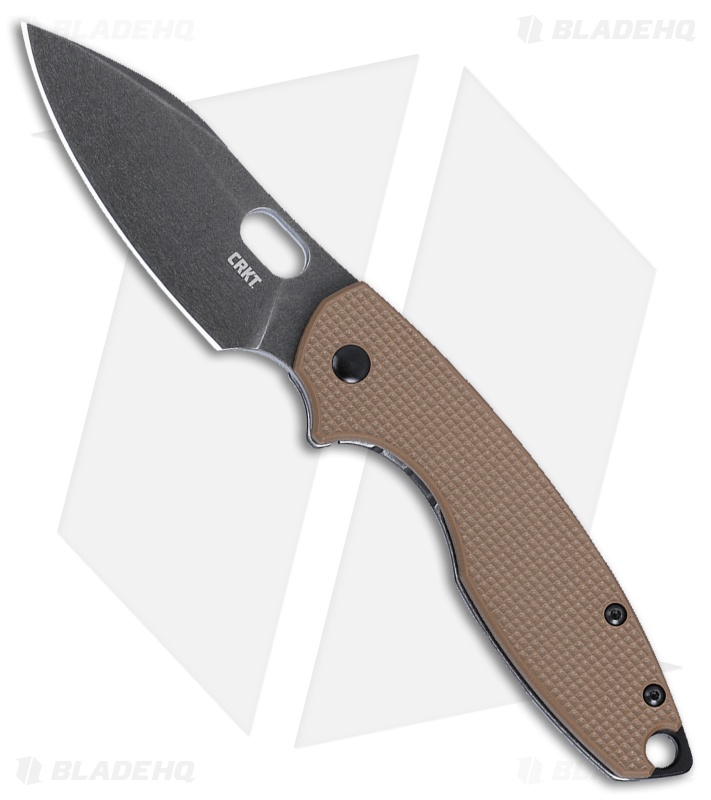
CRKT Pilar III (D2 Steel)
- Blade: 2.4″, sheepsfoot, D2 steel
- Lock: Frame lock
- Price: ~$60
- Why It’s Great: Excellent ergonomics, full finger choil, pommel swell, and strong edge retention. One of CRKT’s most recommended EDCs.
CRKT Padawan
- Blade: 3.01″, 14C28N
- Handle: Micarta over steel liners
- Price: $75
- Why It’s Great: Feels like a $150 knife. Premium materials, balanced design, and excellent fit.
CRKT Montosa
- Blade: Drop point, D2 steel
- Handle: G10 over steel
- Price: ~$80
- Why It’s Great: Smooth IKBS pivot, elegant look, competes with Spyderco PM2 at half the price.
CRKT M16 Series
- Blade: 3.1″, spear point
- Steel: 8Cr15MoV (base), 154CM (premium)
- Lock: Liner lock with LAWKS
- Why It’s Great: Legendary durability. The M16-01T (titanium) is a favorite for tactical carry.
CRKT Squid
- Blade: 2.16″, 8Cr14MoV
- Lock: Frame lock
- Price: $40
- Why It’s Great: Tiny but overbuilt. Perfect for jeans pocket carry.
CRKT Redemption (USA-Made)
- Blade: 4.06″, CPM MagnaCut
- Lock: Crossbar
- Price: $225
- Why It’s Great: CRKT’s premium flagship. First USA-made Ken Onion design. Top-tier steel, unique opening.
CRKT vs. Competitors: Where It Stands
| Brand | CRKT’s Advantage | Where It Falls Short |
|---|---|---|
| Kershaw | More innovative designs | Kershaw Cryo has tighter tolerances and better steel |
| Civivi / QSP | Stronger legacy | Civivi uses better steel at lower prices |
| Benchmade | Lower cost | Benchmade offers higher durability and resale value |
| Spyderco | More experimental features | Spyderco uses better materials and legendary reliability |
| Kizer | Lower entry price | Kizer offers better QC and steel in the $70–$100 range |
Bottom line: CRKT isn’t the best in materials or fit, but it’s among the best in design accessibility.
Final Verdict: Is CRKT a Good Knife Brand?
Yes—CRKT is a good knife brand, but not a great one.
It excels in design, innovation, and value, making it ideal for beginners, EDC users, and those who love unique tools. Models like the Pilar III, Padawan, and Montosa deliver performance far above their price.
However, inconsistent materials, fit issues, and overpricing in mid-tier models hold it back. If you prioritize steel quality and flawless build, brands like Civivi, Kizer, or Benchmade may serve you better.
Bottom Line
CRKT is a solid choice if you:
– Want innovative design at a fair price
– Need a durable, functional EDC
– Are okay with some quality variance
Skip CRKT if you:
– Demand premium materials across the board
– Hate tinkering with loose screws or maintenance
Final Tip: Pick the right model, avoid 8Cr13MoV, and buy on sale—and you’ll get a knife that’s far more capable than its price suggests.