You just bought your first folding knife or found one in your pocket and aren’t quite sure how to open it—let alone close it—without cutting yourself. You’re not alone. Every year, thousands of people mishandle folding knives, not because they’re careless, but because they lack clear, practical guidance. Knowing how to use a folding knife properly isn’t just about convenience—it’s about safety, control, and confidence in everyday tasks.
This guide breaks down exactly how to open, close, carry, and maintain a folding knife—step by step. Whether you’re using a basic pocket knife or a high-end EDC (everyday carry) model with an assisted opener, you’ll learn the right techniques to avoid injury, ensure reliability, and extend your knife’s life. You’ll understand why the “blood triangle” is critical, how to disengage a liner lock correctly, and why never to force the blade shut. By the end, you’ll know not just how to use a folding knife—but how to use it safely every single time.
Identify All Critical Parts of Your Folding Knife
Before you even touch the blade, you need to know what each part does. Misidentifying components leads to mistakes—especially when closing the knife.
Must-Know Components for Safe Operation
- Blade: The working edge, typically made of stainless or tool steel. Comes in clip point, drop point, or tanto shapes.
- Point: The sharp tip—this is where most accidental punctures happen. Keep it pointed away from your body.
- Spine: The thick, unsharpened back of the blade. Use this to apply downward pressure during cutting tasks.
- Handle: Gripped in your hand. Materials include G10, aluminum, and carbon fiber—each offering different grip and durability.
- Pivot: The central screw that allows the blade to rotate. It must be tight but smooth.
- Thumb Stud / Flipper / Thumb Hole: One-handed opening aids. Know which your knife uses before attempting deployment.
- Liner Lock: A spring-loaded metal strip inside the handle that locks the blade open. Must be manually disengaged to close.
- Pocket Clip: Keeps the knife secure in your pocket. Can be reversed for left- or right-hand carry.
What Is the Blood Triangle—and Why It Matters
The “blood triangle” is the dangerous zone formed by the blade’s point and the sharp edge leading up to it. If your hand slips during use, this area can cause deep lacerations to your fingers or palm. Always position the knife so this triangle faces away from your body and free hand. Never rest your thumb near the edge or point during cutting.
Open the Blade Without Risk
Opening a folding knife incorrectly can lead to slips, cuts, and damaged mechanisms. Use the right method for your knife’s design.
Choose the Correct Opening Technique
Most folding knives fall into one of three manual opening types:
Thumb Stud Deployment
Place your thumb firmly on the thumb stud and push upward in one smooth motion. Let the detent (a small ball-bearing resistance) release naturally. The blade should snap fully open with a click.
Flipper Tab Method
Hook your index finger or thumb over the flipper tab at the base of the blade. Flick it outward quickly—the momentum will swing the blade open. Ideal for gloves or wet conditions.
Thumb Hole Opening
Common on Swiss Army knives. Insert your thumb into the thumb hole and push upward until the blade locks into place.
✅ Pro Tip: Always open your knife with the blade pointing away from your body and others. Practice in front of a mirror to build muscle memory.
Using Assisted Opening Safely
Knives with assisted opening use a spring to accelerate the blade after you start the motion. These open faster than manual models but still require user input—they are not switchblades. Never attempt to modify your knife to open automatically; this may violate local laws.
After initiating the opening motion:
– Let the blade fly open completely.
– Do not guide it with your other hand—this is a leading cause of fingertip cuts.
– Wait for the full audible click before use.
Confirm the Lock Is Fully Engaged
Never use a folding knife unless the blade is locked open. To test:
– Listen for the distinct click during opening.
– Gently try to close the blade with your fingers—if it doesn’t budge, the lock is secure.
– If the blade wobbles or closes easily, do not use it. The mechanism may be worn or damaged.
Close the Knife Without Cutting Yourself

Most folding knife injuries occur during closure, not use. Learn the correct sequence to avoid lacerations.
Step-by-Step: How to Close a Folding Knife Safely
1. Disengage the Liner Lock
This is the most overlooked step. On most EDC knives:
– Use your non-dominant thumb to push the lock bar to the side (toward the opposite handle).
– You’ll feel it release from behind the blade tang.
– If it’s stiff, clean and lubricate it—never force it.
2. Fold the Blade with Your Index Finger
Once unlocked:
– Place your index finger on the spine—never the edge.
– Gently guide the blade down into the handle.
– Keep all other fingers clear of the pivot and cutting edge.
3. Confirm Full Closure
- The blade should sit flush with the handle.
- Try to open it again with your thumb—if it doesn’t move, it’s secure.
- The lock bar should snap back into its resting position.
⚠️ Critical Warning: Never snap the blade shut or close it near your face. A misdirected finger can result in a serious injury.
Master the Liner Lock Mechanism
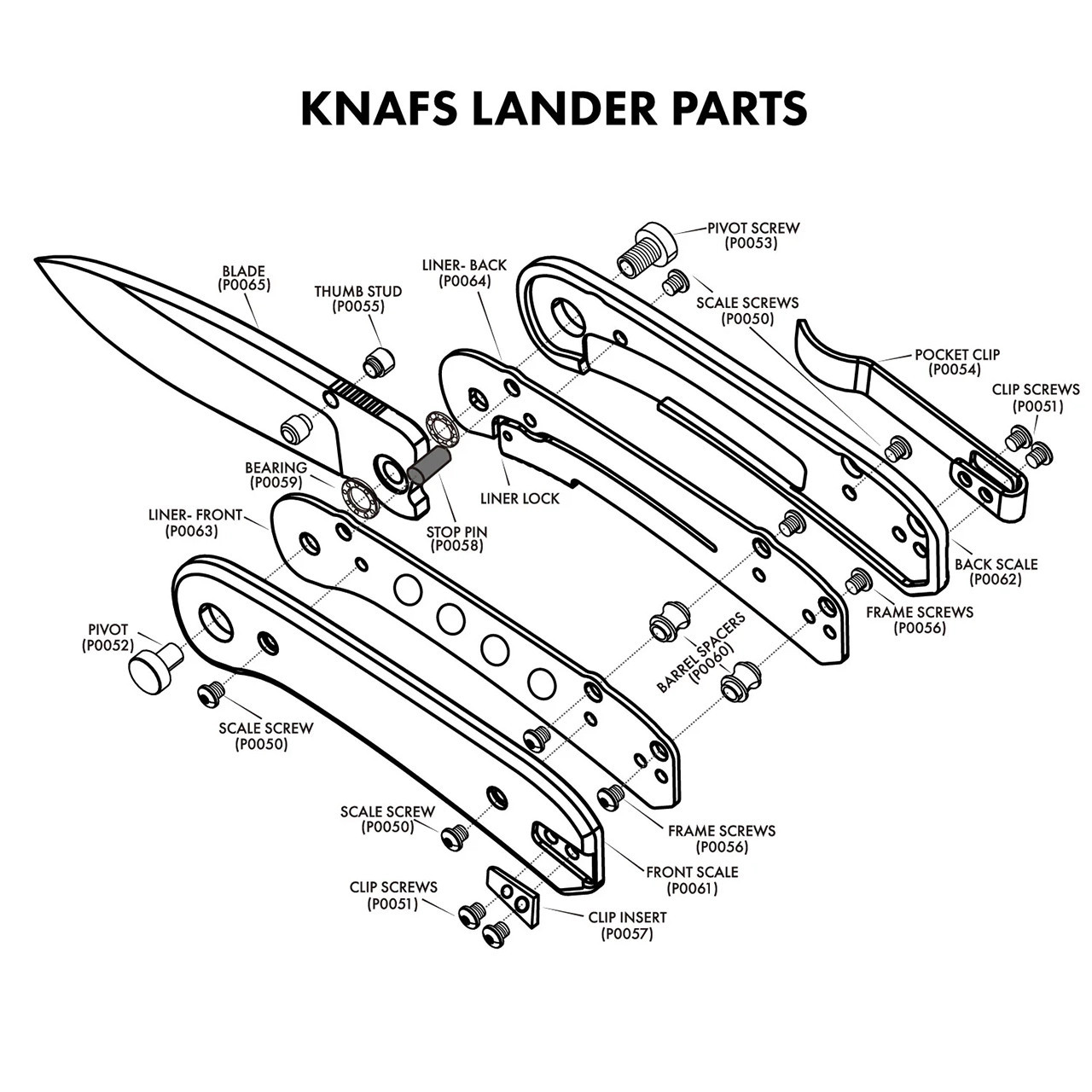
The liner lock is the most widely used locking system in modern folding knives. Understanding it prevents frustration and accidents.
How a Liner Lock Functions
When the blade opens, a thin metal liner slides under spring tension into position behind the blade’s tang. This prevents the blade from folding during use. To close:
– Push the liner laterally to disengage it.
– The blade is then free to fold.
Common Liner Lock Mistakes
- Assuming it’s broken when it won’t close – Many require a slight side-to-side wiggle before the lock releases.
- Using excessive force – This can damage the lock bar or pivot.
- Closing with the lock still engaged – This wears out the mechanism and risks injury.
💬 User Experience: “I thought my knife was broken because I couldn’t close it. Then I realized I had to move the metal piece to the side first.” This is normal—especially in new or tight knives.
Follow These Safety Rules Every Time
A folding knife is a precision tool, not a toy. These rules prevent injury and build safe habits.
Essential Safety Practices
- Cut away from your body—always.
- Keep your free hand clear—never “catch” the material being cut.
- Use one hand only—never both hands on the knife during cutting.
- Never place your thumb on the blade—a slip can sever tendons in your thumb pad.
- Inspect the lock before every use—if loose, wobbly, or sticky, don’t use it.
Avoid These Dangerous Habits
- ❌ Closing the knife with your palm in the blade’s path
- ❌ Forcing a stuck blade shut
- ❌ Using the knife as a screwdriver, pry bar, or hammer
- ❌ Carrying it loose in a pocket with keys pressing on the blade
⚠️ Critical Rule: Never use a knife with a faulty or damaged lock. A blade that closes unexpectedly can cause permanent hand injury.
Carry and Store Your Knife Properly
How you carry your knife affects both safety and longevity.
Use the Pocket Clip Correctly
- Attach the knife blade-down for safer draw and reduced risk of accidental opening.
- Choose tip-up for faster access (ideal for right-handers).
- Ensure the clip is tight—no rattling or wobbling in your pocket.
Prevent Accidental Deployment
- Avoid loose pockets with coins or keys that can press against the blade.
- Choose knives with strong detents to resist unintentional opening.
- Store in a sheath or pouch if carrying in a bag.
Maintain Your Knife for Long-Term Reliability
A clean, well-lubricated knife performs better and lasts longer.
Monthly Maintenance Routine
- Wipe the blade after each use to prevent corrosion.
- Clean the pivot with a soft brush or toothpick to remove lint and debris.
- Apply light lubricant (e.g., Tri-Flow, Tuf-Glide) to the pivot and lock bar.
- Open and close the knife 10–15 times to distribute the oil.
Inspect for Wear and Damage
Check monthly for:
– Blade wobble—indicates a loose pivot or worn bearing.
– Lock stickiness—clean and lubricate if not engaging smoothly.
– Cracks or corrosion—especially on aluminum handles or lock bars.
✅ Pro Tip: Most quality brands (Benchmade, Spyderco, Kershaw) offer lifetime warranties on defects. Keep your receipt.
Use Your Knife for Everyday and Outdoor Tasks
Now that you know how to use it safely, apply your skills to real-world tasks.
Everyday Carry (EDC) Uses
- Open packages and boxes
- Cut tape, zip ties, or rope
- Trim loose threads or frayed fabric
- Prepare food on the go
Outdoor and Survival Applications
- Whittle sticks for fire tinder
- Cut paracord or repair gear
- Prepare meals while camping
- Sharpen pencils or stakes
✅ Best Practice: Pair your folding knife with a fixed blade for heavy-duty bushcraft tasks.
Troubleshoot Common Problems
Even well-maintained knives can develop issues. Fix them early.
Blade Won’t Open Smoothly
- Cause: Dry pivot or weak detent
- Fix: Clean and lubricate. If still stiff, it may need professional service.
Knife Feels Loose or Wobbly
- Cause: Loose pivot screw
- Fix: Tighten with the correct tool. If wobble persists, contact the manufacturer.
Lock Bar Sticks or Won’t Release
- Cause: Dirt or lack of lubrication
- Fix: Clean with isopropyl alcohol, apply lubricant, and cycle the blade 20–30 times.
⚠️ Never disassemble the pivot unless you’re trained. Improper reassembly can ruin the knife.
Final Tips for Safe, Confident Use
- Practice at home until opening and closing feel automatic.
- Respect the tool—a folding knife can be dangerous if misused.
- Replace damaged parts immediately—don’t “make do” with a faulty lock.
- Teach others safely—especially young users.
“Stay sharp. Stay safe. Stay ready.”