You’ve seen the scene in action movies: a hero takes a knife to the chest, stumbles back, and reveals a hidden vest—unharmed. It’s a powerful image, but in real life, can Kevlar stop a knife? The answer isn’t a simple yes or no. Standard Kevlar vests designed for bullets often fail against knives, but specialized stab-resistant Kevlar armor can effectively stop edged weapons—if it’s built and certified for that exact threat.
Kevlar, the ultra-strong synthetic fiber invented by DuPont, is five times stronger than steel by weight and a cornerstone of modern ballistic protection. It excels at stopping high-speed bullets by spreading their kinetic energy across tightly woven layers. But knives don’t behave like bullets—they cut, slice, and pierce with focused, slow-moving force. That’s why a vest that stops a 9mm round might be sliced open by a kitchen knife.
The key difference lies in design. Stab-resistant Kevlar vests are engineered differently: with tighter weaves, added materials, and specific certifications to counter cutting and puncturing. This guide breaks down the science, the standards, and the real-world performance of Kevlar against knives. Whether you’re in law enforcement, security, or simply evaluating personal protection, understanding these distinctions could mean the difference between life and death.
Ballistic vs. Stab-Resistant Armor: Two Completely Different Threats
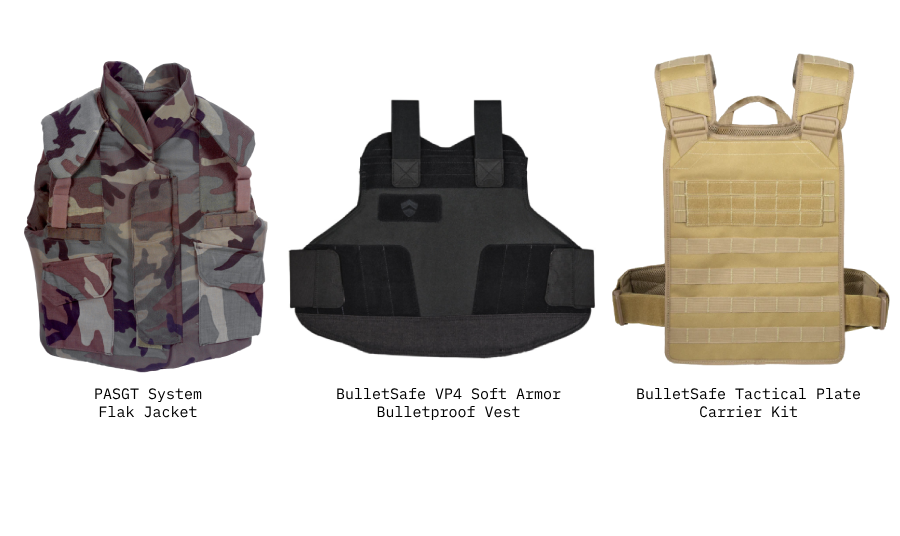
Why Bulletproof Doesn’t Mean Knife-Proof
Ballistic and stab-resistant armor are built for entirely different dangers. Ballistic vests stop bullets by using layers of high-tensile fibers like Kevlar to deform and slow projectiles. The impact is fast and broad, and the vest absorbs energy like a net catching a baseball.
But knives don’t rely on speed—they use pressure and precision. A sharp blade applies concentrated force to a tiny area, severing fibers instead of stretching them. Standard ballistic Kevlar is vulnerable to this shear stress, allowing a knife to cut through like scissors through fabric.
🔍 Pro Tip: If your biggest threat is close-quarters attacks with edged weapons—common in nightlife, corrections, or urban environments—a bulletproof vest won’t protect you. You need stab-resistant armor.
How Stab-Resistant Armor Works Differently
Stab-resistant vests don’t just absorb energy—they trap, blunt, or resist cutting. Instead of relying on fiber stretch, they use:
- Denser layering to reduce gaps.
- Stiffer materials to resist penetration.
- Specialized weaves that prevent blades from slipping between fibers.
These vests allow limited blade penetration—enough to prevent injury but not deep enough to reach vital organs. This design is acceptable for knives but would be fatal for bullets, which is why you can’t use one type of armor for both threats without proper certification.
Why Standard Kevlar Vests Fail Against Knives
The Cutting Weakness of Kevlar Fibers
Kevlar’s strength lies in tensile resistance—its ability to withstand pulling forces. That’s perfect for bullets. But when a sharp knife applies shear force, it slices through individual fibers. Unlike a bullet, which crushes and spreads, a knife cuts cleanly, bypassing Kevlar’s main defense.
📌 Lab Test Insight: Standard folding knives have cleanly cut through multiple layers of ballistic Kevlar in controlled tests, proving that sharp blades can defeat “bulletproof” vests.
Thin Blades Are More Dangerous Than You Think
Contrary to intuition, thinner blades penetrate deeper in soft armor. A kitchen knife or ice pick focuses force on fewer fibers, reducing friction and increasing cutting efficiency. A dull, thick blade may deform the vest, but a razor-sharp, narrow one can slip between Kevlar strands.
💡 Expert Insight: “A light, sharp blade with minimal force can outperform a heavy knife in penetrating soft armor—design matters more than brute strength.”
How Stab-Resistant Kevlar Actually Stops Knives
Reinvented Kevlar: More Than Just Extra Layers
Stab-resistant Kevlar isn’t just thicker—it’s re-engineered. It uses the same durable fibers but enhances them with:
- Tighter weave patterns to eliminate gaps.
- Resin coatings that stiffen fibers and resist cutting.
- Hybrid materials like Dyneema, UHMWPE, or steel mesh for added protection.
These vests don’t just block—they catch or blunt the blade tip, preventing deep penetration. The goal isn’t to stop the knife cold, but to limit penetration to a non-lethal depth (typically under 20mm).
✅ Real-World Use: Prison guards and UK police officers wear stab-resistant vests daily, protecting against shanks, broken glass, and syringes in high-risk environments.
NIJ Stab Resistance Levels: The Gold Standard

Know the Ratings That Matter
The National Institute of Justice (NIJ) sets the benchmark for stab and spike resistance. Always look for these certifications:
| Level | Edged Weapon Energy | Protection Level |
|---|---|---|
| Stab Level 1 | Up to 17.7 ft-lbs | Low-force attacks (e.g., slashing) |
| Stab Level 2 | Up to 24.3 ft-lbs | Moderate threats (common in law enforcement) |
| Stab Level 3 | Up to 31.7 ft-lbs | Maximum protection (high-risk roles) |
📏 1 foot-pound = energy to lift 1 pound 1 foot. Higher numbers mean better protection.
Spike ratings (for ice picks, needles) follow the same levels. Ballistic ratings (like Level IIIA) do not guarantee knife protection—only NIJ-certified stab-resistant armor ensures real defense.
Dual-Threat Armor: Protection Against Both Bullets and Knives
The Best of Both Worlds
Modern dual-threat vests combine ballistic and stab resistance. They feature:
- Ballistic panels (e.g., NIJ Level IIIA) to stop handgun rounds.
- Stab-resistant layers to block knives and spikes.
These vests use Kevlar + Dyneema + polyethylene blends and must pass both ballistic and stab tests to earn certification.
🛡️ Example: A dual-certified vest can stop a .44 Magnum and a 24.3 ft-lb knife thrust—ideal for unpredictable environments.
Trade-Offs to Consider
- Heavier and bulkier than single-threat vests.
- More expensive ($400–$1,200+).
- Not invincible—repeated stabs in one spot can compromise protection.
⚠️ Warning: No armor is 100% effective. Always assume risk reduction, not elimination.
Can Kevlar Stop Your Knife? Performance by Blade Type

| Knife Type | Stopped by Kevlar? | Notes |
|---|---|---|
| Kitchen knife | ❌ Ballistic vest ✅ Stab vest |
Sharp edge cuts through standard Kevlar |
| Switchblade / dagger | ❌ Ballistic ✅ Stab-rated |
Force and angle matter |
| Serrated blade | ⚠️ Reduced chance | Teeth increase cutting efficiency |
| Ceramic or titanium blade | ❌ High risk | Hard materials can damage fibers |
| Ice pick / spike | ❌ Ballistic ✅ Spike-rated vest |
Requires specialized protection |
🧪 Lab Insight: Tests use standardized blades and forces to simulate real attacks—certification ensures real-world reliability.
Who Actually Needs Stab-Resistant Kevlar?
High-Risk Roles That Rely on Knife Protection
- Prison guards: Face homemade shanks and needles.
- Nightclub bouncers: Deal with improvised weapons from intoxicated attackers.
- UK police: Knife crime drives standard issue of stab vests.
- Security personnel: In close-contact roles, knives are a bigger threat than guns.
📌 User Profile: If your job involves physical altercations, stab-resistant armor is essential.
Civilian Use: Discreet Protection for Everyday Safety
Lightweight, concealable stab-resistant vests are available for civilians in high-crime areas. They’re NIJ-certified, breathable, and designed for daily wear.
💬 User Feedback: Many report increased confidence, though some note discomfort due to limited airflow during long wear.
Risks and Limitations of Kevlar Knife Protection
No Vest Is Stab-Proof
Even top-tier armor has limits. A sharp, forceful, or repeated attack can penetrate. After any suspected stab, replace the vest immediately—internal damage may not be visible.
Degradation Over Time
Kevlar weakens from:
– Moisture
– UV exposure
– Folding or creasing
– Age
Most manufacturers recommend replacement every 5 years, or sooner if damaged.
Fit Is Non-Negotiable
A loose or poorly positioned vest leaves gaps. Coverage of vital organs and secure fit are critical. If it shifts during a struggle, it won’t protect you when it matters.
Best Materials for Knife Resistance: A Comparison
| Material | Knife Resistance | Weight | Flexibility | Best For |
|---|---|---|---|---|
| Kevlar | Moderate | Light | High | Soft, concealable vests |
| Dyneema / UHMWPE | High | Very light | High | Cut-resistant layers |
| Ceramic | High (with backing) | Medium | Low | Hard plates |
| Steel mesh | Very High | Heavy | Low | Maximum protection |
| Hybrid composites | Highest | Variable | Medium | Multi-threat roles |
✅ Best Choice: For maximum protection, choose multi-material systems like Kevlar + Dyneema + steel mesh.
How Armor Is Tested: The Science Behind the Certification
NIJ Testing Protocols
- Stab tests: Simulated knife thrusts with standardized blades at set energy levels.
- Spike tests: Needle-like probes to mimic syringes or ice picks.
- Repeated strikes: Some tests check durability after multiple attacks.
These ensure vests meet real-world performance standards.
Bonus: Blunt Force Protection
Many stab-resistant vests also reduce blunt trauma from punches, kicks, or batons. The layered construction absorbs impact, protecting ribs and internal organs.
Cost and Where to Buy Reliable Knife-Resistant Armor
Price Range
- Stab-resistant vests: $150–$500
- Dual-threat vests: $400–$1,200+
- Custom/tactical models: Higher
Where to Buy
- Law enforcement suppliers
- Tactical gear stores
- Online: Amazon, SafeGuard Armor, Spartan Armor Systems
💬 Buying Tip: Always verify NIJ certification labels—avoid “tactical-style” vests that offer no real protection.
Final Verdict: Can Kevlar Stop a Knife?
✅ Yes—If…
- The vest is specifically designed for stab resistance.
- It has an NIJ Stab or Spike Rating (Level 1–3).
- It includes enhanced materials like Dyneema or steel mesh.
- It’s properly worn, maintained, and replaced after impact.
❌ No—If…
- It’s a standard ballistic-only vest.
- The knife is sharp, thin, and forceful.
- The vest is worn out, poorly fitted, or uncertified.
🎯 Bottom Line: Kevlar alone isn’t knife-proof. But in a properly designed, certified stab-resistant vest, it can save your life.
How to Choose the Right Protection
- Assess Your Threat Level: Guns or knives? In most civilian and security roles, knives are the greater risk.
- Check for NIJ Certification: Look for Stab Level 1–3 or Spike Rating—not ballistic labels.
- Prioritize Fit and Comfort: A vest you won’t wear is no protection at all.
- Replace After Any Impact: Even if it looks fine, internal fibers may be compromised.
- Consider Dual-Threat Armor: For unpredictable environments, dual-certified vests offer the broadest defense.
🛡️ Final Thought: Matching your armor to the threat saves lives. If knives are the danger, don’t trust a bulletproof vest—choose certified, stab-resistant protection.