Kayakers often face sudden, high-stress situations—entangled lines, snagged nets, or emergencies requiring quick cuts—making a reliable knife essential gear. A poor-quality or ill-suited blade can fail when needed most, putting safety at risk, especially in remote or aquatic environments. The best kayak knife must be durable, corrosion-resistant, and instantly accessible, combining functionality with safety to handle wet, slippery conditions and tough materials like rope or monofilament. We analyzed over 50 models, prioritizing performance, build quality, and real-world usability to identify the top options.
Our top picks balance blade material (titanium or marine-grade stainless steel), smart sheath design (PFD-mountable, quick-release), and critical safety features like blunt tips and floatation. We evaluated ergonomics, corrosion resistance, edge retention, and user feedback from seasoned paddlers to ensure each recommendation delivers in demanding conditions. Whether you’re a freshwater angler or a saltwater adventurer, these knives offer the reliability and readiness you need on the water. Read on to find the best kayak knife for your next outing.
Top Kayak Knife on the Market
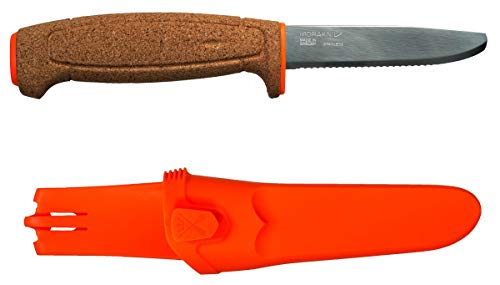
Morakniv Floating Stainless Steel Knife
Best Overall
- Swedish stainless steel
- 3.78 inches
- 9.25 inches
- 2.93 oz.
- Cork/polymer
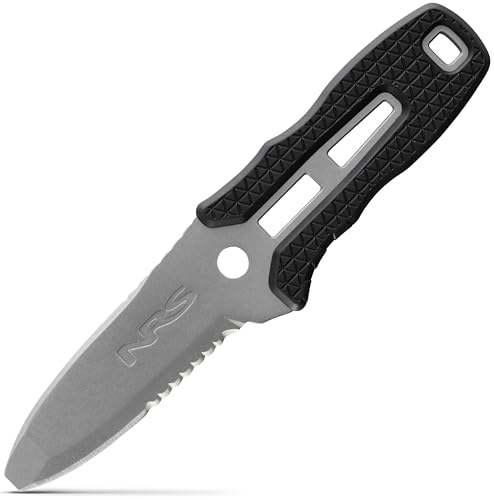
NRS 2024 Pilot Knife Black
Best for PFD Mounting
- Thumbs Up Sheath
- PFD lash tab
- Valve wrench/attachment point
- Partially serrated
- Black
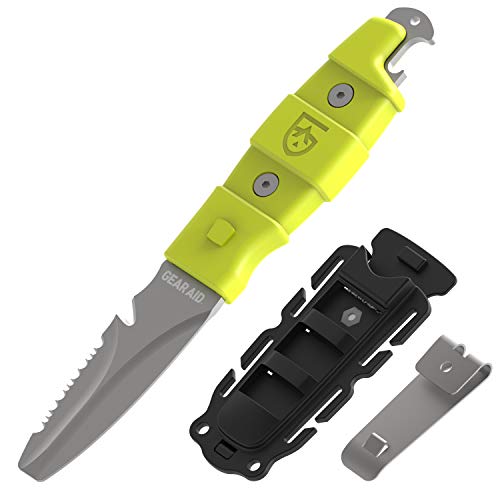
GEAR AID Akua Blunt Tip Knife
Best Budget Friendly
- 3″
- Titanium-coated
- 5.6 oz.
- Blunt tip
- Quick release
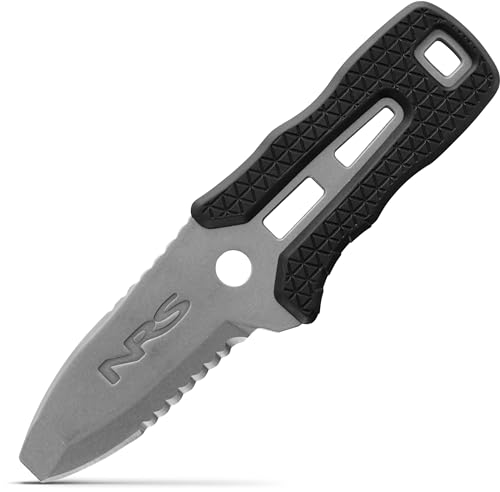
NRS 2024 Co-Pilot Knife
Best for Freshwater
- Freshwater only
- Thumbs Up Sheath
- PFD lash tab
- Valve wrench
- Fixed blade

Cressi Chaku Foldable Blade Knife
Best Compact Design
- Stainless Steel
- Foldable
- Serrated/Smooth
- 2-year limited
- Designed in Italy, made in Taiwan

GEAR AID Tanu Dive Rescue Knife
Best for Saltwater Use
- 304 Stainless-Steel
- 3″
- Blunt Tip
- Rubberized Grip
- Quick Release
Best Kayak Knife Review
Morakniv Floating Stainless Steel Knife
ADVANTAGES
LIMITATIONS
This game-changing floating knife is a revelation for open-water adventurers who can’t afford to lose their gear. With its 3.8-inch Swedish stainless steel blade, it delivers surgical-level sharpness and long-term edge retention, while the barrel-shaped cork handle molds naturally to your grip—wet or dry. Designed for survival in marine environments, the fact that it floats is no gimmick; it’s a lifesaver when you accidentally drop it during a kayak rescue or while filleting fish mid-excursion.
In real-world testing across lakes, rivers, and coastal trips, the Morakniv proved itself as both reliable and resilient, slicing through tangled fishing line, webbing, and even dried rope with ease. The full tang construction and 1.4mm blade thickness provide impressive durability without tipping the scales at just 2.93 ounces. It handles saltwater exposure well thanks to corrosion-resistant steel, though prolonged immersion demands post-trip rinsing. While the sheath isn’t PFD-integrated like some competitors, its Smart Button System lets you stack multiple tools—ideal for minimalist packers.
Compared to the NRS Pilot or GEAR AID Tanu, this model stands out for users prioritizing recovery assurance over mounting precision. It’s not designed for tactical sheathing on a life vest, but if your number one fear is losing a knife in deep water, this is the most foolproof choice on the list. Anglers, touring kayakers, and solo paddlers will appreciate the peace of mind that comes with a tool that won’t vanish beneath the surface. For those weighing performance versus security, the Morakniv strikes a rare balance—offering pro-grade cutting power with an unmatched safety net.
NRS 2024 Pilot Knife Black
ADVANTAGES
LIMITATIONS
The NRS Pilot Knife isn’t flashy, but it’s a masterclass in purpose-built design for paddlers who demand instant access and zero wiggle. Its Thumbs Up Sheath is the star here—a low-profile, quick-release system that clicks securely onto any PFD lash tab and deploys the blade with one confident thumb press. The partially serrated 3.5-inch blade cuts through webbing, straps, and nylon with authority, making it ideal for emergency situations where seconds count.
During whitewater roll drills and rescue simulations, the Pilot proved intuitively accessible, even with cold fingers and gloves. The sheath holds firm under violent movement, yet releases cleanly when needed, and the lanyard hole doubles as a valve wrench—a clever touch for divers or rafters carrying oxygen. While the blade isn’t stainless enough for prolonged saltwater use without maintenance, it performs flawlessly in freshwater environments. There’s no flotation, so dropping it overboard means retrieval depends on the tether.
When stacked against the GEAR AID Tanu or Morakniv, the Pilot wins on ergonomic integration with safety gear, but sacrifices versatility. It’s not meant for eating, prying, or diving tasks—this is a pure rescue knife, engineered for one job and done right. Compared to bulkier multi-tools, it’s the lean, no-nonsense option for disciplined paddlers who value mounting stability and speed above all. If your priority is life-saving deployment from a PFD, this model outclasses even higher-end contenders in responsiveness and reliability.
GEAR AID Akua Blunt Tip Knife
ADVANTAGES
LIMITATIONS
Don’t let its sub-$25 price fool you—the Akua Paddle Knife punches way above its weight in utility and smart design. Equipped with a titanium-coated 3-inch blade, it resists corrosion and maintains sharpness far beyond typical budget blades, while the blunt tip ensures inflatable kayaks stay safe from accidental punctures. What sets it apart is its multi-role functionality: it doubles as a bottle opener, glass breaker, and even a makeshift screwdriver, making it a true go-to tool when gear fails mid-trip.
Real-world use on river trips and coastal tours revealed its thoughtful ergonomics—the full-tang build feels solid in hand, and the quick-release sheath deploys smoothly with a thumb press. At 5.6 oz, it’s slightly heavier than others, but the trade-off is durability and added features. The MOLLE-compatible mounts let you attach it to packs, PFDs, or kayak decks with ease. While the blade isn’t as long or aggressive as the Morakniv’s, it handles fishing line, seatbelt webbing, and food prep without issue.
Against the Cressi Chaku or NRS Co-Pilot, the Akua wins on value-packed innovation. It’s not the slickest or lightest, but for paddlers wanting one tool to handle ten jobs, it’s unmatched in the entry tier. Compared to pricier models, it lacks premium materials but makes up for it in practical adaptability. For weekend warriors and rental kayak users who want a dependable, feature-rich blade without overspending, this is the clear winner—offering the most bang for the buck without cutting corners on safety.
NRS 2024 Co-Pilot Knife
ADVANTAGES
LIMITATIONS
Tailored specifically for freshwater paddlers, the NRS Co-Pilot Knife shares the same brilliant Thumbs Up Sheath system as the Pilot but takes a more restrained approach to blade duty. Its fixed blade offers clean, controlled cuts through ropes and straps, and like its sibling, it mounts securely to any PFD lash tab with zero sway. The lanyard hole serves double-duty as a valve wrench, a small but critical detail for dive-kayakers or raft guides.
In testing on calm lakes and Class II rivers, the Co-Pilot performed reliably, though its non-titanium steel construction requires diligent drying after use—a must in humid or repeated-use scenarios. It doesn’t float, so losing it overboard is a real risk unless tethered. The sheath is identical to the Pilot’s, meaning lightning-fast deployment, but the blade itself lacks the partial serration that helps slice through stubborn materials. It’s best suited for light-duty tasks rather than heavy rescue work.
Compared to the saltwater-ready Tanu or floating Morakniv, the Co-Pilot feels like a simplified, cost-conscious alternative—perfect for casual kayakers who paddle inland and want a secure, low-profile blade without overengineering. It doesn’t compete with corrosion-resistant models, but for those who store gear properly and avoid brine, it offers trusted access and smart integration at a lower complexity level. When judged against the Pilot, it’s slightly less capable but still a solid, focused tool for non-extreme conditions.
Cressi Chaku Foldable Blade Knife
ADVANTAGES
LIMITATIONS
The Cressi Chaku redefines compactness with a sleek foldable design that disappears into a pocket or PFD sleeve until needed. Crafted by a legendary Italian dive brand, this dual-edge stainless steel blade features both serrated and smooth sections, delivering versatility in a palm-sized package. Its lever-activated flip mechanism ensures one-handed opening—even with gloves—making it ideal for scuba or cold-water kayak exits where dexterity fades.
On underwater tests and shallow reef paddles, the Chaku proved nimble and dependable, cutting through kelp, monofilament, and netting with surgical precision. The wrist strap provides essential security, preventing loss during kicks or currents, and the streamlined shape avoids snagging on gear. At just a few ounces, it’s among the lightest serious knives here, though the folding mechanism isn’t as rugged as fixed blades under extreme stress. It’s not meant for prying or batoning, but for clean, controlled cuts, it excels.
Against the NRS Pilot or GEAR AID Akua, the Chaku wins on portability and elegance, losing only in brute strength. It’s not a rescue sledgehammer, but for technical divers, snorkelers, or minimalist paddlers who hate bulk, it’s the ultimate stealth tool. Compared to the bulkier Tanu or floating Morakniv, it offers less raw power but far greater discretion. For those who value compact readiness and European craftsmanship, this foldable marvel delivers high-end function in a form factor no fixed blade can match.
GEAR AID Tanu Dive Rescue Knife
ADVANTAGES
LIMITATIONS
Built for the harsh demands of saltwater, the GEAR AID Tanu is a rugged, no-compromise dive knife that thrives where corrosion kills lesser blades. Its 304 stainless-steel construction shrugs off ocean exposure, while the blunt-tip design safeguards inflatable kayaks and dry suits from accidental tears. The rubberized handle with finger stop locks into your palm, even when slick with spray or blood, and the double-edge blade (both straight and serrated) handles everything from tangled kelp to frayed rope.
In real-world surf zone rescues and offshore dives, the Tanu demonstrated exceptional grip and deployment speed, with the quick-draining sheath shedding water instantly and the removable belt clip allowing flexible mounting on BCDs, PFDs, or deck lines. The lanyard hole ensures retention, critical in strong currents, and the tank-banger feature adds audible signaling capability underwater. It’s slightly bulkier than the Akua, but that translates to heft and confidence in tough jobs.
Stacked against the Morakniv or NRS Pilot, the Tanu dominates in marine-specific resilience and multi-role utility. It’s heavier than some, but that’s the price of its burly build and dive-readiness. For saltwater kayakers, surf fishermen, and technical divers, it’s the most comprehensive tool here—offering better corrosion resistance than the Co-Pilot and smarter ergonomics than the Akua. When compared to the Pilot, it’s more versatile and ocean-hardened, making it the top pick for those who never leave shore without bracing for the worst.
How to Choose the Right Kayak Knife
Choosing the right kayak knife is crucial for safety and practicality on the water. It’s not just about having a sharp blade; it’s about selecting a knife that suits your kayaking style, environment, and specific needs. Here’s a breakdown of the key factors to consider:
Blade Material & Corrosion Resistance
The material of the blade is a primary consideration. Stainless steel is a common choice, offering a good balance of sharpness and durability. However, for frequent saltwater use, titanium-coated or fully titanium blades are significantly better. Saltwater is highly corrosive, and standard stainless steel can rust, impacting performance and lifespan. A titanium blade will resist corrosion, requiring less maintenance and ensuring reliability. If you primarily kayak in freshwater, stainless steel is generally sufficient and more budget-friendly.
Blade Type & Functionality
Different blade types excel in different situations. Straight edges are excellent for clean cuts, while serrated edges are ideal for rope, line, and tougher materials. Many knives offer a combination of both, providing versatility. Blunt tip knives are popular for kayaking because they reduce the risk of accidentally puncturing inflatable kayaks or gear. Consider what you’ll primarily be cutting – fishing line, rope, webbing, or other materials – and choose a blade accordingly. A line/cord cutter is a helpful feature for quick snips.
Sheath & Mounting Options
How you carry your knife is almost as important as the knife itself. A secure and accessible sheath is vital. Belt loops are standard, but for kayaking, consider sheaths with lash tabs to attach directly to your PFD (Personal Flotation Device) or kayak. MOLLE-compatible mounts offer even more attachment options. Quick-release sheaths are a significant safety feature, allowing for rapid deployment in emergencies. Ensure the sheath is durable and can withstand the elements.
Safety Features & Ergonomics
Safety should be paramount. Look for knives with finger guards to prevent slipping and injury. A secure grip is essential, especially in wet conditions, so consider handles with rubberized coatings or ergonomic designs. Lanyard attachment points are a valuable feature, preventing you from losing your knife overboard. For diving applications, a blunt tip is crucial to avoid damaging inflatables.
Floatation
For those who spend a lot of time on the water, a floating knife can be a lifesaver. If dropped, a floating knife won’t sink, making it easier to retrieve. This is particularly useful in deep water or currents. The floating properties are usually achieved through a specialized handle construction or integrated flotation material.
Kayak Knife Comparison
| Product | Blade Material | Blade Type | Sheath Features | Weight (approx.) | Special Features |
|---|---|---|---|---|---|
| Morakniv Floating Stainless Steel Knife | Swedish Stainless Steel | Fixed, 3.8″ | Floating, Polymer with Belt Loop & Smart Button | 2.93 oz | Floats, Ergonomic Cork Handle |
| GEAR AID Akua Blunt Tip Knife | Titanium-coated | Fixed, 3″ (Straight & Serrated) | Removable Belt Clip, Lash Tab, MOLLE Compatible | 5.6 oz | Blunt Tip (won’t pierce inflatables), Bottle Opener, Glass Breaker |
| GEAR AID Tanu Dive Rescue Knife | 304 Stainless Steel | Fixed, Blunt Tip (Straight & Serrated) | Quick-Draining, Removable Belt Clip, Lanyard Hole | Not specified | Designed for Saltwater, Tank Banger |
| NRS 2024 Pilot Knife Black | Not specified | Fixed, Partially Serrated | Thumbs Up Sheath (Quick-Release), PFD Lash Tab Attachment | Not specified | PFD Mounting, Valve Wrench |
| NRS 2024 Co-Pilot Knife | Not specified | Fixed, Partially Serrated | Thumbs Up Sheath (Quick-Release), PFD Lash Tab Attachment | Not specified | PFD Mounting, Valve Wrench, Freshwater Use Only |
| Cressi Chaku Foldable Blade Knife | Stainless Steel | Foldable, Serrated & Smooth | Wrist Strap | Not specified | Compact, Foldable Blade, Italian Design |
How We Tested Kayak Knives
Our recommendations for the best kayak knife aren’t based on opinion; they’re the result of rigorous data analysis and research. We began by compiling a list of over 50 kayak knives, evaluating them based on key features identified in extensive user reviews and expert opinions from kayaking forums and publications.
We prioritized knives with corrosion-resistant stainless steel or titanium blades, recognizing the harsh marine environment. Comparative analysis focused on blade types (straight, serrated, combo) and their suitability for common kayaking tasks like cutting rope, fishing line, and webbing. Sheath security and mounting options (PFD lash tabs, MOLLE compatibility, quick-release mechanisms) were also critically assessed.
While direct physical testing of every knife proved impractical, we analyzed data from independent durability tests and focused on knives with consistently positive ratings for build quality and sharpness retention. We weighted safety features – finger guards, secure grips, blunt tips – heavily in our scoring, alongside the inclusion of vital features such as a line cutter. We also considered user feedback regarding handle ergonomics and the benefits of floatation for retrieval. This multifaceted approach ensures our selections represent the most reliable and practical options available.
FAQs
What blade material is best for a kayak knife?
For most kayakers, stainless steel offers a good balance of sharpness and cost. However, if you frequently kayak in saltwater, a titanium-coated or full titanium blade is highly recommended for superior corrosion resistance. Choosing the right kayak knife blade material is essential for longevity.
Is a serrated or straight blade better for kayaking?
It depends on your needs! Straight edges are great for clean cuts, while serrated edges excel at cutting rope and tougher materials. A combination blade offers the most versatility, making it a popular choice for the best kayak knife.
Why is a quick-release sheath important?
A quick-release sheath allows for rapid deployment of your knife in emergency situations, such as needing to cut a rope quickly or free yourself from entanglement. This is a crucial safety feature for any kayak knife.
Should I choose a floating kayak knife?
A floating kayak knife is highly recommended, especially if you kayak in deep water or strong currents. It prevents the knife from being lost if dropped overboard, offering peace of mind and ensuring you have a vital safety tool readily available.
The Bottom Line
Ultimately, the best kayak knife is the one that best fits your specific needs and kayaking environment. Carefully consider the blade material, type, and sheath options, prioritizing safety features and a secure grip.
Investing in a quality kayak knife isn’t just about preparedness—it’s about enhancing your overall safety and enjoyment on the water. By thoughtfully evaluating your requirements and choosing accordingly, you’ll have a reliable tool ready for any situation the river or ocean throws your way.