If you’ve ever tried slicing a fresh baguette with a chef’s knife only to end up with a squashed, misshapen mess, you know why the bread knife exists. Designed specifically to cut through crusty exteriors without collapsing soft interiors, this serrated kitchen workhorse does far more than just slice loaves. From juicy tomatoes to holiday roasts and delicate cakes, the bread knife is one of the most versatile tools in any kitchen.
So what is a bread knife really used for? At its core, it’s engineered to handle foods with contrasting textures—tough on the outside, tender on the inside. Its long blade and saw-like serrations grip hard surfaces and glide through soft centers with minimal pressure, making it ideal for a wide range of tasks beyond bread. Whether you’re prepping fruits, carving meats, or leveling cakes, the right technique with a bread knife delivers clean, even cuts every time.
In this guide, you’ll discover the full range of uses for a bread knife, how its unique design makes it so effective, and why every kitchen—from beginner cooks to seasoned bakers—should have one. Plus, you’ll learn expert tips on usage, maintenance, and common mistakes to avoid.
Slice All Types of Bread Without Crushing
The bread knife was invented for one primary purpose: cutting bread cleanly. Its serrated edge and long blade make it uniquely suited for all loaves, no matter how crusty or delicate.
Cut Crusty Artisan Loaves with Precision
Hard-crusted breads like sourdough, baguettes, and boules are notoriously difficult to slice without destroying their airy crumb. A straight-edged knife tends to compress the loaf, resulting in uneven, smashed slices. A bread knife solves this with its serrated teeth, which grip the crust and saw through it gently. Use a light back-and-forth motion—let the blade do the work without pressing down.
Pro Tip: For thick or wide loaves, choose a 10-inch or longer blade to maintain control and complete the cut in one smooth motion.
Handle Soft and Enriched Breads Without Tearing
Even soft, enriched breads like brioche, challah, or banana bread benefit from a serrated edge. These types often have a tender, moist crumb that tears easily under pressure. The bread knife’s teeth grab the surface without dragging, allowing for clean, uniform slices perfect for toast, French toast, or sandwiches.
Prevent Snagging on Seeded or Studded Breads
Breads packed with nuts, seeds, olives, or raisins can catch on a straight blade, leading to jagged, uneven cuts. The pointed or scalloped serrations of a bread knife glide over inclusions, slicing smoothly without pulling or tearing the dough apart.
Slice Bagels and Rolls Without Flattening
Smaller 7–8 inch bread knives excel at cutting bagels, dinner rolls, and biscuits. The serrations cut through the firm exterior while preserving the soft interior. Hold the roll firmly and use short, controlled sawing strokes to avoid crushing it.
Cut Tomatoes and Soft Fruits Without Squashing
One of the bread knife’s most beloved secondary uses is slicing tomatoes—especially ripe, juicy ones that a chef’s knife often mangles.
Slice Tomatoes with Clean, Intact Edges
Tomatoes have a thin, taut skin and a fragile, water-rich interior. A straight blade can slip or crush the flesh. The bread knife’s serrations pierce the skin cleanly and saw through the inside with minimal pressure, preserving slice integrity for salads, sandwiches, or garnishes.
Visual Cue: A properly cut tomato will have crisp edges and minimal juice runoff.
Prepare Citrus and Juicy Fruits with Control
Oranges, grapefruits, and lemons are easier to slice with a serrated edge. The knife grips the peel and cuts through without tearing the segments. For citrus rounds or supremes, use a gentle sawing motion and rotate as needed.
Cut Pineapple and Fibrous Fruits Efficiently
Pineapple has a tough outer skin and a dense, fibrous core. A bread knife—especially a longer 10-inch model—easily slices through both. First, cut off the top and bottom, then stand the fruit upright and remove the skin in vertical strips.
Cut Melons and Hard-Rind Vegetables Safely

Thick rinds on melons and squash are hard to cut with standard knives. The bread knife’s serrations bite in without slipping, reducing the risk of injury.
Slice Watermelon and Cantaloupe with Stability
Watermelon rinds are thick and slippery, making them dangerous to cut with a straight blade. A bread knife grips the surface securely. To prevent rolling, first cut off both ends to create flat bases, then stand the melon upright and slice downward in even sections.
Safety Tip: Always stabilize round produce. Use a non-slip mat under your cutting board if needed.
Cut Pumpkin and Butternut Squash with Ease
Hard-skinned squash like butternut or acorn can trap straight knives, leading to dangerous slips. A bread knife starts the cut easily and moves through with control. For butternut squash, halve it first, then use the knife to separate the flesh from the peel if desired.
Pro Tip: A 10-inch or longer blade provides better leverage for large squash.
Carve Cooked Meats and Roasts Like a Pro
While not for raw meat, a bread knife shines when carving cooked roasts, preserving juiciness and texture.
Slice Turkey and Roast Beef with Minimal Pressure
Holiday roasts like turkey or prime rib have a crisp exterior and tender interior. A bread knife cuts through the skin and fat without compressing the meat. Slice against the grain for maximum tenderness.
Expert Note: The long blade allows for continuous, unbroken cuts—ideal for elegant presentation.
Carve Brisket and Ham Without Crumbling
Fatty, fibrous meats like brisket hold their structure better when sliced with a serrated edge. The knife grips the surface and saws through without dragging. For ham, it prevents the outer crust from crumbling.
Time Estimate: A full roast can be carved in 3–5 minutes with proper technique.
Prepare Cakes and Baked Goods Without Crumbling
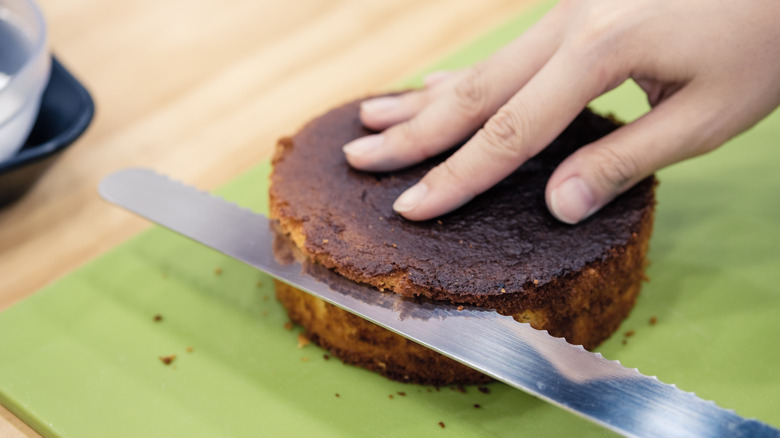
Bakers rely on bread knives to level and slice delicate desserts cleanly.
Level Layer Cakes with a Clean Cut
Before frosting, cakes often need to be leveled. A long bread knife, used horizontally, creates a flat surface. Rotate the cake turntable slowly while guiding the knife in a steady motion.
Visual Cue: Look for a crumb-free, even cut—no pulled or jagged edges.
Slice Delicate Pastries Without Crushing
Flaky pastries like croissants or puff pastry collapse under pressure. A bread knife’s sawing action cuts through without flattening the layers. Use light, short strokes.
Cube Bread for Pudding or Stuffing Efficiently
For bread pudding or stuffing, stale bread must be cut into even cubes. A bread knife makes quick, clean cuts without mashing. Use a ruler or guide for consistency.
Break Chocolate and Handle Baked Treats with Control
Brittle or moist baked goods are tricky to cut. A bread knife offers precision.
Score and Break Baking Chocolate Without Shattering
Hard chocolate bars can shatter under pressure. A bread knife can score the surface first, then gently snap it. Use short, light strokes to avoid flying shards.
Cut Banana Bread and Dense Cakes Without Dragging
Moist cakes like banana or carrot bread tear easily. A serrated edge grips and saws through cleanly. Wipe the blade between cuts for better results.
Use the Right Technique for Safety and Precision
Proper use ensures clean cuts, blade longevity, and safety.
Use a Sawing Motion, Not Downward Pressure
Never press down. Let the serrations grip and cut with a gentle back-and-forth motion. Excessive pressure dulls serrations and increases slip risk.
Common Mistake: Pushing too hard—this damages the blade and food.
Keep the Blade Vertical for Uniform Slices
Tilting creates slanted, uneven slices. Keep the knife straight up and down. Use a claw grip to guide the food safely.
Support Round or Slippery Foods
Cut flat surfaces first on round produce. Use a non-slip mat if your board slides.
Choose the Right Blade Features for Your Needs

Not all bread knives are equal. Key features affect performance.
Pick Scalloped Over Saw-Tooth Serrations
Scalloped (C-shaped) serrations cut cleaner, reduce crumbling, and work in both push and pull motions—offering better control.
Select the Right Blade Length
- 7–8 inches: Ideal for bagels, rolls, small loaves.
- 9–10 inches: Best for standard bread and general use.
- 10–12 inches: Great for large loaves, roasts, melons.
Recommendation: A 9-inch scalloped serration knife is the most versatile for most kitchens.
Maintain and Sharpen Properly to Extend Lifespan
A bread knife can last decades with care—but sharpening requires special tools.
Hand Wash and Dry Immediately
Never put it in the dishwasher. Wash with mild soap, a soft sponge, and warm water. Dry right away to prevent rust.
Store Safely
Use a knife block, magnetic strip, or blade guard. Never toss it loose in a drawer.
Use Soft Cutting Boards
Wood, polyethylene, or rubber boards protect serrations. Avoid glass, marble, or ceramic.
Sharpen with Serrated-Specific Tools
- Tapered diamond or ceramic rods
- Serrated knife sharpeners
- Professional sharpening services
Maintenance Tip: Serrated blades stay sharp longer—resharpen only every few years with regular use.
Avoid Common Mistakes
Even experienced cooks misuse bread knives.
Don’t Use on Raw Meat
Serrations trap bacteria and are hard to clean. Use a boning or chef’s knife instead.
Don’t Cut Frozen Foods or Bones
These can chip or bend the serrations. Stick to soft-to-medium foods.
Don’t Use on Hard Countertops
Cutting on granite or tile dulls the blade fast. Always use a proper cutting board.
Try Smart Kitchen Hacks
The bread knife has clever non-food uses.
Peel Garlic in Bulk
Place several cloves under the flat side of the blade. Press down gently to crush and loosen skins. The long blade covers multiple cloves at once.
Warning: Press lightly—too much force turns garlic into paste.
Know When to Replace It
Even high-quality bread knives wear out.
Signs It’s Time to Replace:
- Serrations are worn, rounded, or chipped
- Knife slips instead of gripping
- No improvement after sharpening
- Handle is cracked or loose
Lifespan: With care, a good bread knife lasts 10–20+ years.
Compare to Other Knives
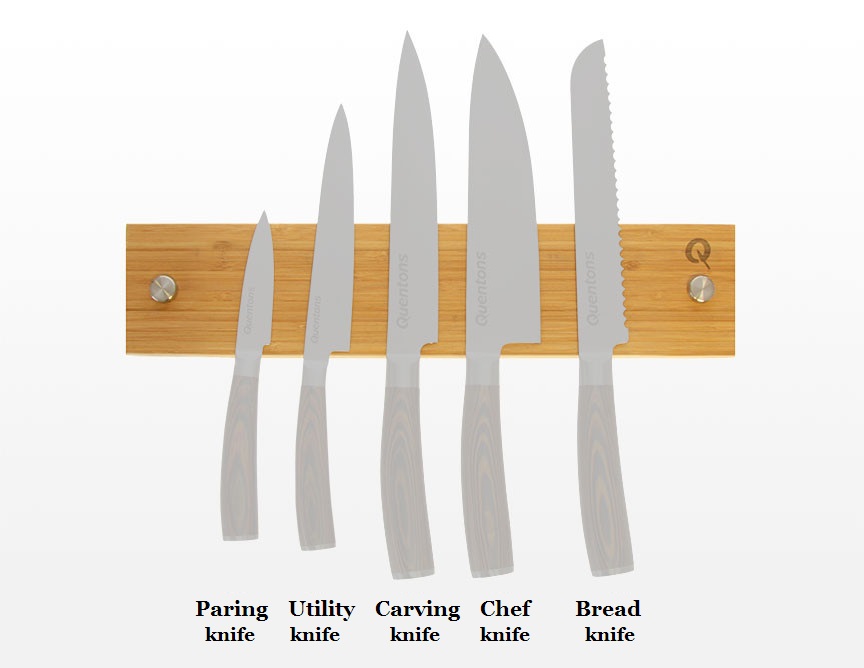
| Task | Bread Knife | Chef’s Knife | Paring Knife |
|---|---|---|---|
| Crusty Bread | ✅ Best | ❌ Crushes | ❌ Too short |
| Tomatoes | ✅ Clean cut | ⚠️ Squishes | ✅ Small jobs |
| Melons | ✅ Safe, easy | ⚠️ Slip risk | ❌ Too short |
| Roast Carving | ✅ Smooth slices | ✅ Good | ❌ Not suitable |
| Cake Leveling | ✅ Ideal | ⚠️ Possible | ❌ Too short |
The bread knife wins on texture contrast tasks.
Final Tips for Best Results
- Use it daily: Its versatility makes it a go-to tool.
- Keep it clean and dry: Prevents corrosion.
- Let serrations work: No need to force the cut.
- Invest in quality: Brands like Nogent, Chubo, Wüsthof, or Victorinox offer durable models.
A bread knife isn’t just for slicing loaves—it’s a precision tool for any food with a hard shell and soft center. With the right technique and care, it becomes one of the most reliable, safe, and effective knives in your kitchen. Whether you’re a home cook or a seasoned baker, a quality bread knife is a smart, long-term investment that pays off in better results and less frustration.