If you’ve ever fumbled with a bulky chef’s knife while trying to peel a strawberry or mince a single garlic clove, you’ve experienced the need for a smarter, smaller blade. Enter the petty knife—a compact, razor-sharp tool designed to handle the delicate, precision-driven tasks that larger knives struggle with. Measuring between 3.5 and 6.5 inches (90–165mm), this Japanese-style utility knife bridges the gap between a paring knife and a chef’s knife, offering unmatched agility for everyday food prep.
Originally developed in Japan during the Meiji Era, the petty knife—petti naifu in Japanese—emerged as Western culinary techniques like French cooking gained popularity. Japanese artisans adapted Western utility knives into a lighter, thinner, harder-steel blade that combined precision with durability. The name comes from the French word petit, meaning “small,” and that’s exactly what it is: a refined, double-bevel blade built for speed, control, and finesse.
Today, the petty knife is a staple in both professional and home kitchens. It’s often the second knife chefs reach for after their gyuto, and many home cooks find themselves using it more than any other blade. From peeling apples to trimming steaks, coring tomatoes to chiffonading herbs, the petty knife excels at small, repetitive, and detail-oriented tasks. If you cook regularly, understanding what a petty knife is used for could transform your kitchen efficiency.
Precision Produce Prep: Peeling, Coring, and Trimming

One of the petty knife’s strongest roles is in preparing fruits and vegetables. Its compact size and sharp point make it ideal for handling small, round, or delicate produce where control is crucial.
Peel with Confidence—In Hand or on the Board
Unlike a chef’s knife, which risks overcutting soft items, the petty knife’s manageable length allows for safe, continuous peeling—even when holding the ingredient directly in your hand. Whether you’re peeling an apple in a single spiral, removing the skin from a potato, or zesting citrus, the petty knife glides smoothly with minimal waste.
Its fine tip also helps score skins—like those of avocados or tomatoes—before peeling, making the process easier. For root vegetables with “eyes,” such as potatoes, the petty knife’s precision lets you trim blemishes surgically, preserving more of the edible flesh.
Core, Hull, and Segment with Ease
Need to remove the core from a tomato or pear? The petty knife’s pointed tip slips in cleanly, letting you rotate and extract the core with minimal effort. It’s equally effective for hulling strawberries—simply insert the blade at an angle and slice around the stem—without sacrificing the fruit’s base.
For citrus lovers, the petty shines in suprêmes—segmenting oranges or grapefruits by cutting between the membranes. The narrow blade navigates tight spaces effortlessly, delivering clean, pith-free segments perfect for salads or garnishes.
Herb and Aromatic Mastery: Mincing Without Mush
Herbs like basil, mint, and parsley are fragile. A heavy knife crushes them, releasing bitter compounds and dulling flavor. The petty knife, with its light weight and sharp edge, allows for clean cuts that preserve essential oils and vibrant color.
Chop Garlic and Shallots Like a Pro
Instead of mashing garlic into a paste, use the petty knife for fine mincing. Lay the clove flat, use a series of small rock-chops near the tip, and achieve a uniform texture without bruising. The same technique works for shallots and onions when you only need a small amount.
Chiffonade and Push-Cut with Control
For leafy herbs like basil or cilantro, stack the leaves, roll them tightly, and use the petty knife to slice into thin ribbons (chiffonade). The blade’s slight curve supports a gentle rocking motion, while its length ensures even cuts.
For chives or scallions, push cuts—lifting the knife and pushing it forward—deliver crisp, consistent pieces without squashing. This level of control is why many chefs prefer a 120–135mm petty for herb work over larger knives.
Trimming Meats and Filleting Fish: A Butcher’s Secret
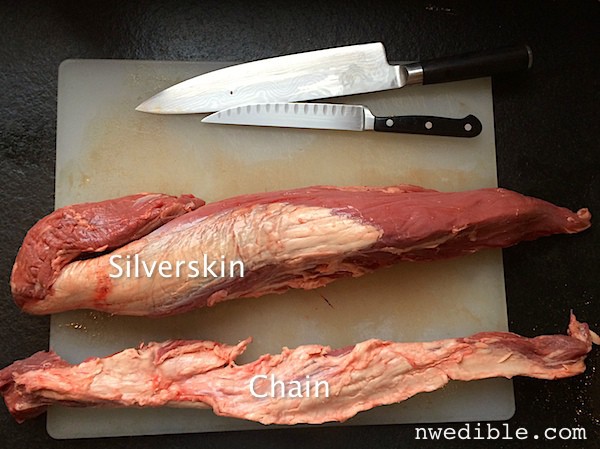
Don’t be fooled by its size—the petty knife is a powerhouse for light butchery. Its narrow, stiff blade makes it perfect for removing silver skin, sinew, and fat from steaks, chicken breasts, or pork tenderloin.
Debone and Devein with Precision
Use the tip to separate connective tissue from muscle, sliding the blade smoothly between layers. It’s ideal for deboning chicken thighs or duck legs, where fine control prevents meat loss.
For seafood, the petty knife excels at filleting small fish like trout or mackerel. Its length and flexibility allow careful strokes along the bone, maximizing yield. It’s also perfect for deveining shrimp—make a shallow cut along the back with the tip, then lift out the vein.
Slice Charcuterie and Cold Cuts Cleanly
When assembling a charcuterie board, use the petty knife to slice salami, prosciutto, or brie into even, attractive pieces. Its sharp edge prevents squishing soft cheeses or tearing delicate meats, ensuring a clean presentation.
In-Hand Cutting and Garnishing: Where Control Matters Most
One of the petty knife’s standout features is its suitability for in-hand cutting—holding the ingredient in your non-dominant hand while slicing. This technique is faster and safer than using a large knife on a small item.
Create Decorative Garnishes
From radish roses to cucumber fans, the petty knife’s precision allows for intricate garnishes that elevate your dishes. Use the tip to make delicate cuts, and the narrow blade to shape vegetables without tearing.
Segment Citrus and Peel on the Go
Peeling an orange at the table? The petty knife lets you cut between membranes or peel in-hand with restaurant-level finesse. Its compact size makes it ideal for travel kitchens, RVs, or outdoor cooking setups.
Everyday Kitchen Utility: More Than Just a Knife
Beyond food prep, the petty knife doubles as a versatile kitchen multitool.
- Cut soft cheeses like brie or gouda without squishing.
- Slice sandwiches, pastries, or fruit for kids’ lunches.
- Open packaging, cut twine, or trim labels—no need for scissors.
- Prep snacks quickly with minimal cleanup.
Its small footprint makes it perfect for tiny kitchens, dorm rooms, or camping trips, where space and efficiency are key.
Petty Knife vs. Other Knives: Why It Stands Out

Petty vs. Paring Knife
While a paring knife (3–3.5″) excels at peeling and coring, it’s too short for rocking or board-based chopping. The petty knife (3.5–6.5″) does everything a paring knife can—and more. Its longer blade allows for rock-chopping herbs or slicing small vegetables, making it far more versatile.
Petty vs. Chef’s Knife
A gyuto (8–10″) is built for heavy chopping, but it’s overkill for small tasks. The petty knife takes over the prep work—peeling, mincing, trimming—so your chef’s knife stays sharp and focused on bulk jobs.
Petty vs. Bird’s Beak Knife
The bird’s beak has a curved blade for peeling and turning vegetables, but it’s a specialist tool. The petty knife is multi-functional, handling peeling, slicing, and chopping with ease.
Choosing and Caring for Your Petty Knife
Pick the Right Size
- 90–120mm: Best for peeling and garnishing.
- 120–135mm: The sweet spot—balanced for in-hand and board work.
- 135–165mm: Ideal for meat trimming or as a mini-chef’s knife.
Maintain Its Edge
- Hand wash and dry immediately.
- Store in a saya (sheath), blade guard, or magnetic strip.
- Sharpen with a whetstone every 2–3 months.
- Avoid cutting frozen foods, bones, or hard shells.
Why You Need a Petty Knife
The petty knife isn’t just a smaller blade—it’s a precision instrument that enhances safety, speed, and consistency in the kitchen. It reduces hand fatigue, minimizes cross-contamination (by keeping your main knife clean), and streamlines prep work.
Whether you’re a home cook, a chef, or someone with limited counter space, a 120–150mm petty knife in stainless or carbon steel could be the most practical addition to your kitchen. Once you start using one, you’ll wonder how you ever cooked without it.