If your favorite knife lacks a proper sheath—or you want a custom carry solution that fits like a glove—learning how to make a Kydex knife sheath is a game-changer. Kydex is a rugged, waterproof thermoplastic that forms a precise, durable shell around your blade, offering unmatched retention and protection. Unlike flimsy nylon or leather options, a Kydex sheath holds your knife securely with a satisfying snap-in fit, resists the elements, and lasts for years with minimal maintenance.
This guide walks you through the entire process of creating a professional-quality Kydex knife sheath at home using affordable tools and materials. Whether you’re a beginner or a seasoned maker, you’ll learn how to protect your blade during forming, heat the plastic to the right temperature, shape it perfectly, install hardware, and fine-tune retention—all in under a few hours and for less than $15 in materials.
Protect the Blade with Painter’s Tape
Before touching the Kydex, safeguard your knife from scratches and ensure a smooth fit.
Apply Tape for Gap and Blade Safety
Wrap two to three layers of painter’s tape around both sides of the blade and handle. This creates a small gap—typically 0.002” to 0.004”—that allows the sheath to compress slightly when riveted, preventing a binding fit. The tape also acts as a protective barrier, shielding the blade from contact with hot plastic or forming surfaces.
Critical Warning: Painter’s tape holds moisture, which can cause rust on high-carbon steel blades. Remove the tape immediately after forming to prevent corrosion.
Some experienced makers skip tape and rely on precise pressure control instead, especially when working with collectible or finished blades. However, for beginners, tape is the safest and most reliable way to achieve consistent results without damaging the knife.
Cut a Properly Sized Kydex Blank
Start with a clean, correctly sized piece of thermoplastic.
Trace and Cut with Accuracy
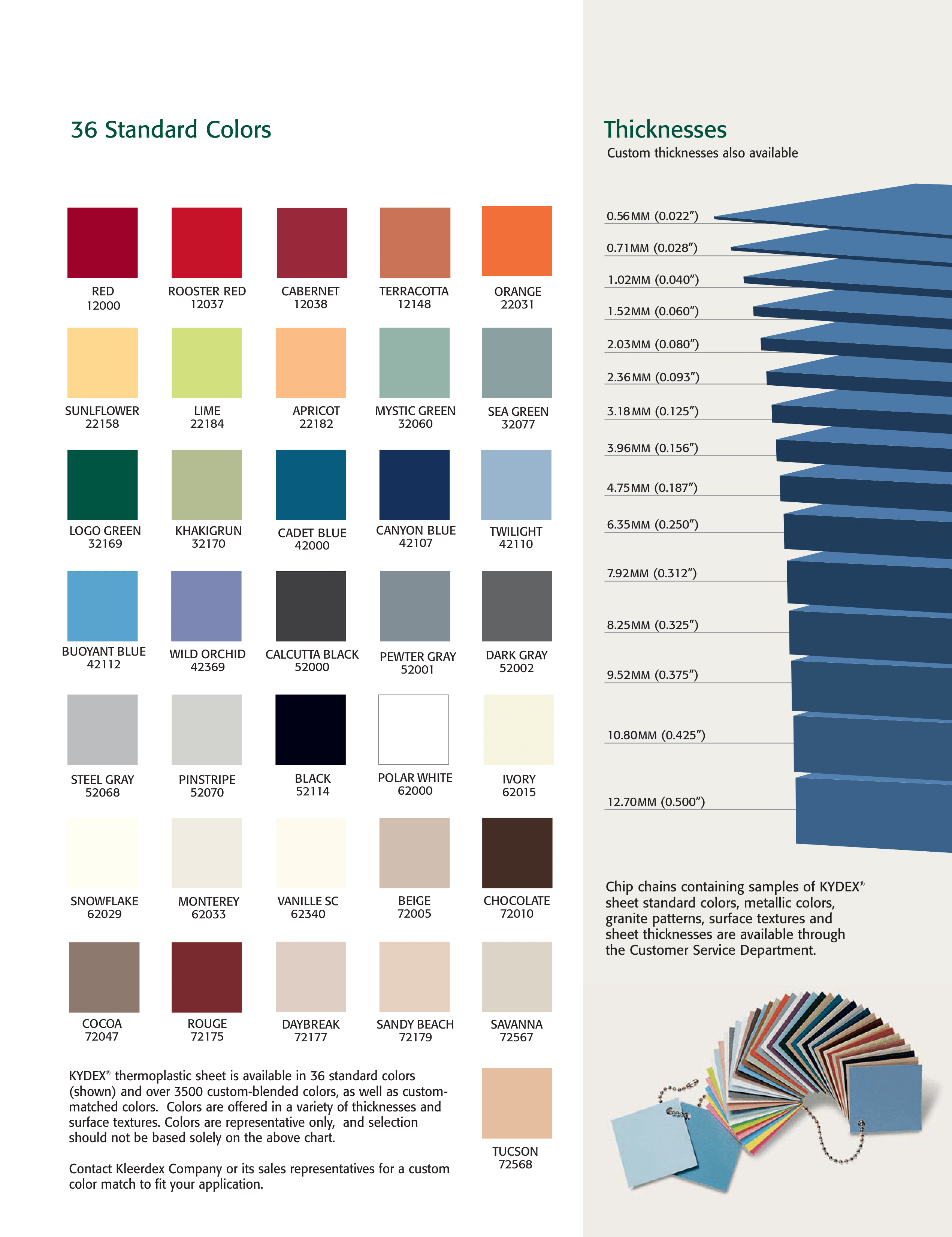
Place your taped knife on the smooth side up of a 0.060” Kydex sheet—this side will face the blade, reducing friction and potential scratching. Trace around the outline, adding at least 1 inch of extra material on all sides. This extra margin ensures enough plastic to fully wrap the handle and allows room for trimming later.
Use tin snips, a utility knife, or a band saw to cut along the line:
– For straight cuts: Score deeply with a utility knife and snap along a steel rule.
– For curves: Use tin snips or a hobby saw for better control.
For a taco-style sheath, cut one wide piece—enough to fold over the knife with overlap. For a two-piece sheath, cut two identical blanks.
Pro Tip: It’s always better to cut oversized. You can trim excess after forming, but you can’t add material back.
Heat the Kydex to the Right Temperature
Heating is the most critical step—too cold and it won’t form; too hot and it bubbles.
Use Oven or Griddle Safely
Preheat your oven or griddle to 300°F–375°F (150°C–190°C). Place the Kydex sheet smooth side down on a clean baking pan or non-stick surface to protect the interior finish.
Heat until the plastic sags under its own weight and feels like a cooked noodle—flexible but not dripping. This usually takes:
– 8–12 minutes in a standard oven
– 2–5 minutes on a griddle
Use an infrared thermometer to check surface temperature: aim for 290°F–340°F.
Avoid Overheating: Bubbling, browning, or curling means the Kydex is too hot. Let it cool completely, then reheat at a lower setting.
Form the Sheath Around Your Knife
Two reliable methods let you shape Kydex tightly around your blade.
Folded (Taco-Style) Sheath Method
Remove the heated sheet and place it smooth side up on a 1–1.5″ thick foam pad. Insert the taped knife into the center. Fold the Kydex over the blade, pressing the spine into the fold to create a tight seam.
Sandwich the folded plastic between two pieces of plywood and foam, then clamp in a vise or stand on it to apply even pressure. Cool for 10–15 minutes before opening.
Best for: Beginners, lightweight EDC, and neck knives.
Two-Piece Press Forming Method
Heat two separate blanks. Place one in a Kydex press (commercial or DIY), set the knife on top, then cover with the second piece.
Close the press and clamp tightly. Let cool completely—10–15 minutes—or speed up with compressed air.
Best for: Tactical sheaths, heavy-duty carry, and higher retention.
Note: Kydex sticks to itself when hot—be careful separating layers post-forming.
Add Drain Hole and Retention Features
A well-designed sheath keeps your knife dry and secure.
Create a Drain Hole at the Tip
Insert a split bamboo skewer over the knife tip before forming. When cooled, the skewer leaves a cavity that allows water and debris to escape.
Why it matters: Prevents moisture buildup and reduces corrosion risk—especially in humid environments.
Build Camming Action for Secure Retention
The key to a secure fit is camming action—the sheath grips the blade via a slight inward taper near the handle.
Design the sheath so the blade cams over a high point just before seating fully. For knives with flared handles, make the sheath opening slightly smaller than the handle base to create friction-based retention.
Expert Tip: Retention improves with use—Kydex wears slightly and conforms to your knife over time. Start snug; it will loosen slightly.
Mark and Drill Rivet or Eyelet Holes
Perfect alignment starts with accurate hole placement.
Mark Holes After Forming
With the knife removed, mark where rivets or eyelets will go:
– First rivet: ¼ inch from the flat section at the base
– Remaining rivets: spaced 1.5 inches apart along both sides
Use a center punch and hammer to make dimples—prevents drill bit wandering.
Drill Clean Holes With Bradpoint Bit
Use a 1/8″ bradpoint bit in a cordless drill or drill press. Apply gentle, steady pressure to avoid splitting the Kydex.
Critical Rule: Always drill after forming. Drilling before leads to misaligned holes due to plastic shrinkage and warping during heating.
For Tek-Lok Use: Leave space between two upper rivets to install the clip. Use a spacer or template for consistent alignment.
Trim and Sand the Sheath Edges
Now shape the final profile and smooth every edge.
Rough Cut With Band Saw or Tin Snips
Pencil in the final outline, especially around the handle curve. Use a band saw, hobby saw, or tin snips for rough cutting.
Leave slightly outside the line—you’ll refine it next.
Sand Edges Smooth and Safe
Start with a 60-grit belt sander to shape the outer edge. Progress to 120-grit, then 220-grit for a smooth finish.
Use a Dremel tool or Super Wheel for tight curves and precision cleanup.
Key Step: Lightly sand the inside edge of the sheath mouth to prevent snagging during draw. A sharp internal edge catches on the handle—smooth it for a clean release.
Finish by buffing edges on a piece of denim cloth—gives a polished, professional look.
Install Rivets and Belt Attachments

Secure your sheath with strong, clean fasteners.
Use Arbor Press for Flawless Rivets
Insert #8-6 rivets (¼” shank) or 3/16″ eyelets into the holes. Use an arbor press with a rivet setter for even, consistent flaring.
Avoid Hand Tools: Hammering or manual rivet tools often split Kydex or create uneven flares.
Attach Belt Hardware
Replace two rivets with:
– Tek-Lok (adjustable for different belt widths)
– Combat clip (for MOLLE or rapid draw)
– Paracord lacing (for minimalist carry)
Secure with set screws if required. Ensure the attachment is tight and aligned.
Alternative: Weave paracord through all holes instead of rivets for a laced, survival-style sheath.
Shape a Thumb Ramp for Easy Draw
A thumb ramp makes one-handed deployment fast and reliable.
Heat and Bend With Heat Gun
Use a heat gun to soften the top edge of the sheath. Gently bend it upward with gloved fingers or a tool to create a small ramp.
Let cool under light pressure to set the shape.
Press With Antler or Knurled Punch
For a textured, ergonomic grip:
– Heat the area
– Press a polished antler piece or knurled end of a center punch into the plastic
– Hold until cool
This creates a non-slip surface ideal for wet or gloved use.
Beginner Option: Use a lighter to carefully heat the edge, then bend upward. Less precise but functional.
Test and Adjust the Final Fit
Now make sure your sheath works perfectly.
Check Retention and Draw
Reinsert the knife (with one layer of tape left on for protection). Test:
– Does it snap securely into place?
– Does it release with a firm thumb push?
– Does it stay in when shaken or inverted?
Snug is better than loose—Kydex loosens slightly with use.
Fix Common Fit Issues
Too tight?
– Reheat the neck area with a heat gun
– Gently open with fingers or insert knife at an angle
– Never remove the detent completely
Too loose?
– Reheat and re-form with tighter pressure
– Add an internal liner (felt, leather, or adhesive tape) to bulk up the fit
Pro Tip: If retention fades over time, place a thin strip of electrical tape inside the sheath at the high point—restores grip instantly.
Choose Between Taco-Style and Two-Piece Sheaths
Pick the right design for your needs.
Taco-Style: Simple and Seamless
- Single piece folded over the knife
- No rivets along the spine—clean look
- Easier for beginners
- Best for lightweight EDC or neck knives
Two-Piece: Strong and Tactical
- Two separate halves riveted together
- Higher retention due to compression at seams
- Allows fire steel pocket or lanyard hole integration
- Preferred for combat, hiking, or heavy-duty carry
Trade-off: Rivets add strength but require more precision.
Customize With Advanced Features

Make your sheath stand out and perform better.
Add a Fire Steel Pocket
Leave extra width when cutting the blank. During forming, shape a secondary compartment beside the blade to hold a ferro rod.
Secure with rivets or a separate cap.
Drill a Lanyard Hole
Use a 1/8″ bit to drill near the pommel end. Weave paracord or cord for a wrist lanyard—prevents drops in rough terrain.
Layer Colors for Two-Tone Effect
Sand through the top layer of a multi-colored Kydex sheet to reveal the base color underneath. Creates a custom, high-end look.
Add Textured Grip
Use a center punch or pyrography tool to stamp non-slip patterns on the sheath body—ideal for wet conditions.
Maintain and Protect Your Knife
Kydex is tough—but not perfect.
Prevent Moisture Trapping
Kydex doesn’t breathe, so moisture can get trapped against the blade.
Solutions:
– Always include a drain hole
– Wipe the blade before storage
– Use a felt liner soaked in mineral oil, wrapped in waxed cloth
– Never store high-end or carbon steel blades in Kydex long-term in humid climates
Expert Note: Rust has occurred inside Kydex sheaths in off-grid, humid conditions. For long-term storage, use leather or remove the blade.
Clean the Sheath Regularly
Wipe the interior with a damp cloth to remove grit. Sand out embedded debris if needed—prevents blade scratching over time.
Keep Costs Low and Tools Simple
You don’t need expensive gear to start.
Budget-Friendly Setup
- Kydex sheet (4″x12″): $5–$10
- Rivets and hardware kit: $11
- DIY press (foam, plywood, clamps): <$15
- Heat source: Use a toaster oven or griddle
Total startup cost: Under $50—most tools are household items.
Savings Tip: Buy a 4’x4′ sheet (~$40) and share with friends—makes dozens of sheaths.
Avoid Cheap Substitutes
PVC pipes are sometimes used as a low-cost alternative, but they’re less durable and harder to shape cleanly. Stick with real Kydex for long-term performance.
A well-made Kydex knife sheath combines durability, precision, and customization in one affordable package. By following these steps—protecting the blade, heating correctly, forming under pressure, drilling after shaping, and finishing with smooth edges—you’ll create a carry solution that’s secure, reliable, and built to last. Whether for personal use or as a craft to sell, mastering Kydex sheath making puts professional-grade gear within anyone’s reach.