A dull, scratched knife doesn’t just look unimpressive—it can attract moisture, harbor bacteria, and degrade faster. Learning how to polish a knife transforms it into a gleaming, high-performance tool that resists corrosion and commands attention. Whether you’re restoring an old kitchen blade, prepping a custom knife for display, or simply upgrading your everyday carry, achieving a mirror finish is within reach. This guide walks you through every step—from cleaning and sanding to buffing and maintenance—using safe, proven methods. You’ll discover how to polish a knife by hand or with power tools, avoid common pitfalls, and keep your blade looking like new. With patience and the right technique, even a worn blade can reflect light like glass.
Prepare the Blade for Polishing
Before sanding begins, proper prep ensures safety, prevents damage, and sets the stage for a flawless finish.
Remove Handle Components
If possible, disassemble the knife. For fixed-blade or custom knives, detach the handle scales to expose the full tang and keep abrasive dust out of crevices. On folding knives, carefully separate the blade from the pivot unless the manufacturer advises against it. If disassembly isn’t safe or possible, wrap the handle tightly with painter’s tape or a soft cloth to protect it from grit, chemicals, and accidental scratches during polishing.
Clean the Blade Surface
Start with a clean slate. Wipe the blade using a damp microfiber cloth and mild soap to remove fingerprints, oils, and grime. For stubborn residue, use isopropyl alcohol (90% or higher) or acetone on a lint-free rag, focusing on areas near the handle where buildup accumulates. After cleaning, dry the blade immediately with a clean towel. Carbon steel, in particular, can develop flash rust within minutes when exposed to moisture—so never leave it wet.
Eliminate Rust and Coatings
For light surface rust, gently scrub with 0000 steel wool dipped in mineral oil. The oil lubricates and prevents further oxidation. Use circular motions and wipe clean after each pass. For deeper pitting, soak the blade in a 1:1 white vinegar and baking soda solution for 15–30 minutes, then rinse thoroughly and dry immediately. Prolonged soaking can erode the steel, so don’t exceed the recommended time.
If your knife has a hazy, milky appearance, it may be coated in factory lacquer. Use acetone repeatedly on a clean cloth, wiping in one direction until no residue transfers. Skipping this step traps contaminants under polishing compounds, leading to an uneven or streaky finish.
Assess Scratch Depth
Inspect the blade under bright, angled light. Look for deep gouges, fine scratches, or honing marks. Your starting grit depends on the worst imperfection:
– Deep gouges: Begin at 220 grit
– Light scratches: Start at 400–600 grit
– Minor marks: Begin at 800 grit
Starting too fine will prolong the process and leave visible defects. Always work your way up—never skip grits.
Choose Your Polishing Method
Your experience level and available tools determine whether hand or machine polishing is best.
Hand Polishing vs. Power Tools
Hand polishing gives you full control and is ideal for beginners. It eliminates the risk of overheating or rounding the edge, though it takes more time—typically 5–10 hours for a mirror finish. Power tools like Dremels or bench grinders speed up the process significantly but require experience. Use rotary tools at 1500–3600 RPM and apply light pressure, especially near the cutting edge, to avoid damaging the blade.
Select a Flat Sanding Base
Use a rigid, flat surface such as glass, granite, or a Micarta block to back your sandpaper. Freehand sanding without support creates uneven pressure and curved finishes. A stable base ensures straight scratch patterns and uniform contact across the blade.
Sand the Blade Progressively
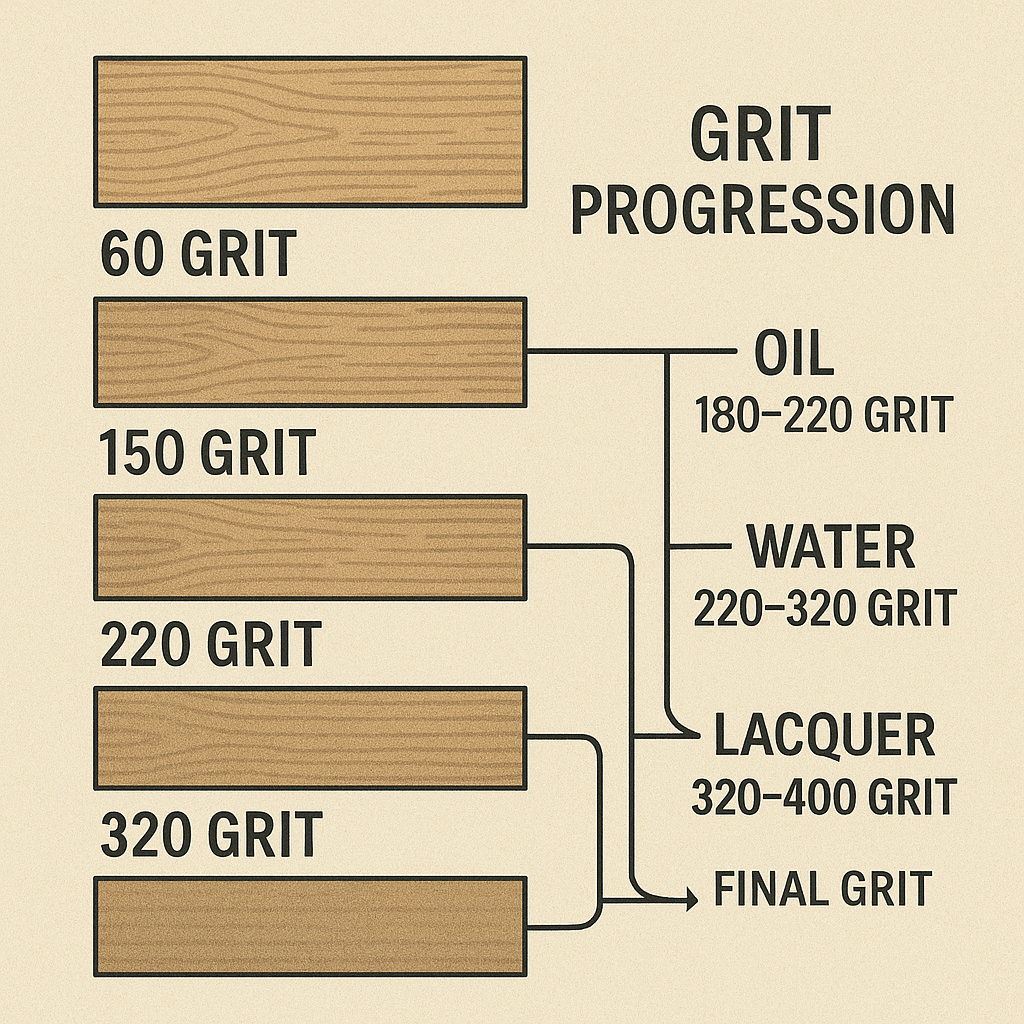
A mirror finish relies on consistent, step-by-step grit progression.
Start with Coarse Grit (220–600)
Cut wet/dry sandpaper into 1.5-inch squares to reduce linear scratching. Begin with 220 or 400 grit if removing deep scratches or honing marks. Soak the paper first if labeled “wet/dry.” Sand in one direction only—from tang to tip—using light, even pressure.
Change sanding direction with each grit:
– 220 grit: horizontal strokes
– 400 grit: diagonal strokes
– 800 grit: horizontal again
This cross-hatching helps you see when prior scratches disappear.
Advance Through Mid-Range Grits (800–1500)
Move to 800, 1000, then 1500 grit, cleaning the blade and inspecting under bright light after each stage. Use soapy water as lubricant to reduce clogging and heat. Always confirm all previous scratches are gone before progressing.
Skipping grits—like jumping from 400 to 1500—leaves deep marks that take longer to fix later. Each step removes the scratches from the previous one.
Finish with Ultra-Fine Grit (2000–3000)
At 2000–3000 grit, the blade should reflect light evenly with no visible texture. Some users go to 5000 grit for ultra-smooth results, especially before applying rouge. Stainless steel reflects less than carbon steel, so results will vary by material.
Clean the blade thoroughly between stages to avoid contaminating finer papers with coarse grit.
Apply Polishing Compounds
Once the surface is scratch-free, chemical polishing enhances shine and smoothness.
Select the Right Polish

Choose based on desired finish and steel type:
| Polish | Best For | Grit Equivalent |
|---|---|---|
| Meguires Ultimate Compound | Initial smoothing | ~1200–2000 |
| Mother’s Mag Polish | Mirror finish | ~5000+ |
| Flitz Metal Polish | Maintenance | ~3000–5000 |
| Simichrome | High-gloss shine | ~6000–8000 |
| White Rouge (Chromium Oxide) | Mirror polish (carbon steel) | ~8000–10,000 |
| Green Rouge | Stainless steel | ~8000–10,000 |
| Cerium Oxide (Yellow) | Optical-grade finish | ~10,000+ |
Avoid Brasso—it contains ammonia and can damage some steels.
Buff With Soft Media
Apply a pea-sized amount of compound to a leather strop, balsa wood pad, or cotton cloth. Buff using circular or back-and-forth motions with light pressure. Let the abrasive do the work; pressing too hard generates heat and wears down edges.
Reapply polish as needed and clean the pad frequently to prevent contamination.
Use Power Tools Safely
For faster results, rotary tools and buffing wheels deliver consistency—but demand caution.
Use Radial Discs for Precision
Attach 3M or Deadco radial discs (fan-shaped abrasives) to a Dremel or rotary tool. Recommended progression:
– 220 (red): Remove deep scratches
– 400 (purple): Smooth surface
– 1000 (green): Refine finish
– 2500 (white): Mirror polish (~1 micron)
Run at 1500–2000 RPM and use Lysol spray or water to cool the blade. Never linger in one spot—overheating can warp steel or ruin temper.
Follow Proper Buffing Sequence
Use dedicated wheels for each compound to avoid cross-contamination:
| Step | Compound | Wheel Type |
|---|---|---|
| 1 | 80–150 grit greaseless | Felt or polishing muslin |
| 2 | 200–240 grit greaseless | Sewn muslin |
| 3 | 300–400 grit greaseless | Sewn muslin |
| 4 | Cut and Color bar | Sisal wheel |
| 5 | Blending bar | Muslin wheel |
| 6 | White/Green Rouge | Loose muslin |
| 7 | Jeweler’s Rouge | Felt or muslin |
Buffing only smooths existing surfaces—it won’t remove deep scratches. Always sand first.
Prevent Overheating
Dip the blade in water every 10–15 seconds during power polishing. Excessive heat turns the steel blue or straw-colored, indicating temper loss. Keep pressure light, especially near the edge, and use downward force to prevent the tool from grabbing the blade.
Avoid Common Polishing Mistakes
Even experienced users make errors that ruin finishes.
Don’t Skip Grit Levels
Moving from 400 to 1500 grit leaves coarse scratches visible under light. Each step removes the previous layer’s marks—skipping increases total work.
Never Reuse Contaminated Sandpaper
Used paper holds metal particles that act like coarser grit. Always use fresh paper per grit level and store sheets separately.
Protect the Cutting Edge
Avoid aggressive sanding or buffing along the edge. This can round the bevel or thin the spine. Focus on the flats and use gentle strokes near the tip.
Change Sanding Direction
Failing to alter stroke angles between grits makes it hard to confirm scratch removal. Cross-hatching is essential for visual feedback.
Care for Your Polished Knife
A mirror finish requires maintenance to stay pristine.
Apply Protective Oil
After polishing, coat the blade with a thin layer of food-safe mineral oil. This prevents moisture contact and slows oxidation—especially important for carbon steel. Reapply monthly or after washing.
Store Properly
Keep the knife in a dry, low-humidity environment. Use silica gel packs in drawers or sheaths. Avoid leather sheaths unless treated—they retain moisture.
Clean Gently
Wash with mild soap and warm water, then dry immediately. For touch-ups, use Flitz or Simichrome on a soft cloth to restore luster without re-sanding.
Know When to Seek Professional Help
Consider expert polishing for:
– Deep pitting or structural damage
– Valuable or antique blades
– Show-quality or competition finishes
– Lack of experience with power tools
Professionals use precision buffers, leather belts, and ultra-fine abrasives to achieve flawless results safely.
Final Tips for a Flawless Finish
Practice on a Low-Value Knife
Start with an old kitchen knife or inexpensive model. Learn the process without risking a prized piece.
Be Patient—It Takes Time
Hand polishing to mirror finish typically takes 5–10 hours. Rushing leads to mistakes. Break the process into sessions.
Inspect Under Multiple Lights
Check progress under natural sunlight, LED, and angled lighting. A true mirror finish reflects sharply with no haze or milky spots.
Document Each Stage
Take photos after every grit change. This helps track improvement and identify where issues arise.
Clean Tools Between Steps
Wipe down pads, cloths, and work surfaces. Residual grit from earlier stages can scratch finer finishes.