If you own a Kershaw folding knife, knowing how to close it properly is just as important as knowing how to open it. Whether you carry a Kershaw Leek, Scallion, Cryo, or another model, each uses a specific locking mechanism that must be disengaged correctly to avoid injury or damage. Incorrectly closing your knife can lead to pinched fingers, blade misalignment, or long-term wear on the lock and pivot. This guide breaks down exactly how to close any Kershaw knife by lock type, with step-by-step instructions, safety tips, and model-specific techniques. You’ll learn the right way to disengage frame locks, liner locks, slip joints, and more—ensuring smooth, safe operation every time.
Identify Your Knife’s Lock Type

Before attempting to close your Kershaw knife, you must know which locking mechanism it uses. The method varies significantly between models, and using the wrong technique can damage the knife or cause injury. Kershaw primarily uses five types of locks, each with distinct visual and functional cues.
Frame Lock vs. Liner Lock: Spot the Difference
A frame lock uses part of the handle itself (typically the right-side scale) as the locking bar. When the blade is open, this section flexes inward to lock the blade in place. You’ll often see a slight protrusion on the right side of the handle near the pivot—this is the lock bar.
A liner lock, by contrast, uses a thin metal insert inside the left handle scale. It’s usually visible as a small silver tab that moves slightly when pressure is applied. Liner locks are common on smaller, lightweight models like the Scallion.
Quick Tip: If the lock is on the right side and part of the handle body, it’s a frame lock. If it’s a thin metal strip on the left side, it’s a liner lock.
Recognize SpeedSafe Assisted Opening
Many Kershaw knives feature SpeedSafe, a spring-assisted opening system. This is not a lock type—it works with either a frame or liner lock. These knives open with a flick of the thumb stud or flipper but must be closed manually. There is no auto-close function.
Myth Busting: Despite the assisted opening, no Kershaw knife closes automatically. You always need to disengage the lock and fold the blade shut by hand.
Slip Joint and Lock Back: Less Common but Important
Slip joint knives, like the Kershaw Campfire, have no lock. They rely on spring tension to hold the blade open. These close with simple pressure to the blade spine—no lock release needed.
Lock back models use a bar along the spine of the handle that clicks into a notch on the blade. These are rarer in modern Kershaw lines but appear in vintage or traditional-style folders.
Close a Frame Lock Kershaw Knife
Frame locks are strong, reliable, and often allow one-handed closing. Popular models like the Kershaw Leek and Skyline use this system. Mastering the technique ensures smooth, safe closure every time.
Disengage the Frame Lock
- Hold the knife in your dominant hand, blade fully open and pointed away from your body.
- Locate the locking section of the right handle scale—this is the frame lock.
- Use your thumb to push the lock bar to the left, toward the center of the handle.
- You’ll feel it “give” slightly as it disengages from the blade tang.
Visual Cue: On the Leek, look for the small indentation on the blade’s right side near the pivot. This is designed for your thumb to rest and swipe left smoothly.
Fold the Blade Closed
Once the lock is disengaged:
1. Keep your thumb on the indentation.
2. Use your index finger to gently push the back of the blade upward.
3. Guide the blade back into the handle with a controlled motion.
4. Listen for the click as the detent ball seats into the closed position.
Pro Tip: With practice, this becomes a fluid one-handed motion—swipe left to unlock, then pivot the blade closed using the same hand.
Common Mistakes to Avoid
- Closing too fast: Can damage the pivot or detent.
- Using fingers near the blade path: Risk of pinching.
- Forcing the lock: If it doesn’t move, check for debris or corrosion.
Close a Liner Lock Kershaw Knife
Liner locks are common on compact, budget-friendly models like the Kershaw Scallion and Shuffle. They’re lighter than frame locks but require careful finger placement for safe closing.
Release the Liner Lock
- Hold the knife securely, blade open and pointed away.
- Find the thin metal liner on the left side of the handle—it extends slightly when engaged.
- Use your thumb to push the liner to the left, compressing it toward the handle’s center.
- You’ll feel the blade release slightly once the lock disengages.
Note: Some models have a textured liner for better grip. If it’s hard to move, clean and lubricate the mechanism.
Guide the Blade Shut
- With the lock disengaged, use your other hand’s index finger to press on the back of the blade.
- Slowly fold the blade into the handle.
- Ensure it clicks fully into the closed position.
Safety First: This is best done with two hands until you’re confident. One hand releases the lock; the other controls the blade.
One-Handed Closing (Advanced)
Some users train for one-handed closure:
– Use your thumb to press the liner lock.
– Rotate your wrist slightly to let gravity assist.
– Use your middle finger to guide the blade.
Warning: Only attempt this after mastering two-handed closing. Rushing leads to accidents.
Close a SpeedSafe Assisted-Opening Knife

Knives like the Kershaw Cryo, Ken Onion Blur, and Launch series use SpeedSafe with either a frame or liner lock. The assisted opening is fast, but closing is always manual.
Confirm the Lock Type First
Check if your SpeedSafe knife uses:
– Frame lock (e.g., Leek): Right-side disengagement.
– Liner lock (e.g., Shuffle): Left-side disengagement.
The closing process depends entirely on the lock, not the assist mechanism.
Step-by-Step Closure
- Hold the knife in your dominant hand.
- Disengage the lock using the appropriate method (left for liner, right for frame).
- Once released, use your index finger to push the blade closed.
- Let it snap into place with a click.
Key Point: The assist only works for opening. Closing requires full manual control.
Why It Won’t Close Smoothly
If the blade resists:
– Dirt or dried lube in the lock mechanism.
– Pivot screw too tight—loosen slightly with a Torx bit.
– Worn detent ball—may need replacement.
Fix: Clean with a soft brush, apply Kershaw LW-1 or similar lubricant, and reassemble.
Close a Slip Joint Kershaw Knife
The Kershaw Campfire is a classic example of a slip joint knife. These have no locking mechanism, making them simple but requiring caution during use and closure.
Apply Pressure to the Blade Back
- Hold the knife firmly in your hand.
- Place your thumb on the spine of the blade near the handle.
- Press down and back with steady, gentle force.
- The blade will pivot closed as the backspring compresses.
No Lock to Release: Unlike locking knives, there’s no disengagement step.
Safety Warning
- Never use for heavy tasks: The blade can close under pressure.
- Avoid closing near skin: Even un-locked blades can snap shut quickly.
- Keep fingers clear of the pivot: Pinching is common with inattentive use.
Best Practice: Close over a table or palm of your hand to catch it if it slips.
Close a Lock Back Kershaw Knife
Lock back models are less common but appear in Kershaw’s traditional or vintage-inspired lines. They’re strong but typically require two hands to close.
Depress the Lock Bar
- Hold the knife securely.
- Place your thumb or index finger on the spine of the handle.
- Press downward on the lock bar to release it from the blade notch.
- You’ll feel the blade move slightly as it unlocks.
Fold the Blade Closed
- With your other hand, use your index finger to lift and guide the blade.
- Fold it smoothly into the handle.
- Release the lock bar once the knife is fully closed.
Challenge: The spring tension can be stiff, making one-handed closing difficult.
When It’s Stuck
If the lock won’t depress:
– Clean around the spine with a toothpick or brush.
– Lubricate the lock bar pivot with light oil.
– Avoid excessive force—this can bend the bar.
Model-Specific Closing Tips
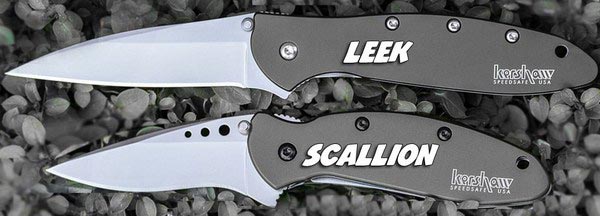
Kershaw Leek: Master the One-Handed Close
- Lock Type: Frame lock with SpeedSafe.
- Technique:
- Thumb rests in the blade indentation.
- Swipe left to disengage the frame lock.
- Pivot the blade closed with index finger.
- Why It Works: The indentation aligns your thumb perfectly for control.
User Feedback: Most owners report mastery after 10–15 reps. It’s praised for its ergonomic design.
Kershaw Scallion: Two-Handed Control Recommended
- Lock Type: Liner lock.
- Technique:
- Push the left-side silver bar to the left.
- Use other hand to fold the blade.
- Tip: Hold the back of the blade for precision.
Note: Due to its small size, accidental slips are more likely—go slow.
Kershaw Cryo: SpeedSafe with Frame Lock
- Same as Leek: Uses identical closing method.
- Key Feature: Ambidextrous flipper and thumb stud.
- Closure: Disengage frame lock with thumb, close with index finger.
Pro Tip: Clean the pivot monthly for smooth action—dust buildup affects performance.
Safety Tips for Every Closure
Always Point the Blade Away
Never close a knife toward your body, lap, or fingers. Even a small slip can cause a serious cut.
Keep Fingers Clear of the Pivot
The blade closes with force near the pivot point. Even a minor misstep can result in a pinch or laceration.
Use a Soft Surface
Close the knife over a table, cloth, or palm—not over hard floors. If it slips, you’ll avoid damaging the blade or handle.
Avoid Flicking It Shut
Never try to “flick” the knife closed with force. This can:
– Damage the detent ball.
– Worsen blade play.
– Lead to loss of control.
Correct Motion: Smooth, deliberate, and controlled.
Clean and Lubricate Regularly
A well-maintained knife closes easier and lasts longer. Every 4–6 weeks:
– Brush debris from the lock and pivot.
– Apply a drop of light lubricant.
– Wipe excess to prevent grit buildup.
Troubleshoot Common Closing Issues
Lock Won’t Disengage
Cause: Dirt, dried lube, or corrosion in the lock mechanism.
Fix: Clean with a soft brush and cotton swab. Apply Kershaw LW-1 or Tri-Flow.
Blade Sticks or Closes Slowly
Cause: Pivot screw too tight or misaligned.
Fix: Loosen the pivot screw slightly—1/8 turn at a time. Test after each adjustment.
Lock Bar Feels Stiff
Cause: Gunk buildup or worn spring.
Fix: Disassemble (if experienced) or send to Kershaw service.
Blade Doesn’t Click into Closed Position
Cause: Worn detent ball or spring.
Fix: Inspect and replace if needed. Contact Kershaw for warranty service.
Accidental Closure During Use
Cause: Improper lock engagement or damaged mechanism.
Fix: Stop using immediately. Inspect for wear. Do not carry until repaired.
Maintain Smooth Closing Performance
Clean After Every Use
Wipe the blade and handle with a dry cloth. Use a toothbrush to clean around the pivot and lock bar.
Lubricate Monthly
Apply a small drop of lubricant to:
– Pivot point.
– Lock bar contact area.
– Detent ball.
Best Lubricants: Kershaw LW-1, Ballistol, or Spyderco Tri-Flow.
Check Handle Screws
Use the correct Torx bit to ensure screws are snug. Loose screws can cause handle wobble and affect lock stability.
Store Properly
Keep your knife in a dry place. Avoid humid environments to prevent corrosion, especially on stainless steel components.
Warranty: Kershaw offers a limited lifetime warranty. If the lock fails under normal use, contact them for repair or replacement.
Design Features That Help You Close It Right
Kershaw builds user-friendly cues into many models:
- Blade Indentations: Guide thumb placement for one-handed closing (e.g., Leek).
- Textured Lock Bars: Improve grip for disengagement.
- Ambidextrous Design: Allows left- or right-handed use on many models.
- Ergonomic Handles: Contoured to fit the hand during both opening and closing.
Observation: These small details make a big difference in real-world usability.
Final Tips for Safe, Smooth Closure
Closing a Kershaw knife isn’t just about mechanics—it’s about safety, precision, and respect for the tool. No matter your model, follow these final best practices:
- Practice slowly until the motion becomes muscle memory.
- Always disengage the lock first—never force the blade closed.
- Inspect regularly for wear, looseness, or corrosion.
- Prioritize control over speed—a smooth close is safer and better for the knife.
Recommendation: If you’re unsure about your model, visit the official Kershaw website or watch a YouTube tutorial for visual guidance. Many users find video demos invaluable for mastering one-handed techniques.
Remember: A Kershaw knife is built for reliability and performance. When you close it the right way, you protect yourself, preserve the mechanism, and honor the craftsmanship behind every detail.